
18 Low-Maintenance Front Yard Landscaping Ideas

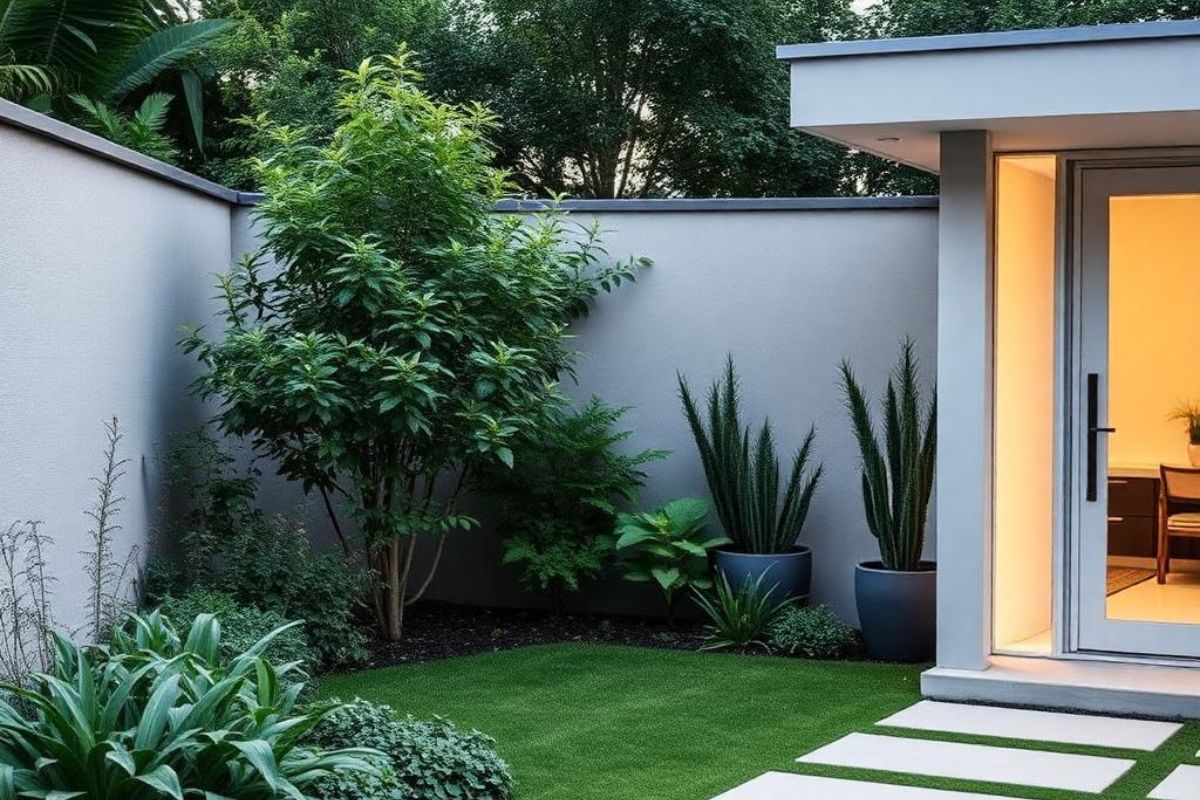
A front yard does not have to demand constant attention to look well-kept and inviting. Many homeowners assume that a neat outdoor space requires daily effort, but that is not always true. When you plan carefully, you can create a yard that stays attractive with very little work.
The key lies in choosing the right elements from the start. With a mix of smart design and practical materials, your front yard can remain consistent, clean, and easy to manage throughout the year.
18 Practical Ideas To Simplify Front Yard Care
Use Ground Covers Instead of Grass
Traditional lawns often need frequent mowing and watering. Ground covers offer a practical alternative that still looks neat and full. This simple change can significantly reduce weekly yard work.
Add Landscape Rocks For Structure
If you want a clean and long-lasting solution, landscape rocks can make a noticeable difference. They create defined areas while reducing the need for plant maintenance. You can use them to:
- Replace sections of grass.
- Create borders around plants.
- Highlight pathways or entry areas.
Create A Simple Rock Garden
A rock garden is a blend of diverse textures and structures without relying heavily on plants. By mixing landscape rocks with a few hardy plants, you can create a balanced design.
Choose plants that grow slowly and require minimal pruning. This keeps the space looking organised without constant adjustments.
Use Mulch to Reduce Maintenance
Mulch helps retain moisture and prevents weeds from spreading. It also gives your front yard a neat and finished look. Organic mulch can improve soil quality over time while decorative options from common landscaping products can enhance the overall design.
Add Small Trees for Visual Interest
Small trees can act as focal points without overwhelming the space. They provide shade and seasonal variation without requiring daily care. Look for trees that:
- Grow at a manageable pace.
- Do not shed excessively.
- Adapt well to your climate.
Define Walkways Clearly
Clear walkways improve both function and appearance. They guide movement while reducing wear on grass and soil. Materials such as stone or gravel are commonly used in landscaping products because they last longer and require less upkeep. A defined path also makes the entire front yard look more structured.
Use Raised Beds For Easy Care
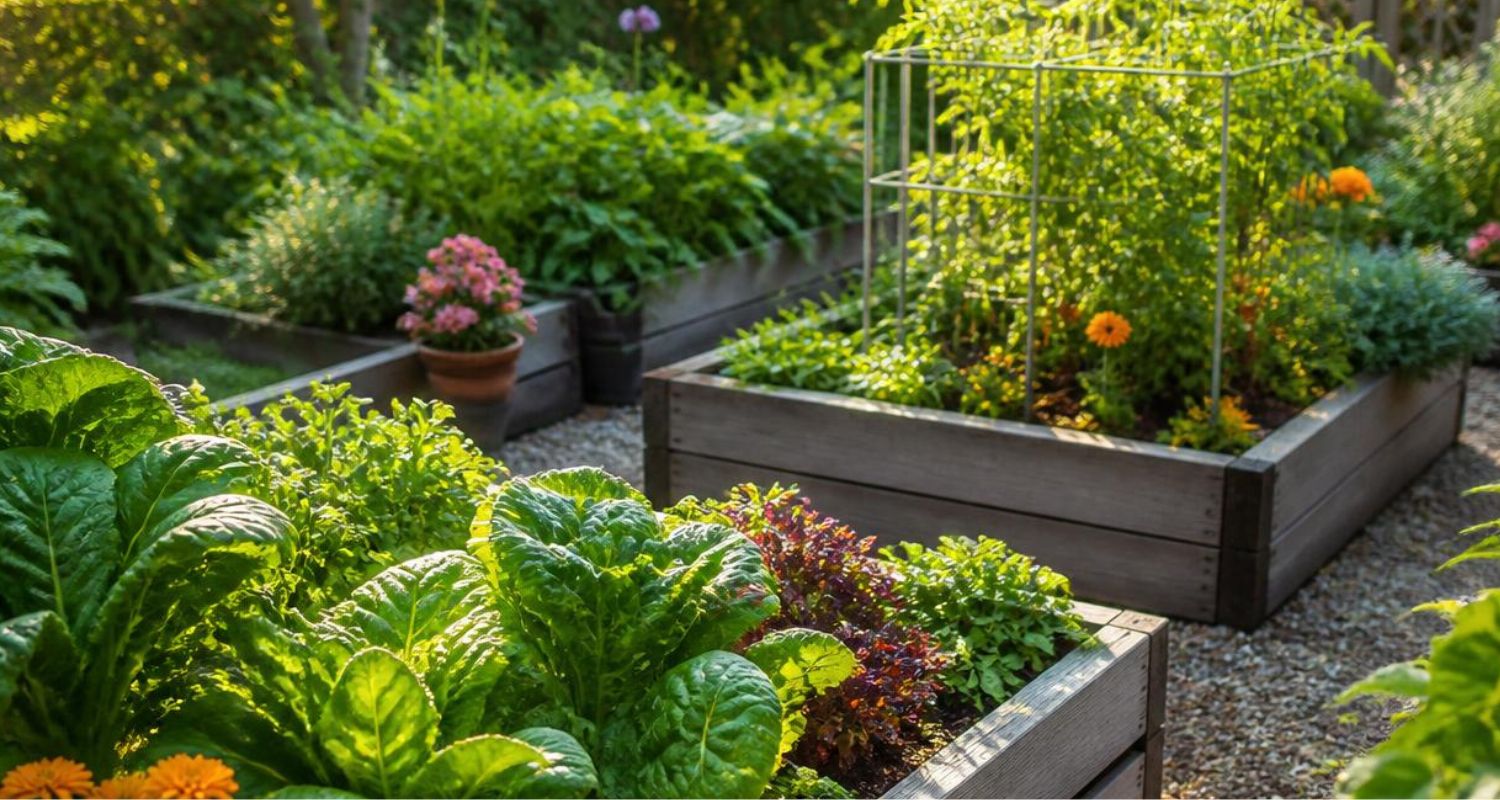
Raised beds keep plants contained and organized. They also improve drainage and make it easier to manage soil quality. You can control plant growth more effectively, which reduces the need for frequent adjustments. This setup works well for both decorative plants and small garden sections.
Keep Plant Variety Limited
It may feel tempting to include many different plants, but a simple layout is easier to maintain. Fewer plant types mean fewer care routines to manage.
Add A Gravel Section
Gravel areas are a practical alternative to grass or dense planting. They require minimal upkeep and can fill larger spaces effectively.
Use Containers For Flexibility
Containers allow you to manage plants without affecting the entire yard. You can move them easily and adjust the layout when needed.
Install Low-Maintenance Light
Simple outdoor lighting can improve visibility and highlight key areas. Solar lights are a popular option because they do not require complex setup. They add value without increasing maintenance.
Focus On Entryway Design
Your entryway is often the focal point of your front yard. Keeping this area clean and well-defined can improve the overall appearance. Use simple elements like plants, stones, or other landscaping products to create a welcoming look.
Use Drought-Tolerant Plants
Plants that need less water can reduce long-term effort. They adapt better to changing conditions and require less attention during dry periods.
Add Borders to Control Growth
Borders help keep plants and materials in place. They prevent spreading and make the layout easier to manage. You can use stone, wood or other durable materials to create clear boundaries.
.jpg)
Keep Open Spaces Balanced
Leaving some areas open can make the yard feel less crowded. It also reduces the number of elements you need to maintain. Balance is important when planning a low-maintenance design.
Use Symmetry for Simplicity
A symmetrical layout creates a sense of order. It is easier to maintain because the design follows a clear pattern. You do not need complex arrangements to achieve a polished look.
Plan for Long-Term Growth
Before adding any feature, think about how it will look over time. Plants grow, and materials settle, so planning ahead helps avoid frequent changes.
Conclusion
Before exploring different ideas, it helps to understand what reduces effort in the long run. A low-maintenance yard depends more on planning than ongoing care. You should focus on:
- Selecting plants that match your climate and soil conditions.
- Using durable landscaping products that do not need frequent replacement.
- Reducing open soil areas where weeds can grow quickly.
- Creating clear zones that are easy to clean and manage.
Once these basics are in place, the rest of the design becomes easier to handle.


.svg)

.jpg)