Moroccan Tile Magic: Style Your Tiny Home with Global Flair

.jpg)
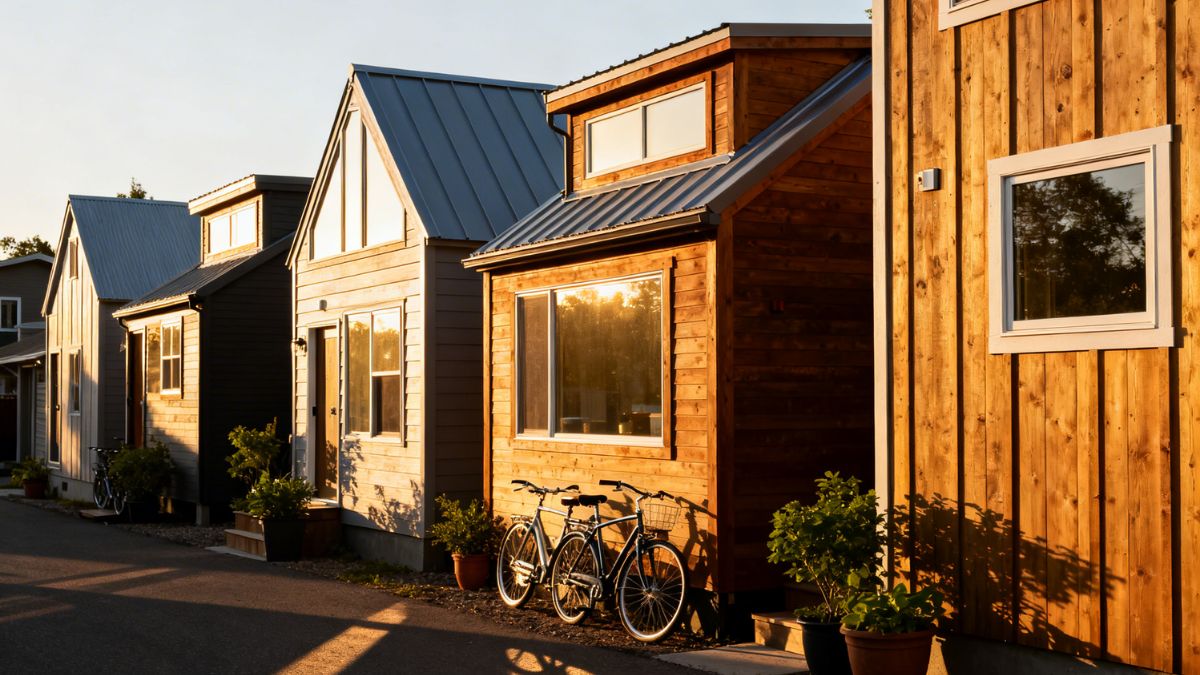
There is something magical about a tiny house—its compact nature allows you to truly express your personal style. But where space is limited, every design choice has to serve a purpose and balance both form and function. Moroccan tile brings all the charm you can imagine. Featuring vibrant colors and patterns, these Moorish-inspired decorative accents encompass everything from Zellige to arabesque to star and cross motifs. Whether used sparingly as a backsplash or boldly as statement flooring, Moroccan-style tiles can transform a simple space into a masterpiece.
Why Moroccan Tile Feels at Home in Small Spaces
In a small home, walls are not just walls. They are visual anchors, the backdrop of daily life, and an opportunity for every inch to reflect your unique taste. Moroccan tile adds a layer of depth and fills the room with so much soul.
From earthy hues of honey beige, ochre, and terracotta to jewel tones like turquoise and cobalt, these tiles command the eye, bringing plenty of visual rhythm to even the tiniest of rooms. Their lustrous glaze has the power to create a sense of spaciousness, as if the room is gently expanding and breathing. Moroccan tile is made from durable ceramic, adding “practical” to its many benefits. Simply put, it is easy to clean, repels moisture and stains, and is resilient enough to bear the chaos of everyday life in a tiny home.
Interior Spaces That Sing with Moroccan Tiles
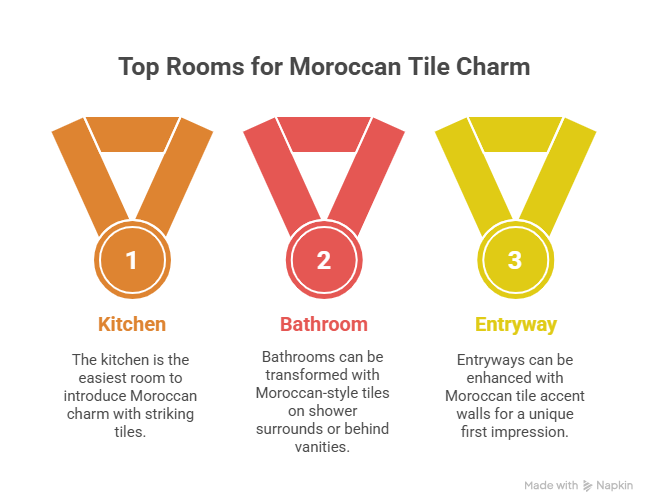
The kitchen is the hub of the home, and it is also the easiest room to introduce Moroccan charm. Picture neutral walls, cabinets, and countertops. Bring striking color or pattern into the scheme of things and see how quickly your space transforms. Whether you decide to keep the rest of the kitchen subdued, that catchy tile is sure to turn the backsplash into a conversation starter.
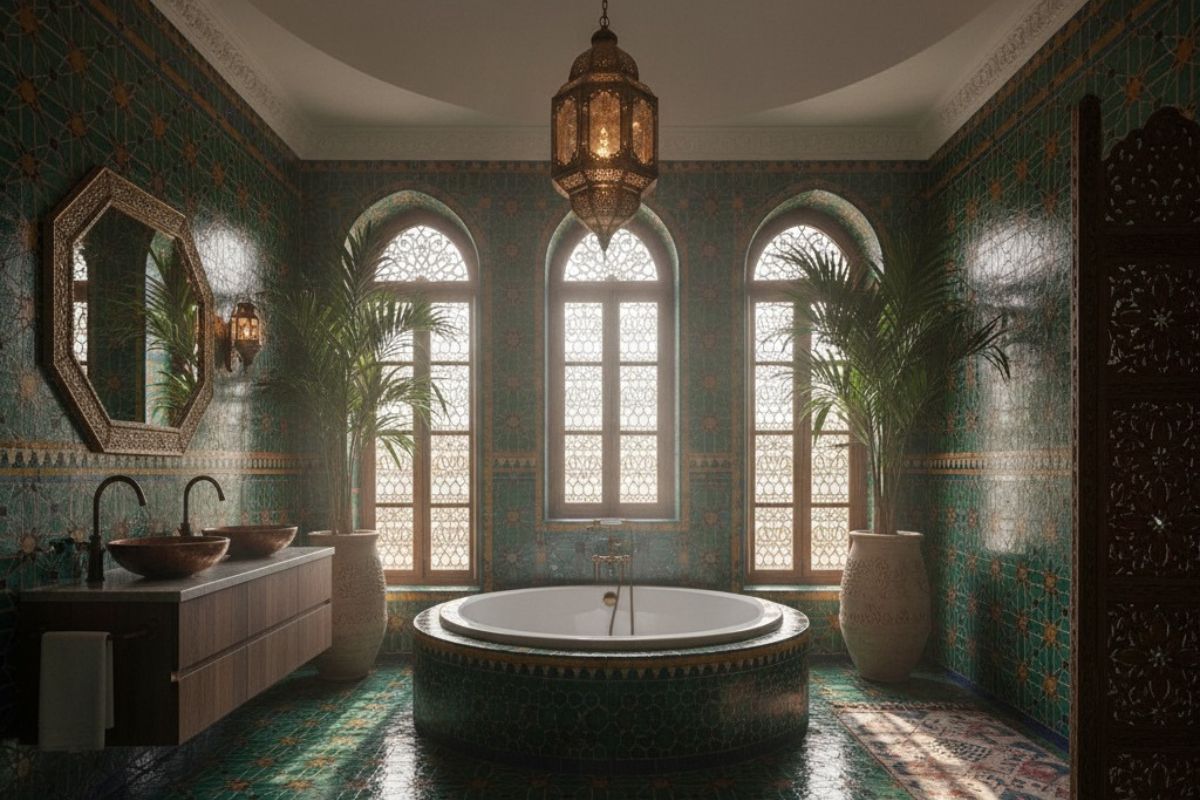
The bathroom is also a good contender for styling with Moroccan-style tiles and creating a lively ambiance. Handmade Zellige on shower surrounds or star and cross tiles behind the vanity—whatever the aesthetic, these tiles are sure to garner attention. The contrast between intricate tiles and the surrounding simplicity makes it feel like you have brought a piece of a faraway place into your morning routine.
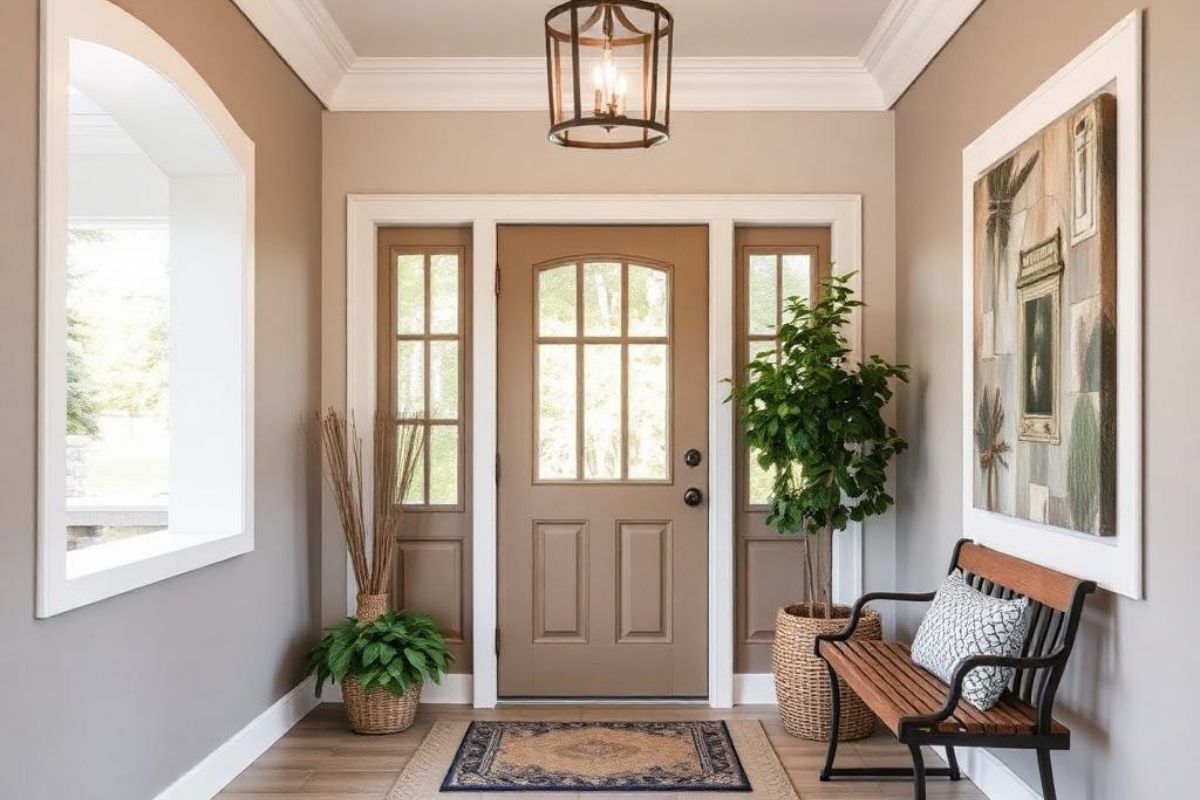
Even a carved-out entryway in an already petite living room can be enhanced with color and pattern. Incorporating tile as an accent wall makes for an interesting first impression and can set the tone for the rest of your home. Guests walk in and are welcomed not by bland walls, but artwork that looks intentional.
Stories Your Home Can Tell with Stunning Tiles
What is so enchanting about Moroccan flair is that it brings in plenty of artisanal character to a home setting. Even in small installations, these wall and floor accents are sufficient to create an enormous visual impact, turning dull surfaces into statement pieces full of allure and definition.
Because Moroccan motifs tend to be bold, it is easy to worry that they will engulf a tiny space. But using tile as an accent can serve to introduce flair without causing visual overwhelm. Even a modest splash of hand-glazed tiles will inject a bright, invigorating appeal to the living room, kitchen, bathroom, or any area you want to spruce up. If you prefer something more subtle, find Moroccan tiles in neutrals of white, beige, taupe, and earthy green, where shape and pattern do most of the talking.
Adding Moroccan-Inspired Flair to a Small Home
It is all about balance when incorporating patterns. Because Moroccan tile tends to be vibrant and expressive, it is at its best paired with quieter decorative elements. Walls painted in neutral, unadorned countertops, or plain cabinetry allow your tilework to take center stage without resulting in visual chaos. In tiny rooms, you can choose to limit the tile to a single surface—behind the kitchen range, an alcove, or a half-tiled tub surround.
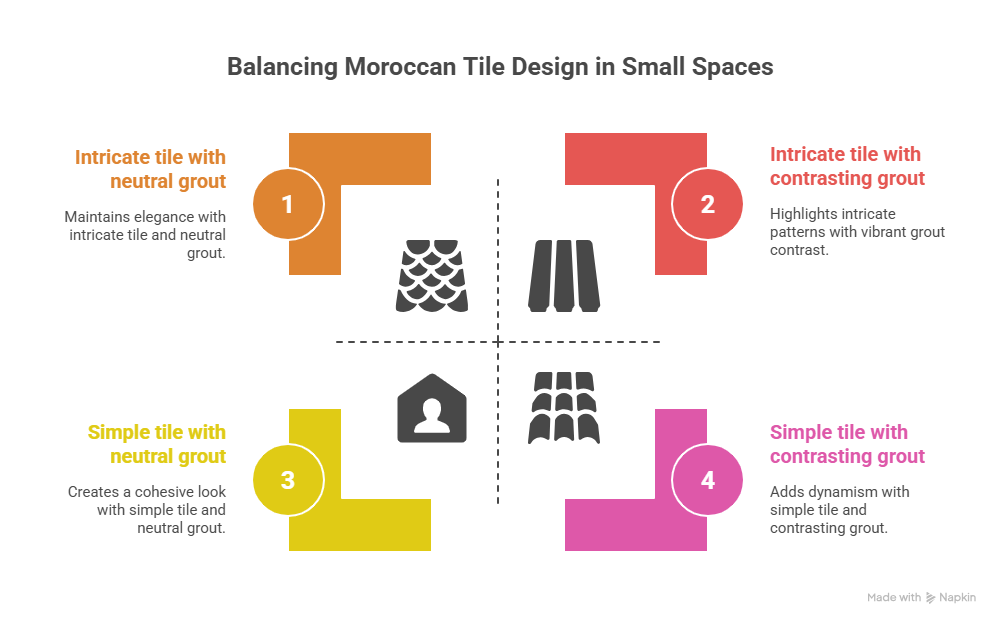
The small details matter, too. Grout color can change the whole feel and look of the installation. A lighter grout color or one that closely matches the tiles keeps things cohesive, while darker or contrasting grout highlights the tile shape and creates a more dynamic finish. If working with an intricate pattern such as an interlocking star and cross design, it is well worth hiring a professional to fit the tiles, especially in a tiny house where small misalignments are more visible.
Inspiration for Different Types of Interior Styles
Moroccan tile can be easily integrated into any interior design theme. Pair these handmade ceramic tiles with natural textures and wooden fittings for a bohemian-style home. Combine with oceanic greens and blues with touches of driftwood for a lovely Mediterranean alfresco dining area on the patio. Design with raw materials and metallic accents for an industrial aesthetic. To add to that, these tiles can work in harmony with other tiling materials such as hardwood, stone, or terrazzo. The possibilities are endless!
Conclusion
Tiny homes thrive on personality, and Moroccan tile is one of the most effective ways to bring that in. Soothing, muted hues have a calming, timeless effect, while bold tones and striking patterns inject energy and playfulness.
Whether you’re creating a vibrant kitchen backsplash, a statement fireplace surround, or a welcoming entryway, the right tilework can turn an ordinary surface into a focal point that tells a unique story. It is not just decoration—it is more about creating spaces full of flair and rich heritage. Moroccan tile, in all its glorious colors, patterns, and textures, is one of the finest tiling styles to accentuate the look and feel of your home.


.svg)
.png)
.jpg)