Moving to a Tiny House in Spain: What You Should Know

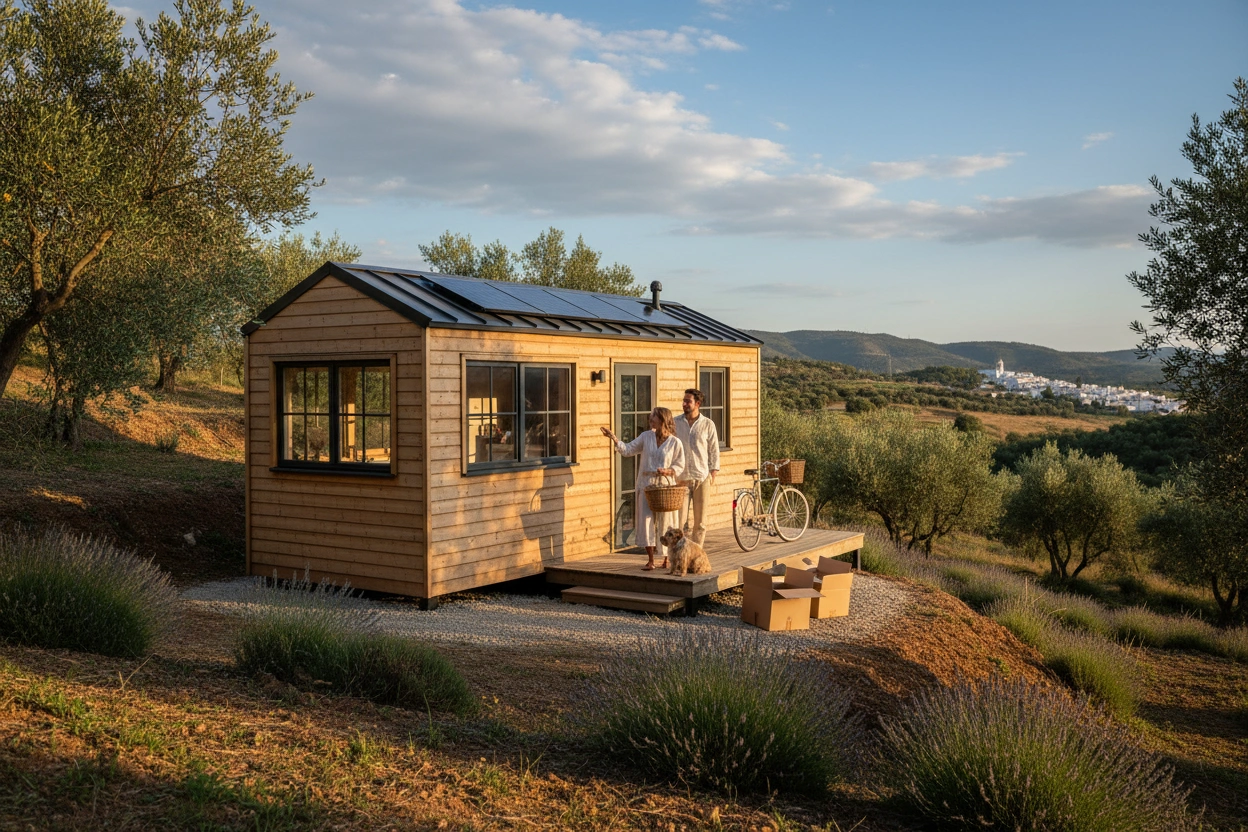
The trend of tiny house living has gained significant momentum in recent years, driven by a desire for minimalism, sustainability, and affordability. For many, the idea of moving to a tiny house in Spain is particularly appealing due to the country's stunning landscapes, rich culture, and relatively low cost of living compared to other European nations. This article will provide an in-depth look at what it takes to make this transition, including the top tiny house communities in Spain and valuable insights into affordable tiny homes.
Understanding the Tiny House Movement
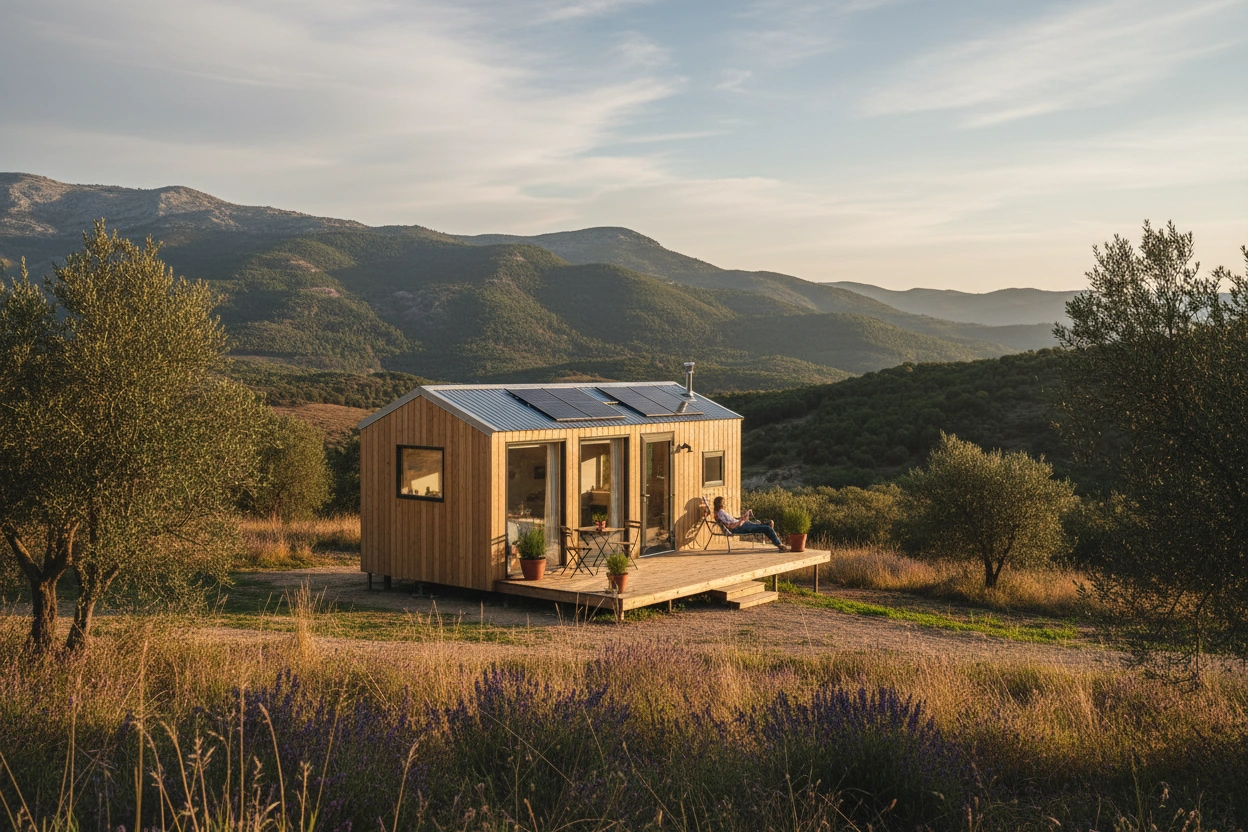
The tiny house movement promotes living simply in small homes, often under 400 square feet. This lifestyle choice is not merely about downsizing; it reflects a shift towards sustainability and financial freedom. Many individuals and families are drawn to tiny houses because they can reduce their carbon footprint, lower their expenses, and simplify their lives.
In Spain, the appeal of tiny homes is heightened by the country's diverse climates and natural beauty. From the beaches of Costa del Sol to the mountains of the Pyrenees, the variety of locations available makes it easier to find a tiny house community that fits your lifestyle. Additionally, as remote work becomes increasingly viable, many people are looking for affordable tiny homes in Spain that allow them to enjoy a balanced work-life environment.
Benefits of Living in a Tiny House in Spain
Affordability: Tiny homes are generally cheaper to purchase and maintain than traditional houses. This financial advantage allows you to allocate resources to travel, experiences, or savings.
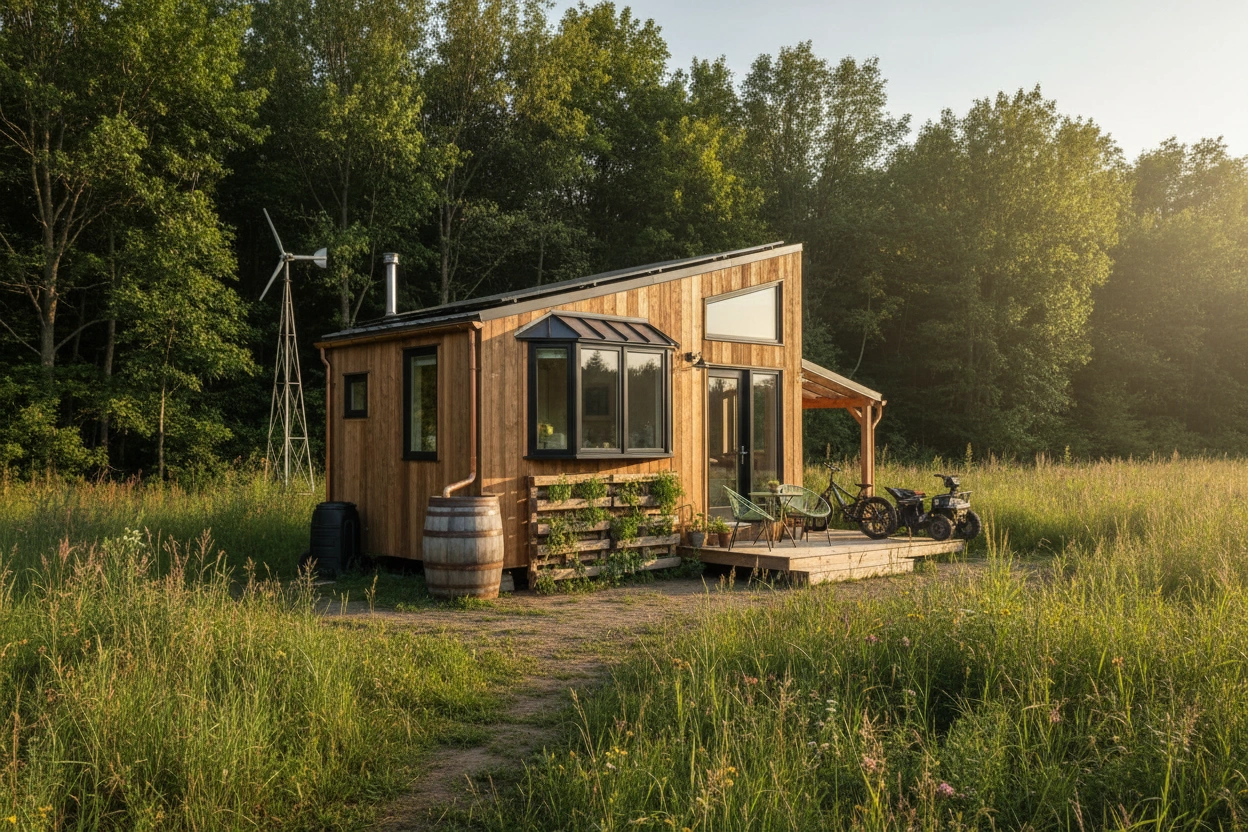
Sustainability: Smaller homes require fewer resources to build and maintain, leading to lower energy consumption and waste production. Many tiny homes in Spain incorporate eco-friendly materials and practices, which appeal to environmentally-conscious buyers.
Flexibility: Tiny homes can often be mobile or located in various types of communities, providing a unique opportunity to live in different environments and explore new areas without the commitment of a traditional home.
Minimalism: Living in a tiny house encourages a decluttered lifestyle. By simplifying your living space, you can focus more on experiences rather than material possessions.
Key Considerations Before Moving to a Tiny House
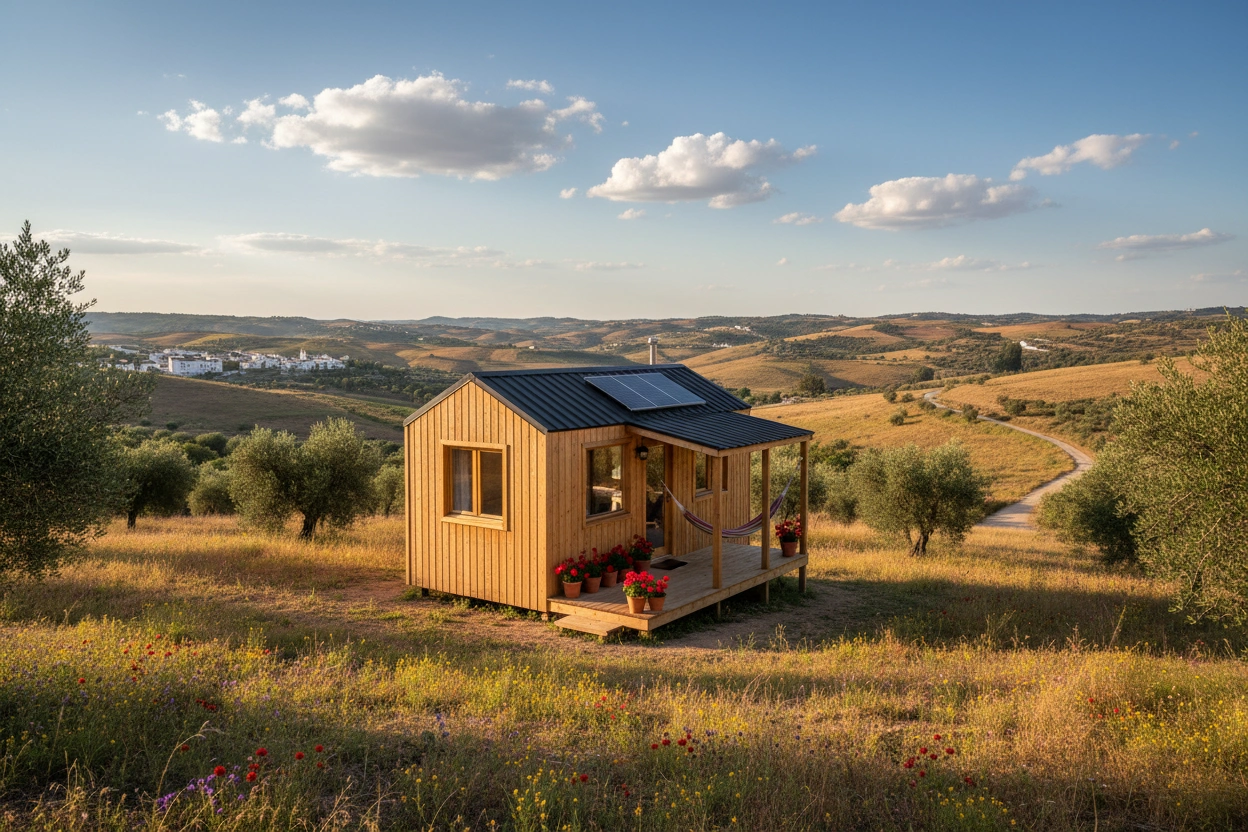
Transitioning to a tiny house requires careful planning and consideration. Here are some essential factors to keep in mind:
Zoning and Regulations
Before purchasing or building a tiny house in Spain, it's vital to understand local zoning laws and regulations. Not all areas permit tiny homes, and restrictions can vary significantly between regions. Researching local laws will help you determine where you can legally place your tiny house and whether you need specific permits.
Location and Community
Choosing the right location is crucial. Spain offers a variety of landscapes, from urban areas to rural settings. Consider what environment best suits your lifestyle. Tiny house communities often provide a sense of belonging, shared resources, and opportunities for social interaction.
Financial Planning
While tiny houses are generally more affordable, it's essential to consider all costs associated with living in one. This includes initial purchase or construction costs, land leasing fees, utilities, maintenance, and insurance. Create a budget that accounts for both upfront and ongoing expenses to ensure financial stability.
Top 10 Tiny House Communities in Spain
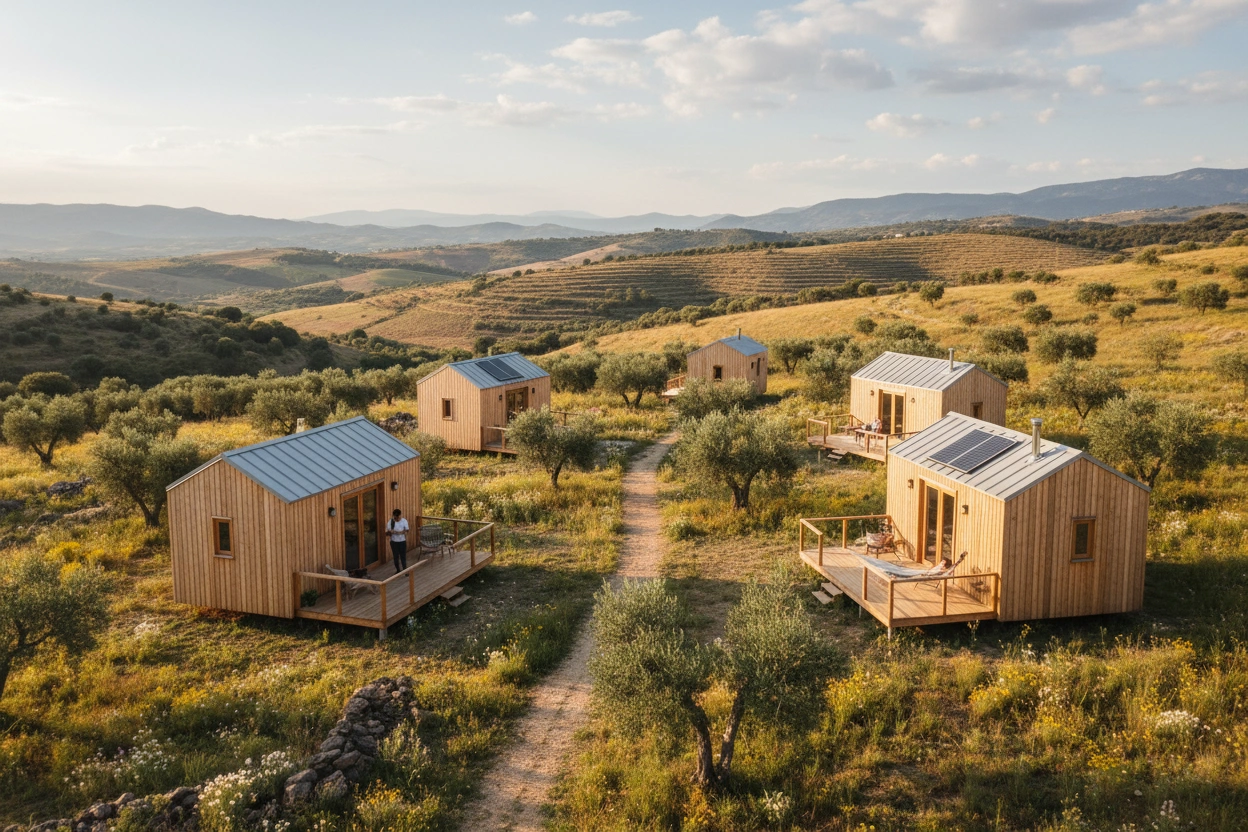
Spain has seen a rise in tiny house communities that cater to those looking for a simpler lifestyle. Here are ten notable options to consider:
Eco Village in La Alpujarra: Nestled in the Sierra Nevada mountains, this community emphasizes sustainability and communal living with stunning views.
Tiny House Village in Valencia: A vibrant community focusing on green living and creative design, offering workshops and events.
Tiny Homes in Catalonia: Located in a region known for its natural beauty, this community provides a peaceful environment near the Pyrenees.
Serra de Tramuntana Tiny Houses: Situated in Mallorca, these tiny homes blend traditional architecture with modern amenities, all while being surrounded by breathtaking landscapes.
Green Village in Andalusia: An eco-friendly community that incorporates permaculture and organic farming, ideal for those who want to live sustainably.
Tiny House Park in Galicia: Offers a serene setting with access to beautiful beaches and forests, perfect for nature lovers.
Tiny House Community in Madrid: A unique urban setting that allows residents to enjoy city life while embracing the tiny living philosophy.
Eco-Friendly Tiny Homes in Murcia: Focused on sustainability, this community promotes eco-conscious living with a supportive atmosphere.
Tiny House Retreat in Asturias: A tranquil escape in northern Spain, surrounded by lush greenery and mountainous terrain.
Tiny Houses in the Canary Islands: Offers a unique island lifestyle with beautiful views, warm weather, and a focus on sustainable living.
Making the Transition to Tiny Living
Transitioning to a tiny house involves several practical steps. Here’s a guide to help you through the process:
1. Research Tiny House Designs
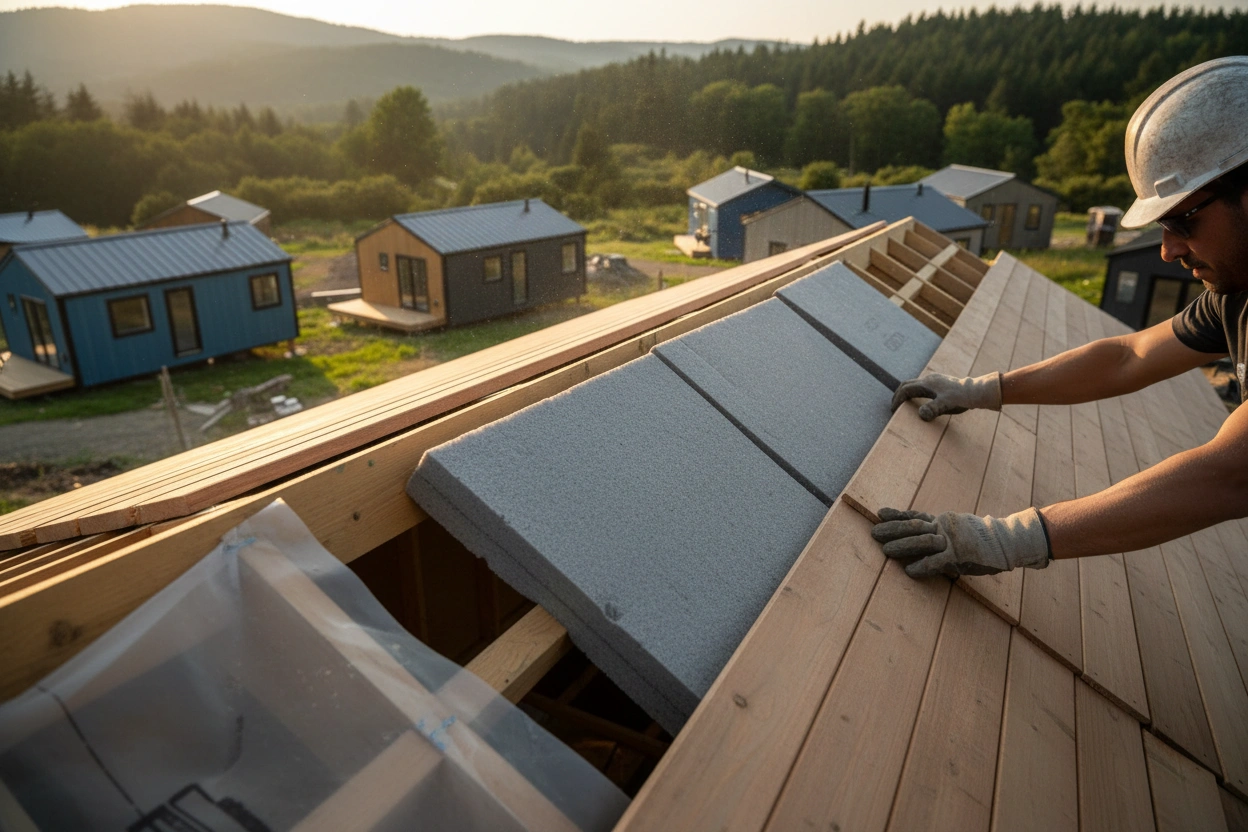
Begin by exploring various tiny house designs that fit your needs. Consider factors like layout, size, and materials. Many tiny homes in Spain are built with local materials, making them more sustainable and easier to maintain.
2. Choose Your Location
Select a location that aligns with your lifestyle preferences. Whether you prefer a rural setting or a more urban environment, ensure that the community you choose supports tiny living.
3. Create a Living Plan
Plan your living space thoughtfully. Identify what essential items you will keep and what can be sold or donated. This process helps you maximize your tiny living experience.
4. Connect with Local Communities
Engaging with local tiny house communities can provide valuable insights and support. Attend meetups, workshops, or online forums to connect with others who share your interests.
5. Build or Buy Your Tiny House
Decide whether to build your tiny house from scratch or purchase a pre-built one. Each option has its advantages and challenges. Building allows for customization, while purchasing can save time.
Common Misconceptions about Tiny Living
Misconception 1: Tiny Homes are Too Small
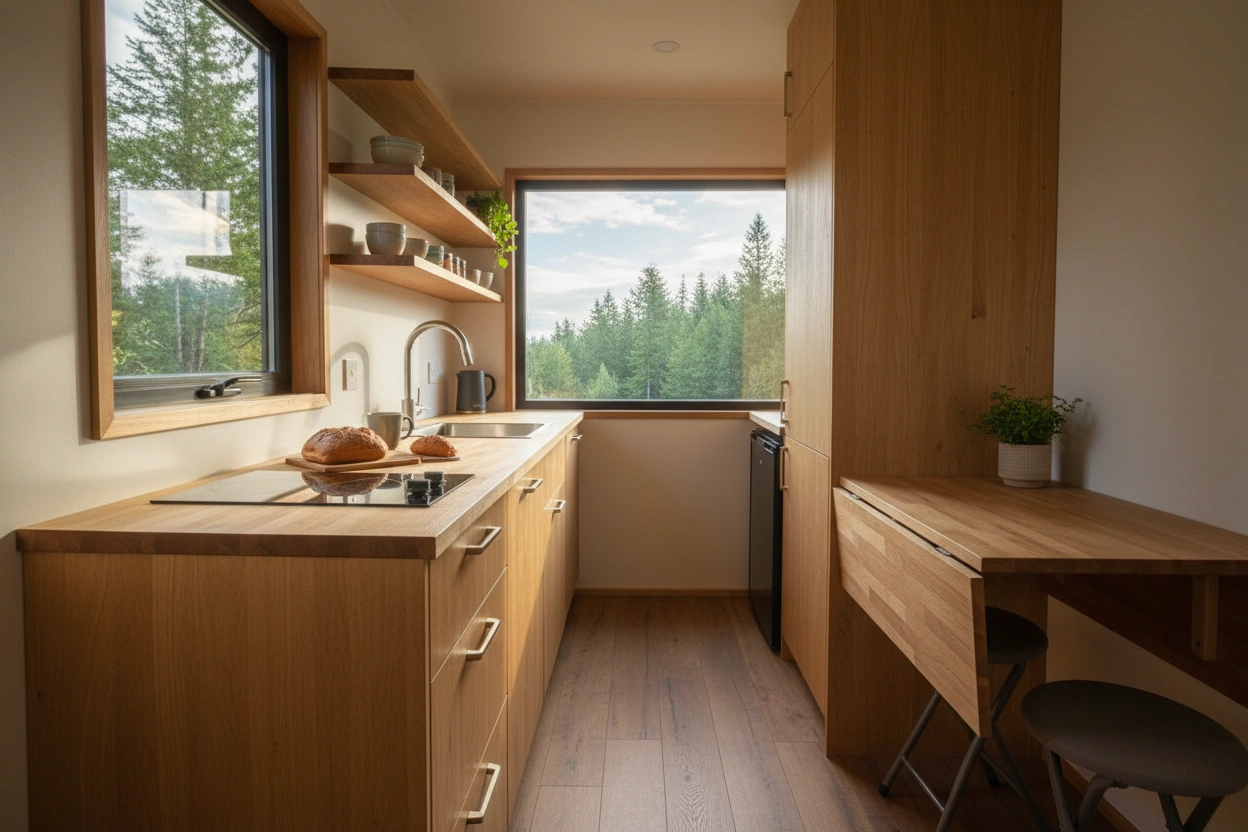
Many people assume that tiny homes lack space. In reality, clever design can make a tiny house feel spacious. Smart storage solutions and multifunctional furniture can optimize every square foot.
Misconception 2: Tiny Living is Only for Minimalists
While minimalism is often associated with tiny living, it's not a requirement. Tiny houses can accommodate personal belongings and hobbies, allowing residents to enjoy their interests without excess.
Misconception 3: Tiny Houses Lack Comfort
Contrary to popular belief, tiny homes can be incredibly comfortable. Many designs prioritize quality over quantity, featuring high-end finishes and energy-efficient appliances.
Conclusion: The Future of Tiny Living in Spain
As the tiny house movement continues to grow, Spain stands out as an attractive destination for those looking to downsize. With its diverse landscapes, welcoming communities, and commitment to sustainability, moving to a tiny house in Spain presents a unique opportunity for a fulfilling lifestyle.
TinyHouse.com is an excellent resource for anyone interested in this lifestyle shift. Whether you are looking for tips on building your tiny home, finding affordable tiny homes in Spain, or connecting with like-minded individuals, TinyHouse.com can provide the guidance and support you need.
For more information and to begin your journey towards tiny living, visit TinyHouse.com.


.svg)