Outgrowing Your Tiny House Airbnb: When Hosts Should Buy a Traditional Rental Next

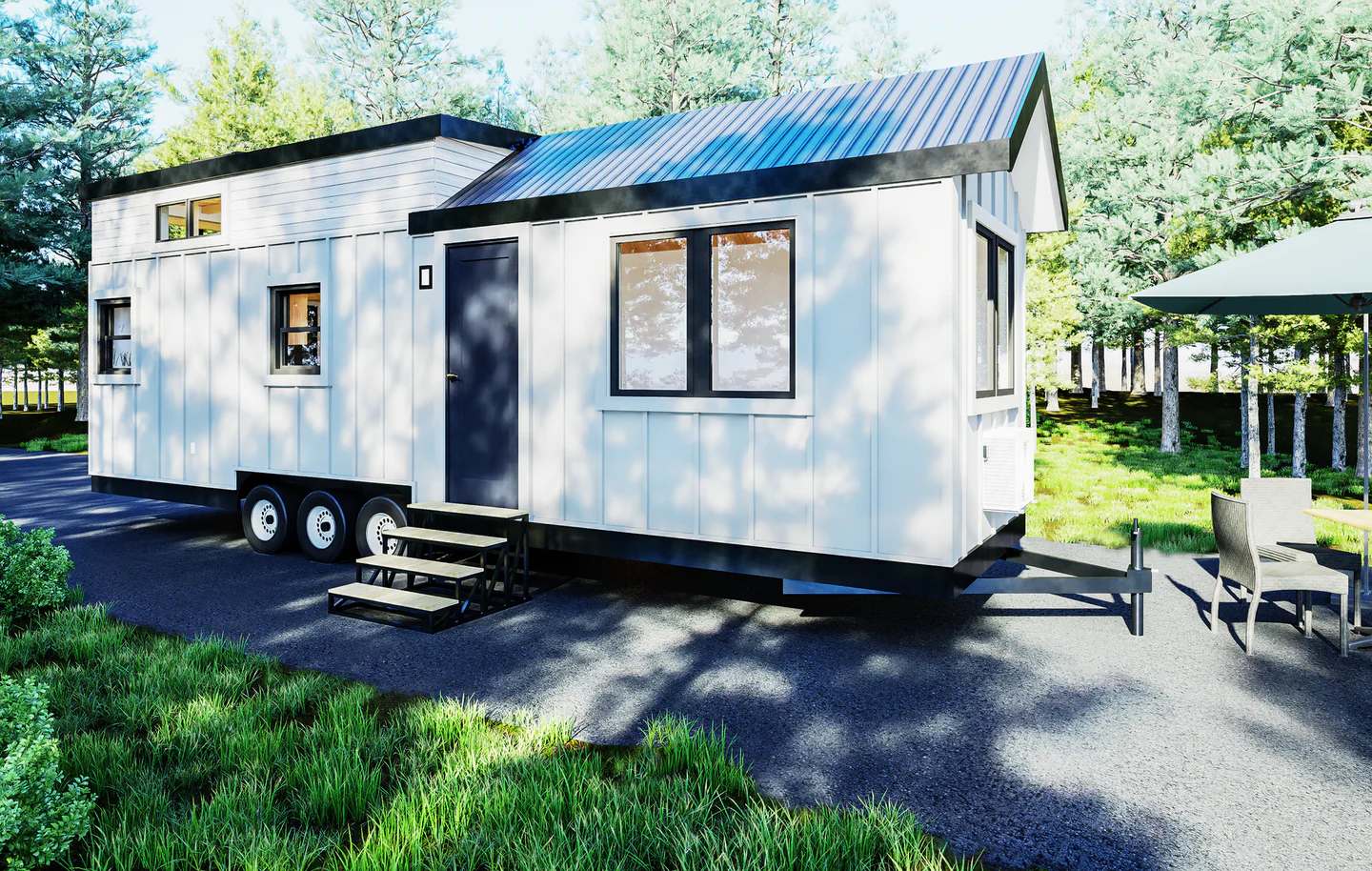
Remember when you first bought your tiny house? It was one of your proudest investments. It was your personal getaway. You went to all the trouble of making it look the part. Then, you realized it could be an Airbnb. Guests were booking it in left, right, and center. Your little place was actually bringing in some extra cash. Sweet deal, wasn't it?
But the savvy investor will tell you that one successful rental shouldn’t be your whole game plan. You've had a taster of property investing with your tiny home. Now, you’re ready for the next level. Could a traditional long term rental be the right next move? Here are the signs that you should go for it.
The House is Booked Solid During Peak Season
Your tiny house has built a reputation as a getaway for travel months. Guests book weeks in advance. The calendar fills up again before you update the listing. That’s kind of an awesome problem to have. But a fully booked Airbnb also means turning away potential guests. Your property has reached its physical limit. You can only accommodate one booking at a time.
This could be your cue to consider a traditional rental. A second property gives you another way to earn income. You could buy a residential home. It could be in an area with steady tenant demand. Long-term tenants give you a more consistent revenue stream than one Airbnb's booking capacity.
Your Income Depends Too Much on Tourists
Your Airbnb gets fantastic income in the summer. Holiday weekends? You’re always booked. Then, tourist traffic slows down. It’s the lean season. Bookings drop. And your monthly revenue dips. As it does every year.
This cycle makes financial planning tricky. Yes, you have a profitable vacation rental. But quiet months affect your overall earnings. Relying on travelers means your business depends heavily on tourism trends.
A traditional rental could balance things out. Long-term tenants pay rent on a monthly schedule. No marketing. No turnovers. Just steady income that comes in every month. This gives you income when fewer tourists visit your city. You collect rent from a tenant while your tiny house waits for its next holiday guest.
You Want a Broader Tenant Market
Your Airbnb probably attracts a particular crowd. Couples book it for romantic weekends. Travelers love its cozy design. City people come for the countryside setting. That's great for your business. You know exactly who to market the place to. But that also means you only appeal to a small percentage of renters.
A traditional rental introduces you to a wider tenant pool. Working professionals who need a convenient apartment. Young families who need a stable, comfortable home. You get more options when searching for tenants. Bank on the strong demand from people who need a place to live year-round.
You're Tired of Managing Guest Turnovers
When you run an Airbnb, you constantly prepare it for new guests. A steady stream of new arrivals is awesome. But it’s also stressful. A guest checks out in the morning. Another expects fresh sheets by the afternoon. And you only have a couple of hours to clean the place. Your weekends might revolve around cleaning schedules. Or answering check-in messages. Sure, you hire help. But coordinating everything takes time.
This is a very good reason to look at a traditional rental. The long term tenant will be there for months. Maybe even years. You won't have to prepare the property on a daily basis. You'll still be doing the maintenance and dealing with the tenant. But the day to day workload is dramatically lower. It also means you avoid some of the hidden costs of managing an Airbnb. Think of the laundry, or the cleaning fees. You’ll have a lot more breathing space.
It’s Reached Its Earning Potential
You've already given your tiny house lots of love. Maybe you upgraded the kitchen. Or added a gorgeous swing on the porch. Your nightly rate is also competitive for the area. Basically, you’ve done everything to set it up for success. Yet your income is leveling off. At some point, even the prettiest Airbnb reaches a limit.
Put your money toward another property. A traditional rental gives you a fresh opportunity to earn income. Choose a home with more space and a different rental market. Over time, you can upgrade it, too. Instead of squeezing more earnings out of one small home, you can grow through a second investment.
You Have Savings for Another Property
Your Airbnb has been doing well. You've covered its expenses. It’s also helped you save money. Perhaps you've built an emergency fund for unexpected repairs. Now, your bank account looks great. Way better than when you first started hosting. That's an exciting position for any investor!
Those savings could help you prepare for another purchase. Use the money toward a down payment. Or maybe some closing costs. A traditional rental lets you put your accumulated profits to work.
Check how much you can comfortably afford. Keep enough cash for vacancies. Just in case. You'll want a financial cushion after closing, too. A second property should strengthen your portfolio. Not stretch your budget to its breaking point.
The Area Has a Strong Long-Term Rental Market
Your Airbnb might be in a popular vacation destination. But the surrounding area could have a bigger opportunity. Look into neighboring areas. Especially if it’s more residential. Maybe a nearby town has new employers moving in. Perhaps a university attracts students and faculty. These trends could point to steady demand for long-term rentals.
Research local rental prices. Read up on typical vacancy periods. Look at the kinds of homes tenants want in the area. You can navigate the rental market wisely by understanding who needs housing. A traditional rental in a growing residential neighborhood attracts tenants year-round. You can cater to people building their everyday lives. That means steadier income.
You've Found a Property That Makes Financial Sense
Sometimes, the right investment shows itself in the numbers. Maybe you've found a property in a neighborhood with strong tenant demand. The asking price looks reasonable. The estimated monthly rent? Super attractive. You run the numbers. It all looks good. You see that the expected rental income could cover the mortgage. Plus other operating costs, too. Now that’s a property worth taking a closer look at!
A deal with high rental income also makes you a good candidate for rental loans for real estate investors. For example, the property can qualify for a debt service coverage ratio (DSCR) loan. This type of financing evaluates whether the property's rental income can cover its debt. Easier financing for a strong new property.
You Want a More Predictable Routine
Your Airbnb calendar keeps you on your toes. A guest messages you about an early check-in. Another needs help with the Wi-Fi late at night. Then, there's the cleaning schedule. You arrange it at every checkout. You enjoy running your business. Still, you kind of want a steadier life.
A traditional rental could suit this next chapter. Long-term tenants mean fewer issues. Less frequent communication, too. Sometimes, you’ll hear from them just a couple of times a year. You'll still need to handle some concerns. But not too often if you’ve set up your property for comfy living. This arrangement can give you more time for work or family.
You Want to Grow Your Investments
The most important reason to look into a new property? Growing your real estate portfolio. Your Airbnb might have been a single investment experiment. Now, you know the ropes of real estate. And you’re ready to show off your prowess with a second property.
A traditional rental exposes you to a different type of rental business. It also lets you build equity over time. Your experience as an Airbnb host gives you useful knowledge to bring into your next purchase. You're ready to think like a growing property investor.
Conclusion
You’ve learned a lot from your tiny house Airbnb. It’s taught you about owning an investment property. Now, you can use that experience for something more stable. Look into neighborhoods with strong long-term rental demand. Compare potential income against ownership costs. Find financing options that fit your goals. A traditional rental will give you another, more relaxed income stream. All while helping you build up your portfolio.