
The Planning Mistakes That Shorten the Lifespan of New Heating Systems

.jpg)
When buying a new heating system, it is a common assumption amongst homeowners that a high-quality furnace installation service or the newest technology will ensure long life. Although equipment quality is undoubtedly important, the fact is that several heating systems do not last long due to a manufacturer's error, but rather it is a lack of planning until the installation is completed.
The most effective method of ensuring your investment is safeguarded is by putting good thought into planning before installing a new heating system. Homeowners have a chance to remarkably extend the lifespan of the selected system, properly estimating its size, considering the airflow and infrastructure, and anticipating the long-term maintenance to spend many years with a reliable and efficient heating system.
Planning decisions that are either ignored or hurried may greatly lead to loss of system life, efficiency, and reliability. By knowing these heating system planning mistakes, homeowners would be able to save their investment and prevent expensive problems in the future.
Why Planning Matters More Than the Equipment Itself
In a heating system, there is no operation in a vacuum. It depends on the design of the house, the air flow mechanism, the power supply, and the use patterns to work appropriately. Even the finest equipment may not work or may not work well when it is fitted in an ill-planned setup.
Effective planning ensures:
- Even temperature circulation in the house.
- Less load on the components of a system.
- Stability in conditions of different performance.
If systems are not properly planned, these heating system planning mistakes tend to repeat themselves, overload vital parts, and break down prematurely.
Choosing the Wrong System Type for the Property
A furnace, a heat pump, a boiler, or a hybrid can all be a fantastic choice, but they have to be complemented properly in accordance with the climate, insulation, and design of the home.
Selecting an inappropriate system may result in:
- Poor performance during certain weather.
- Higher energy costs
- A decreased level of comfort in certain home regions.
The right HVAC system planning will consider the utilization of the home, the climate requirements in the area, and long-term heating objectives, and then make a decision on the type of systems to be used.
Improper System Sizing and Load Calculations
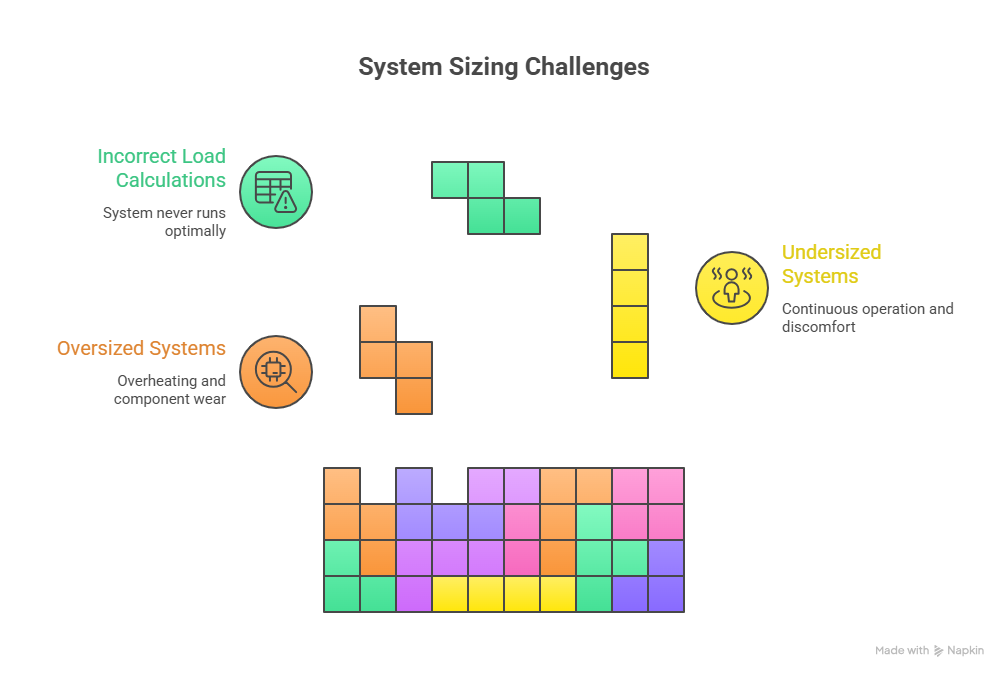
Systems with high oversizing tend to overheat too fast, resulting in constant on and off cycling, which contributes to a component wearing out. Smaller systems are continuously operating, and this results in overheating, excessive wear, and a lack of comfort.
A correct calculation of loads takes into account:
- The area and height of the ceiling.
- The level of insulation and the location of windows.
- Air leakage and building orientation.
Lack of this step or haste leads to a system that is never run under optimum conditions, and its effective life is reduced.
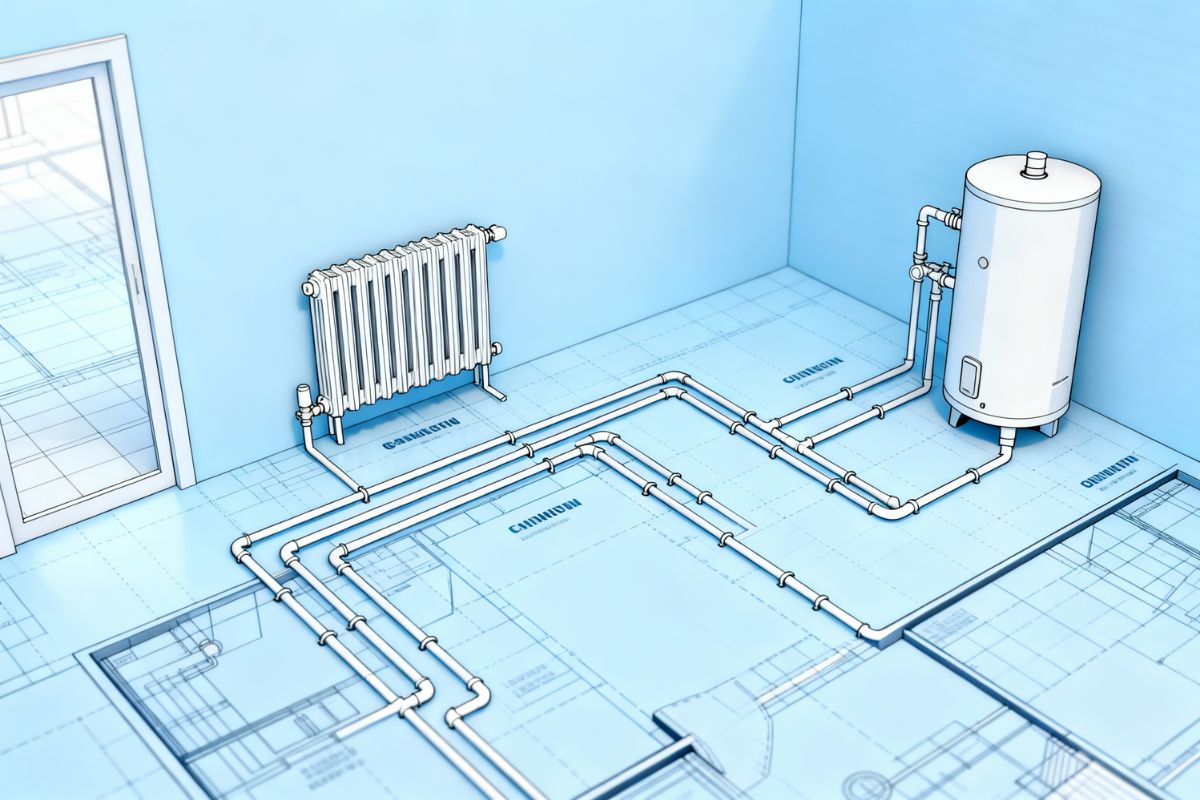
Neglecting Ductwork and Distribution Planning
Replacing the existing ducts without reviewing the new heating system will compromise the performance at the onset. Leaky duct systems, undersized or poorly designed, cause heaters to be overworked.
Typical duct-related planning problems are:
- Leaks in the air minimize the heat supplied.
- Ineffective interroom ventilation.
- Poor return air routes.
The solution to ductwork is to tackle the situation during the design so as to ensure a system of heating that is efficient and has less mechanical strain in the long run.
Overlooking Installation Environment and Physical Placement
Small areas, lack of ventilation, exposure to water, or inaccessible services can all interfere with performance and long-term existence.
Poor placement can result in:
- Limited air circulation around equipment.
- More enhanced corrosion or dampness destruction.
- Problems with doing regular maintenance.
Proper planning of sufficient clearance, adequate drainage, and a fixed surface on which to place the system components helps in the protection of the system components, as well as makes the maintenance of the systems easier in the long run.
Skipping Long-Term Maintenance Planning Before Installation
The average lifespan of an HVAC system is between 15 and 20 years, so it is important to plan. Systems that are installed without consideration of the accessibility of filters, service clearances, and maintenance schedules are more difficult to maintain appropriately.
A good maintenance plan will entail:
- Filter and key components are easy to retrieve.
- Introduction of clear service panels to be inspected.
- A maintenance program on the first day.
When planning the system, the involvement of professionals such as Chill Heating and Cooling would be important to make sure that the system is built in a way that it can be sustained in the long run.
Ignoring Electrical, Gas, and Control System Compatibility
.png)
The new equipment should be compatible with electrical capacity, gas supply, venting, and control systems. The inability to evaluate these factors may result in constant problems in its operations and a reduced heating system lifespan.
The following are the possible compatibility issues:
- Electrical circuits are incapable of handling system load.
- An old thermostat or a control that is wired with low voltage.
Components will be subjected to unwarranted strain when the system is pushed to operate under conditions that are not compatible, leading to low reliability and lifetime.
How Better Planning Extends System Lifespan and Protects Your Investment
Systems run nearer to specifications when distribution, placement, and maintenance issues are taken into account at the beginning of the design.
The advantages of appropriate planning are:
- Longer heating system lifespan
- Reduction in repair and operating expenses.
- More consistent comfort
- Better energy efficiency
Instead of responding to problems once they have been installed, planning them prevents a lot of these problems.


.svg)


.jpg)