Pros and Cons of Popular Tiny House Roofing Materials

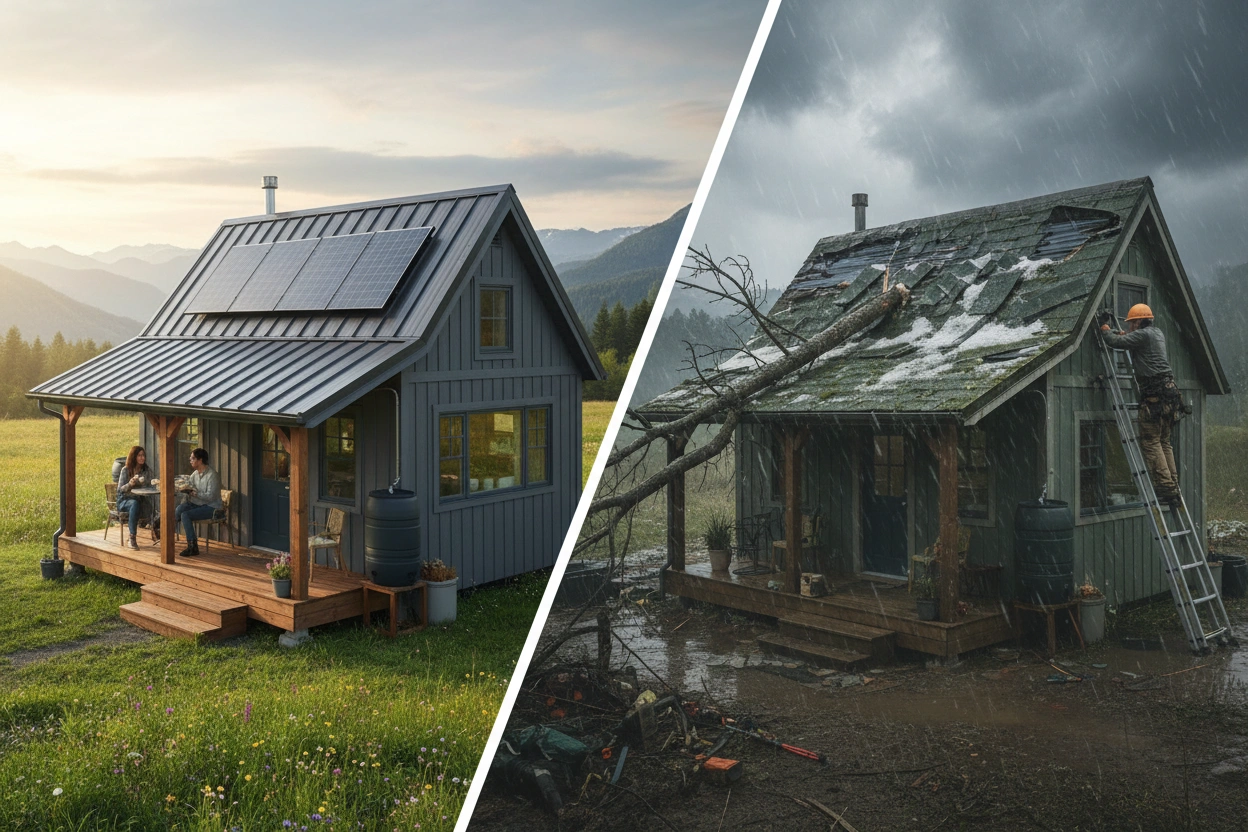
The tiny house movement has gained significant traction in recent years, attracting individuals and couples seeking a minimalist lifestyle, affordability, and flexibility. One of the critical decisions in constructing or renovating a tiny home is the choice of roofing materials. Tiny house roofing not only impacts the overall aesthetics but also influences energy efficiency, durability, and maintenance needs. This article will examine various roofing materials commonly used in tiny houses, discussing their pros and cons to help you make an informed decision.
Understanding Tiny House Roofing

Before diving into specific materials, it’s essential to understand what makes tiny house roofing unique. The compact nature of tiny homes means that roofing must be lightweight yet robust enough to withstand environmental factors. Additionally, the roof design often plays a crucial role in the overall energy efficiency of the home, as it affects ventilation and insulation.
Key Considerations for Tiny House Roofing
- Weight: A lightweight roofing material is crucial for tiny houses to avoid overloading the structure.
- Durability: Tiny houses often face various weather conditions, so the roofing material must be resilient.
- Cost: Budget constraints are common among tiny house owners, making the cost of materials a significant factor.
- Insulation and Energy Efficiency: The right roofing material can enhance insulation, reducing heating and cooling costs.
Top Roofing Materials for Tiny Houses: Pros and Cons

When it comes to selecting the best roofing materials for tiny houses, several options stand out. Each material has its strengths and weaknesses, which can influence your decision based on your specific needs and preferences.
1. Metal Roofing
Metal roofing has become increasingly popular among tiny house builders due to its durability and aesthetic appeal.
Pros
- Longevity: Metal roofs can last 40-70 years, significantly outpacing other materials.
- Weather Resistance: They are highly resistant to extreme weather conditions, including heavy rain, snow, and high winds.
- Energy Efficiency: Metal reflects sunlight, which can help keep the interior cooler during hot weather.
Cons
- Cost: While metal roofing is durable, it can be more expensive upfront compared to other materials.
- Noise: Rain or hail can create noise, which may be a consideration for some tiny house dwellers.
- Installation: Professional installation is recommended, which can add to overall costs.
2. Asphalt Shingles
Asphalt shingles are a traditional roofing choice that offers affordability and ease of installation.
Pros
- Cost-Effective: Asphalt shingles are one of the most affordable roofing options available.
- Variety: They come in various colors and styles, allowing for customization to match your tiny house's aesthetic.
- Ease of Repair: Damaged shingles can be replaced easily without needing to replace the entire roof.
Cons
- Lifespan: Typically, asphalt shingles have a shorter lifespan of about 15-30 years.
- Environmental Impact: They are less eco-friendly compared to other materials, as they are petroleum-based.
- Heat Absorption: Asphalt can absorb heat, which may lead to higher cooling costs in warmer climates.
3. Wood Shakes
Wood shakes provide a natural look that many tiny house owners find appealing.
Pros
- Aesthetic Appeal: Wood shakes offer a rustic and charming appearance that complements many designs.
- Insulation: Wood has natural insulating properties, helping to maintain temperature.
- Sustainability: If sourced responsibly, wood can be an environmentally friendly option.
Cons
- Maintenance: Wood requires regular maintenance, including treatments to prevent rot and insect damage.
- Fire Risk: Wood shakes are more susceptible to fire than other materials unless treated with fire-retardant chemicals.
- Cost Variability: The price can vary significantly based on the type of wood used.
4. Rubber Roofing
Rubber roofing, often made from recycled materials, is an eco-friendly option that is gaining popularity.
Pros
- Durability: Rubber roofs can last up to 50 years with proper care.
- Water Resistance: They are highly resistant to leaks and water damage.
- Environmentally Friendly: Many rubber roofing products are made from recycled materials, making them a sustainable choice.
Cons
- Cost: Initial installation costs can be high, although they may pay off in longevity.
- Installation Complexity: Proper installation requires skilled labor to avoid issues.
- Temperature Sensitivity: Rubber can be affected by extreme temperatures, leading to potential expansion and contraction issues.
5. Thatch Roofing
Thatch roofing, made from dried vegetation, is often used in eco-friendly tiny homes.
Pros
- Sustainability: Thatch is a natural material and can be sourced sustainably.
- Insulation: It offers excellent insulation properties, keeping homes warm in winter and cool in summer.
- Aesthetic Charm: Thatch provides a unique, rustic appearance that appeals to many.
Cons
- Maintenance: Thatch requires regular upkeep to ensure it remains in good condition and free from pests.
- Lifespan: It typically has a shorter lifespan, often needing replacement every 15-25 years.
- Fire Risk: Like wood shakes, thatch can be more susceptible to fire unless treated.
Common Mistakes in Choosing Tiny House Roofing

When selecting roofing materials for your tiny house, avoiding common pitfalls can save time, money, and effort.
Misconceptions About Roofing Materials
- All Roofing Materials Are Equal: Many believe that all roofing materials perform similarly, but the differences in durability, cost, and maintenance can be significant.
- Ignoring Local Climate: Choosing a material without considering the local climate can lead to premature failure. For example, metal roofing may be ideal in areas with heavy snowfall, while rubber roofing might be better suited for wetter climates.
- Overlooking Installation Needs: Some materials require professional installation, which can add to costs. Always consider the complexity of installation when choosing materials.
Tips for Selecting the Right Roofing Material
- Assess your budget and long-term maintenance costs.
- Consider your local climate and weather patterns.
- Think about the aesthetic you want for your tiny home.
- Evaluate the energy efficiency of each roofing option.
- Research local regulations and building codes, as they may dictate specific roofing materials.
The Importance of Proper Installation
No matter which roofing material you choose, proper installation is paramount. An improperly installed roof can lead to leaks, structural damage, and increased energy costs. Always consult with professionals who have experience in tiny house construction to ensure that your roofing is installed correctly.
Conclusion: Making Informed Choices for Tiny House Roofing
Selecting the right roofing material for your tiny house is essential for ensuring durability, energy efficiency, and aesthetic appeal. Understanding the pros and cons of various materials such as metal, asphalt shingles, wood shakes, rubber, and thatch can help you make a decision that aligns with your lifestyle and budget.
TinyHouse.com is here to provide you with more insights and resources as you embark on your tiny house journey. Whether you are looking for tips on building, buying, or maintaining your tiny home, our platform offers valuable information tailored to your needs.
For more expert advice on tiny house roofing and other related topics, contact TinyHouse.com today!


.svg)