
Selling a Small or Unconventional Home As-Is: A Practical Guide

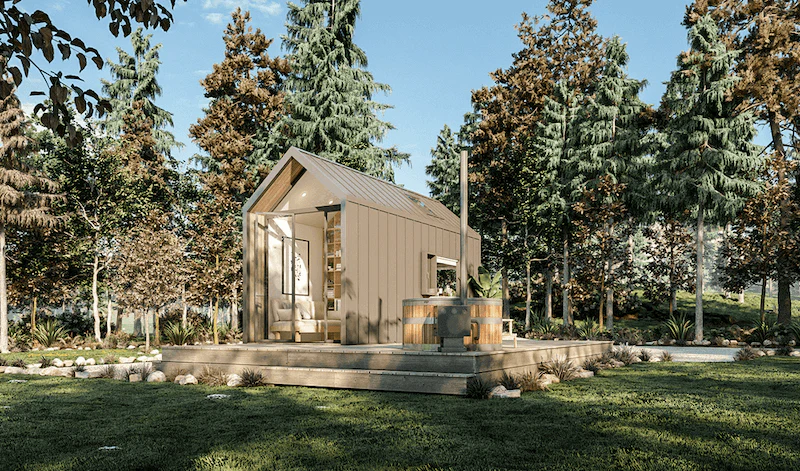
Selling a small or unconventional home is rarely as straightforward as selling a standard three-bedroom ranch. The obstacle is usually not the house. It is that the entire residential sale infrastructure — lending, appraisal, agent compensation — is calibrated for conventional properties, and a home that falls outside those parameters runs into friction at every step.
If you own a small home, a converted structure, an unusually laid out property, or a house on a non-standard foundation, you have probably already encountered some of this. Understanding why it happens makes the decision about how to sell considerably clearer.
Why Small and Unconventional Homes Are Harder to Sell
Four distinct problems compound, and they are worth separating because they have different solutions.
The appraisal problem. Appraisers value property using comparable sales. An unconventional home by definition lacks close comps. When an appraiser cannot find three similar recent sales nearby, they widen the search and adjust — and adjustments on a genuinely unusual property are closer to estimates than measurements. The result is frequently a valuation well below what the home is worth to someone who actually wants it.
The lending problem. This is the most underappreciated one. Many lenders will not write a conventional mortgage below a minimum loan amount, commonly somewhere in the $50,000 to $75,000 range, because the origination economics don't work. Homes under roughly 400 square feet often fail to meet minimum property standards for conventional financing. Structures on non-permanent foundations, tiny homes on wheels, park models, and some converted buildings are classified as chattel or personal property rather than real estate, which puts them outside mortgage lending entirely and into a much more expensive financing category.
Each of these constraints removes buyers. A home that only a cash purchaser can buy has already lost the large majority of the market before it is listed.
The agent incentive problem. Commission is a percentage of sale price. A $95,000 small home generates a fraction of the compensation of a $400,000 house while requiring the same — often more — work to market and close. Small properties frequently receive proportionally less marketing effort as a direct result.
The audience problem. Unconventional homes appeal to a genuinely enthusiastic but small buyer pool. Those buyers exist and will often pay well. Finding them takes market time, and market time costs money.
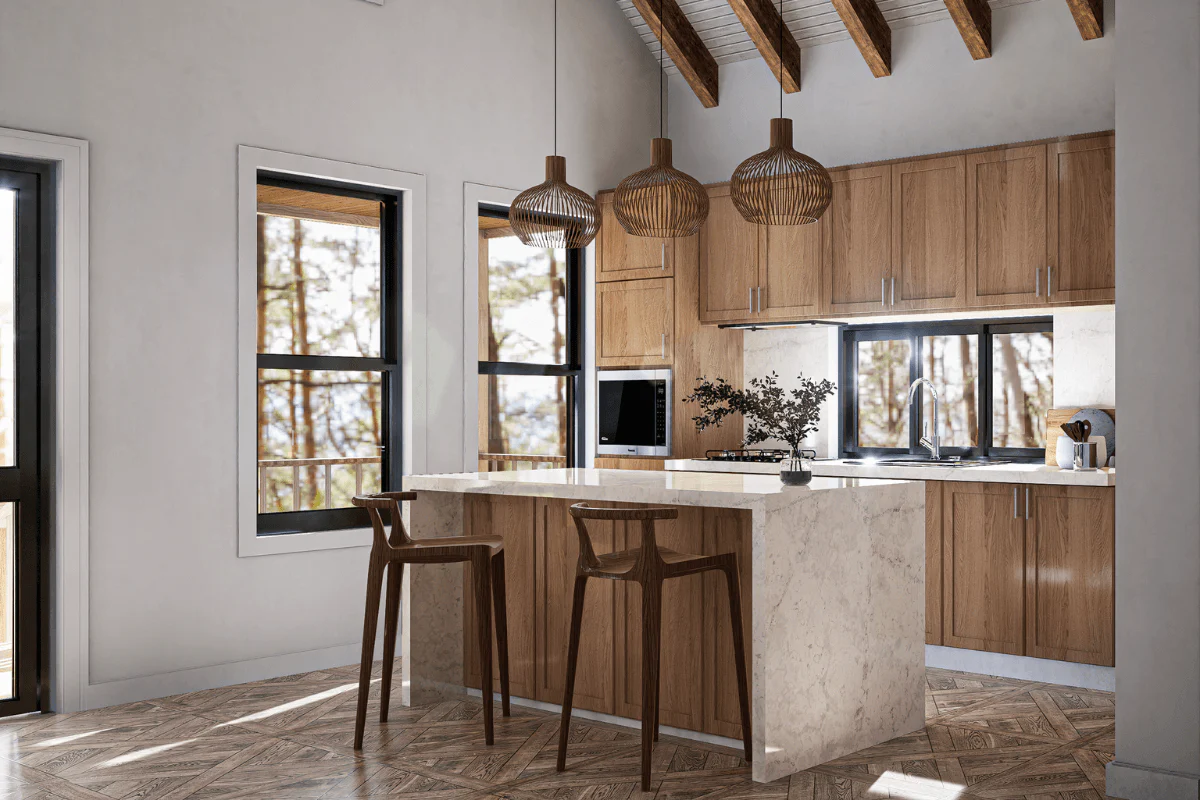
What "As-Is" Actually Means
Selling a house as is means transferring it in current condition, with no repairs or upgrades before closing. The buyer accepts the property with its existing features and any issues the seller discloses.
One point that gets confused often: as-is does not eliminate disclosure obligations. You are still legally required to disclose known material defects in nearly every state. What disappears is the obligation to fix anything, and the repair renegotiation that typically follows an inspection.
For an unconventional property, that second point matters more than it does for a standard house. Inspections on unusual homes routinely surface items that are entirely normal for the structure but read as defects to an inspector working from a conventional checklist. Selling as-is removes that argument from the process.
The Real Comparison
Most sellers compare a cash offer against what their home might bring on the open market, fully prepared. For unconventional properties, that comparison is usually wrong, because it assumes a sale that may take a long time to materialize.
The accurate comparison runs net against net, over the same period:
Listing path: realistic sale price, minus agent commission, minus pre-listing repairs and cleanup, minus inspection-driven credits, minus concessions to a buyer navigating financing difficulty, minus mortgage, taxes, insurance, and utilities for the entire time on market.
Direct sale path: offer amount, with no commissions, no repairs, no credits, no staging, and carrying costs that stop on a date you choose.
On a small home, commission alone can be a substantial share of proceeds, and the extended market time these properties typically require adds months of holding costs. Run both numbers before assuming the listing wins.
Selling Directly to a Cash Buyer
Direct cash buyers purchase homes in current condition, using their own funds, without lender involvement. Because no mortgage is required, the financing constraints that shrink the buyer pool for small and unconventional homes simply do not apply.
HomeWise operates this way. The company buys with their own capital and handles the closing directly rather than assigning the contract to another investor, which means the price agreed at the start is the price that funds at closing. It has purchased more than 500 homes across 40+ states.
The process is short. You provide the address, condition, and your timeline. The company reviews recent comparable sales alongside the work the property needs, then presents an all-cash offer — often within about an hour, with no walkthrough required before that initial number.
What makes the model workable for unusual properties is that the offer is explained rather than asserted. It starts from estimated after-repair value based on nearby sales, then subtracts repairs, holding costs, and the closing costs the company covers, plus a margin for the work and risk. Sellers see the comparable sales and the cost assumptions. That transparency matters more on an unconventional home than a standard one, because it lets you correct a buyer who has misjudged your property — and it lets you tell the difference between a considered offer and a lowball.
Closing runs through a licensed title company on a date the seller selects, from as few as seven days out to considerably later. Whatever you leave behind is cleared out after the sale. There are no commissions, listing fees, or service fees.
The company will also tell you when a traditional listing would net more. For a well-located small home in a market with active cash buyers, that is sometimes the honest answer.
The One Thing to Check Before Signing
The as-is cash market contains two businesses that market themselves identically.
A direct buyer purchases with their own capital and closes. A wholesaler signs a contract with you and then markets that contract to actual investors, collecting the spread. The wholesaler never intends to own your house.
For unconventional properties, wholesaling carries elevated risk. The pool of investors interested in a tiny home, a converted structure, or an unusual small property is thin. A wholesaler who cannot place your contract will come back to renegotiate or simply walk — and you will have lost weeks discovering it.
Three checks: ask whether the company is the end buyer, request proof of funds, and read the purchase agreement for a clause permitting assignment of the contract. That clause is the tell.
.webp)
Who This Route Suits
Owners of genuinely small homes. Properties below conventional lending minimums face a structurally limited buyer pool regardless of condition or presentation.
Owners of unconventional structures. Converted buildings, non-standard foundations, unusual layouts, and owner-built homes all create appraisal and financing complications that a cash purchase bypasses entirely.
Families managing inherited property. Inherited homes are frequently older, often contain decades of accumulated belongings, and typically involve multiple heirs coordinating remotely. A sale that requires no cleanout and no repairs removes most of the friction.
Landlords exiting rentals. A tenant-occupied property with normal wear shows poorly and is disruptive to market conventionally. Direct buyers routinely purchase with tenants in place.
Anyone on a fixed timeline. Relocation, divorce, and foreclosure deadlines don't accommodate an extended listing period. Certainty of closing is worth real money in these situations.
Owners of vacant property. Vacancy accrues cost and risk simultaneously — utilities, taxes, insurance, plus exposure to pipes, pests, moisture, and security problems. Insurers often charge more for vacant coverage or restrict it outright.
When You Should List Instead
An as-is cash sale is not the right answer for everyone, and it's worth being clear about when it isn't.
If your small home is in good condition, sits in a desirable location, and falls above conventional lending minimums, a traditional listing will likely net more. If you have time and no financial pressure, market exposure is genuinely valuable for finding the enthusiast buyer who will pay a premium for exactly your property. If your home has architectural or design merit that photographs well, the right listing agent can reach an audience a direct buyer will not price for.
The direct sale makes sense when the buyer pool is structurally constrained, when time is limited, or when preparing the property would cost more than it returns.
Getting a Fair Offer
A few steps materially improve what you're offered, whichever route you choose.
Get more than one offer. Cash buyers evaluate unusual properties very differently, and the spread on an unconventional home can be wide.
Ask each buyer to show their comparable sales and repair assumptions. On an atypical property, buyers frequently overestimate the work required. That estimate is a discussable input, not a fixed fact.
Document improvements. Roof, systems, foundation work, permits, and upgrades all reduce a buyer's risk assumption. Receipts and dates should move the number.
Be skeptical of the highest offer. A number well above every other bid, from a company that later reduces it after "further review," is the most common pattern in this industry.
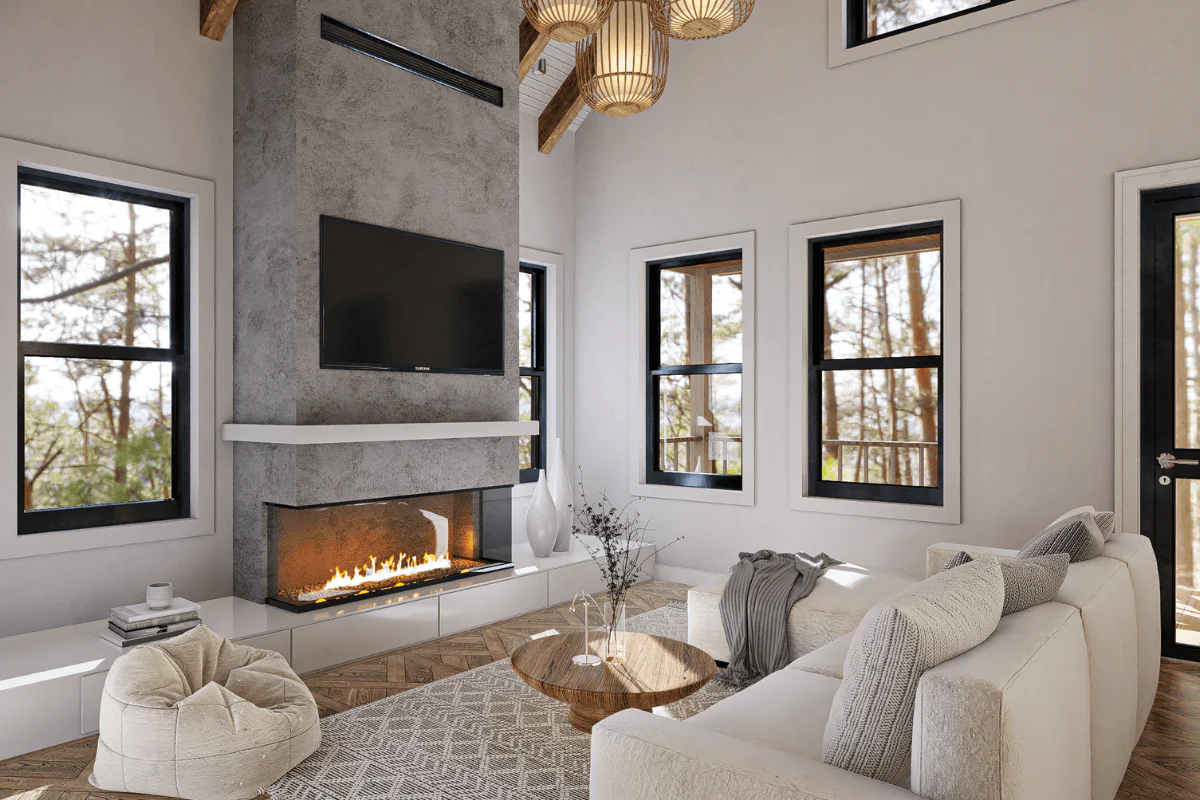
Final Thoughts
Small and unconventional homes are not harder to sell because there is something wrong with them. They are harder to sell because the machinery of conventional real estate — lending minimums, comparable-sales appraisal, percentage-based commission — is built around a standard property, and yours isn't one.
Recognizing that reframes the decision. The question is not whether your home is worth less than a conventional house. It is whether the conventional sale process can reach the people who would value it, and how much that attempt will cost you in time and carrying expense.
For some properties the answer is yes, and listing is right. For homes below lending thresholds, on non-standard foundations, or facing a hard deadline, a direct as-is sale often nets more once every cost is counted. Run both numbers honestly before deciding.
FAQs
What does it mean to sell a house as is?
It means offering the property in its current condition without making repairs or improvements before closing. The buyer accepts the home as it stands, along with any disclosed issues. You must still disclose known material defects — as-is removes the obligation to fix, not the obligation to tell the truth.
Can I sell a small or unconventional home as-is?
Yes. Small homes, inherited properties, fixer-uppers, converted structures, and homes with unusual layouts can all be sold as-is. Cash buyers evaluate each property individually rather than against a standard template.
Why is it harder to get a mortgage on a very small home?
Many lenders set minimum loan amounts because small loans aren't profitable to originate, and homes under roughly 400 square feet often fail conventional property standards. Structures on non-permanent foundations are usually classified as personal property rather than real estate, which places them outside mortgage lending altogether.
Will I get less than market value?
Less than a fully prepared home would bring on the open market, typically. The accurate comparison is net proceeds after commissions, repairs, credits, concessions, and carrying costs — against a cash offer with none of those deductions. On small properties, where commission is a large proportional cost, the gap is often narrower than expected.
What's the difference between a cash buyer and a wholesaler?
A direct buyer has the money already committed. A wholesaler is still hunting for someone else to take it. If they can't place it, your price gets renegotiated or the deal collapses. Ask whether they're the end buyer, request proof of funds, and check the contract for assignment language.
Do I have to clean or clear out the house first?
Generally no. Companies that handle cleanout after closing let you take what you want and leave the rest, which is particularly useful for inherited properties.
How long does the process take?
Typically seven to fourteen days once title is clear, though most buyers will accommodate a later date if you need time to arrange a move.
Can I sell with tenants still in place?
Usually yes. Direct buyers regularly purchase tenant-occupied properties, and existing leases generally transfer with the sale. Disclose the lease terms upfront.
How do cash buyers calculate their offers?
The starting point is renovated value; from there come deductions for the work, the carrying period, closing, and the buyer's return. A buyer willing to walk you through those inputs is easier to evaluate than one who won't.
Is selling as-is right for everyone?
No. If your home is in good condition, above lending minimums, and you have time to wait, a traditional listing will usually net more. As-is makes sense when the buyer pool is limited, the timeline is short, or preparation would cost more than it returns.


.svg)

.jpg)