
Signs It May Be Time to Upgrade Your Heat Pump

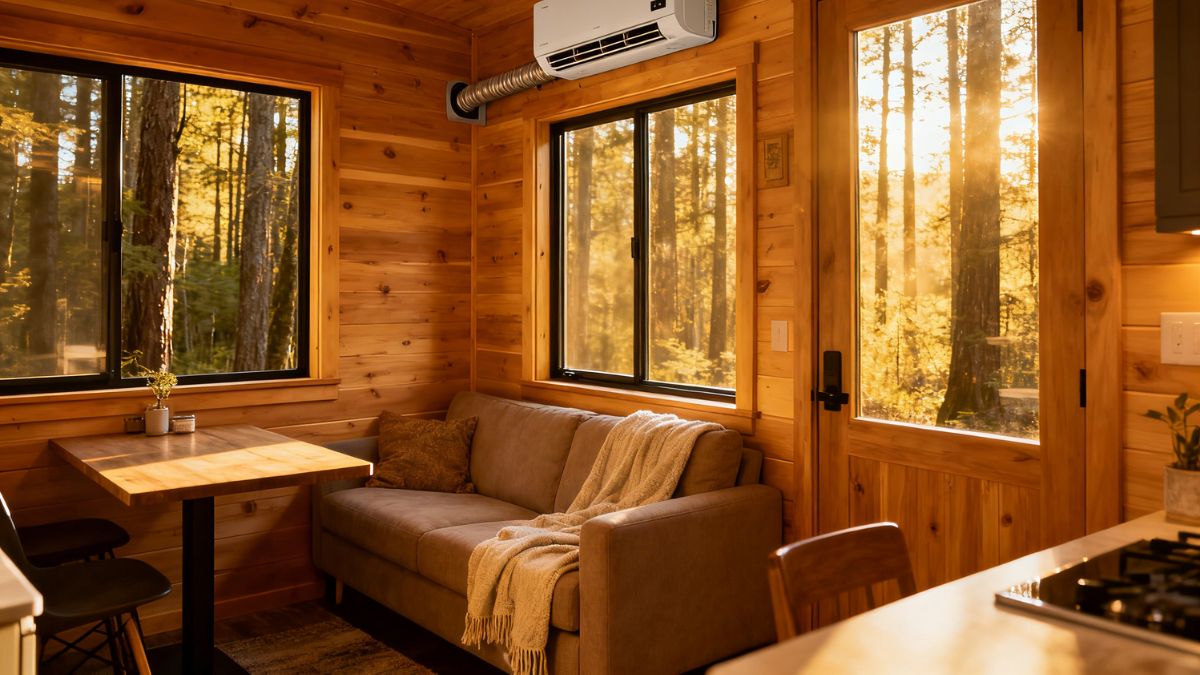
A heat pump provides both heating and cooling in one system. It runs in every season. Over time, the wear degrades performance. Small issues become larger problems. An older system may lead to higher energy bills and reduced comfort.
If the red flags keep popping up on your system, it might be time to replace your heat pump. The following are telltale signs that a replacement is likely to provide greater reliability and performance.
Your Heat Pump Is More Than 10-15 Years Old
Most heat pumps have a lifespan of 10 to 15 years, provided proper maintenance is performed. Beyond this range, efficiency plummets and breakdown risk rises.
Older systems use outdated technology. Additionally, legacy systems may not be as efficient as today’s models. Newer heat pumps employ variable-speed compressors and advanced refrigerants. These attributes contribute to better temperature control and lower energy consumption.
If your unit is in its golden years, a new unit might help you avoid surprise service calls during sweltering heat or bone-chilling cold.
Energy Bills Keep Increasing
Escalating bills are usually a sign of deteriorating performance. The parts inside break down, and the system has to cycle longer and longer to reach the set temperature.
Common causes include:
- Reduced compressor performance
- Refrigerant leaks
- Dirty or aging coils
- Declining motor efficiency
Although upkeep can resolve small problems, sustained elevation in energy consumption may suggest system aging rather than just a maintenance problem.
A new heat pump functions more effectively and consistently over time.

Frequent Repairs Are Becoming Normal
Occasional repairs are expected. But multiple service calls indicate larger issues.
Common recurring issues include:
- Compressor failures
- Reversing valve problems
- Electrical control malfunctions
- Refrigerant leaks
Repair costs add up quickly. If repairs are becoming more frequent sooner rather than later, upgrading could save you money and headaches down the line.
A good system should not need to be fixed all the time.
Uneven Heating or Cooling
Hot and cold spots in your home are common signs of airflow or performance issues.
Possible causes include:
- Declining compressor output
- Failing blower motors
- Poor refrigerant circulation
- Inconsistent defrost cycles
When temperatures are not up to par, so is the comfort provided by a heat pump. Duct problems can play a role, but an older system often has difficulty distributing air evenly.
A newer system with variable-speed technology maintains a more uniform airflow and better adjusts to temperature changes.
Your System Runs Constantly
Heat pumps cycle longer than conventional furnaces, but they should cycle off when the desired thermostat temperature has been reached.
If the system runs almost nonstop, it may be:
- Losing efficiency
- Improperly sized
- Struggling with compressor wear
- Operating with low refrigerant
Running nonstop consumes more energy and puts excessive strain on your electrical circuits. It also reduces component lifespan.
Replacement with an appropriately sized, high-efficiency unit corrects imbalanced operation.
.jpg)
Loud or Unusual Noises
With a heat pump, you will hardly hear it working. Grinding, rattle or buzzing sounds are symptomatic of mechanical pressure.
Common noise causes include:
- Worn bearings
- Loose components
- Failing motors
- Compressor damage
As components begin to wear, noise often becomes more pronounced. Failure to replace can lead to system failure.
A new heat pump operates more quietly and efficiently thanks to advanced motor technology.
Short Cycling
Short cycling is what happens when the heat pump powers on and off frequently without completing a full heating or cooling cycle.
This behavior may result from:
- Electrical control problems
- Thermostat malfunctions
- Refrigerant imbalances
- Oversized equipment
The shortened cycles result in lower efficiency and shorter longevity. Gradually, it wears out vital parts.
If repairs do not work in such cases, a replacement might be needed.
Refrigerant Type Is Outdated
Your old heat pump might be running on obsolete refrigerants. These refrigerant types may become harder to find over time.
And if your unit requires early refrigerant and it leaks, the cost of a fix goes up because older types are no longer common.
Newer systems use newer, greener refrigerants that comply with modern environmental regulations and provide improved energy efficiency.
The upgrade also eliminates the future risk of refrigerant supply.
Poor Indoor Air Quality
Old heat pumps can also degrade indoor air quality.
Signs include:
- Increased dust accumulation
- Weak airflow
- Musty odors
- Higher humidity levels
Filtration is part of the larger picture, but in older systems, you can also run into issues keeping airflow and humidity levels right.
Modern heat pumps have advanced airflow control and more effective moisture management. This is to keep a healthier indoor atmosphere.
.jpg)
You Are Renovating or Expanding Your Home
Additions to the home alter heating and cooling requirements. Indeed, an older system might not be able to handle the increased load.
If you are renovating, the heat pump can be upgraded to fit the new square footage to ensure it is correctly sized.
A properly sized system will enhance comfort and efficiency throughout the home.
Comfort Expectations Have Changed
The technological advancements over the past decade have been substantial. Modern systems provide:
- Better temperature consistency
- Quieter operation
- Improved humidity control
- Enhanced energy efficiency
If your older model doesn’t keep you comfortable, a new one may be more satisfactory.
Comfort should be uniform and consistent from season to season.
You Want Greater Energy Efficiency
New heat pumps are more efficient than older ones. Variable-speed systems modulate output in response to demand. This reduces energy waste.
Increased redemption is eco-friendly and helps you save on your monthly light bills.
It also prepares your home for future energy standards.
The System Struggles During Temperature Extremes
Even in temperate climates, seasonal heat waves can produce extreme temperatures that stress system performance.
Heat waves and cold mornings, perhaps your heat pump is not capable of keeping up with it all.
Modern systems are more efficient at heating and cooling than older systems. They react more quickly to changes in temperature.
Conclusion: Know When to Move Forward
In a perfect world, the heat pump in your new home should deliver consistent comfort year-round. Soaring energy bills, frequent repairs, uneven temperatures, and running all the time are telltale signs of declining performance.
Replacing at the proper moment avoids a crisis like a breakdown and becomes as efficient as ever. A professional assessment determines whether to repair or replace.
Do you see too many signs that your heat pump is in trouble, and you want to get an idea of what is going on with the system and how it’s actually performing? Book a system evaluation today with Reliable Heating and Air.


.svg)


.jpg)