
Transform Your Space: Simple Living and Mindful Home Decor Ideas

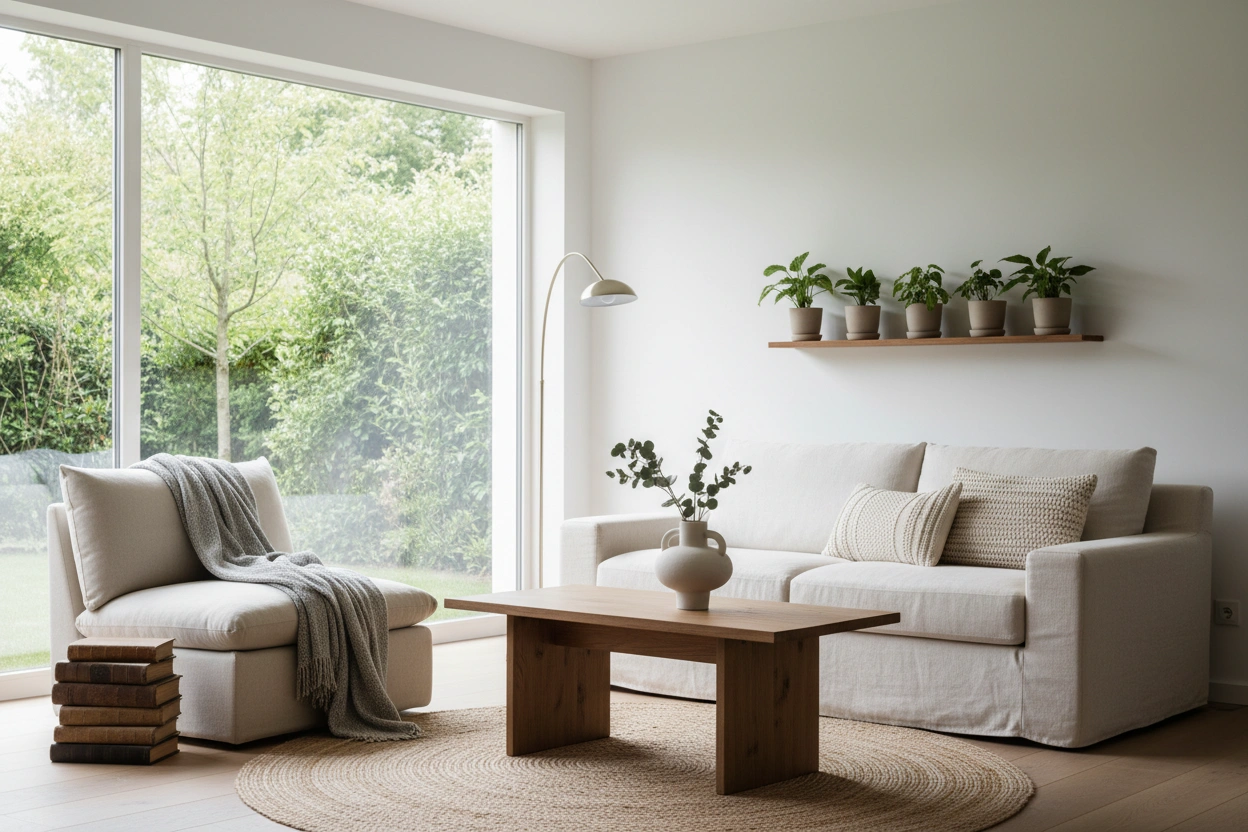
The modern world often feels cluttered, both physically and mentally. As we navigate through busy lives filled with distractions, the concept of simple living has emerged as a powerful antidote. Simple living is more than just a trend; it represents a lifestyle choice that embraces minimalism, sustainability, and mindfulness. This article will provide actionable insights into how you can transform your space with simple living principles and mindful home decor ideas.
The Principles of Simple Living
Simple living revolves around the idea of decluttering your life, both materially and mentally. It emphasizes the importance of quality over quantity, allowing individuals to appreciate what they have instead of constantly seeking more. This lifestyle can lead to reduced stress levels, increased focus, and a more profound sense of contentment.
Mindfulness: At the core of simple living is mindfulness. This involves being present in the moment and appreciating your surroundings. Practicing mindfulness can enhance your home decor choices, leading to a more intentional selection of items that truly bring joy and utility to your life.
Sustainability: Sustainable living is an integral part of simple living. By choosing eco-friendly materials and products, you can reduce your environmental footprint while also creating a home that feels good to live in. Sustainable choices often lead to unique decor ideas that reflect your commitment to the planet.
Decluttering: A clutter-free space is essential for simple living. Decluttering not only creates a more visually appealing environment but also allows for clearer thinking. When you eliminate distractions, you open up space for creativity and inspiration.
Top 10 Decluttering Tips for a Simpler Home
To fully embrace the principles of simple living, decluttering is an essential step. Here are ten effective tips to help you declutter your home:
Start Small: Focus on one area at a time. Whether it's a single drawer or a room, starting small can make the task feel less overwhelming.
Set a Timer: Allocate a specific amount of time for decluttering sessions. For instance, set a timer for 30 minutes and see how much you can accomplish in that timeframe.
Use the Four-Box Method: Label four boxes as "Keep," "Donate," "Trash," and "Relocate." This method helps categorize your belongings quickly and efficiently.
Evaluate Each Item: As you declutter, ask yourself if each item adds value to your life. If it doesn't bring you joy or utility, consider letting it go.
Create a Decluttering Schedule: Set aside regular times each week or month to tackle different areas of your home. Consistency is key to maintaining a clutter-free space.
Limit Storage Space: Reduce the amount of storage you have for items. By limiting your storage, you will naturally be encouraged to keep only what you truly need.
Digitize Documents: Transition to a paperless environment by scanning important documents and saving them digitally. This reduces physical clutter while maintaining access to necessary information.
Adopt a One-In, One-Out Rule: For every new item you bring into your home, consider removing one existing item. This helps maintain balance and prevents future clutter.
Involve the Family: Make decluttering a family activity. Encourage everyone to participate, which not only makes the process more enjoyable but also fosters a sense of shared responsibility.
Reflect on Your Progress: After decluttering, take a moment to appreciate the changes in your space. This reflection can motivate you to maintain a simpler lifestyle.
Mindful Home Decor Ideas
Once you've decluttered, it's time to curate a mindful home decor that aligns with the simple living philosophy. Here are some ideas to inspire your decor choices:
Embrace Natural Elements
Incorporating natural elements into your home decor can create a calming and inviting atmosphere. Consider using:
- Wood: Opt for wooden furniture and decor items that showcase natural grains and textures.
- Plants: Add indoor plants to purify the air and bring a touch of nature indoors. Choose low-maintenance varieties like snake plants or pothos.
- Natural Fabrics: Use organic cotton, linen, or wool for textiles, which are not only sustainable but also add warmth to your space.
Choose Functional Decor
Mindful decor should serve a purpose. Select items that are both beautiful and functional. For example:
- Multi-Use Furniture: Invest in furniture pieces that serve multiple purposes, such as ottomans with storage or a coffee table that doubles as a workspace.
- Art with Meaning: Display artwork that resonates with you personally or represents your values. This can create a more meaningful and intentional space.
Limit Color Palettes
A simplified color palette can enhance the feeling of tranquility in your home. Consider these tips:
- Neutral Tones: Use a base of neutral colors such as whites, grays, or beiges, which can create a calming backdrop for your decor.
- Accent Colors: Introduce a few accent colors to add personality without overwhelming the space. Soft pastels or earthy tones can work well in a simple living environment.
Common Misconceptions About Simple Living
Despite its growing popularity, there are several misconceptions about simple living that may deter individuals from adopting this lifestyle. Understanding these misconceptions can provide clarity and motivate you to embrace simple living.
Misconception 1: Simple Living Means Living Without
Many believe that simple living equates to deprivation. In reality, it focuses on prioritizing quality over quantity. It's not about having less; it's about having what truly matters to you. This can mean investing in fewer, high-quality items that enhance your life instead of filling your home with unnecessary possessions.
Misconception 2: Simple Living is Only for Minimalists
While minimalism is a component of simple living, the latter encompasses a broader philosophy that includes sustainability and mindfulness. You can practice simple living without adhering strictly to minimalist principles. Tailor your approach to fit your lifestyle and preferences.
Misconception 3: It's Too Difficult to Maintain
Transitioning to a simpler lifestyle may seem daunting, but it can be achieved gradually. Start with small changes and build upon them. The key is to create a system that works for you, making it easier to sustain over time.
The Benefits of Simple Living
Adopting a simple living lifestyle offers numerous benefits that can positively impact your life. Some of these benefits include:
- Reduced Stress: A decluttered space promotes mental clarity and reduces feelings of overwhelm.
- Increased Focus: With fewer distractions, you can concentrate better on tasks that matter, enhancing productivity.
- Financial Freedom: Simple living often leads to mindful spending, allowing you to save money and invest in experiences rather than possessions.
- Environmental Impact: By embracing sustainable practices, you contribute to a healthier planet for future generations.
Creating Your Simple Living Space
Implementing the principles of simple living into your home doesn’t require a complete overhaul. Here are some actionable steps to create a space that reflects your values:
- Assess Your Current Space: Take stock of your belongings and identify areas that need decluttering or improvement.
- Set Intentional Goals: Define what you want to achieve with your simple living space. This could include reducing clutter, incorporating more natural elements, or creating a more functional layout.
- Make Gradual Changes: Begin with small adjustments and gradually work towards your goals. This approach allows for a more manageable transition.
- Stay Committed: Simple living is an ongoing process. Regularly evaluate your space and make adjustments as necessary to maintain a clutter-free environment.
The Intersection of Simple Living and Tiny Homes
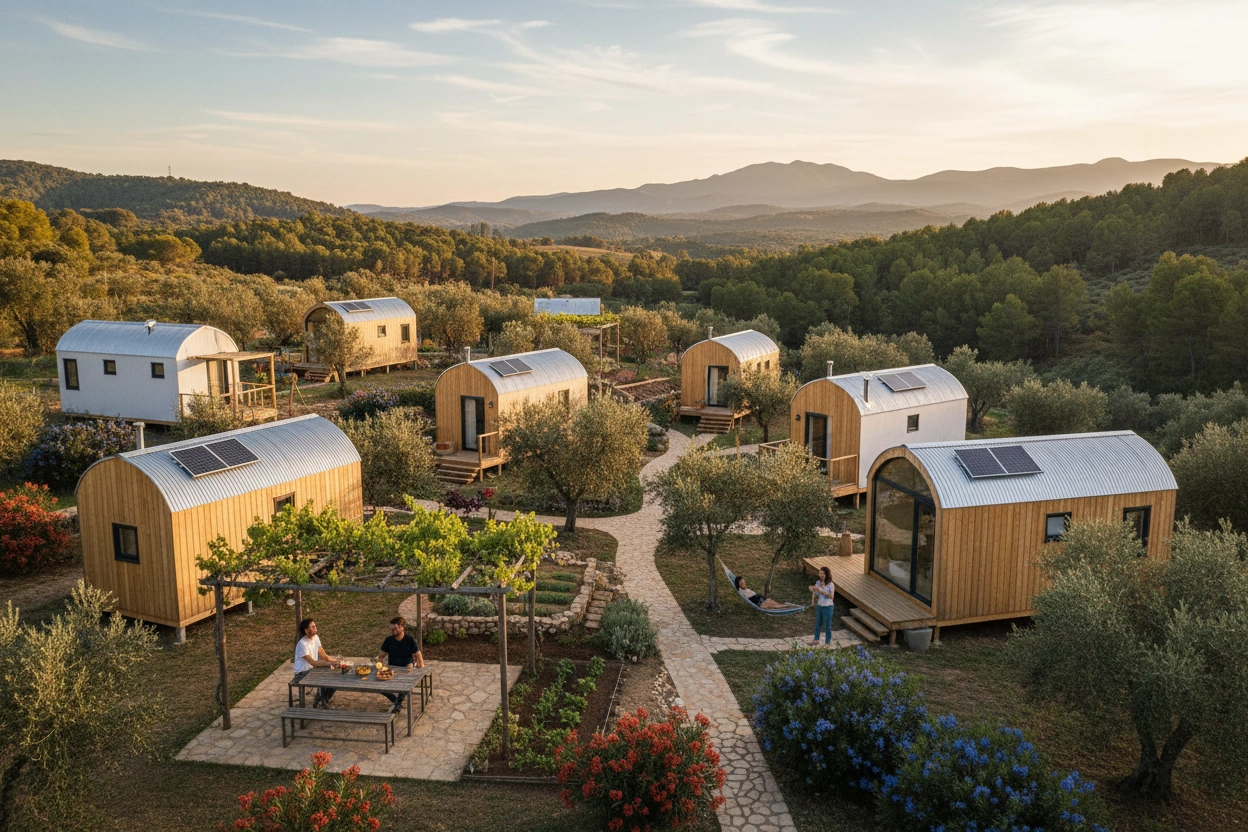
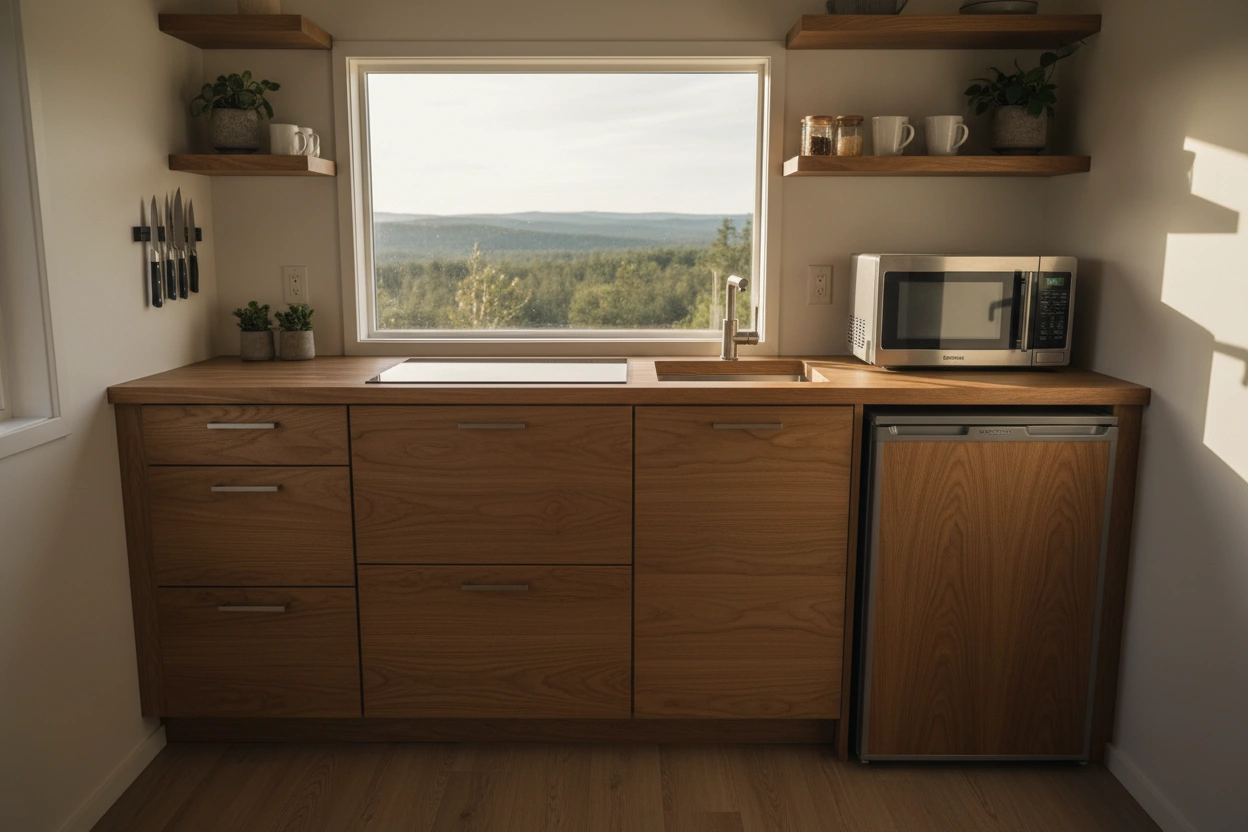
Tiny homes exemplify the principles of simple living by maximizing space and minimizing unnecessary belongings. They encourage residents to focus on what is essential, leading to a more fulfilling lifestyle. TinyHouse.com offers resources and guidance for those interested in tiny living, helping individuals embrace this lifestyle effectively.
Incorporating simple living into your home doesn’t have to be an overwhelming process. By applying the decluttering tips and mindful decor ideas shared in this article, you can create a serene and purposeful living space.
If you're interested in learning more about how to simplify your life and home, visit TinyHouse.com for resources and inspiration. Embrace the simplicity and discover the joy of living with intention.


.svg)

.jpg)