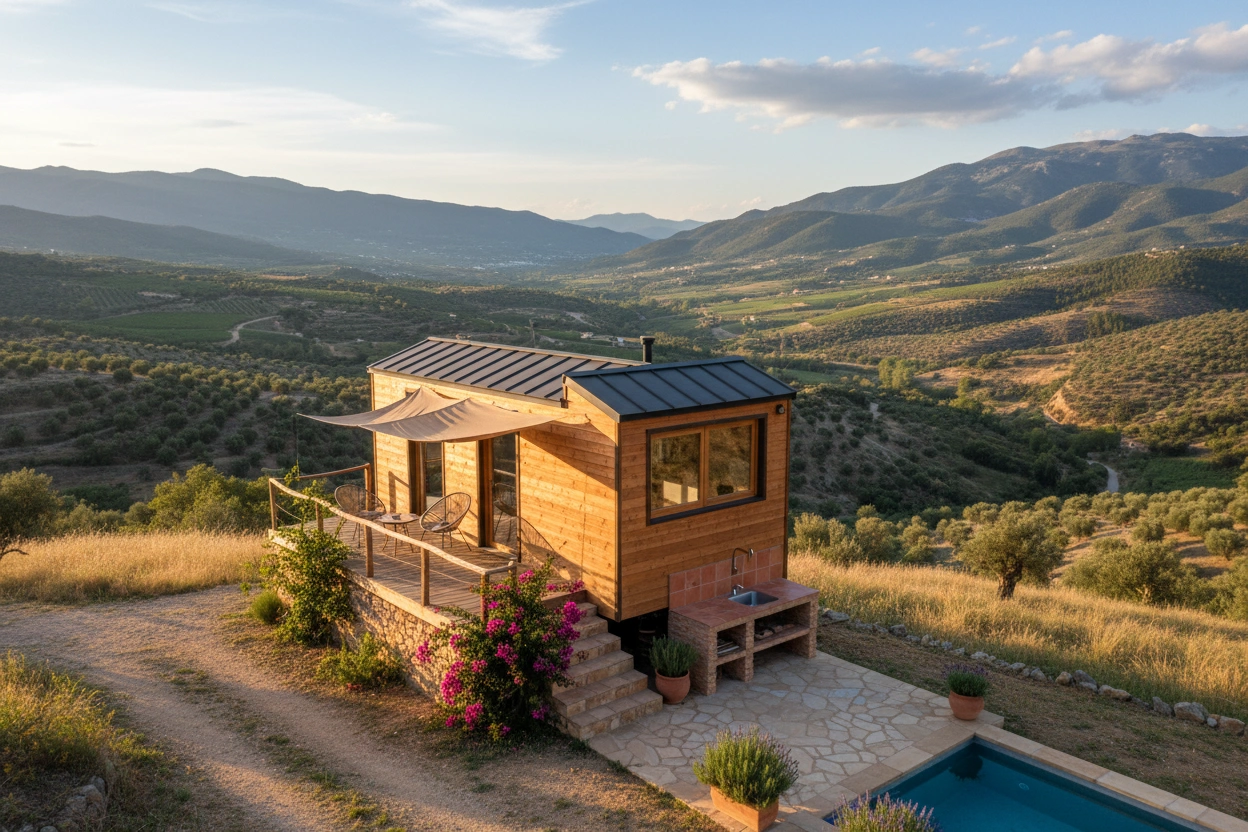
Smart Climate Control Solutions for Tiny Homes

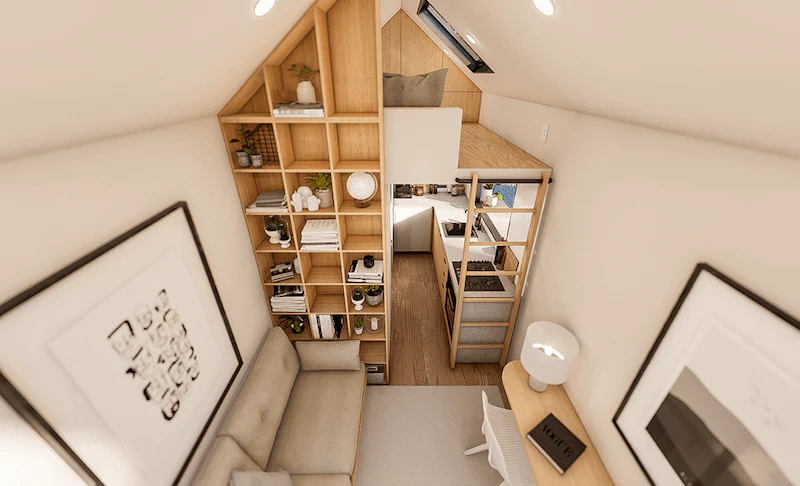
Anyone who has spent a night in a tiny home knows how quickly the indoor temperature can swing. A few minutes of sun through a window can turn the space stuffy, while a shaded campsite can feel chilly fast. Those quick changes make climate control feel less like a background utility and more like something you notice hour to hour.
Small volumes also hold onto what you add to the air. Cooking, showering, and even breathing can raise humidity, especially when tiny home insulation is tight and ventilation is limited. Moisture that would dissipate in a larger house can linger, leading to fogged windows, clammy fabrics, and musty odors.
Traditional HVAC sizing assumptions often miss in compact layouts. Oversized equipment can short-cycle, waste power, and create hot and cold spots, hurting energy efficiency for both grid-tied and off-grid builds where battery capacity and generator time matter. Many owners still rely on heating and cooling services for guidance, but smart climate control solutions add the precision that fixed thermostats and on-or-off controls struggle to provide.
Why Tiny Homes Need a Different Climate Approach
Small enclosed spaces heat and cool rapidly, yet they also trap moisture more readily than conventional homes. This combination creates a unique challenge: the air changes temperature quickly, but humidity lingers without proper ventilation.
Limited square footage means oversized systems waste energy and create discomfort through short-cycling. When a unit is too powerful for the space, it reaches the target temperature before running long enough to remove moisture, leaving occupants in a clammy environment despite a comfortable thermostat reading.
Many tiny homes are mobile or off-grid, adding power constraints that traditional homes rarely face. Battery banks and solar panels have finite capacity, so every watt matters when planning climate control.
Smart climate control offers precision that traditional systems cannot match in compact spaces. Variable-speed operation, remote monitoring, and automated scheduling help maintain steady conditions without the energy waste of constant on-off cycling.
Top Smart Climate Control Options for Tiny Homes
Ductless Mini-Split Systems
A mini-split system packs heating and cooling into one compact indoor head paired with an outdoor unit. In many models, the core is a heat pump, which can reduce electricity use compared with resistance heaters, according to heat pump energy efficiency research from the National Renewable Energy Laboratory.
For tiny homes, a ductless mini-split avoids bulky duct runs and lets occupants match output to quick temperature swings. Look for inverter-driven operation and a dedicated dehumidify or dry mode when summer moisture is a concern.
Smart Thermostats and Controllers
A smart thermostat can add scheduling, geofencing, and app control, but mini-split compatibility varies by brand and by whether the unit accepts standard thermostat signals. Many systems rely on proprietary remotes, so confirm the supported control interface before purchasing.
WiFi-enabled controllers offer another route when the HVAC unit is not smart-ready. They can mimic the infrared remote or connect through a manufacturer module, enabling automations such as timed setbacks and humidity alerts.
Before pairing controls, check a few practical details that affect comfort and energy efficiency:
- Thermostat protocol support (24V, proprietary adapter, or IR blaster)
- Minimum modulation level to prevent overheating
- Sensor placement away from cooking areas and direct sun
These considerations also help avoid short-cycling, since tiny spaces respond quickly to any heat pump output.
Managing Humidity in Small Spaces
Tiny homes build up moisture fast. Cooking pasta, taking a hot shower, or simply breathing in a tight envelope can raise indoor humidity in minutes, especially when windows stay closed for heating or cooling.
When humidity stays high, condensation forms on glass and cold surfaces, fabrics feel clammy, and mold can take hold in hidden corners. Good humidity control supports comfort and protects finishes, so it should sit alongside temperature in any climate control plan.
Smart options help maintain a steady range without constant manual venting. Smart dehumidifiers that share readings with a hub can run only when sensors detect rising moisture. Many mini-splits include a dry or dehumidification mode that lowers humidity while limiting temperature swings. Additionally, humidity sensors paired with smart bath or kitchen fans can automate ventilation, then shut off once air returns to normal.
Place sensors away from the stove and shower, and confirm fan makeup air paths stay unblocked indoors year-round.
Off-Grid and Solar-Compatible Options
Off-grid tiny homes can still manage comfort, but equipment choice has to match limited generation. Solar-powered mini-splits exist in standard and DC-coupled setups, and they work best when loads are predictable and the home is well shaded.
For low-wattage cooling, many owners pair ventilation with a 12V fan for overnight air movement or an evaporative cooler in dry climates where added humidity is acceptable.
Battery storage needs vary widely. A mild coastal site may only need short bursts for dehumidification, while hot, still locations can demand long runtimes that quickly drain a bank. Planning starts with realistic duty cycles, then builds in a buffer for cloudy days.
When electricity is scarce, a small wood stove remains a practical heating option, provided clearances, makeup air, and safe flue routing are addressed. Hybrid plans often combine passive shading, insulation, and night flushing with minimal powered help, keeping indoor conditions stable longer.
Sizing Your System: BTU Guidelines for Tiny Spaces
For quick sizing, many builders start around 20 to 25 BTU per square foot. That puts a 200-square-foot tiny home in the 4,000 to 6,000 BTU range for cooling, with similar heating needs depending on your design and fuel source. Add occupants, cooking heat, and appliances if you work inside most days.
Bigger is not better. An oversized mini-split system can short-cycle, which wastes power and often leaves humidity behind, so the space feels clammy even when the thermostat looks right. Fine-tuning depends on tiny home insulation level and air sealing, number, size, and orientation of windows, as well as local climate zone and sun exposure.
If you are between sizes, variable-speed equipment typically handles the margin better by ramping output up or down, supporting steadier climate control throughout the day.
.jpg)
Choosing the Right Setup for Your Tiny Home
Choosing a setup starts with the power source. Grid-connected tiny homes can plan for longer runtimes, while off-grid builds should match loads to solar, batteries, and generator limits to maintain energy efficiency.
As discussed in earlier sections, equipment should handle both temperature and humidity, since moisture often drives discomfort in small envelopes. Smart integration can add convenient scheduling and alerts, but compatibility between sensors, controllers, and HVAC equipment needs verification before purchase.
Ultimately, right-sizing the system matters more than brand or extra features. Proper sizing reduces short-cycling and improves climate control, resulting in steadier comfort with fewer surprises in daily use while keeping power demand predictable year-round.


.svg)