Tiny Homes as a Smart Choice for Second-Home Buyers

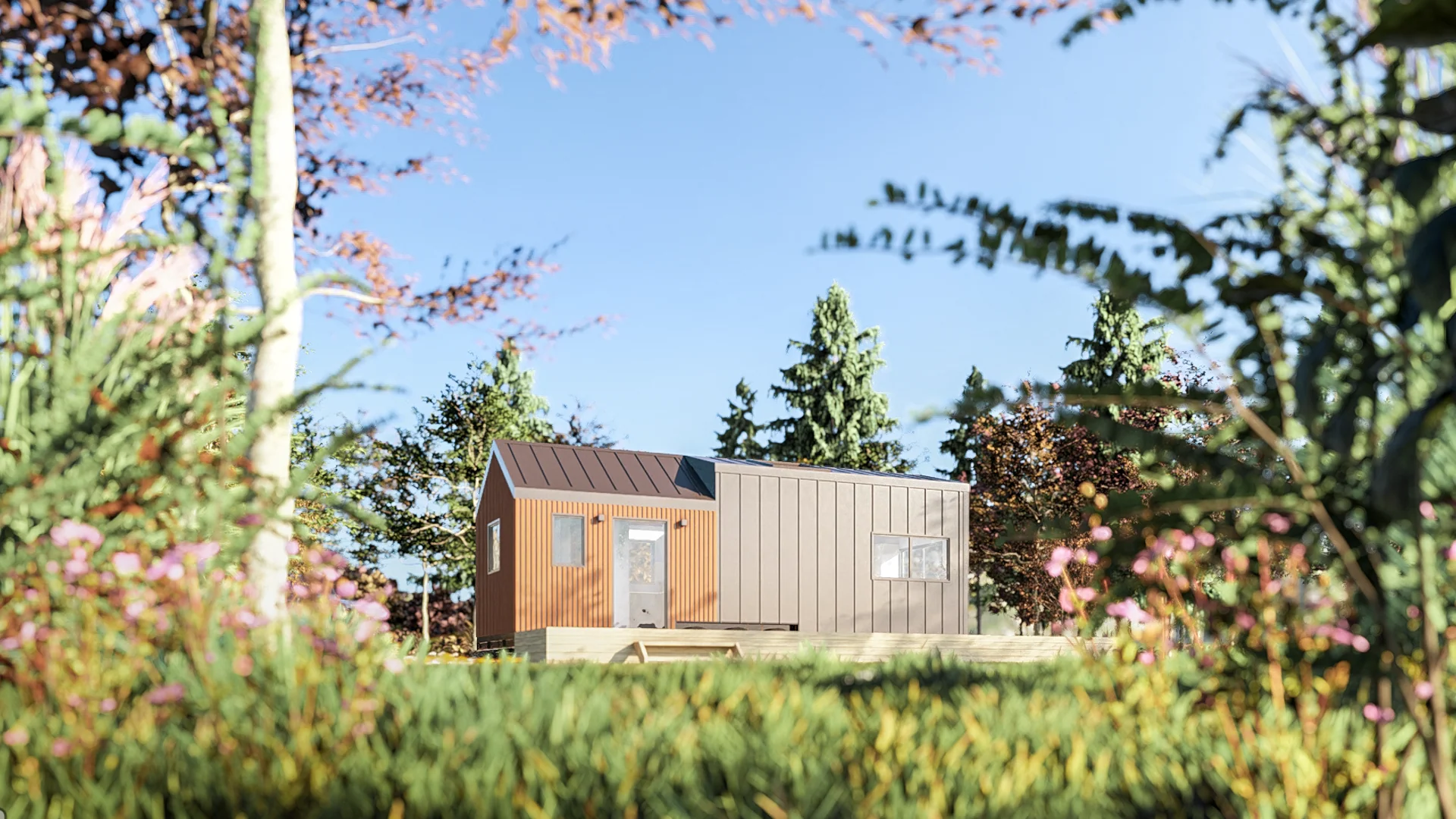
Owning a second home used to mean a big mortgage, a place that sat empty most of the year, and a constant low hum of maintenance stress. However, today’s second-home buyers are less interested in square footage and more interested in freedom. Freedom to travel lightly, live intentionally, and enjoy a place without feeling tied down. That's where tiny homes shone. For various reasons, a well-designed tiny home can be the smartest move you make. Let’s learn some of them.
Vacation Living
Traditional vacation homes have predictable problems. High property taxes, utility bills year-round, and landscaping you’re paying for even when you’re not there. Tiny homes reduce nearly all of that. A tiny home used as a vacation property is simpler to insure, cheaper to maintain, and faster to prepare for guests or personal stays.
Many homeowners place them in vacation-friendly zones, private land, or tiny home communities near beaches, mountains, or desert escapes. When you leave, you’re not worrying about unused rooms or systems running unnecessarily. This simplicity makes it easier to rent out your tiny home when you’re not using it.
Seasonal Living
Seasonal living is one of the most underrated reasons people buy second homes. Snowbirds, remote workers, semi-retired couples, and creatives often want a place they can move in and out depending on the time of the year. Tiny homes support this rhythm beautifully. Since they’re easier to heat, cool, and secure, these homes adapt well to changing seasons. Some owners even relocate their homes based on weather or work schedules.
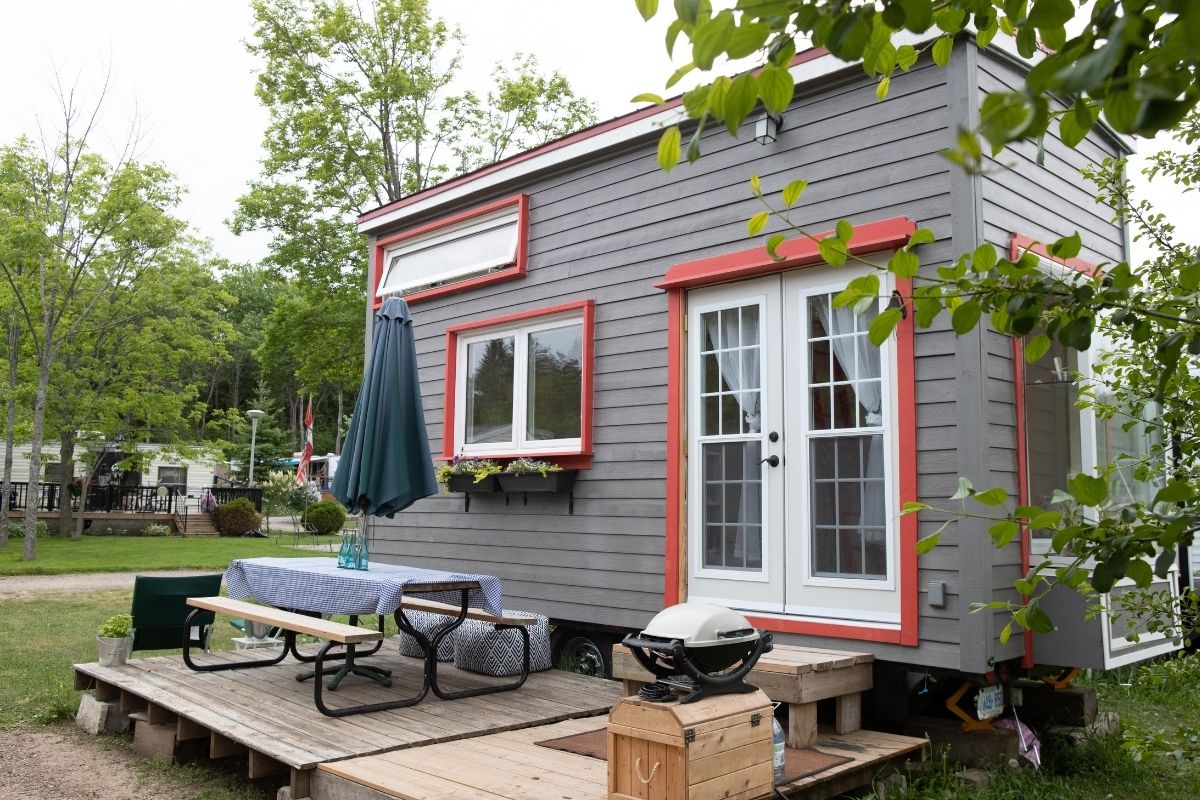
Others keep them parked in climates that suit specific seasons, whether that's desert winters or mountain summers. In places where people split time between active social scenes and quiet retreats, tiny homes feel right at home alongside larger properties, near amenities like golf courses, hiking trails, or even country clubs in Palm Springs, without carrying the same financial weight.
.jpg)
Lifestyle-Driven Real Estate Decisions
Tiny homes appeal to people who value experiences over excess. If your second home is about surfing in the morning, hiking in the afternoon, and cooking a simple meal at night, you don’t need unused guest rooms. If it’s about writing, decompressing, or reconnecting with nature, a compact, thoughtfully designed space often works better than a sprawling one. Tiny homes support slow mornings, outdoor living, and intentional routines. They encourage you to step outside instead of filling your time managing a building.
Design Flexibility Matching Personal Taste
Tiny doesn't have to mean generic. Tiny homes often reflect their owners more clearly than traditional houses. As a second-home buyer, you can design your space around how you actually live when you’re away from home.
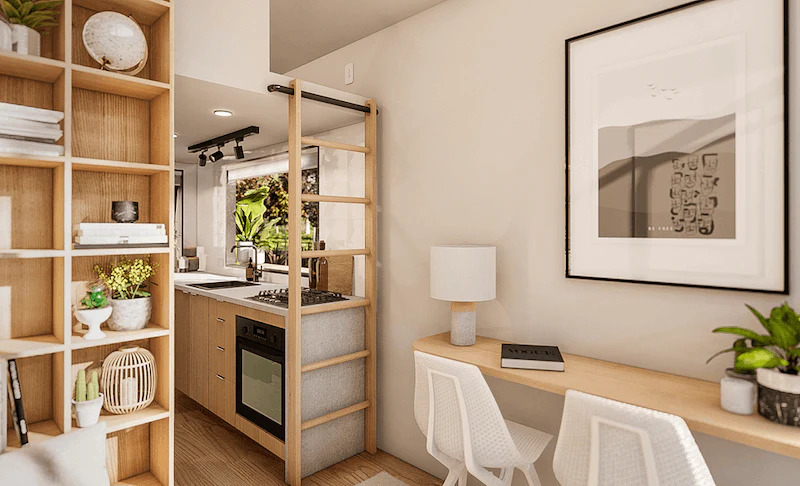
Some people prioritize large windows and decks to blur the line between indoors and outdoors. Others want built-in storage for sports gear, bikes, or art supplies. Since the footprint is smaller, customization is often more affordable, letting you invest in high-quality materials, smart layouts, and off-grid features like solar power or rainwater collection.
Financial Freedom Without Long-Term Commitment
One of the biggest hidden advantages of tiny homes as second properties is how low the commitment feels. Traditional second homes often lock buyers into decades of financial responsibility. Mortgages stretch long, resale depends on market cycles, and the property itself can become an emotional and financial anchor.
Tiny homes flip the dynamic. Since the upfront investment is smaller, owners feel more in control. You’re not structuring your future around a building; instead, you’re adding a lifestyle asset that can evolve with you. If your priorities change, selling or relocating a tiny home is far easier than offloading a conventional vacation property. That flexibility alone makes tiny homes appealing to people who want options.
Easier Entry Into Real Estate Ownership
For many people, a second home used to feel like a luxury reserved for high earners or late-stage retirees. Tiny home quality democratizes that idea. They enable younger buyers, digital nomads, and creative professionals to step into real estate without waiting decades.
Instead of seeing a second home as a someday goal, buyers can treat it as a present-day lifestyle choice. This is especially powerful for people who work remotely or run online businesses. A tiny home becomes both a personal retreat and a real asset, without the intimidating price tag or risk profile of traditional property investments.
Sustainability
Sustainability for many homeowners is about designing a life that feels lighter, and tiny homes fit the bill. Smaller spaces consume fewer resources, less energy, less water, fewer materials, and less waste. As a second home, this feels even more intentional. You’re living in a space that matches your actual needs.
Many owners lean into solar power, composting systems, and water-saving features, turning their second home into a personal experiment in low-impact living. It becomes less about consumption and more about alignment with personal values.
Community and Connection Over Isolation
Large vacation homes often sit in isolated areas. They’re private, quiet, and sometimes disconnected from the real community. Tiny home developments and clusters tend to feel different. They’re more social, more human-scaled, and more interactive. As a second-home owner, this can be surprisingly useful.
You're joining a small ecosystem of people who share similar values around simplicity, mobility, and intentional living. That sense of community makes seasonal stays feel less lonely and more grounded, especially for solo travelers or couples using their tiny home as a recurring escape.

Less Stuff, More Experience
Tiny homes force a gentle but powerful shift in mindset. You can't bring everything with you, so you bring only what matters. As a second home, this creates a psychological reset. Tiny houses become a living basecamp, not a container for possessions. Over time, many homeowners realize that their second home feels more real than the primary one, simply because it reflects how they actually want to live.
Endnote
Tiny homes offer something many second-home buyers didn’t realize they were missing: ease. They remove the pressure to use the house enough to justify it. They fit into modern lifestyles where mobility, flexibility, and simplicity matter more than excess.


.svg)
.jpg)