Things to Consider When Buying an Expandable Container House: A Complete Buying Guide

With continuous technological advancements in the construction and housing industry, many countries and regions are gradually improving housing utilization by replacing traditional building methods with modern solutions such as expandable container houses. These houses have emerged as a practical and efficient alternative, especially in areas where quick deployment, cost control, and sustainability are key considerations.
Given the increasing global demand for prefabricated and modular housing, many developers, investors, and private buyers are choosing expandable container houses to meet their residential, commercial, and long-term investment needs. Compared to traditional houses, expandable container houses are easier to manufacture and faster to install. Their simple folding and unfolding mechanism significantly reduces construction time, labor requirements, and on-site disruption.
Because of these advantages, expandable container houses are now widely used for residential homes, offices, temporary housing, vacation rentals, worker accommodations, and even retirement living solutions. At the same time, with the international market increasingly promoting green, energy-efficient, and environmentally friendly building concepts, global demand for expandable container houses continues to grow steadily.
However, despite their advantages, buyers may face several challenges during the purchasing process if proper research and evaluation are not conducted.
Common Problems Encountered by Buyers
1. Poor Durability
One of the most common issues buyers face when purchasing expandable container houses is poor structural durability. Many first-time buyers lack experience and may not fully understand the materials and manufacturing standards required to ensure long-term stability.
Expandable container houses are primarily manufactured using galvanized steel structures. If manufacturers use low-grade steel materials or adopt improper welding techniques, the overall structural integrity of the house can be compromised. In some cases, insufficient reinforcement of the frame may result in reduced load-bearing capacity.
Additionally, because expandable container houses are folded during transportation, deformation of the steel tubing can easily occur if the materials are thin or poorly treated. This can lead to difficulties during installation and negatively affect the lifespan of the house.
2. Waterproofing and Insulation Issues
Waterproofing and insulation are major concerns for many buyers, especially in regions with extreme weather conditions. Some suppliers, in an effort to reduce costs and offer lower prices, may use low-quality sealing tape, inadequate waterproofing materials, or sandwich panels that do not meet proper thickness and performance standards.
As a result, buyers may experience problems such as water leakage, moisture buildup, insufficient thermal insulation, and poor soundproofing. Over time, these issues can lead to interior damage, increased maintenance costs, and reduced comfort for occupants. Proper insulation and sealing are essential to ensure energy efficiency and year-round usability.
3. Layout and Option Limitations
Another common problem lies in limited layout designs and customization options. Some expandable container house manufacturers only offer one or two standard floor plans for different sizes, leaving buyers with very few choices to suit their personal or commercial needs.
This lack of flexibility negatively impacts both family use and investment value. In addition, some suppliers do not provide optional upgrades or customization features. For example, buyers may not be able to select higher-quality aluminum alloy doors and windows, include common household appliances such as sofas or televisions, or adapt the electrical system to local standards.
These limitations can reduce the overall practicality and functionality of the container house.
Solutions from Established Suppliers
The most important step for buyers is to partner with expandable container house suppliers that have strong factory capabilities, extensive market experience, and well-established service processes. Reputable manufacturers focus on product quality, safety, and long-term performance rather than short-term cost savings.
Established factories typically use high-quality galvanized steel frame materials, reinforced roof beams, and reliable welding techniques. For waterproofing, they apply aluminum foil edge sealing and high-standard sealing systems to prevent leakage. Flooring solutions often include polyurethane spraying combined with SPC flooring, which offers durability, heat insulation, and moisture resistance.
While some factories may lower prices to attract buyers by cutting corners, professional brands prioritize safety, environmental protection, and user experience. These suppliers ensure their products meet international standards and provide consistent quality across different projects.
Due to their quick installation, robust structure, and flexible layout design, many global buyers prefer to work with experienced companies that can deliver reliable and long-lasting expandable container house solutions.
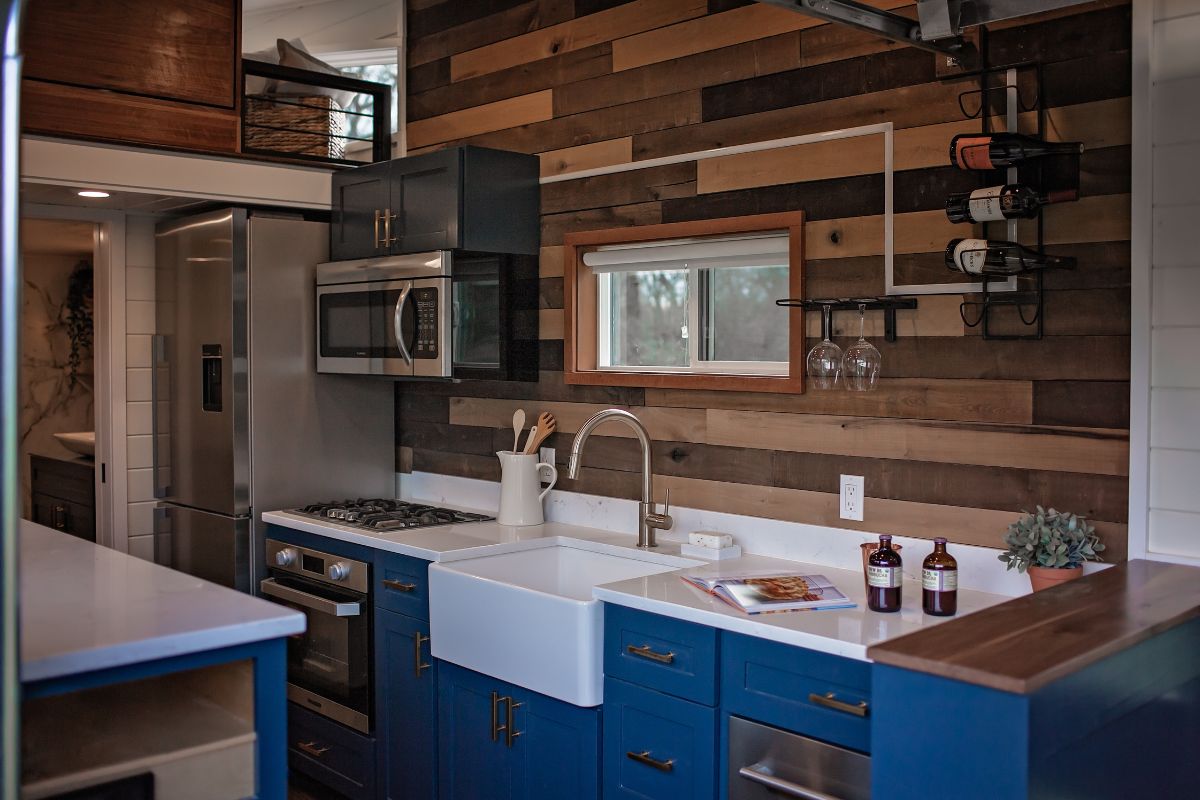
Example of an Experienced Manufacturer
For example, UVO expandable container house manufacturer is known for providing complete housing solutions for family residences, commercial investments, and large-scale engineering projects. Their strengths lie in offering well-designed products, consistent quality control, and comprehensive service support.
When selecting an expandable container house, buyers should prioritize quality, safety, and long-term usability rather than focusing solely on price advantages. A reliable supplier can help avoid costly issues in the future and ensure a better overall experience.
Advice for Buyers: Five Key Things to Confirm
Before finalizing a purchase, buyers should carefully confirm and check the following five aspects:
Material Quality:
Confirm the materials used for the galvanized steel frame, including the thickness of roof beams, columns, and the base structure.
Insulation Standards:
Check whether polyurethane spraying is applied and verify the thickness and quality of the sandwich panels used for walls and roofing.
Project Verification:
Request real project photos or videos from the supplier to assess build quality and completed installations.
Technical Documentation:
Confirm whether technical drawings, piping and wiring diagrams, factory-installed electrical systems, and optional customization layouts are included.
Export and Compliance Experience:
Ensure the supplier has export experience and understands international compliance requirements, certifications, and logistics processes.
By following these steps, buyers can significantly reduce risks and avoid common pitfalls when purchasing expandable container houses.
Choosing the Right Partner Matters
Over the years, the container house market has evolved and upgraded, becoming a reliable solution for various construction and housing needs worldwide. However, the true determining factor in any project is the quality of the product itself.
With strong engineering systems, customizable layout designs, and rapid deployment capabilities, reliable brands such as UVO expandable container house solutions have become preferred choices for international buyers. These brands offer stable, environmentally friendly, and safe products that meet modern housing demands and long-term usage requirements.
Choosing the right supplier not only ensures a better product but also contributes to the overall success and sustainability of the project.


.svg)