
How to Design a Tiny Home That Feels Spacious: Storage, Flow, and Multi-Use Zones

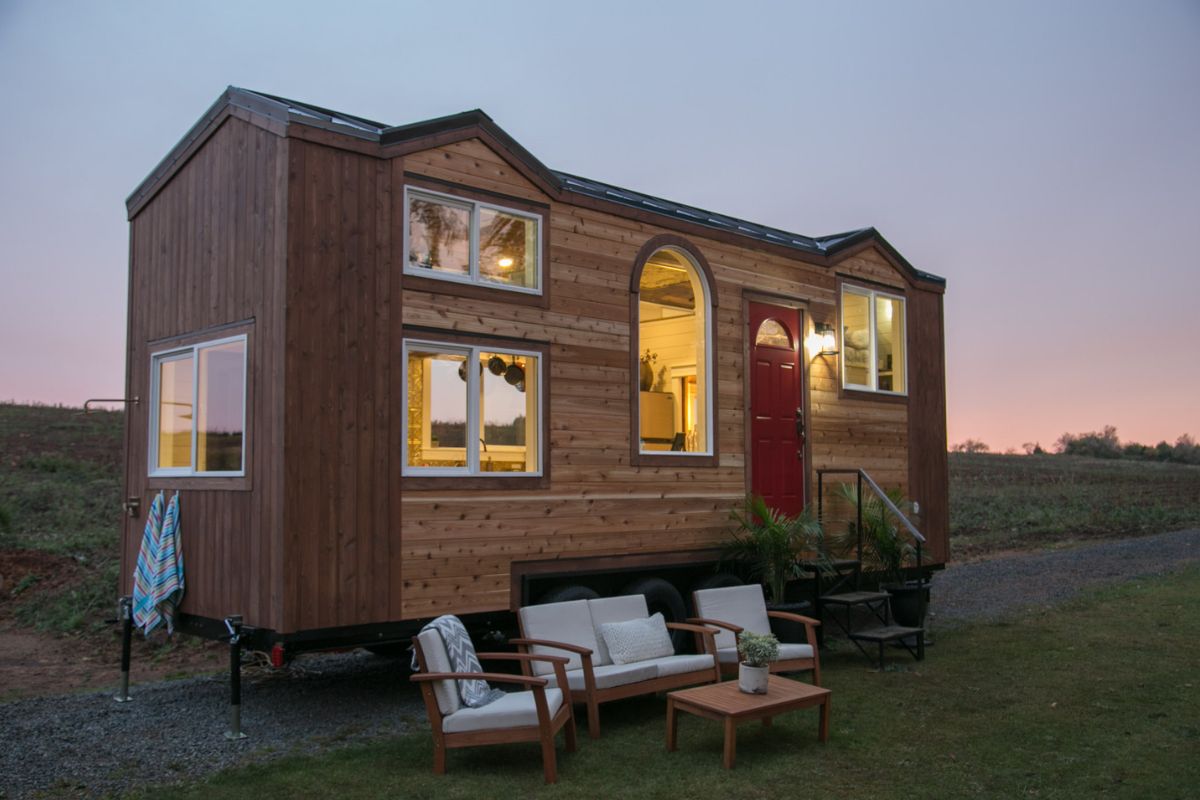
Designing a tiny home is all about smart choices. When every inch matters, the goal isn’t just to “fit everything in”—it’s to make the space feel open, breathable, and effortless to live in. The best tiny homes don’t feel like a compromise. They feel intentional, light, and surprisingly roomy.
So how do you make a tiny home feel spacious? It comes down to three core principles: storage that disappears, flow that makes movement easy, and multi-use zones that do more than one job. Whether you’re building a tiny home from scratch or redesigning one you already live in, the ideas below will help you create a space that feels larger than its footprint.
If you’re planning a tiny home as a rental or guest-ready escape, working with experienced teams like First Class Property Management can help ensure your layout stays functional, durable, and easy to maintain—especially when guests need intuitive storage and clutter-free zones from day one.
Storage That Makes a Tiny Home Feel Bigger (Not Busier)
Storage in tiny homes isn’t optional—it’s structural. But it’s not just about having more storage. It’s about creating storage that doesn’t make the home feel packed. The more items you can tuck away behind clean surfaces, the more spacious your home will feel instantly.
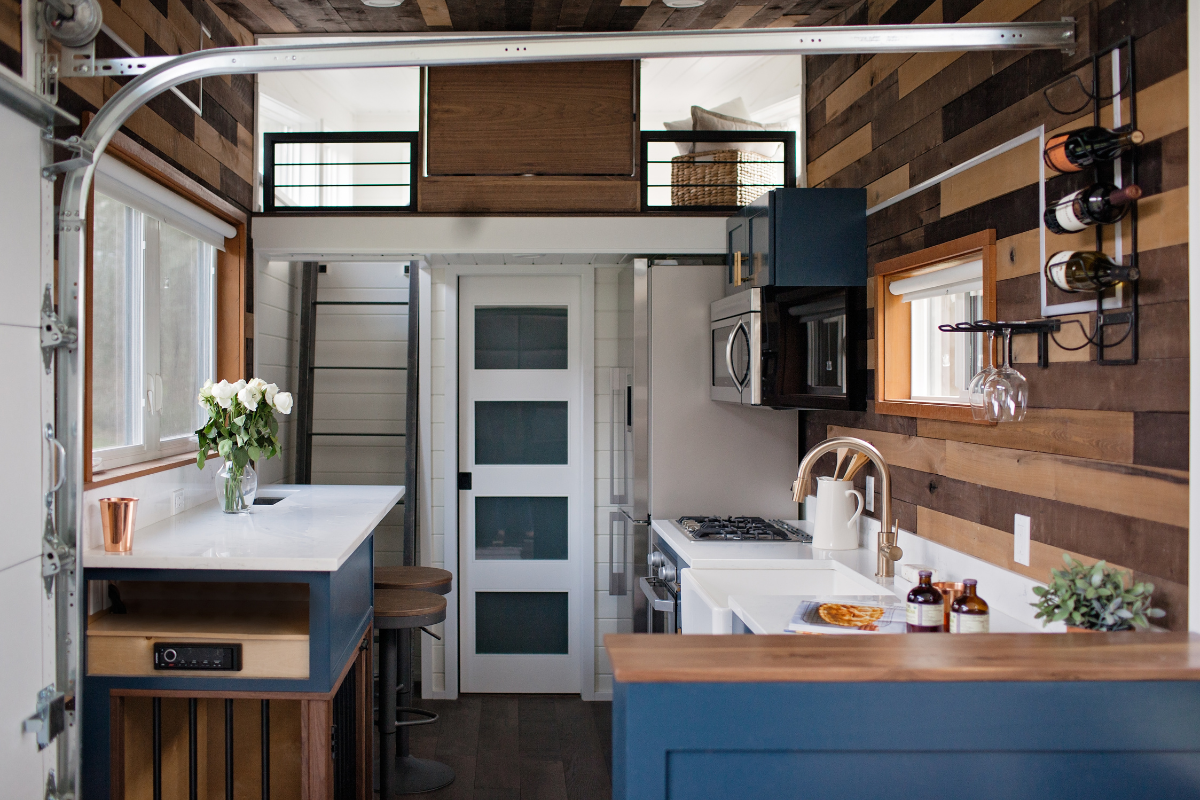
Make storage “invisible”
The best tiny-home storage doesn’t scream storage. It blends in and disappears into the architecture.
High-impact built-in storage ideas:
- Drawers under a platform bed
- Toe-kick drawers under cabinets and benches
- Ceiling-height cabinetry to use vertical space
- Recessed shelving between wall studs
- Storage stairs (instead of a ladder)
Organize storage by frequency
A tiny home stays spacious when the things you use most are easiest to reach. Try organizing in layers:
- Daily-use items: within arm’s reach (kitchen basics, toiletries)
- Weekly-use items: slightly tucked away (extra linens, cleaning supplies)
- Seasonal storage: higher cabinets or deep under-floor areas (winter gear, decor)
Flow: The Real Secret to Feeling Spacious
In small spaces, flow is everything. A tiny home with great flow feels calm and open, while a tiny home with poor flow feels cramped—even if it’s beautiful. You should be able to move naturally from the entry to the kitchen, to seating, to bathroom, without squeezing around furniture.
Plan your movement path first
Before decor or furniture, map your daily movement lines:
- Entry → kitchen
- Kitchen → seating
- Seating → bathroom
- Bathroom → bed/loft
Your layout should protect these paths. Avoid furniture that blocks movement or forces “side stepping.”
Easy layout changes that improve flow
- Keep the center of the space open
- Place large furniture against walls
- Choose sliding or pocket doors
- Use rounded-edge furniture in tight walkways
- Avoid too many open shelves (they feel cluttered fast)
Flow is also visual. The eye should travel easily across the space without harsh interruptions. That’s why consistent flooring, cohesive colors, and minimal material changes can make a tiny home feel larger.
Multi-Use Zones: Make One Space Do Three Jobs
A tiny home can include areas to relax, work, eat, and sleep—but the trick is to design zones that transform. Instead of assigning one purpose to one area, you create flexible “stations” that shift based on time and need.
The three most valuable multi-use zones
1) Dining zone that becomes a work zone
Your dining space should double as a:
- Workspace
- Craft surface
- Extra prep station
Best solutions:
- Fold-down wall-mounted table
- Expandable console table
- Pull-out countertop extension
2) Seating zone that becomes guest sleeping
Instead of forcing a guest bed into the layout, build flexibility:
- Bench seating that converts into a sleeper
- Modular cushions
- Built-in sofa with a pull-out extension
3) Sleeping zone that stores everything
The bed is usually the biggest footprint in a tiny home—so it needs to earn its keep. Strong options include:
- Loft bed with storage stairs
- Murphy bed with shelving around it
- Platform bed with full under-storage
Design Tricks That Instantly Add “Space”
Once storage and flow are strong, styling choices and architectural details can make your tiny home feel even bigger.
Light is your best design tool
Natural light expands space. Artificial light defines zones.
Lighting choices that create spaciousness:
- Larger windows in key areas
- Skylights near lofts and kitchens
- Layered lighting (ceiling + task + ambient)
- Sheer curtains or light blinds instead of heavy drapes
Emphasize vertical height
Many tiny homes are tall inside, but design can either amplify or reduce that feeling.
Try:
- Vertical shiplap or slim paneling lines
- Tall mirrors placed strategically
- Minimal upper cabinetry (or partial open shelving)
- Ceiling-mounted curtain tracks to lift the eye upward
Tiny Home Organization Habits That Keep It Spacious
.jpg)
Even the best design fails without good habits. Luckily, tiny homes are easier to maintain when the systems are simple.
Daily habits that prevent a cramped feeling
- Clear counters nightly
- Put items away immediately after use
- Keep duplicates to a minimum
- Use one “drop zone” tray for keys/wallet
- Reset seating area every evening
Essential rule: one in, one out
If you bring something new into the home, remove something old. This prevents gradual clutter creep—which is the #1 reason tiny homes start feeling tight over time.
Designing a Rental-Ready Tiny Home
If your tiny home is built for guests or short-term stays, spaciousness becomes even more important. Guests need intuitive layouts, obvious storage, and zones that don’t require explaining. This is also where management professionals can influence design—easy-clean materials, durable fixtures, and storage that helps guests stay tidy.
For owners focused on hosting, working with a property management company in Dubai (or any region with active short-term rentals) often leads to smarter design decisions—like lockable owner storage, simplified furniture, and guest-friendly flow.
Conclusion
A tiny home doesn’t have to feel tiny. When you plan for hidden storage, protect open movement paths, and build multi-use zones, you create a home that feels light, calm, and surprisingly roomy. The key is intentional design: fewer obstacles, fewer visual interruptions, and systems that make daily life easier.
Focus on these core steps—invisible storage, smooth flow, flexible zones, and light-forward design—and your tiny home will feel like a thoughtfully crafted retreat, not a cramped compromise.


.svg)
.jpg)

.jpg)
.webp)