
Building a Kid Safe Pond: Design Tips for Families

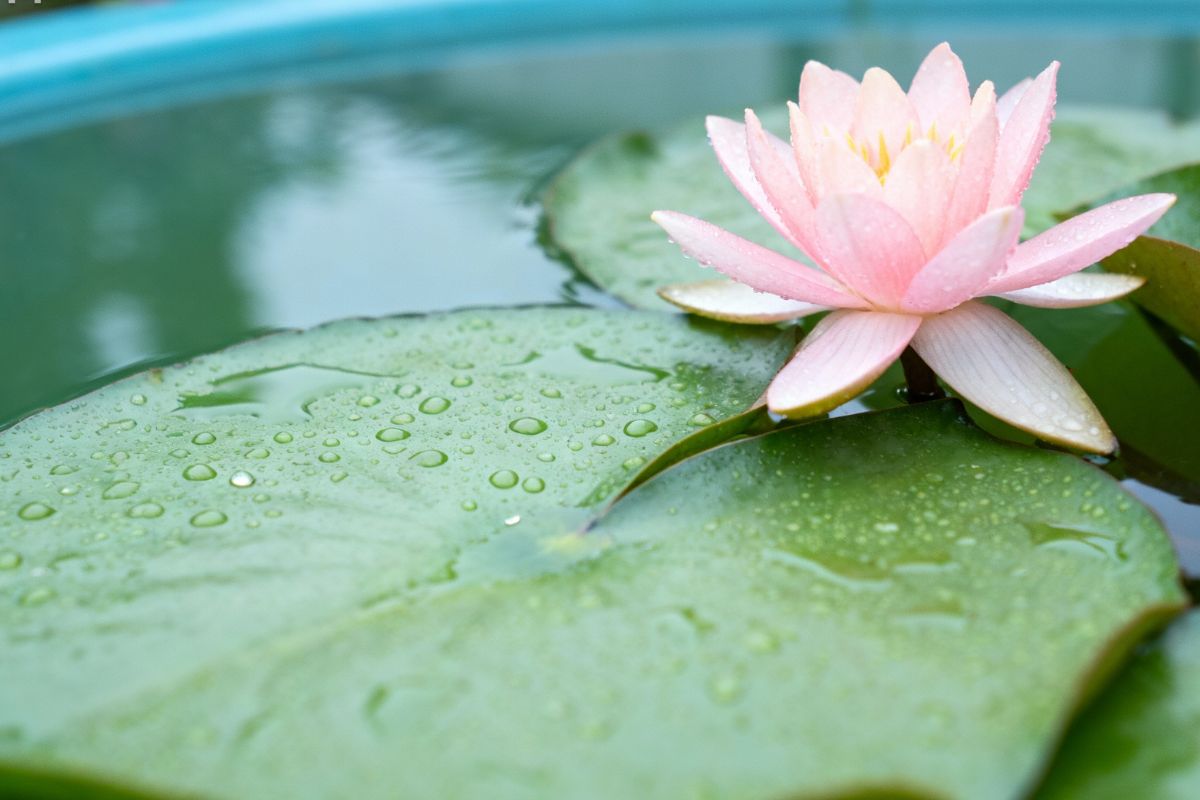
A backyard pond can transform your outdoor space into a place of relaxation, learning, and natural beauty.
The gentle sound of running water, the shimmer of sunlight on the surface, and the presence of fish and plants make it a peaceful escape for adults and an exciting discovery zone for children.
However, when kids are part of the household, safety becomes the most important part of pond design.
Why Safety Comes First in Family Pond Design
Children are naturally curious. The sparkling water of a pond is irresistible to them, which makes safety planning essential before you start building. While ponds can be a wonderful way to introduce kids to nature, they must be designed to prevent accidents.
A well designed kid safe pond should include shallow areas, strong barriers, non-slip surfaces, and clear visibility. With thoughtful preparation, your pond will become both a secure play space and a beautiful garden feature that the entire family can enjoy.
Step 1: Choosing the Right Location
Location is the foundation of pond safety. Choose a spot where you can easily keep an eye on your children. The pond should be visible from your main living area, such as the kitchen, patio, or deck.
Avoid building the pond near play zones, pathways, or doorways where children might run unexpectedly. Make sure the ground is level and stable to prevent slipping.
Sunlight is another factor. The pond should receive enough sun for plants to thrive but not so much that the water overheats or promotes algae growth. A well balanced location ensures both safety and ecosystem health.
Step 2: Designing a Shallow and Safe Pond
Depth is one of the most important safety considerations. A family pond should be shallow enough that a small child cannot fall into deep water.
For decorative or wildlife ponds, the maximum depth should generally be around 18 inches. Include shallow shelves or ledges around the edges where children or pets can step safely if they get close.
These shallow zones also provide ideal spots for aquatic plants, which add beauty while helping to filter the water naturally. If you plan to have fish, make the central part slightly deeper, but always include gradual slopes rather than steep drops.
Step 3: Creating Barriers and Fencing
Installing barriers or fencing around the pond is a smart way to add an extra layer of protection. Low garden fences, rock borders, or raised edges make it clear where the pond begins and help prevent accidental slips.
For families with toddlers, consider decorative metal or wooden fencing that blends with the landscape. Transparent safety screens or mesh covers can also be placed over smaller ponds when children are playing outside.
The goal is to maintain the pond’s beauty while ensuring that kids understand boundaries.
.jpg)
Step 4: Selecting Safe and Durable Materials
The materials you choose will affect both the pond’s appearance and safety. Avoid slippery surfaces and sharp edges.
- Rocks and Stones: Use smooth, flat stones instead of jagged ones to prevent cuts.
- Paths: Create pathways using textured stone or gravel for grip.
- Plants: Choose soft aquatic plants instead of thorny or toxic varieties.
Also, opt for materials that can withstand changing weather conditions. This ensures your pond remains safe and stable all year long.
Step 5: Adding a Solar Powered Fountain for Movement
Moving water is safer than still water because it discourages mosquitoes and helps keep the pond clean. A solar powered fountain pump provides gentle circulation while eliminating the need for electrical wiring, making it an ideal choice for family friendly ponds.
This eco friendly system uses sunlight to power smooth water movement that improves oxygen levels and maintains water clarity. The soft sound of flowing water creates a calming environment without producing strong splashes that could pose a risk to young children.
Step 6: Installing Proper Lighting for Nighttime Safety
Lighting plays a major role in safety and aesthetics. Properly placed lights allow you to enjoy your pond after dark while ensuring visibility for your family.
Pond Lights are an excellent choice because they are solar powered and waterproof. These lights automatically charge during the day and illuminate the pond area at night.
Soft, warm lighting highlights the beauty of the water, plants, and stones without creating harsh glare. Pathway lights around the pond also guide safe movement during evening hours.
Step 7: Integrating a Bird Bath for Educational Fun
Adding a small bird bath feature enhances your pond’s ecosystem and creates learning opportunities for children. The solar bird bath fountain is perfect for this purpose.
It provides gentle water circulation that attracts birds, allowing kids to observe nature up close. Watching birds bathe or drink from the fountain teaches children about wildlife behavior and environmental care.
This simple feature adds both educational and aesthetic value to your pond.
Step 8: Keeping the Water Clean and Healthy
Clean water is essential for safety and beauty. Stagnant or dirty water can attract insects or grow algae. Solar filtration systems and natural cleaning methods help maintain a healthy balance.
Use a small pond filter to remove debris and promote water circulation. You can also add beneficial bacteria products to break down organic waste.
Floating plants like water lettuce or duckweed naturally filter the water and provide shade, keeping the pond cool and clean.
Step 9: Regular Maintenance for a Safe Environment
Even a kid safe pond requires regular upkeep. Establish a simple maintenance routine to ensure your pond remains safe and functional throughout the year.
Weekly tasks include removing debris and checking water levels. Monthly inspections should focus on cleaning filters and ensuring the solar water fountain pump is free from dirt or blockages to maintain smooth and safe operation.
Step 10: Teaching Children Pond Safety Rules
Education is one of the most effective safety measures. Teaching children how to enjoy the pond responsibly builds awareness and reduces risks.
- Never play directly in or near the pond without an adult.
- Avoid running or pushing near the water.
- Always keep hands clean after touching pond plants or fish.
- Respect the fish, frogs, and birds living there.
Make pond safety a fun learning experience. Encourage kids to help with light maintenance tasks, such as feeding fish or adjusting solar panels, to develop a sense of responsibility.
Step 11: Creating a Comfortable Family Space
A kid safe pond should also serve as a family gathering spot. Surround it with comfortable seating, soft lighting, and easy access paths.
Adding benches, garden swings, or a picnic area nearby turns your pond into a relaxing outdoor retreat. Include colorful flowers or low-maintenance plants to enhance the view and attract butterflies.
This space becomes perfect for morning coffee, reading, or teaching kids about nature.
Step 12: Encouraging Wildlife and Learning
A pond provides endless learning opportunities for children. They can observe frogs, fish, and insects in their natural habitat, understanding how each creature contributes to the ecosystem.
Encourage curiosity by keeping a small net and magnifying glass nearby for safe observation. With adult supervision, kids can explore the fascinating life within and around the pond.
This connection with nature promotes appreciation for the environment and encourages mindfulness.
.jpg)
Step 13: Eco Friendly Choices for Sustainable Living
Choosing eco friendly pond products benefits both your family and the planet. Solar powered equipment eliminates the need for electrical wiring and reduces energy consumption.
By adopting solar technology, your pond becomes a model of modern environmental responsibility.
Step 14: Preparing Your Pond for Seasonal Changes
Seasonal changes can affect pond safety and maintenance.
- Spring: Check for winter damage and clean the pond before restarting the pump.
- Summer: Keep an eye on water levels and prevent algae buildup.
- Autumn: Use a net to catch falling leaves.
- Winter: If the pond is shallow, drain part of the water and store solar equipment indoors.
Each season brings unique care requirements. Adapting to them keeps your pond functional and family friendly throughout the year.
Step 15: Balancing Beauty and Safety in Design
Safety does not mean your pond cannot be beautiful. Use design elements that complement your garden while ensuring security.
Natural stone borders, soft curves, and plant-covered edges make the pond look organic. Adding solar fountains and lights enhances both visual appeal and practicality.
When designed thoughtfully, your pond becomes a centerpiece that delights children, impresses guests, and provides a peaceful environment for everyone.
Step 17: Inspiring Family Creativity
Building a pond together can be an enjoyable family project. Involve your children in choosing stones, planting aquatic plants, or decorating the pond area.
Allow them to suggest ideas for lighting or seating. This sense of involvement strengthens family bonds and gives children pride in contributing to something beautiful and lasting.
A pond created with love and teamwork becomes a treasured part of your home.
Final Thoughts
Designing a kid safe pond is about blending creativity, safety, and sustainability. With thoughtful planning, the right materials, and regular care, you can create a pond that your entire family enjoys without worry.


.svg)
.jpg)
.jpg)
.webp)