Powering Your Tiny Home: A Guide to Sustainable Energy and Efficiency

The appeal of tiny homes is easy to understand. Small-scale living promises lower costs and a lighter environmental footprint. However, once the excitement of minimalist design kicks in, many aspiring tiny homeowners hit the same wall. They start asking questions like “How does this actually work day to day, especially when it comes to energy?”
Powering a tiny home is about designing an integrated system that keeps your space well-lit without constant worry. This guide breaks down the essentials of sustainable energy and efficiency for tiny homes, helping you move from “tiny curious” to confident decision-maker.
Designing a Tiny Home That Feels Livable
One of the biggest fears people have when exploring tiny living is that their home will feel cramped, like a small clothes closet. Energy systems play a larger role in how livable a home is than most people realise. Poorly planned electrics, heating, or ventilation can quickly turn a beautiful small space into an uncomfortable one.
In a tiny home, every system must earn its place. Electrical panels, inverters, batteries, and heating equipment need to be accessible for maintenance. Good planning makes a tiny space feel huge. Every inch counts in your cozy room. If your water heater or electrical box is sitting in the middle of a wall, it ruins the flow of the room. Using custom service walls or hidden benches keeps the "engine" of the house out of the way. Equally important is ventilation. Efficient energy systems go hand in hand with fresh air management, especially in airtight, well-insulated tiny homes. condensation and overheating can become serious issues without proper airflow.
Understanding Your Energy Needs Before You Build
It’s essential to understand how much energy you actually need before choosing any technology. Tiny homes don’t magically consume less power unless they’re designed that way. Start by listing your daily electrical loads: lighting, refrigeration, cooking appliances, laptops, Wi-Fi, water pumps, and entertainment systems. Next, consider seasonal demands like cooling in summer. Many first-time builders underestimate heating loads, which can lead to uncomfortable winters.
Energy efficiency starts with demand reduction. You can get away with fewer solar panels and smaller batteries if your home has energy-efficient appliances like LED lighting. Stopping energy waste is better for your wallet than adding more power.
The Backbone of Tiny Home Energy
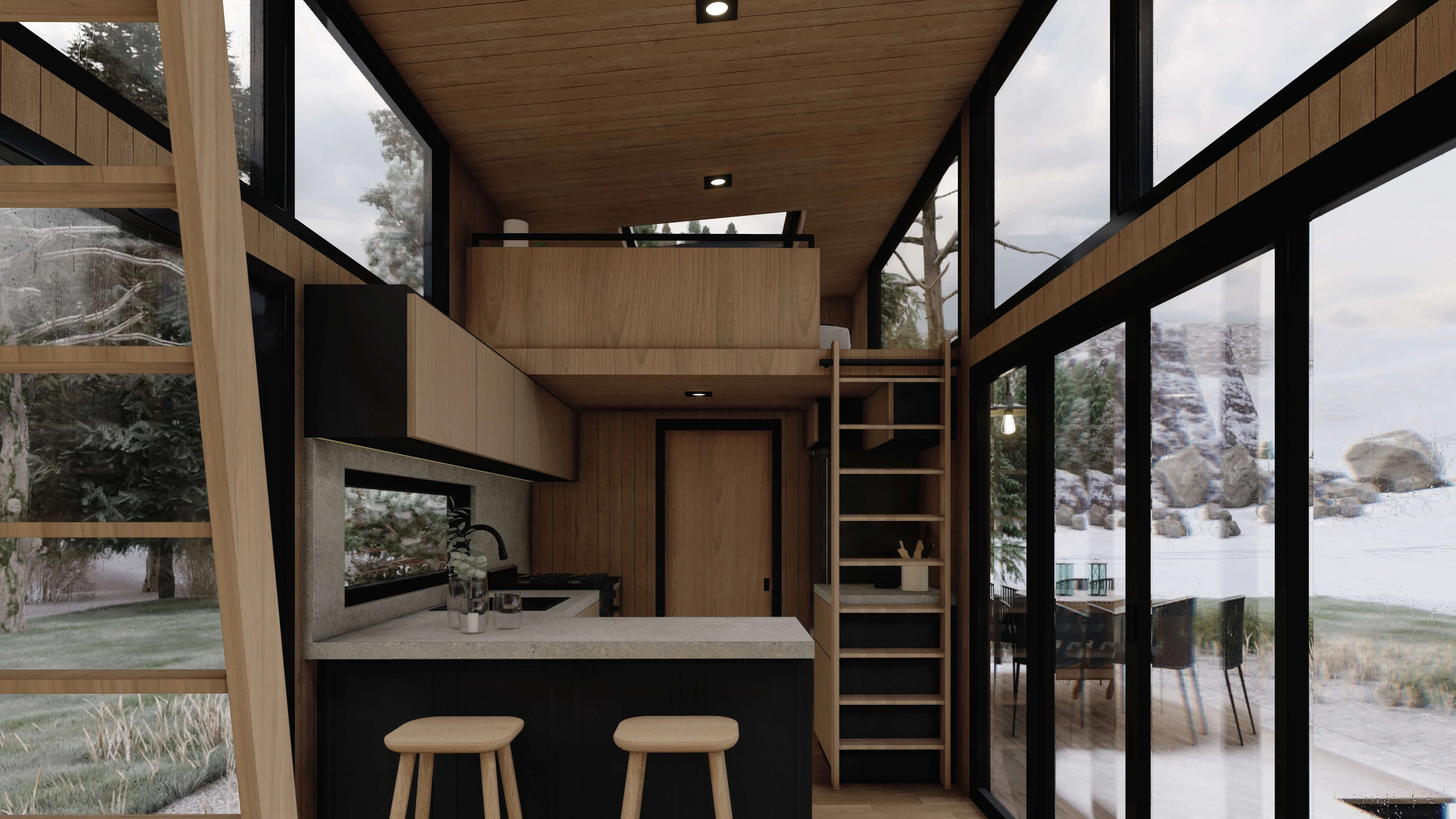
Solar energy is the backbone of the electrical system for many tiny homes. Roof-mounted solar panels are a natural fit for small dwellings, especially those designed for off-grid or semi-off-grid living. The important part is right-sizing the system. Too small, and you’ll constantly worry about running out of power. Too large, and you’ll waste roof space. A properly engineered solar setup balances panel capacity, battery storage, and inverter size to match real-world use. Battery technology has advanced rapidly, with lithium-based systems offering longer life and better performance in compact spaces. These batteries are particularly well-suited to tiny homes, where space matters.
Heating and Cooling in Small Spaces
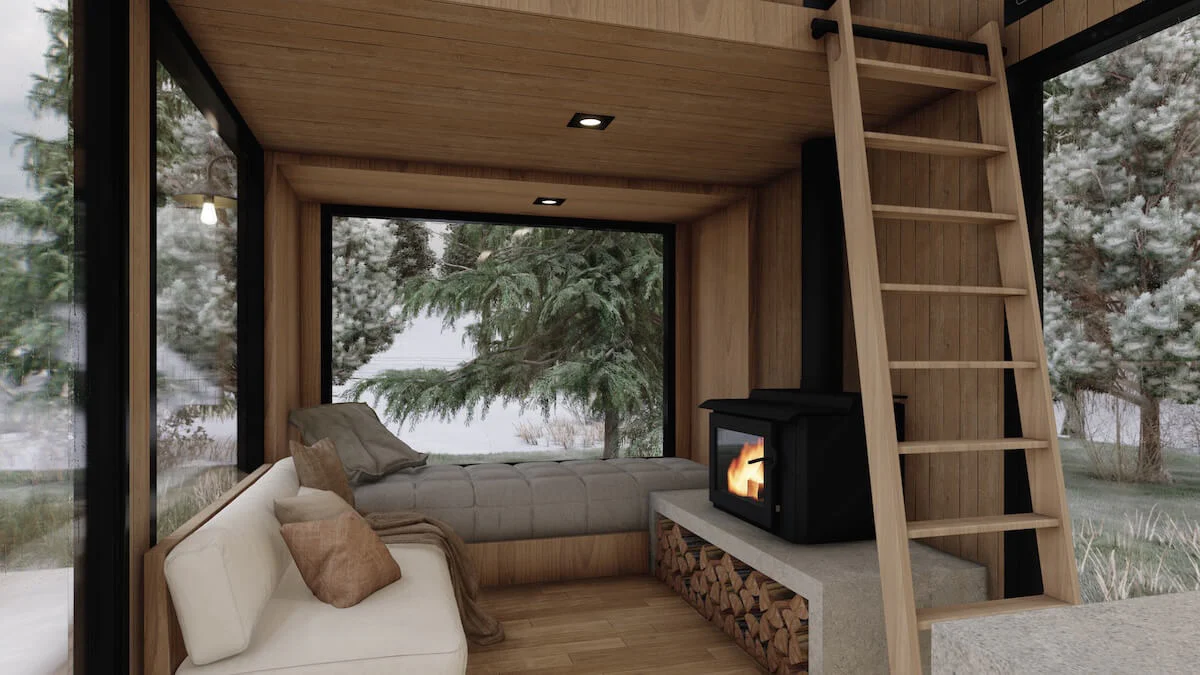
Heating is often the most intimidating energy challenge for tiny home owners. Traditional radiators rarely make sense at this scale. Modern solutions like air-source heat pumps and high-efficiency panel heaters are becoming popular instead. Heat pumps deserve special mention. They can provide both heating and cooling while using far less electricity than conventional systems. In a well-insulated tiny home, a small heat pump can maintain comfortable temperatures year-round without overwhelming the electrical system.
Cooling shouldn’t be ignored either. Overheating is common in small, well-insulated spaces, especially in summer. Passive design strategies, such as natural ventilation, reduce cooling loads before mechanical systems are even considered.
Hot Water Without the Headaches
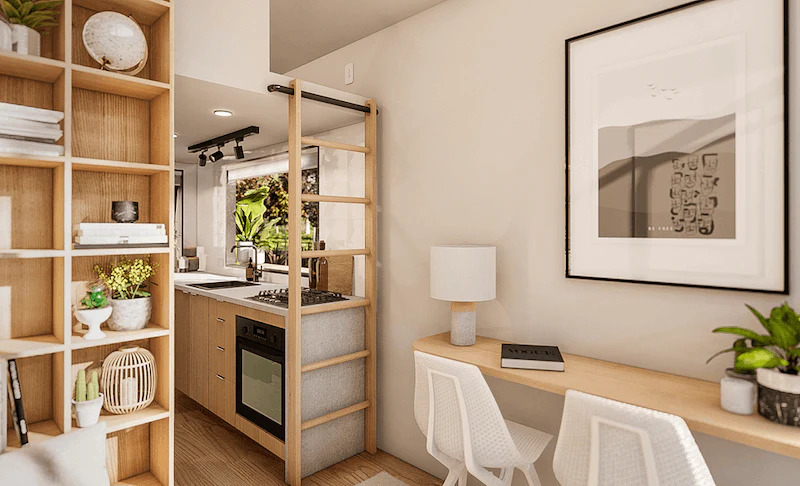
Hot water is another area where tiny homes require careful planning. Large tanks are impractical. Undersized systems are no different. On-demand electric water heaters or compact heat pump water heaters paired with solar power are often the best fit. The goal is reliable hot water without excessive energy draw during peak usage times.
Reliability, Safety, and Professional Engineering
One of the biggest concerns for tiny home builders is reliability. Many people worry about hiring contractors who don’t fully understand small-scale systems because the industry is relatively new. This is where professional engineering becomes critical. Companies like cinergi.co.uk specialise in designing energy and mechanical systems that are efficient, safe, compliant, and future-proof. Having systems professionally developed reduces the risk of electrical faults later on. Professional input can also help ensure systems remain safe under movement, for mobile tiny homes or unconventional builds.
Navigating Regulations and “Where Do I Put It?”
Energy design doesn’t exist in a vacuum. Local regulations often dictate what systems you’re allowed to install and where you can live. Some areas restrict off-grid living. Others require grid connection or specific safety certifications. Electrical systems, especially in mobile or semi-permanent structures, may need to meet building rules typically designed for much larger homes. Understanding them early can save months of frustration. Energy professionals familiar with local regulations can help design systems that comply without sacrificing efficiency.
Tiny Living, Big Community
Tiny home living is all about people. Many aspiring tiny homeowners are drawn to the sense of community around minimalism in alternative housing. Energy independence often becomes a shared topic at online forums. Learning from others’ experiences, both successes and mistakes, can help refine your own plans. Community-driven knowledge is especially valuable when paired with professional design guidance.
A Sustainable Path Forward
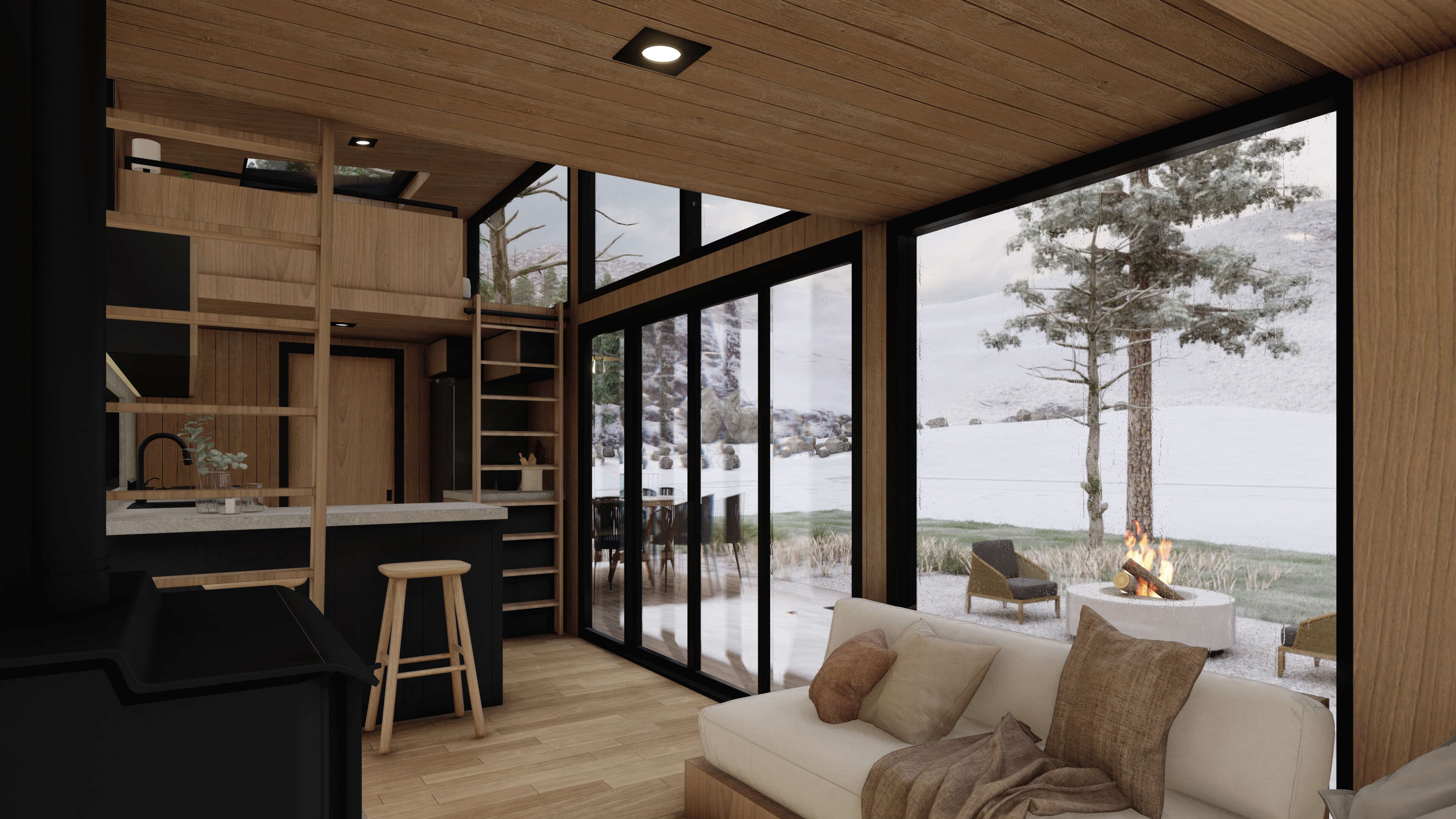
One can power a micro-home without compromising on energy that serves for a long time. It delivers reliability when done well while reducing environmental impact and long-term costs. Your tiny home can feel livable and genuinely empowering by focusing on efficiency first, understanding your real energy needs, and working with trusted professionals. Tiny living becomes more about what you gain: control over how you live with the right systems in place.
Conclusion
Powering a tiny home sustainably is one of the most important design decisions you will make. Energy systems shape how comfortable your home feels in winter. Even the most beautifully designed tiny home can feel lacking when energy planning is treated as an afterthought. However, a tiny home can feel surprisingly warm when it is done well. The key takeaway for aspiring tiny homeowners is that sustainability starts with efficiency. Reducing energy demand through insulation, smart layouts, and efficient appliances makes every other decision easier. From there, renewable systems such as solar power can be sized accurately to support real-world living. This approach eliminates much of the anxiety around running out of power.
Tiny homes sit outside many conventional housing norms. Professional engineering provides reassurance that systems are built to last. Thoughtful design ensures that electrical and heating systems integrate seamlessly into the structure, without maintenance issues. This level of planning is what turns a tiny house from an experiment into a dependable home.
Ultimately, sustainable energy is about intentional living. Choosing systems that work quietly in the background while you enjoy the benefits of a simpler way of life. A tiny home can deliver more than efficiency with a clear understanding of your needs. Other plus points are confidence, resilience, and long-term peace of mind.


.svg)