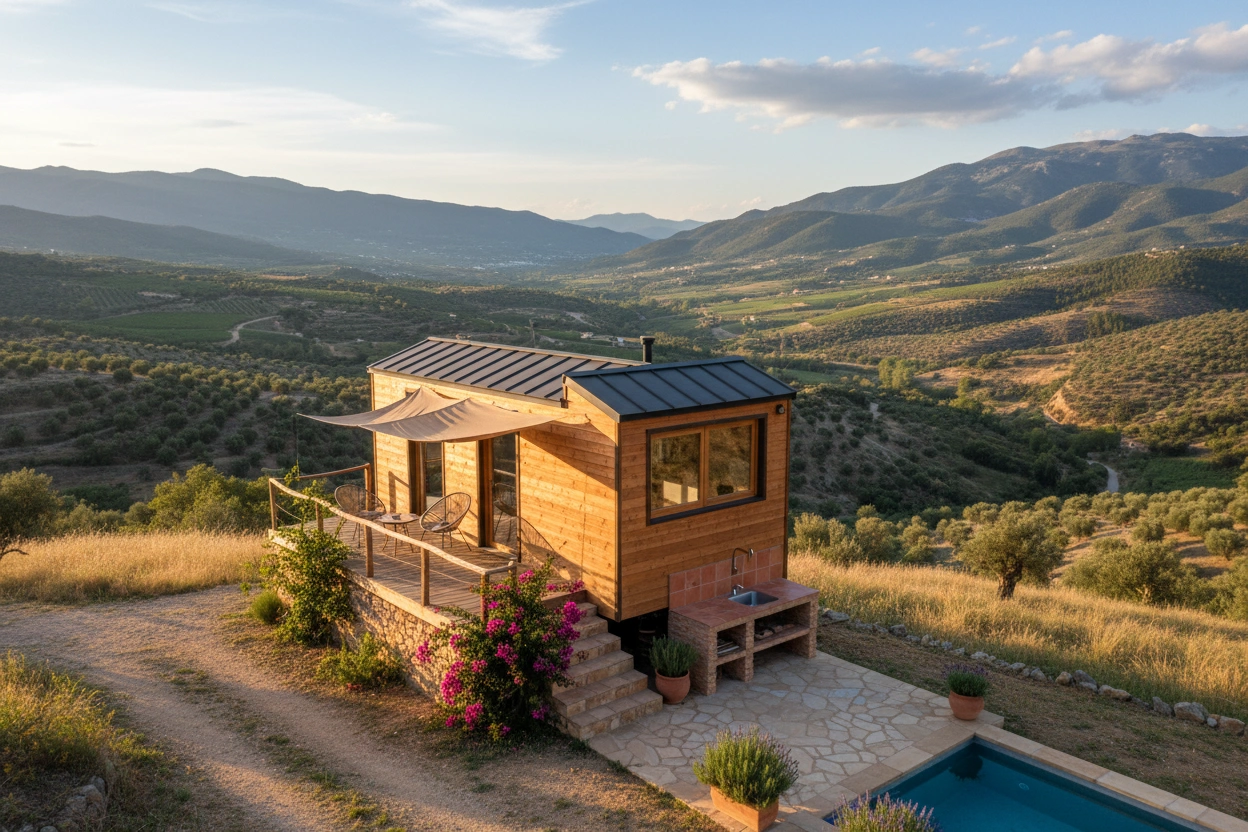
The Tiny House Boom Is Real, Here’s What Construction Teams Need to Get Right Now

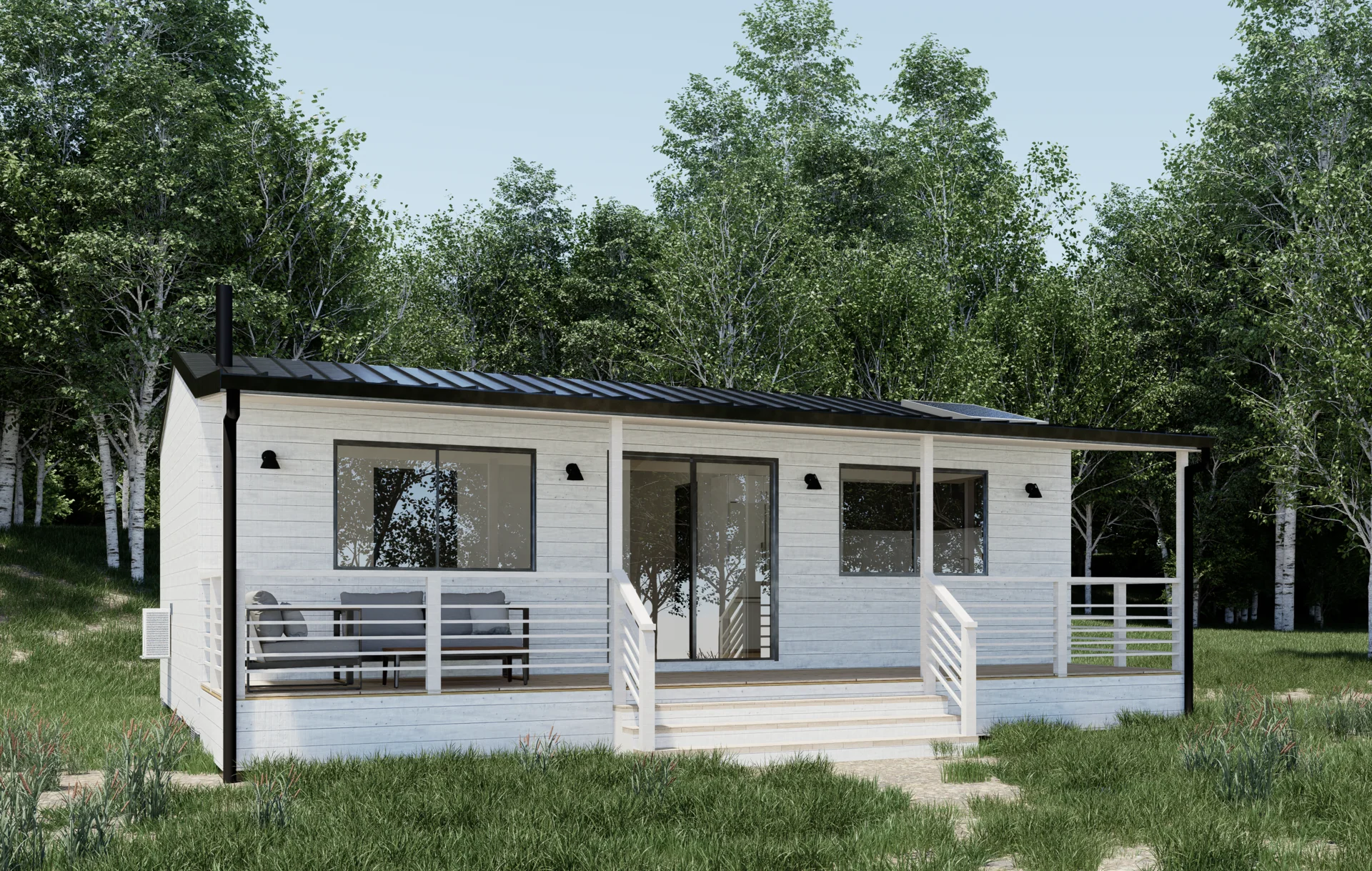
The tiny house market has crossed out of novelty territory and landed squarely in the grown up housing conversation. What started as a niche idea fueled by minimalism and wanderlust now sits at the intersection of affordability, zoning debates, sustainability, and a very real housing shortage.
For construction teams, this moment brings opportunity and pressure in equal measure. Building small does not mean thinking small, and crews that succeed in this space are the ones that treat tiny homes as a serious discipline with its own demands, rhythms, and expectations.
Understanding the Market You’re Actually Building For
Tiny homes attract a wide range of buyers, from retirees downsizing with intention to younger families priced out of traditional housing, plus municipalities exploring accessory dwelling units as policy tools. That mix creates a market that is emotionally driven and financially precise at the same time.
Clients often know exactly what they want and exactly what they can afford, which leaves little room for error. This is where understanding the state of the field service management market matters more than it might seem.
Efficient scheduling, clean documentation, and tight communication are no longer back office details. They are the difference between a project that stays profitable and one that quietly bleeds time and goodwill.
Construction leaders who treat tiny homes as scaled down versions of conventional builds tend to struggle. The margins are thinner, timelines are tighter, and clients notice everything.
Teams that study the market, invest in modern operations, and align their processes with today’s expectations are the ones still standing after the initial excitement fades.
.webp)
Design Precision Is Not Optional at This Scale
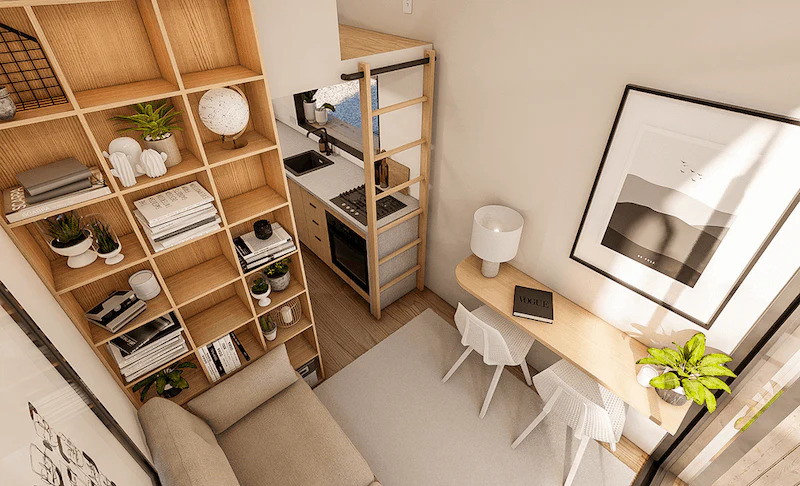
In a tiny house, every inch has a job. A missed measurement or late design change can cascade through the entire build, forcing rework that eats up time and budget.
Successful teams lock down designs early and collaborate closely across trades, ensuring that electrical, plumbing, and structural elements are coordinated from the start. This is also where specialized knowledge pays off.
Crews who learn from tiny house experts understand the unique challenges around weight distribution, mobile foundations, insulation strategies, and local code interpretation. That expertise does not come from guesswork or one off projects.
It comes from repetition and a willingness to learn from people who have already made the mistakes.
Clients in this space are often deeply involved and emotionally invested. Clear design communication builds trust and prevents late stage surprises that can sour the relationship. When expectations are aligned early, the build moves faster and finishes stronger.
Crew Readiness and Workflow Matter More Than Square Footage
Tiny house builds may look simple on paper, but they demand tight coordination on the ground. Crews need to move fluidly, adapt quickly, and keep workspaces organized in confined conditions. This is where technology quietly becomes a competitive advantage.
Tools that give your techs the tools to stay organized: no digging through paperwork or scrolling through contacts. can dramatically reduce friction on site. When information is accessible and updates are shared in real time, small problems stay small instead of turning into delays.
Training also plays a role here. Teams that understand the why behind tiny house construction work with more care and confidence. They see how their piece fits into the whole, which improves quality and morale at the same time.
Regulations Are Local, Details Are Everything
Unlike traditional homebuilding, tiny houses exist in a patchwork of rules that vary by city, county, and state. Some jurisdictions welcome them as affordable housing solutions, others restrict them heavily, and many sit somewhere in between. Construction teams that succeed learn how to navigate this landscape without burning time or trust. That means staying current on zoning changes, understanding accessory dwelling unit rules, and communicating clearly with clients about what is and is not allowed.
This regulatory complexity reinforces the need for strong internal systems. Documentation, permits, and inspections need to be tracked meticulously. When teams can present organized records and clear timelines, they earn credibility with both clients and local officials.
Client Experience Is the Product as Much as the House
Tiny house clients tend to talk. They share their builds online, document progress on social media, and recommend builders within tight knit communities. A smooth experience becomes free marketing, while a rocky one can linger longer than a cracked cabinet door. Construction leaders who invest in communication, transparency, and follow through build reputations that travel fast.
That does not mean overpromising or rushing work. It means setting realistic timelines, explaining tradeoffs honestly, and treating clients like partners rather than obstacles. In a market driven by trust and word of mouth, professionalism compounds quickly.
Building Small With Big Intent
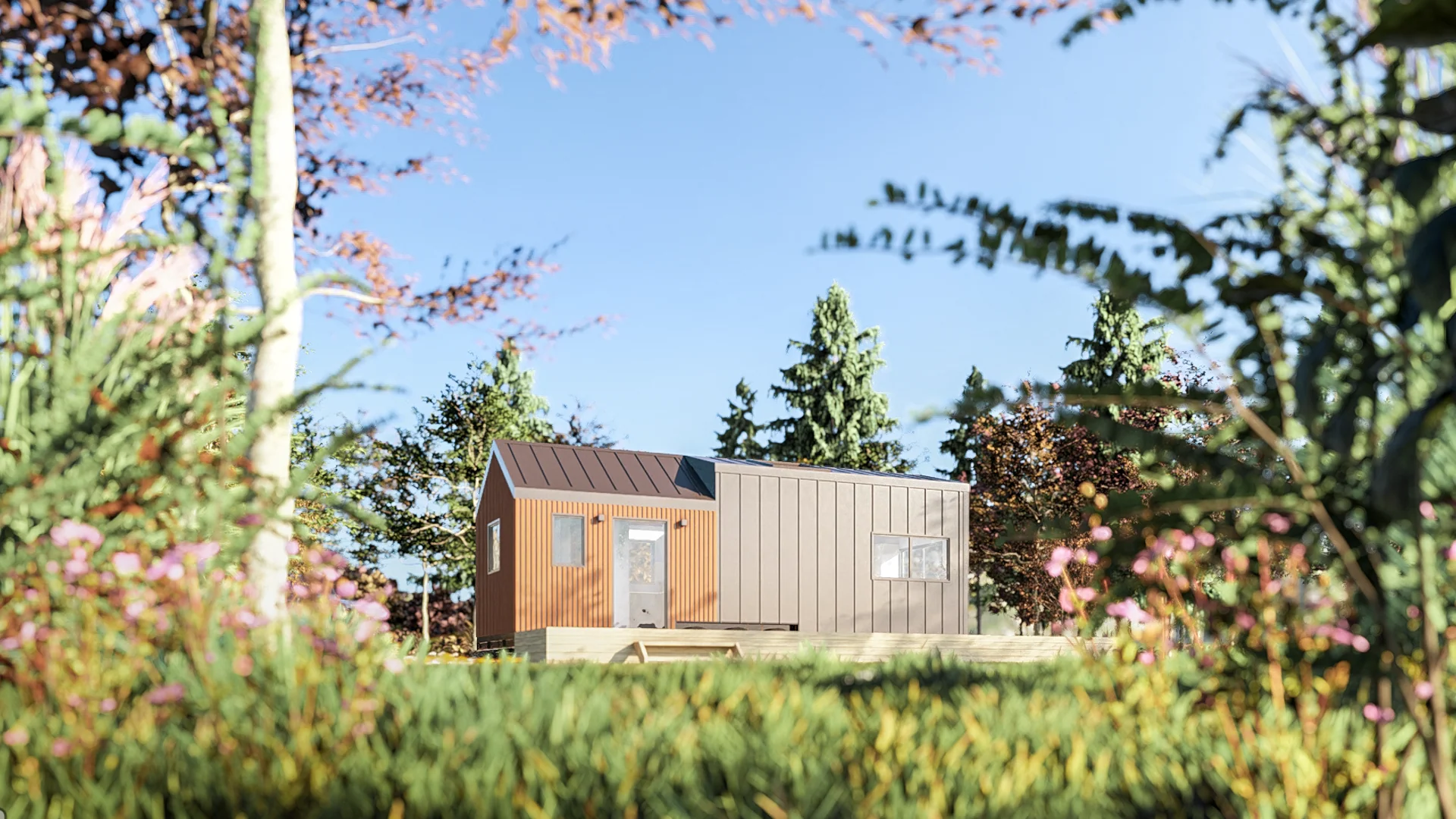
The tiny house market rewards teams that approach it with seriousness and respect. It is not a shortcut around traditional construction challenges, but a concentrated version of them. Success comes from understanding the market, investing in people and systems, and delivering quality with consistency.
Tiny houses are not a passing trend, and the teams that thrive will be the ones that adapt their mindset as much as their methods. By focusing on precision, organization, and client experience, builders can turn compact spaces into durable businesses. The opportunity is real, but it belongs to crews willing to build smart, stay flexible, and treat every square foot like it matters, because in this market, it truly does.


.svg)