6 Myths About Putting a Tiny House on Land in Portugal

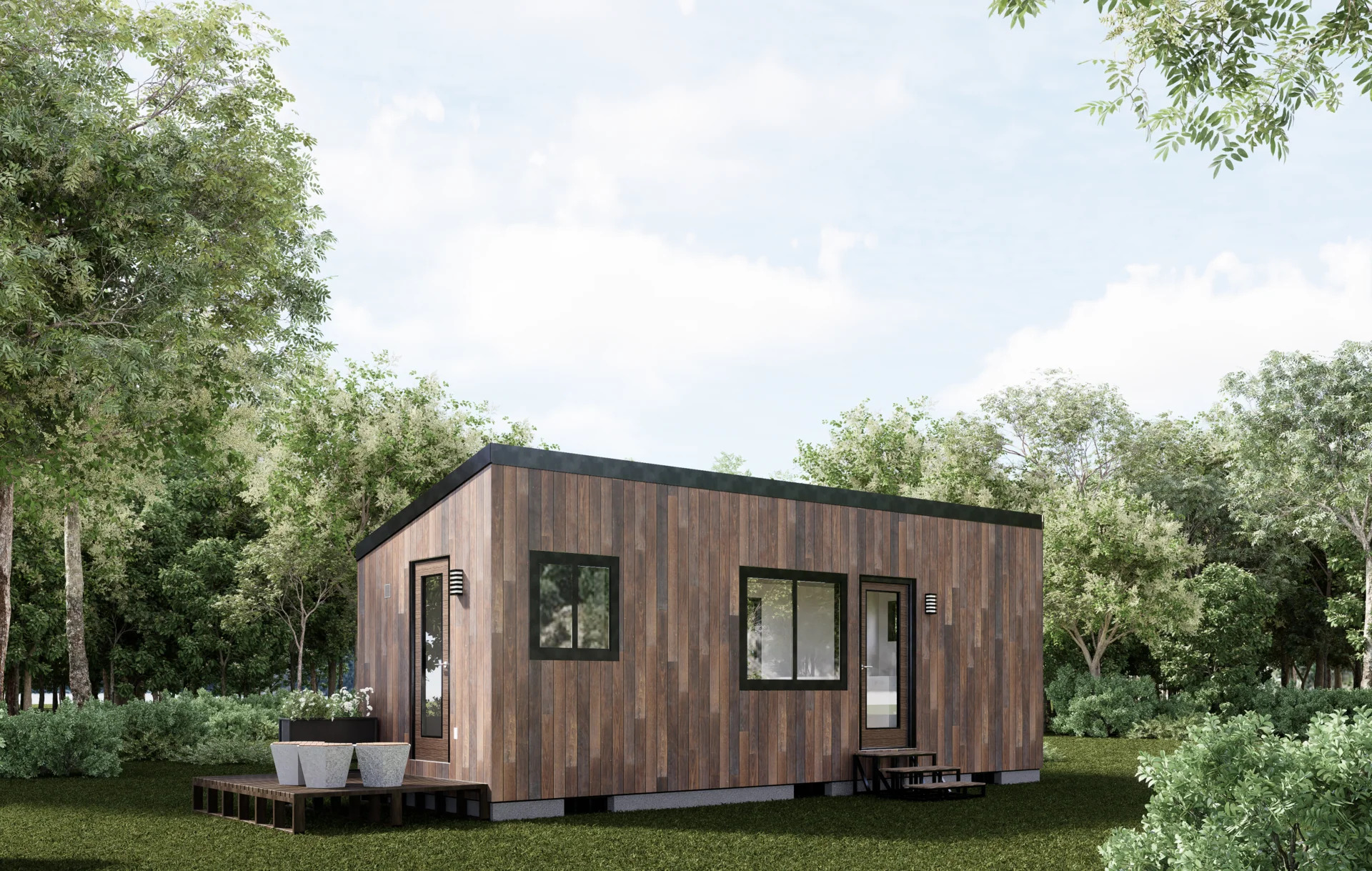
The cheapest land in Portugal is usually land you are not allowed to live on.
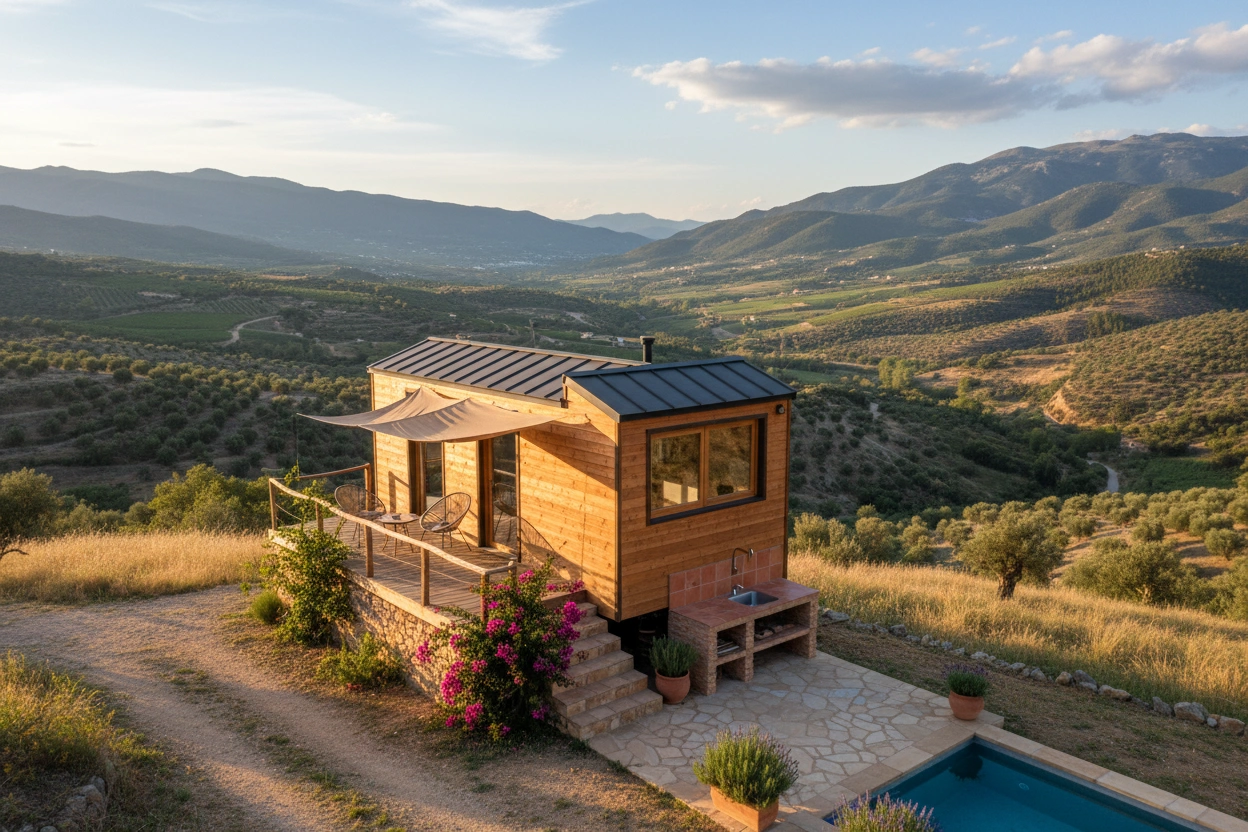
That comes as a shock to many people who arrive with a tiny house plan and a browser full of cheap olive-grove listings. Portugal is a good country for living small. The winters are mild, the inland villages have space, and a modest footprint makes sense on a modest budget. The rules that decide where a home can stand, though, were written for farmhouses and apartment blocks, and a 30-square-metre home on a trailer fits neither. Most of the costly mistakes start with one of these six assumptions.
1. "Rural land is fine, because a tiny house barely touches it"
Every plot in Portugal is registered as rústico (rural), urbano (urban) or misto, a mix of the two. Rural land is meant for farming, forestry and nature, and building a new home on it is tightly restricted. Many rural plots also sit inside the national agricultural reserve (RAN) or the ecological reserve (REN), where new housing is close to impossible.
The size of your house does not change the classification of the ground under it. What decides what you can put there is the municipal master plan, the PDM, which each câmara (town council) publishes. Read it before you visit the plot.
2. "It has wheels, so it isn't a building"
Portugal has no national tiny house law, so a home on a trailer has no clean legal category. Councils tend to look at how the thing is used rather than how it moves. A unit that stays in one place, is plumbed in, draws power and is lived in all year starts to look like a dwelling, and a dwelling needs planning approval and a licence of use (licença de utilização).
Wheels help when you want to move. They are not a reliable way around the planning office.
.webp)
3. "The ruin on the plot means I can build"
Listings often point to an old stone ruin as proof that a house is allowed. Sometimes it is. Sometimes the ruin was never registered as urban, or it was a storehouse or an animal shelter, and it gives you no right to rebuild it as a home.
The documents tell you which case you are in. The land registry certificate (certidão permanente) and the tax record (caderneta predial) show what is registered and how. A dwelling built after 1951 should also have a licence of use. When the papers and the stones disagree, go with the papers.
4. "I'll dig a well and put in a septic tank"
Water and waste are where off-grid plans meet the most paperwork. Wells and boreholes (furos) need a permit or registration with the Portuguese Environment Agency (APA), and the conditions depend on how deep you drill and how much you draw.
Wastewater is regulated too. A septic tank, or a sealed tank that a truck empties, has to be approved, and the council will ask about it before it signs off on a dwelling. Budget for both systems, and for the time the permits take.
5. "Off-grid means nobody needs to know about my power"
Solar panels and a battery bank suit a small home in a country with this much sun. Generating your own electricity still falls under national rules. Depending on the size of the system and whether it connects to the grid, you may need to register it with the energy directorate, DGEG, or have it certified.
Keep the installer's paperwork in a folder you can find. An insurer, a bank or a future buyer will ask to see it.
6. "Foreigners can't buy land in Portugal"
This one stops people before they start, and it is wrong. Portugal places no restrictions on buyers based on nationality or residence, so you can buy rural or urban land on the same terms as a Portuguese citizen. You will need a Portuguese tax number (NIF), and buyers from outside the EU usually need a fiscal representative to get one (the eight stages, from the NIF to the Land Registry, are laid out in this step-by-step guide to buying property in Portugal). The taxes follow the land type: transfer tax (IMT) on rural land is 5 percent, and stamp duty adds 0.8 percent of the price.
Before you pay a deposit
The plots that work for a tiny house tend to be urban or mixed land at the edge of a village, with road access and water and power close by. They cost more than the bargain olive groves, and they come with far fewer surprises.
Before you pay a reservation fee on any plot, send the local câmara a Pedido de Informação Prévia (PIP) that names that exact plot and describes exactly what you want to put on it, and wait for the written answer.


.svg)