Tiny House Skirting Ideas: Affordable Solutions for All Seasons

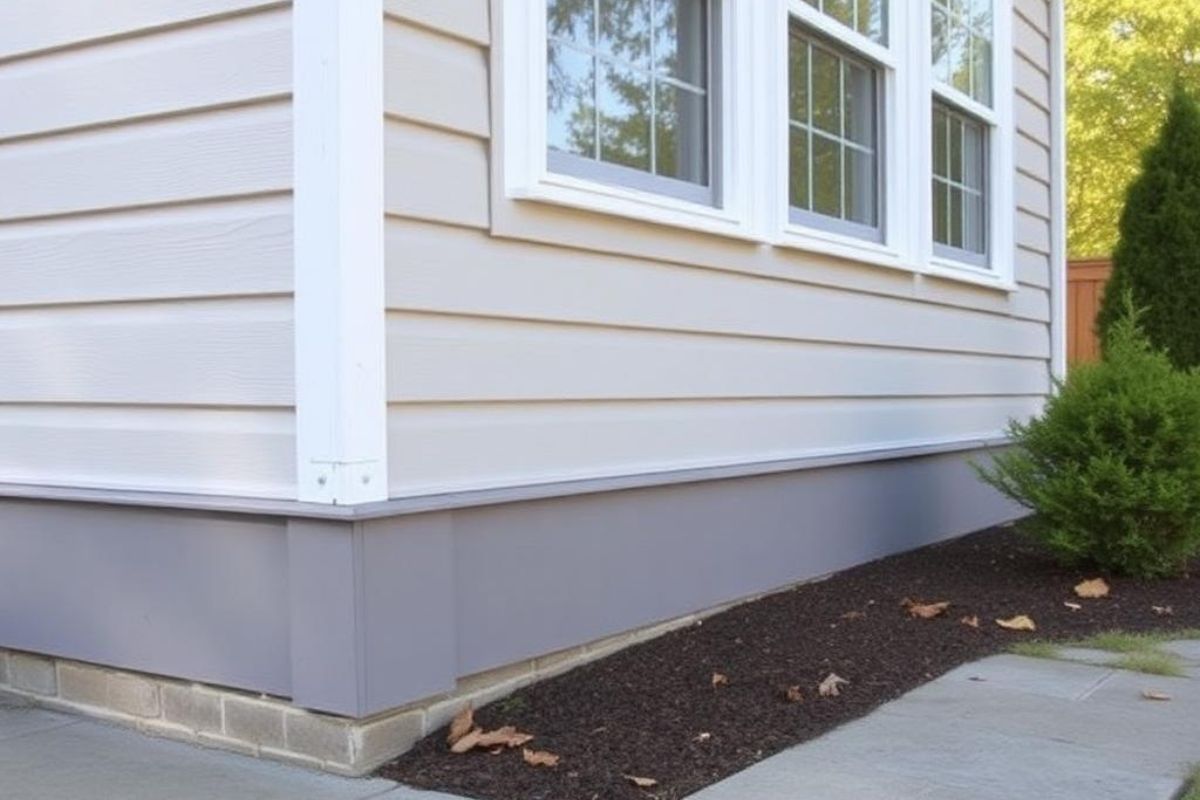
For affordable year-round tiny house skirting, try pressure-treated plywood, vinyl panels, or corrugated metal—they’re easy to install and resist weather. You can add insulation like foam boards or seal gaps with caulk to improve comfort and efficiency. Paint, plantings, or lattice work can help your skirting blend into the landscape, boosting curb appeal. Don’t forget to inspect for damage each season so your skirting lasts. Want simple DIY tips, insulation tricks, and low-maintenance solutions? Keep going!
- Use budget-friendly materials like pressure-treated plywood, vinyl panels, or lattice for cost-effective skirting.
- Add rigid foam insulation or spray foam inside skirting to improve energy efficiency and comfort year-round.
- Incorporate vent panels or gaps to ensure proper airflow and prevent moisture buildup beneath your tiny house.
- Blend skirting with the landscape using earth-tone colors, faux stone panels, or by planting shrubs and climbing vines.
- Maintain skirting by regularly inspecting for damage, clearing debris, and resealing or repainting as needed for durability.
Budget-Friendly Skirting Materials You Can Use
When you're looking to skirt your tiny house without breaking the bank, several affordable materials can deliver both function and curb appeal. Consider pressure-treated plywood—it's sturdy, easy to cut, and resists rot. Corrugated metal panels add a modern touch while standing up well to weather. Concrete backer board is another budget-friendly option, especially if you want a more finished look and added insulation. Vinyl skirting, often used for mobile homes, snaps together easily, making installation quick and affordable. If you want a natural vibe, try lattice panels; they're lightweight and allow airflow, reducing moisture problems. Always measure your perimeter before buying materials, and make sure whatever you choose offers ventilation to prevent mold. Prioritize durability and local climate suitability.
DIY Skirting Projects for Every Skill Level
Whether you’re a seasoned DIYer or just picking up your first set of tools, you can tackle tiny house skirting projects that match your skills and confidence. For beginners, consider using pre-cut panels like vinyl or pressure-treated plywood. Measure your perimeter, cut panels to size, and attach them with screws or stakes—no fancy equipment needed. Intermediate DIYers might try constructing simple wood frames and attaching lattice or corrugated metal for a custom look. If you’re experienced, create hinged access panels or decorative trim for a polished finish. Remember to leave vents for airflow and check that your skirting sits snugly against the ground to keep pests out. With the right approach, you’ll improve your home’s look and function in just a weekend.
Insulation Tips to Maximize Year-Round Comfort
.jpg)
After you've chosen or built the right skirting for your tiny house, it's time to focus on keeping your space comfortable through every season. Proper insulation is key—start by adding rigid foam boards or spray foam to the inside of your skirting. These materials block cold drafts in winter and help keep things cool during summer. Seal all gaps and seams with weatherproof caulk or expanding foam to prevent air leaks. Don’t forget to insulate any access panels or vents you need for plumbing. If moisture is a concern, install a vapor barrier on the ground beneath your tiny house. Regularly check for damage or gaps, especially after storms. With these steps, you’ll maximize comfort and energy efficiency year-round.
Creative Ways to Blend Skirting With Your Landscape
Although skirting serves a practical purpose, you don’t have to sacrifice style or curb appeal. To blend your skirting with the landscape, start by choosing materials and colors that match your surroundings. For example, use faux stone or brick panels if you want a natural look, or select earth tones that echo nearby plants and soil. You can plant low shrubs, flowers, or ornamental grasses right along the skirting’s base to soften hard edges and create visual harmony. Consider adding lattice panels with climbing vines for a lush, dynamic effect. If your tiny house sits on a slope, stagger the skirting height to follow the contour of the land. With thoughtful choices, your skirting will complement the environment and boost your home’s charm.
Maintenance Hacks to Keep Your Skirting Durable
If you want your tiny house skirting to last, regular upkeep makes all the difference. Start by inspecting your skirting every season—look for cracks, warping, or signs of pests. Clear away leaves, dirt, and debris that trap moisture and cause rot. If you spot mold or mildew, scrub it with a mild cleaner and let it dry completely. Tighten any loose fasteners and replace damaged panels right away to prevent further wear. For wood skirting, reseal or repaint annually to guard against weather damage. With vinyl or metal, wash it down occasionally to maintain its finish. Don’t forget to check vents for blockages so air can circulate freely beneath your house. These simple habits keep your skirting sturdy year-round.
Conclusion
With the right skirting, your tiny house stays cozy, efficient, and stylish all year long. Don’t be afraid to get creative—mix affordable materials, tackle doable DIY projects, and always add insulation for comfort. Blend your skirting with landscaping to boost curb appeal, and remember, regular maintenance keeps everything in top shape. By following these practical tips, you’ll protect your home, save money, and enjoy your tiny house in every season. Start your skirting project today!


.svg)
.png)
.jpg)