Top 5 Tiny House Roofing Materials for Every Climate

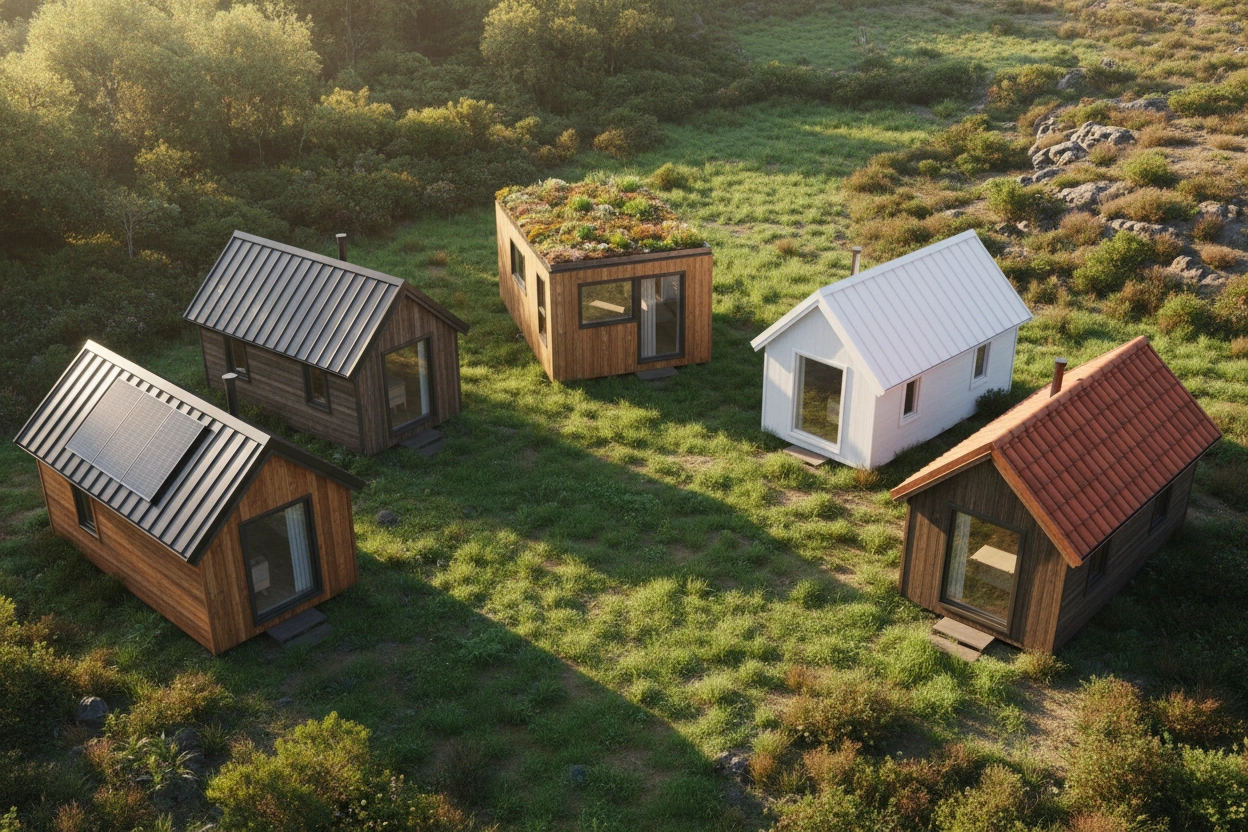
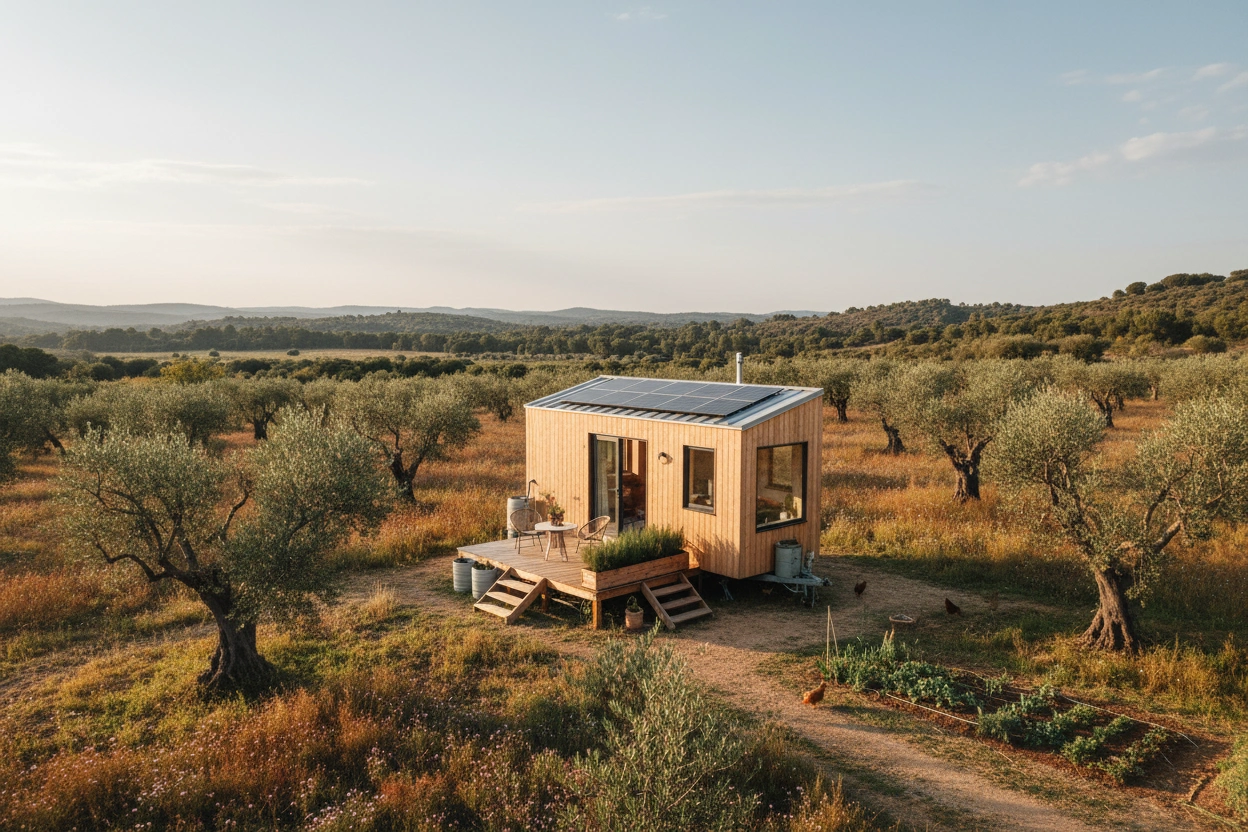
The tiny house movement has gained significant traction in recent years, offering an innovative solution to the challenges of housing affordability and sustainability. One of the most critical aspects of building a tiny house is selecting the right roofing material, as it plays a vital role in protecting the structure from weather elements, enhancing aesthetic appeal, and ensuring energy efficiency. Given the diverse climates across the globe, the choice of roofing material can significantly impact the longevity and comfort of your tiny home. This article will explore the top five tiny house roofing materials suitable for various climates, providing insights into their advantages, installation considerations, and suitability for tiny house roofing.
1. Metal Roofing: Durability and Versatility
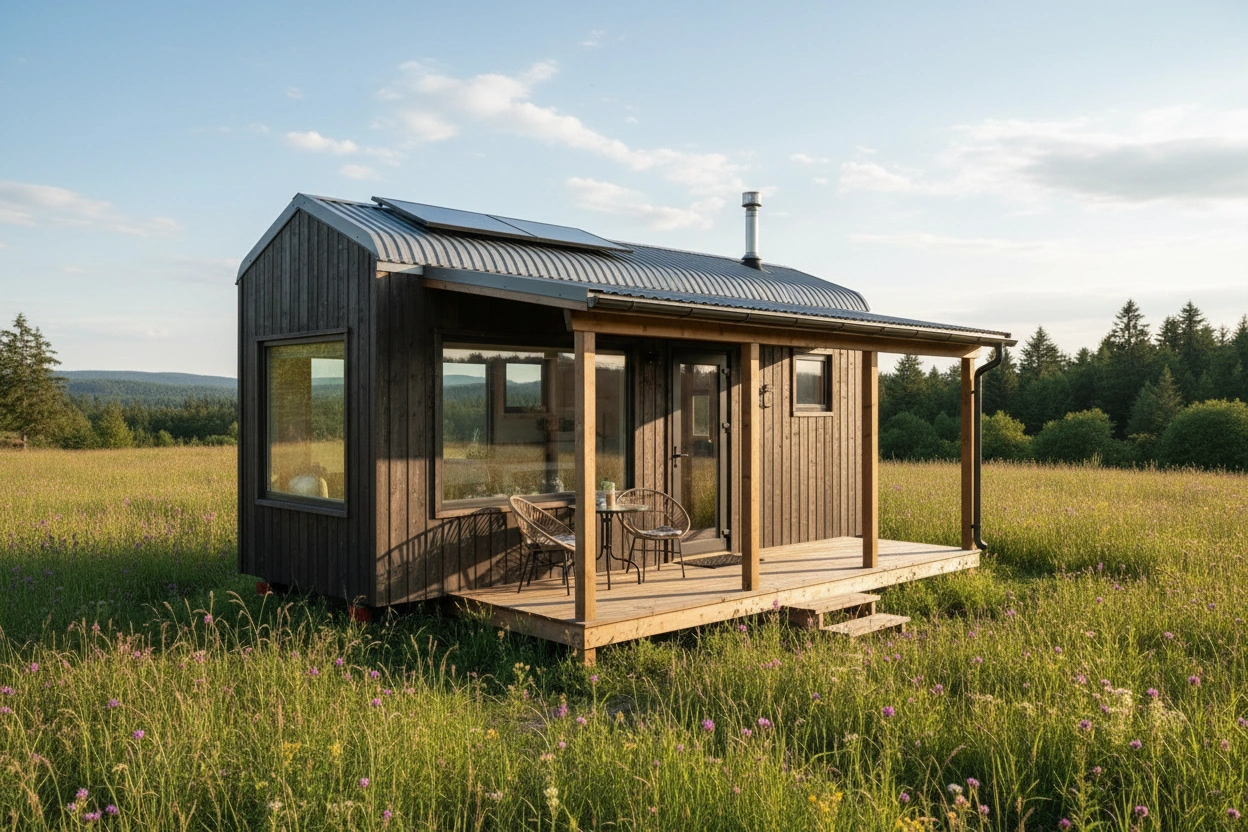
Metal roofing is a popular choice among tiny house builders due to its exceptional durability and versatility. Composed of materials such as aluminum, steel, or zinc, metal roofs can withstand harsh weather conditions, including heavy rain, snow, and high winds. One of the most significant benefits of metal roofing is its longevity; a well-maintained metal roof can last over 50 years, making it a cost-effective option in the long run.
When considering metal roofing for tiny house roofing, it is essential to select the right type based on your climate. In areas with high snowfall, a standing seam metal roof, which features raised interlocking seams, can prevent snow accumulation and reduce the risk of leaks. Additionally, metal roofs are energy efficient, reflecting sunlight and helping to regulate indoor temperatures, which is particularly beneficial in warmer climates. roofing problems after storm damage
Installation Considerations
Installing a metal roof requires careful planning and execution. The roof structure must be adequately framed to support the material's weight, and proper insulation is essential to prevent condensation. It's advisable to consult with a professional roofing contractor experienced in tiny house roof installation to ensure optimal results.
Working with experienced Woodland Hills roofing services can help ensure the installation is handled correctly from the start. Professionals can guide you through material choices and structural requirements based on your specific climate.
2. Asphalt Shingles: A Budget-Friendly Option
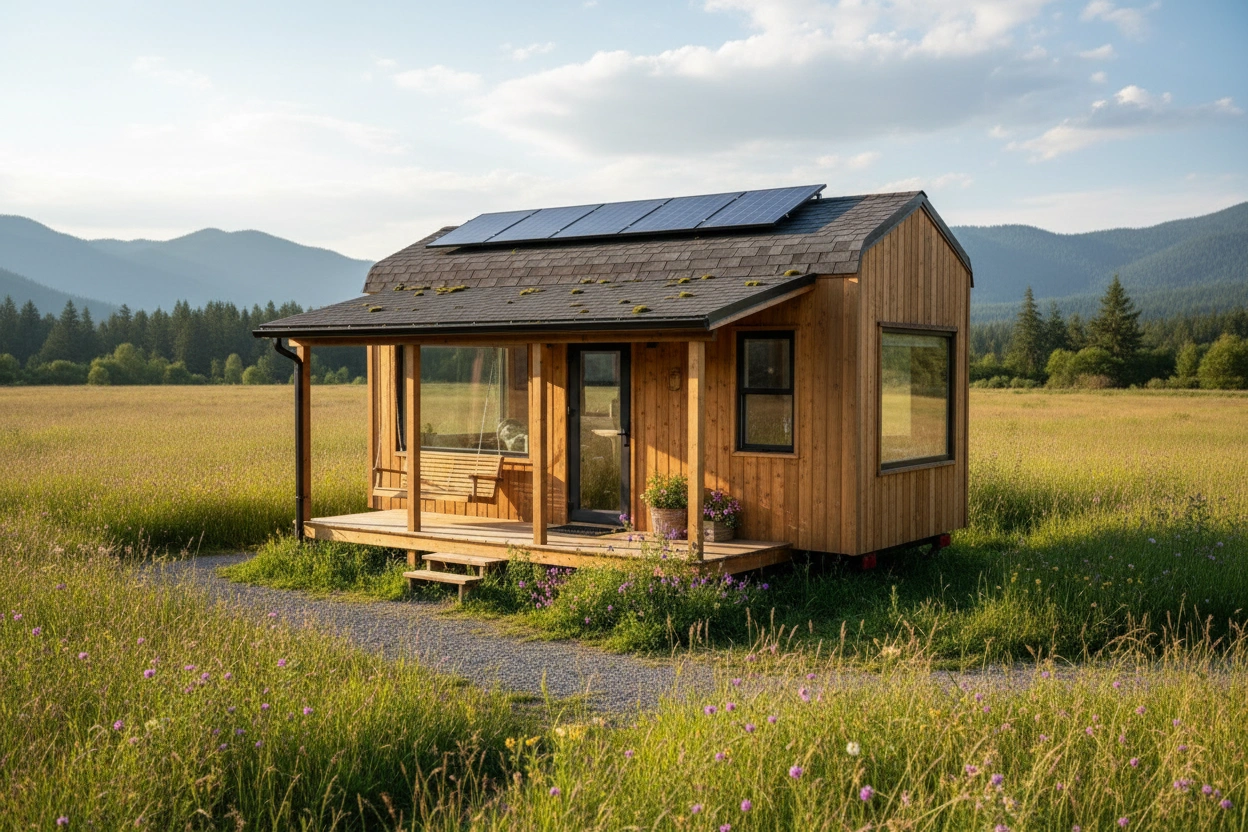
Asphalt shingles are one of the most common roofing materials used in residential construction, and they are equally suitable for tiny houses. They are affordable, easy to install, and come in various colors and styles, allowing homeowners to customize their roofs according to their preferences. Asphalt shingles are particularly effective in temperate climates, providing adequate protection against rain and wind.
One of the primary advantages of asphalt shingles is their relatively low maintenance requirements. They are resistant to UV rays and can last up to 30 years with proper care. However, in extreme climates, such as areas with intense heat or heavy snowfall, asphalt shingles may require additional protective measures to enhance their lifespan.
Installation and Maintenance Tips
For tiny house roofing, ensure that your roof deck is smooth and free of debris before installing asphalt shingles. Adequate ventilation is crucial to prevent moisture buildup, which can lead to mold and deterioration. Regular inspections and maintenance, such as cleaning gutters and checking for damaged shingles, will help extend the life of your asphalt roof.
3. Slate Roofing: Timeless Elegance and Longevity
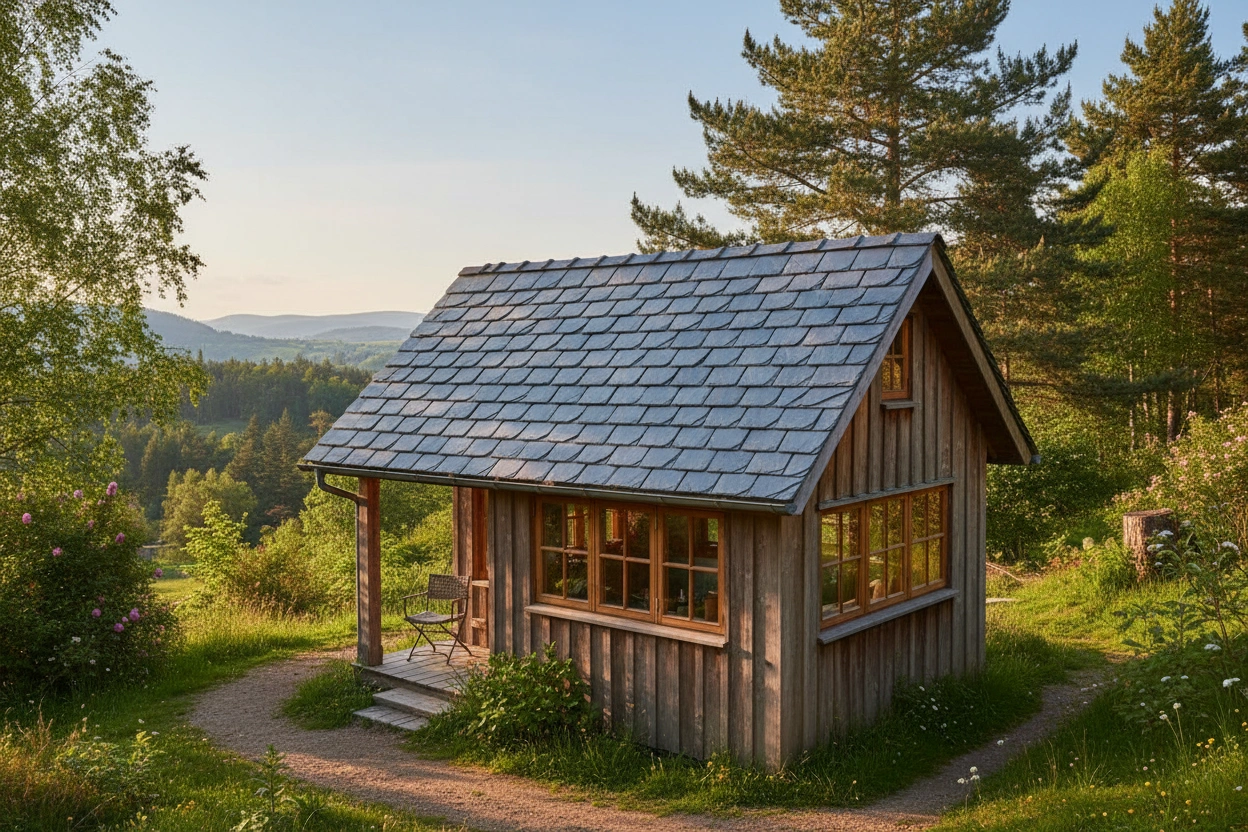
Slate roofing is synonymous with elegance and durability. Composed of natural stone, slate roofs can last over 100 years and are exceptionally resistant to fire, insects, and rot. This roofing material is ideal for tiny houses located in areas with varying weather conditions, as it can withstand extreme temperatures, heavy rain, and high winds.
While slate offers many advantages, it is essential to consider its weight; slate is significantly heavier than other roofing materials, requiring a well-structured frame to support it. Additionally, slate roofing can be more expensive upfront, but its longevity and minimal maintenance requirements can provide long-term value.
Considerations for Installation
Installing slate roofing requires specialized skills and tools, making it essential to hire experienced professionals. Proper installation ensures that the roof is watertight and that the individual tiles are securely fastened. Regular inspections are vital to detect any potential issues early on, ensuring the roof remains in excellent condition.
4. Green Roofing: Eco-Friendly and Energy Efficient
Green roofing, also known as living roofs, has gained popularity as a sustainable option for tiny houses. This roofing system incorporates vegetation and soil, providing insulation, reducing stormwater runoff, and enhancing biodiversity. Green roofs are particularly beneficial in urban areas, where they can mitigate the heat island effect and improve air quality.
In terms of climate suitability, green roofs thrive in temperate climates but can be adapted to various environments with proper planning. They require a robust structural support system to accommodate the weight of the soil and plants, as well as a waterproof membrane to prevent leaks.
Installation and Maintenance Considerations
Installing a green roof involves multiple layers, including a waterproof membrane, drainage layer, and growing medium. Homeowners should select native plants that require minimal maintenance and are well-suited to the local climate. Regular maintenance, including weeding and watering, is essential to ensure the health of the vegetation and the effectiveness of the roof.
5. PVC and TPO Roofing: Modern and Lightweight
Polyvinyl Chloride (PVC) and Thermoplastic Olefin (TPO) roofing are modern materials that offer numerous benefits for tiny house roofing. Both options are lightweight, making them suitable for tiny homes with less structural support. PVC and TPO roofs are highly resistant to UV rays, chemicals, and punctures, ensuring longevity and durability.
These roofing materials are particularly effective in hot climates, as they reflect sunlight and reduce heat absorption, contributing to energy efficiency. Additionally, both PVC and TPO are relatively easy to install, making them an attractive option for DIY enthusiasts looking to take on tiny house roof installation.
Installation Tips and Considerations
When installing PVC or TPO roofing, it's crucial to ensure that the surface is clean and dry. The seams should be welded or adhered properly to prevent leaks. Regular inspections are necessary to maintain the integrity of the roofing system, especially after severe weather events.
Enhancing Your Tiny House Roofing Knowledge
Choosing the right roofing material is essential for the success and longevity of your tiny house. Each of the materials discussed offers unique advantages and is suitable for different climates, ensuring that you can protect your investment while enjoying your tiny living experience. Understanding the nuances of tiny house roofing materials allows homeowners to make informed decisions tailored to their specific needs and environmental conditions.
At TinyHouse.com, we are committed to providing you with the resources and information necessary to make your tiny house dreams a reality. Whether you're looking for insights on roofing materials or other aspects of tiny house construction, our platform is here to help you every step of the way.
For more information on tiny house roofing and to explore a wealth of resources, visit TinyHouse.com today.


.svg)

.jpg)