Top Hospitality Construction Trends Transforming Texas Hotels

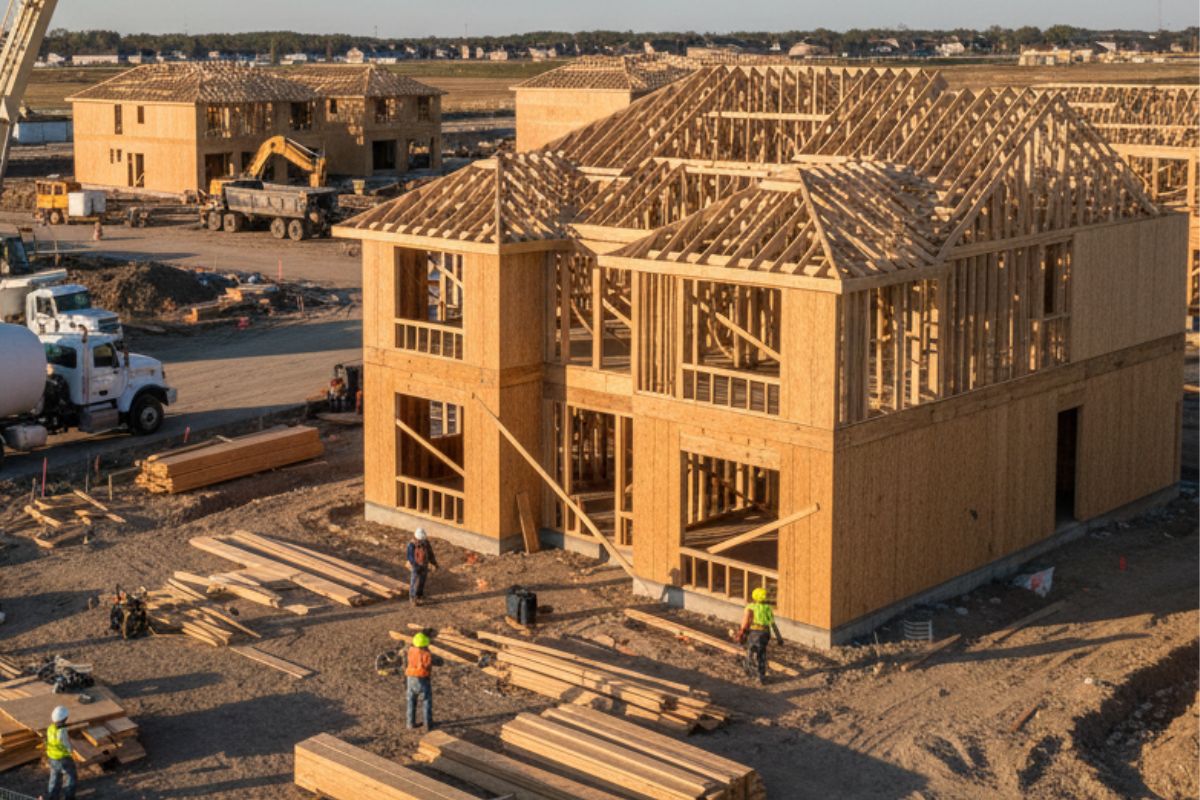
From Dallas to the Gulf Coast, new hotel projects are rising to match stronger travel demand, longer guest stays, and higher expectations from modern travelers. From major metro corridors to fast-growing secondary cities, new hotel projects are stacking up as demand pushes both investors and developers into high gear.
What stands out right now is the scale and spread of activity. Texas is tracking roughly 200 hotel projects statewide with nearly 28,000 rooms in development, showing how deep the investment cycle extends beyond just one or two cities. Dallas continues to lead the charge, but growth is now clearly branching into Austin, San Antonio, and emerging regional hubs as well.
For hotel construction contractors working in this market, the direction is clear. Hotels are no longer built on traditional models. The focus has shifted toward long-term performance, guest experience, and multi-use profitability.
Behind this shift are clear construction trends actively reshaping how hotels are designed and built across Texas. The blog breaks down what is driving that change and where the industry is heading next.
Hospitality Construction Trends Redefining Hotel Projects in Texas
Developers are no longer focused on simple room counts or basic builds. The focus is now on long-term performance, stronger returns, and hotels that can adapt to changing travel patterns. This is where hotel construction contractors are playing a more technical and strategic role than ever before, working through increasingly layered requirements across design, systems, and functionality.
Below are the key trends shaping hotel construction across Texas today.
Smart Technology
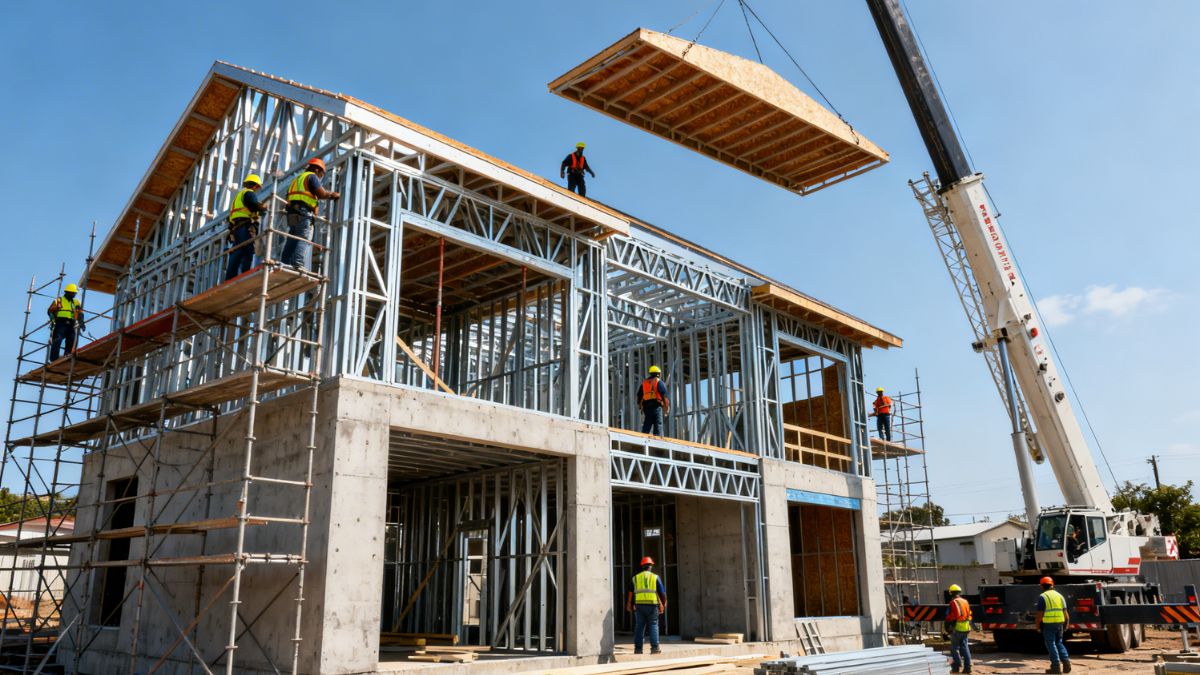
Hotels are being designed with integrated systems from the earliest planning stages. Technology is no longer an afterthought; it is part of the core of modern hotel development.
- Mobile check-in systems are reducing reliance on traditional front desks
- Smart room controls are now standard in midscale and upscale builds
- Energy systems are being automated for better efficiency and control
- Digital platforms are shaping how guest services are delivered
Sustainability Is Shifting from Optional to Expected
Environmental performance has moved into the center of hotel investment decisions. Developers now look closely at long-term operating efficiency before approving projects.
- Energy-efficient HVAC systems are now widely used in new developments
- Water-saving systems are being integrated into plumbing design
- Low-impact materials are being prioritized in construction planning
- Operating cost reduction is a key factor in project feasibility
Mixed-Use Hotel Development Is Expanding Fast
Hotels are increasingly being designed as part of larger commercial ecosystems rather than standalone assets.
Hospitality combined with retail and dining increases revenue potential
- Shared infrastructure lowers long-term maintenance requirements
- Urban developments maximize land value through vertical integration
- Public and private functions are blended within one project layout
Conversion Projects Are Becoming a Major Strategy
Adaptive reuse is gaining traction across Texas as developers aim to reduce costs and shorten delivery timelines.
- Office buildings are being converted into boutique hotels
- Existing structures reduce foundation and structural work
- Construction timelines are often shorter than ground-up builds
- Location advantages are reused instead of being redeveloped

Guest Experience
Hotel layouts are now being shaped around how guests interact with and move through a property.
- Flexible lobby areas support both work and social use
- Texas-inspired design elements are being incorporated into interiors
- Shared spaces are becoming more important than rigid layouts
- Lighting, acoustics, and comfort now influence design planning
Future Outlook of Texas Hospitality Construction
The next phase of hotel development in Texas is all about reshaping how existing assets perform in a market that is becoming more competitive by the year. Across major cities and rising regional hubs, investment is moving toward smarter assets, faster project delivery, and increased returns.
A noticeable shift is happening in how capital is being allocated. Instead of focusing solely on new ground-up developments, more attention is given to repositioning older assets and improving underperforming properties. This is where hotel remodeling contractors are gaining stronger relevance, as owners look for ways to modernize facilities without starting from zero.
Several directions are likely to define the next stage of growth:
- Stronger investment in repositioning older hotel stock to match current brand standards
- Increased focus on revenue optimization through layout redesign and space reallocation
- More phased renovation projects that allow hotels to remain partially operational during upgrades
- Rising demand for faster turnaround improvements in high-traffic travel corridors
- Greater alignment between brand requirements and physical property upgrades across Texas markets
At the same time, financing structures are also influencing project direction. Investors are placing more weight on operational efficiency metrics, pushing developers to rethink how long-term value is created beyond initial construction. This encourages a balance between new builds and strategic upgrades, rather than relying heavily on a single development model.
Looking ahead, hospitality construction is expected to move toward a blended approach in which new developments, adaptive reuse, and targeted renovations work together to meet demand. The strongest performing assets will likely be those that can evolve quickly, adapt to brand shifts, and respond to changing travel behavior without requiring complete rebuilds.
Work With Arrant Construction on Your Next Hospitality Project
Texas hospitality projects are evolving quickly, and success now depends on having the right team involved from the earliest stages of planning through final delivery. Whether it is a new hotel build or an upgrade to an existing property, execution quality and coordination play a major role in long-term performance.
Arrant Construction works closely with developers to support hospitality projects across the state with practical building expertise and project-focused delivery. For owners looking to partner with experienced hospitality contractors in Texas, Arrant Construction brings the expertise needed to streamline construction goals with real market demands and operational expectations.
FAQs
Are most new Texas hotels still ground-up builds or conversions?
Conversions are gaining ground quickly, especially in urban Texas markets, where office and retail buildings are being repurposed to shorten timelines and avoid high land-acquisition costs.
Why are mixed-use hotels becoming so common in Texas?
This is because developers want multiple income streams from one project. Hotels are now being combined with dining, retail, and entertainment to improve overall project returns.
What is changing most in how Texas hotels are designed today?
Design is now driven more by guest behavior than traditional layouts. That means more flexible public areas, integrated tech systems, and spaces built for both work and social use.


.svg)
.jpg)