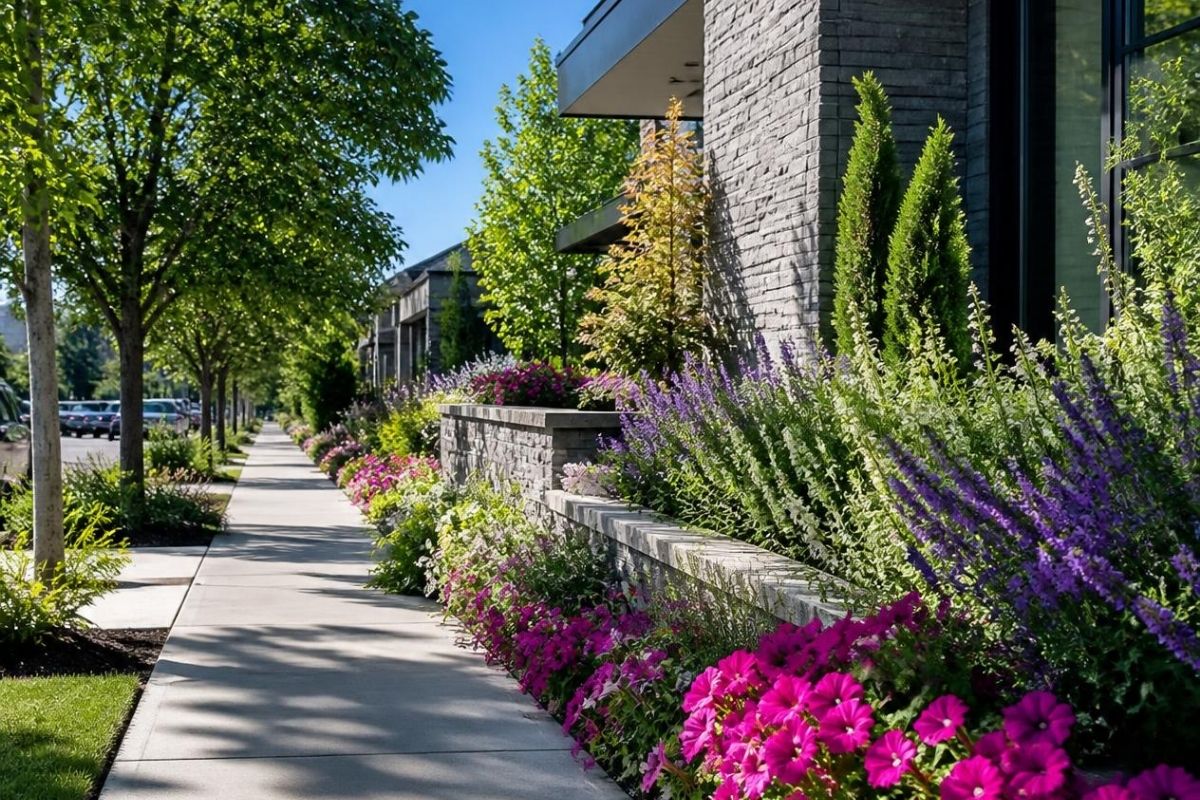
Villa vs Apartments: Which Gives Better Returns

You have saved for years and now you are stuck. One option is a villa with a garden. The other is an apartment close to work. Everyone around you has a different opinion.
The honest answer is that the better result depends on what you mean by "returns". If you mean lifestyle, such as space, privacy and freedom, a villa often wins. If you mean returns, such as lower entry cost, steady rent and easy resale, an apartment often wins.
This guide explains the differences in plain language so you can choose with confidence.
1. What Is a Villa vs an Apartment?
A villa is a standalone or row-type house built on its own plot. You own the house and the land under it.
An apartment is a unit inside a larger building. You own your flat and a small share of the land and common areas.
That share of land is called UDS (Undivided Share of Land). It is called "undivided" because you cannot point to your exact piece of land. It is shared with every other owner in the building.
Ex. The building sits on 10,000 sq ft of land and has 50 flats of the same size. Each flat owner then gets 200 sq ft of that land as their UDS. If the same plot had only 25 flats, each owner's share would double to 400 sq ft. So the fewer the flats, the more land you own. This is worth checking before you buy, because a building gets older every year, but the land under it usually becomes more valuable.
2. Quick Comparison Table
Still unsure which one suits you?
The best way to decide is to see both side by side.
The right choice depends on your budget, your lifestyle and how long you plan to stay. Visiting a few properties of each type is often the quickest way to know which one feels right. Platforms like Acquire Estate offer both apartments and villas, so you can choose between them without leaving one place. Having both options in front of you gives you clarity, because you compare real homes instead of guessing from a table.
3. Living Experience
Villa - Living in a villa feels different. You get room to spread out, a quiet street and the freedom to change things. Want an extra room upstairs? Want a small garden? You can do it. The catch is the price. You'll also travel farther for work and every repair or security arrangement is your job. Villas suit families who need space to grow. They work best for people who don't mind a longer drive.
Apartment - Apartments are cheaper to buy. They're usually close to schools, offices and hospitals. Most come with a gym, a guard at the gate and power backup. But you give up some space and privacy. You pay maintenance every month. You also can't change much beyond the interiors. It's a good fit for working couples and small families. It also suits anyone who just wants a home without the hassle.
4. Investment Returns
Appreciation. A villa sits on land that belongs fully to you. If prices rise in that area, you gain the full benefit. With an apartment you own only a small piece of the land. So how much it grows depends on the location. The builder and the upkeep of the building also matter.
Rental yield. A villa may command higher monthly rent. But it also costs you a lot more to buy. Work out the rent as a share of the price and it often comes out lower. Apartments usually do better here. They cost less and more people can afford to rent them.
Liquidity and resale. Selling an apartment is generally quicker. Plenty of buyers can afford one. Villas are pricier, so fewer people are in the market. You may need to wait for the right buyer.
Holding period. Might you sell in the next five years? Go for an apartment. Can you wait ten years or more? A villa in a growing area could pay off.

So, which gives better returns?
It depends on what you mean by returns. Rent, growth and ease of selling are three different things. Each type of home wins on a different one.
Rent: apartments usually win. They cost less, so the rent is a bigger slice of what you invested. It's also easier to find a tenant. A villa may earn more money each month but sit empty for longer. Fewer people look for villas to rent.
Long-term growth: villas can win. Land is what tends to gain value over time. A building only gets older. If new roads, a metro line or offices are coming up near your villa, its value can rise well over ten years. With an apartment, your gain depends more on the area and the builder.
Selling later: apartments are easier. More buyers can afford them. That helps a lot if you ever need cash in a hurry.
Location matters most. A good apartment in a fast-growing area can beat a villa in a dull one. A villa in a poor spot may barely grow at all. Before you buy, look at what's being built nearby. Check the distance to jobs and schools. Ask yourself how many people would want to live there.
The simple takeaway. Pick an apartment if you want regular rent and an easy exit. Pick a villa if you can wait for years and want to gain from rising land value. Still unsure? Look at the location first. Decide on the type of home after that.
5. Hidden Costs and Risks
The price tag is only part of the story. Here is what surprises many buyers after they move in.
Maintenance. With a villa, every repair is yours. A leaking roof, a broken pipe, a fresh coat of paint, a watchman's salary. Nobody shares the bill. In an apartment you pay a monthly maintenance fee, which looks easier. But the fee rarely stays the same. It creeps up. Some societies also ask for a one-time HOA initiation fee when you buy.
Ageing buildings. An apartment block gets old all at once. Around the 15 to 20 year mark, lifts start failing, pipes leak and terraces need waterproofing again. All owners share the cost. Getting them to agree is another matter. Redevelopment is even harder, since most owners must consent. It can take years.
Regulatory and title checks. Before you pay any booking amount, check whether the project is registered with your local real estate authority. Look for the approvals, the promised delivery date and the property size. If the builder cheats you, a registered project gives you a formal channel to complain. Small projects and many plotted villas may fall outside this oversight. In those cases the checking is entirely on you. Pay a lawyer to go through the title deed, the encumbrance certificate, the land-use status and the approved plan. It is money well spent.
Vacancy risk. Say your tenant leaves and the house stays empty for three months. You still pay maintenance, property tax and maybe your EMI. Villa owners feel this more because fewer people look for a villa to rent.
6. Who Should Choose What?
A villa makes sense if you want space and privacy, plan to stay ten years or more and don't mind a longer commute. An apartment is the better fit if you want a central location, have a smaller budget and like the idea of good security and easy upkeep.
7. The Middle Path
If you like both options, you don't have to pick one extreme. Two routes sit in between.
Gated villa communities. You get your own independent house and the community takes care of the common things: security, gardens and a clubhouse. Villa living without handling everything yourself. The price and maintenance fees are higher, so check that the extra cost suits your budget.
Apartment first, villa later. Many people do it this way. Buy an apartment now at a price you can manage. Give your income and the area a few years to grow. Then sell the flat or rent it out and move into a villa. It costs you less risk at the start and leaves your options open.
8. Checklist Before You Buy
Before you pay a token amount, go through these five things.
Look at where the area is heading. Is a metro line, a new road or an office park planned nearby? If yes, prices tend to move up. If nothing is happening around the project, don't expect much growth.
Check the builder. See what they've built before and whether they handed over flats on time. Then search their name on the regulator's website. Complaints show up there and they tell you more than any brochure.
Get the papers checked. The sanctioned plan, land-use status and registration number should all be in order. If the builder gets vague when you ask, treat that as a warning.
Work out the full cost. The price on the brochure isn't what you'll pay. Registration, GST, interiors, monthly maintenance and yearly property tax all get added. It's often a lot more than people expect.
Have an exit plan. Will you sell it in ten years, rent it out or keep it for your kids? Think about who would actually buy or rent it and you'll know if it's the right property.
Conclusion
There's no clear winner here. If you want space, privacy and land that grows in value and you can afford the higher cost, go for a villa. If you'd rather have a lower price, a better location, easy renting and a simpler resale, an apartment makes more sense.
Start by deciding what "returns" means for you. Then run the property through the checklist above. And before you sign anything, talk to a lawyer and a financial advisor. It's a small cost compared to the money at stake.


.svg)