Simple Ways to Make Your House Feel Like a Home

A house becomes a home not through square footage or perfect decor, but through comfort, familiarity, and personal meaning. You can move into a beautifully designed space and still feel unsettled if it doesn’t reflect who you are or how you live. Making a house feel like a home is less about major renovations and more about thoughtful, human details that support everyday life.
Often, the most helpful inspiration comes from spaces that feel lived-in rather than staged. Practical resources like www thehometrotters .com highlight how small, intentional changes can transform rooms into places that feel warm, personal, and welcoming without requiring a complete redesign.
Start with comfort, not aesthetics
Before focusing on style, focus on comfort. Soft seating, proper lighting, and a layout that allows you to move easily through your space all contribute to a sense of ease. A room that looks great but feels uncomfortable will never truly feel like home.
Pay attention to how you use each space daily. If you’re constantly adjusting pillows, squinting at lights, or moving furniture out of the way, those are signs the space needs to be adapted to you—not the other way around.
Bring in personal items that tell a story
Homes feel lived-in when they reflect the people inside them. Photos, books, artwork, and meaningful objects add character in ways that store-bought decor can’t. These items don’t need to be expensive or perfectly coordinated—they just need to matter to you.
Displaying personal items thoughtfully creates visual interest while also grounding the space emotionally. Even a few well-placed pieces can shift a room from generic to deeply personal.

Use texture to add warmth
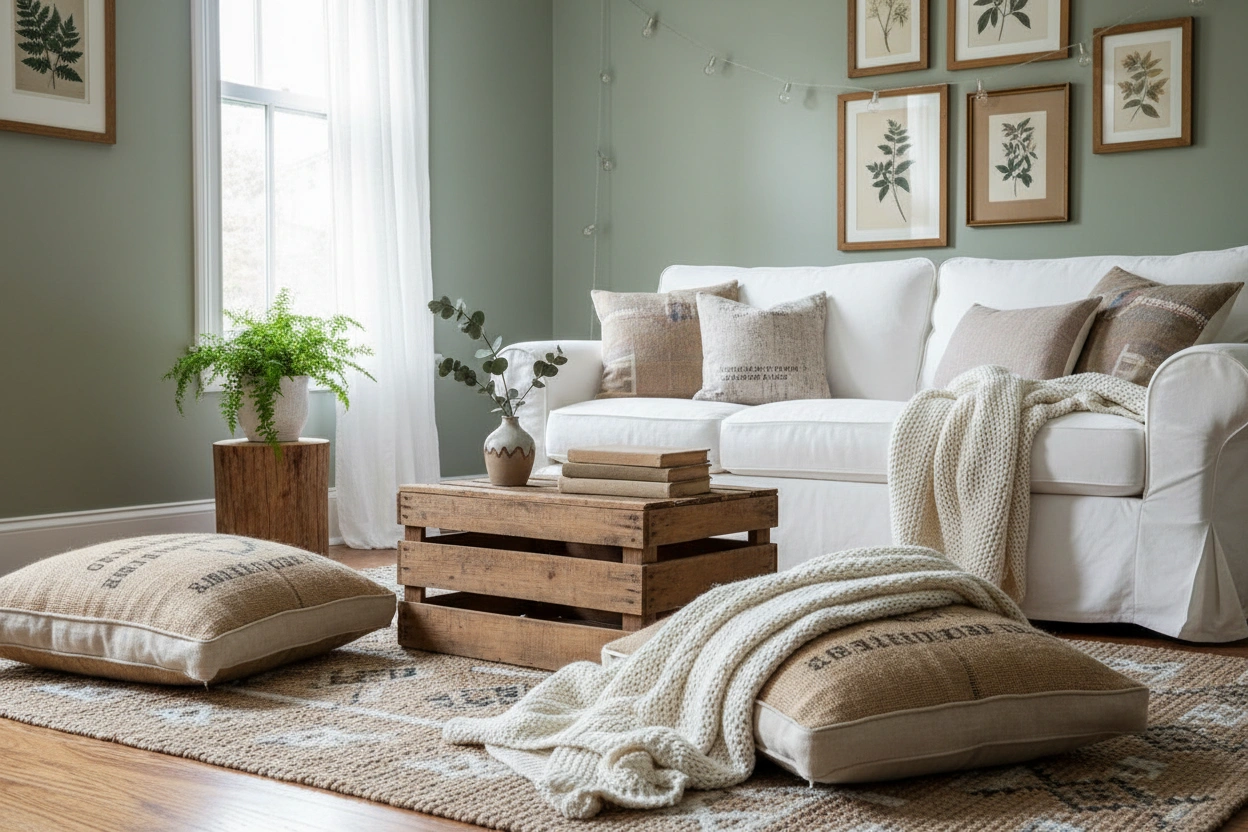
Texture plays a huge role in how a space feels. Mixing materials like wood, fabric, ceramics, and natural fibers adds depth and softness. Throw blankets, rugs, curtains, and cushions are easy ways to make rooms feel more inviting.
Layering textures doesn’t require bold patterns or bright colors. Neutral spaces often feel warmer when they include varied surfaces that invite touch and movement.
Let lighting set the mood
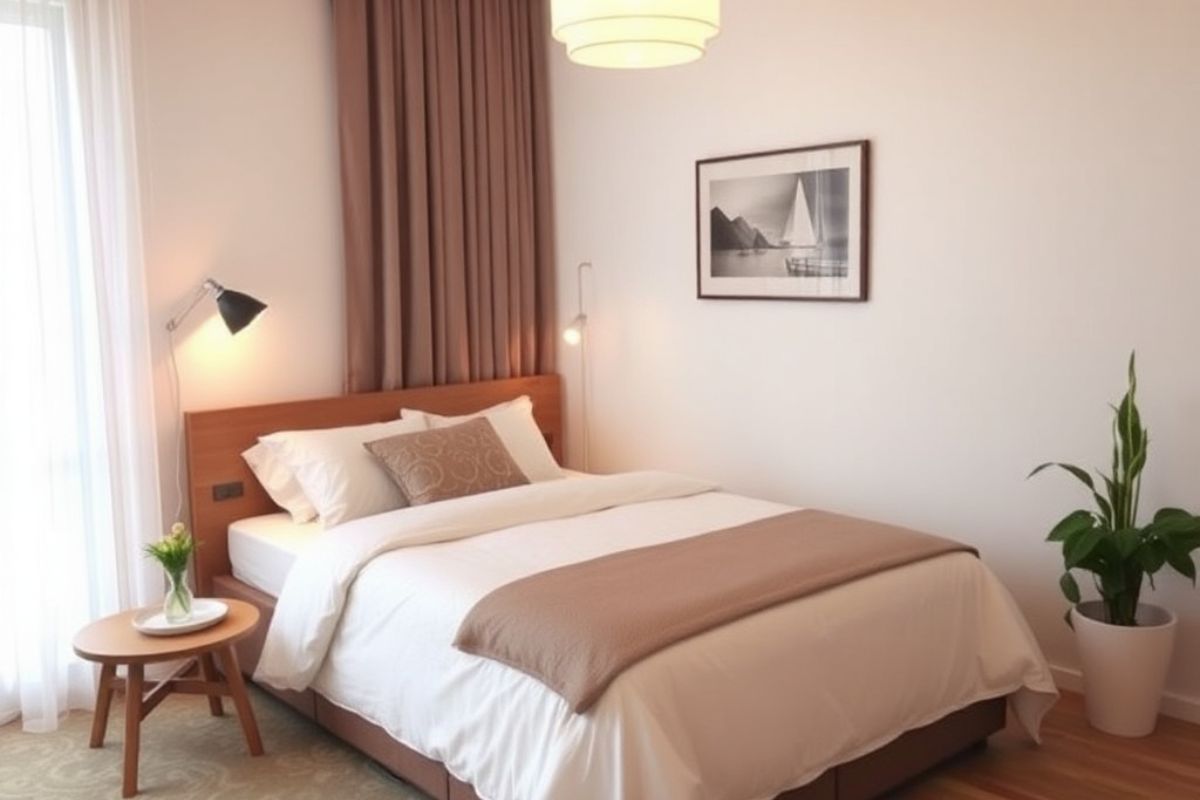
Lighting can dramatically change the atmosphere of a home. Relying solely on overhead lights often makes spaces feel harsh or temporary. Instead, add table lamps, floor lamps, or wall lighting to create softer, more flexible environments.
Warm-toned bulbs, dimmers, and multiple light sources help rooms transition from day to night naturally. Good lighting makes spaces feel intentional and lived-in rather than utilitarian.
Make room for everyday life
A home should support routines, not fight them. Storage solutions that make daily tasks easier—like baskets, hooks, or hidden storage—help maintain calm without sacrificing style.
When items have a place, clutter feels more manageable. This doesn’t mean everything must be hidden, but it should feel purposeful. A home that works well day-to-day naturally feels more welcoming.
Add scent and sound
Sensory details are often overlooked, but they strongly influence how a home feels. Candles, fresh air, plants, or subtle background music can instantly shift the atmosphere.
A familiar scent or consistent sound—like a favorite playlist or the hum of a fan—creates emotional comfort. These elements help establish a sense of continuity and belonging.
.jpg)
Allow your home to evolve
Homes don’t need to be finished to feel complete. In fact, spaces often feel more authentic when they evolve over time. Letting rooms change as your needs and tastes shift keeps your home aligned with your life.
Resist the pressure to perfect everything at once. A home built gradually tends to feel more genuine and more deeply yours.
Create small rituals within your space
A home feels deeply personal when it supports rituals—small, repeated moments that bring comfort and meaning. This could be a morning tea corner by a window, a prayer or meditation spot, or a specific chair where you unwind every evening. These rituals don’t require extra space, only intention. Over time, the house begins to hold memories connected to these moments, making it emotionally grounding rather than just functional.
Design spaces for pause, not just productivity
Modern homes often prioritize efficiency, but true homeliness comes from allowing moments of stillness. Creating areas that encourage rest—like a reading nook, a balcony seat, or a quiet corner without screens—adds emotional balance. These spaces don’t need to be large or elaborate; even a single chair paired with natural light can become a place of calm. Homes that allow pause feel nurturing rather than demanding.
Embrace imperfect and handmade elements
Perfect symmetry and flawless finishes can sometimes make a home feel impersonal. Introducing handmade, slightly imperfect items—such as pottery, woven baskets, hand-painted art, or locally crafted decor—adds soul to a space. These pieces carry human touch and uniqueness, reminding us that homes are meant to be lived in, not displayed. Imperfection often brings warmth where perfection feels distant.
Connect indoor spaces with nature
A stronger connection to nature instantly softens a home. This doesn’t mean filling every corner with plants, but being mindful of natural elements. Open windows when possible, allow sunlight to move freely, or use natural materials like stone, clay, and linen. Even views of the outdoors—trees, sky, or rain—help anchor a home in real life, making it feel calm and restorative.
Let colors reflect emotion, not trends
Color plays a powerful psychological role in how a space feels. Instead of choosing colors based solely on trends, consider how different shades affect your mood. Soft, muted tones often bring calm, while warmer hues can add energy and intimacy. A home feels more authentic when its colors support the emotions you want to experience there—rest, joy, focus, or connection—rather than what’s currently popular.
Build spaces that encourage togetherness
Homes feel warmer when they naturally bring people together. Arranging furniture to face one another, keeping dining areas welcoming, or creating shared spaces where conversations can unfold easily helps build connection. Even small homes can support togetherness through thoughtful layouts that invite interaction rather than isolation. A home that encourages shared moments becomes emotionally rich over time.
Personalize transitions between rooms
Hallways, entryways, and staircases are often overlooked, yet they shape how a home feels. Adding subtle personal touches—like artwork, mirrors, or meaningful objects—can transform these transitional spaces into intentional parts of the home. When every area feels considered, the house feels cohesive and cared for rather than segmented and unfinished.
Allow rooms to serve multiple purposes
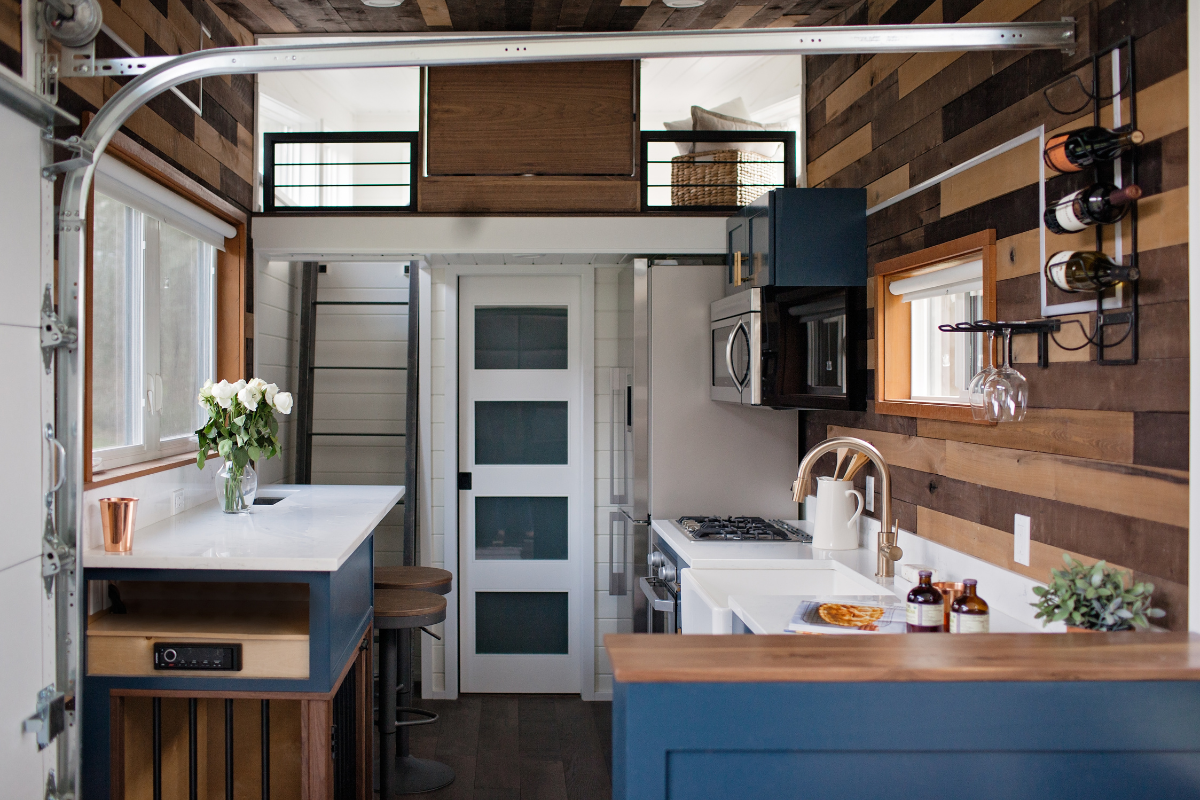
Rigid room definitions can limit how comfortable a home feels. Letting spaces be flexible—such as a dining table doubling as a workspace or a bedroom corner used for quiet hobbies—allows the home to adapt to real life. When rooms evolve based on need, the house feels responsive and alive rather than static.
Create visual continuity throughout the home
A sense of flow helps a house feel unified. This can be achieved by repeating certain materials, colors, or design elements across rooms. Continuity doesn’t mean uniformity—it means creating subtle connections that make moving through the home feel natural. When spaces relate to one another visually, the house feels calmer and more intentional.
Home is built through intention
Making a house feel like a home is about creating spaces that support comfort, routine, and identity. It’s the result of many small decisions made with care, not a single design moment.
When your space reflects how you live and what matters to you, it naturally becomes a place where you feel grounded. And that feeling—more than any trend or finish—is what truly makes a house a home.


.svg)