
What Your Tiny House Actually Sits On

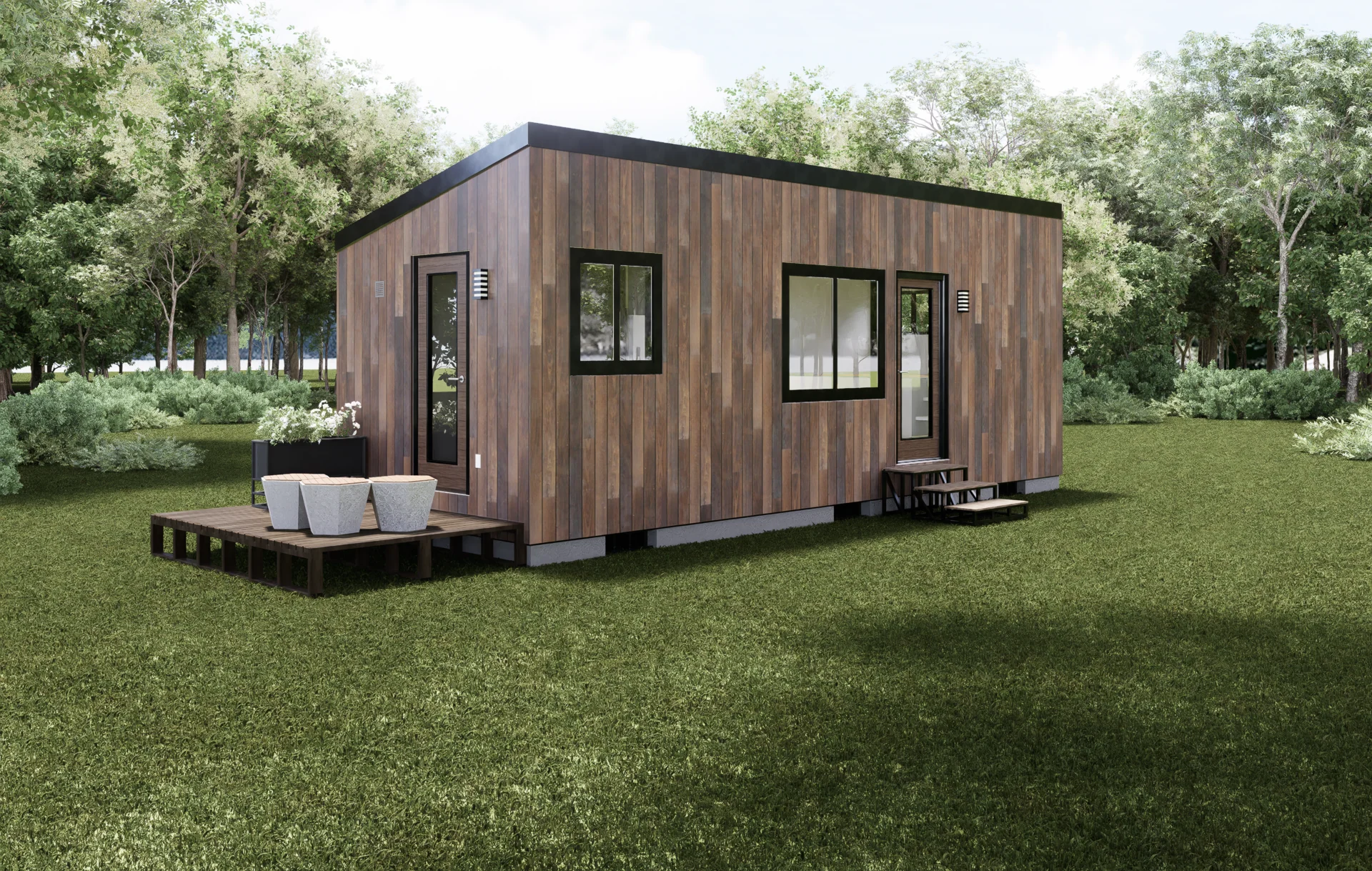
Most tiny home planning goes into the part you can see. Layout, windows, loft height, whether the kitchen faces the view.
The foundation gets decided last, usually by whoever is doing the sitework. It comes off a short list: slab, piers, or a compacted gravel pad. There is another option that rarely reaches small jobs. It goes in with a tracked rig, such as the machine cougar from Iron mechanics, rather than with concrete trucks.
That option is the helical pile. It is worth knowing about because tiny homes end up on exactly the sites it was designed for.
What Are the Usual Options, and What Do They Cost You?
Each of the standard three trades something away.
- Slab on grade. Cheap per square foot, needs level ground, and commits you permanently to that spot.
- Concrete piers. Better on uneven ground, but each one is a hole, a form and a cure.
- Gravel pad. Fast and forgiving, and the usual choice for a home on wheels rather than a fixed structure.
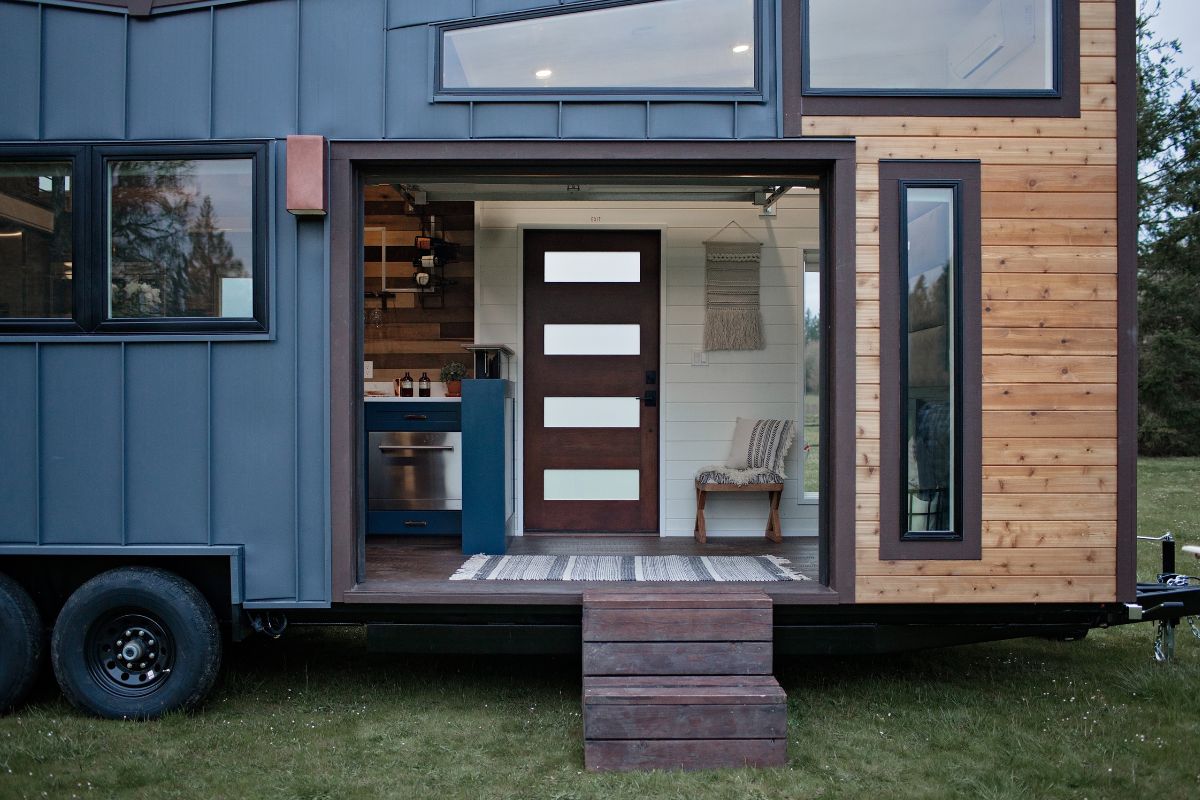
- Trailer. Not a foundation at all, which is the point, and it keeps the build classed as a vehicle.
The comparison most people actually run is trailer against fixed foundation, because that choice decides the legal status of the whole build. The question of what the fixed version sits on gets far less attention.
.webp)
What Is a Helical Pile?
A steel shaft with one or more helical plates welded near the tip, screwed into the ground rather than driven or poured.
A hydraulic drive head turns it in, much as a screw goes into wood. The plates pull the shaft down and bear against undisturbed soil, so the load is carried at depth rather than at the surface.
The install is quick. A small residential pile can go in within minutes, and there is no excavation and almost no spoil to remove. A crew that would need a week for poured piers can often finish a tiny home in a day.
Why Does This Suit Small and Awkward Sites?
Four reasons, and every one of them describes a typical tiny home lot.
- Slopes. Piles can be installed at varying depths and cut to a common level, so the ground does not need regrading.
- Access. The machinery is small and tracked, which matters when the site is through a gate or down a track.
- Remoteness. No concrete truck means no concrete delivery window, and no minimum pour.
- Reversibility. Piles can be unscrewed and reused, which is unusual in a foundation and useful on leased land.
That last point deserves more attention than it gets. A lot of tiny homes sit on land the owner does not own outright, and a foundation you can remove changes the conversation with a landowner considerably.
How Do You Know It Will Hold?
This is the part that makes engineers comfortable with them, and it is genuinely clever.
The torque required to turn a pile correlates with the capacity of the soil it is turning through. The installing machine measures that torque continuously, so every pile is effectively load-tested as it goes in. A poured pier gives you no equivalent reading.
Helical pile systems are recognized in the model building codes. Products carry evaluation reports issued against published acceptance criteria. Ask any installer which report their product holds.
Soil is the variable underneath all of it. Published geological and soils mapping will not size a pile for you, but it tells you what you are likely turning through.
Frost is the other half. A pile has to reach below the local frost depth. In the northern states that runs to 42 or 48 inches, and a pile that stops short will heave like anything else.
What Should You Actually Ask Before Committing?
Five questions cover most of the risk on a small job.
- What is the soil? A soil report or at least a local test, not a guess from the neighbor's build.
- What depth and torque is the installer designing to, and who signs off on it?
- What is the frost depth at this specific site, not the state average?
- What happens to the load path where the pile meets your floor system?
- Is the site in a flood or high-wind zone, which changes anchoring entirely, and which hazard guidance for your area will tell you.
Costs vary too widely by region and soil to quote usefully. The shape of the comparison is consistent though. Piles cost more per point and less in sitework, so they win on difficult ground and lose on flat easy ground. The full cost picture for a tiny home on a foundation is worth reading alongside any quote.
Choosing the Ground, Not Just the House
A foundation is the one part of a small build that is genuinely hard to change later. It is also the part most likely to be chosen by default.
If your site is flat, serviced and easy, the conventional answers are conventional for good reason. If it slopes, sits at the end of a track, or is not land you own, the screwed-in option deserves a quote before you pour anything.
FAQ
Are Helical Piles Approved for Residential Use?
Yes. They are recognized in the model building codes, and individual systems carry evaluation reports issued against published acceptance criteria.
How Deep Do Helical Piles Go?
As deep as the soil requires, which is determined during installation by torque rather than fixed in advance. They must at minimum extend below the local frost depth.
Can a Tiny House On Piles Be Moved Later?
The piles can be unscrewed and reused, which is unusual among foundations. Moving the structure itself is a separate question.
Do You Need Heavy Equipment On Site?
You need a machine, but a small tracked one rather than concrete trucks. That is often the deciding factor on sites with restricted access.


.svg)
.jpg)
.jpg)