Why Tiny Homes Require Thoughtful Property Planning

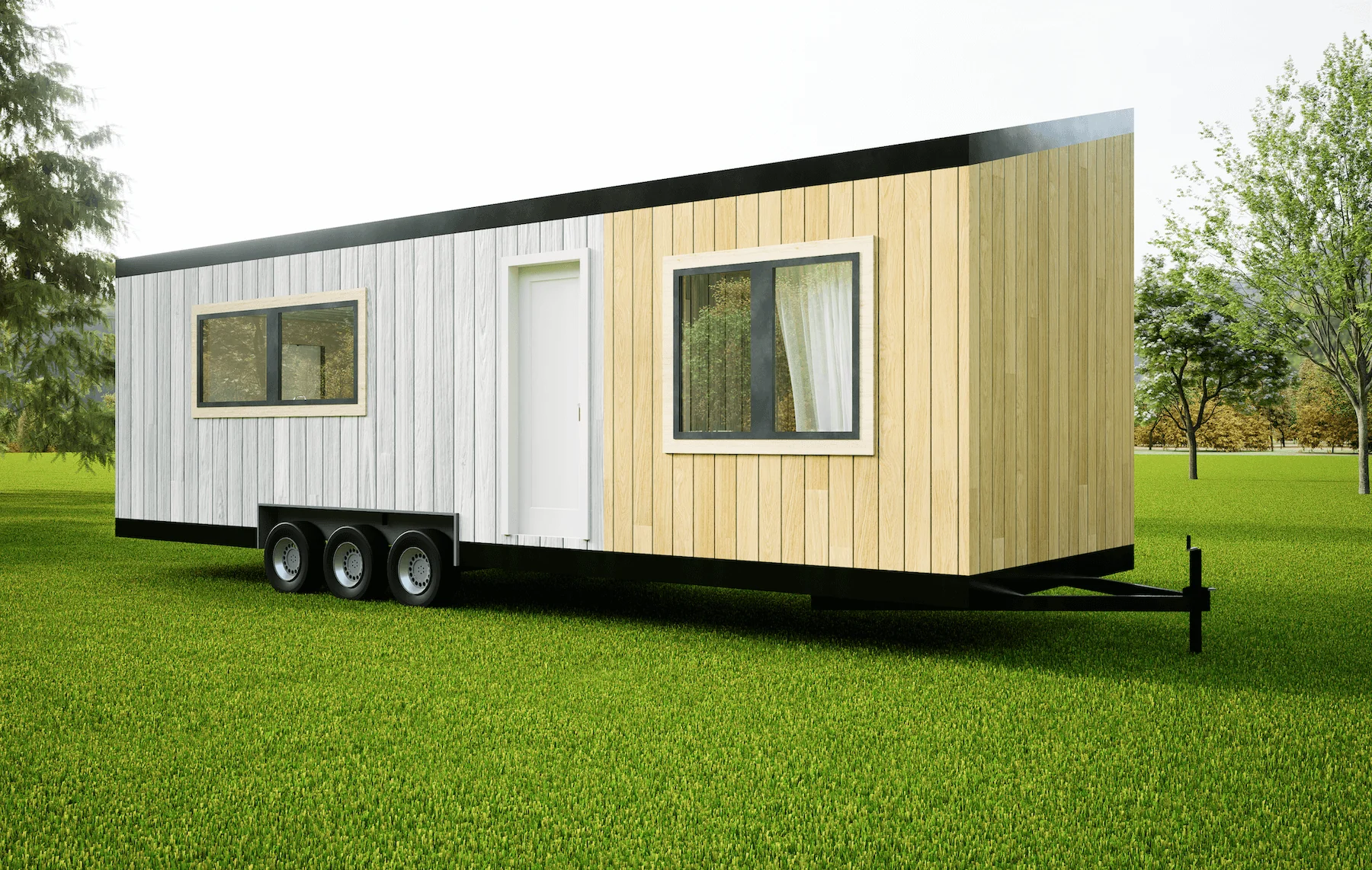
A tiny home may occupy less space, but the planning around it often needs to be more precise. In places such as Desoto Lakes, Florida, where warm weather can make patios, gardens, and shaded outdoor areas part of daily living, the land surrounding a tiny home can carry almost as much responsibility as the home itself. The structure usually gets the most attention, while the outdoor layout, utility access, drainage, and maintenance needs are sometimes considered later.
That delay can create problems. Successful tiny home living depends on more than reducing square footage. The surrounding property plays a major role in comfort, functionality, and long-term enjoyment. When planning is handled carefully, a small home can feel surprisingly spacious. When planning is overlooked, even a well-designed tiny home can feel restrictive.
An every-inch-needs-a-purpose mindset often becomes essential when living in a compact space. Because there is less room for inefficiency, both the home and the property around it must work together.
Tiny homes may be small, but thoughtful planning remains a very big responsibility.
The Property Matters As Much As The Home
Many people focus exclusively on the structure itself. Floor plans are examined carefully, storage solutions are considered, and interior finishes receive significant attention. Meanwhile, the surrounding property is sometimes treated as an afterthought.
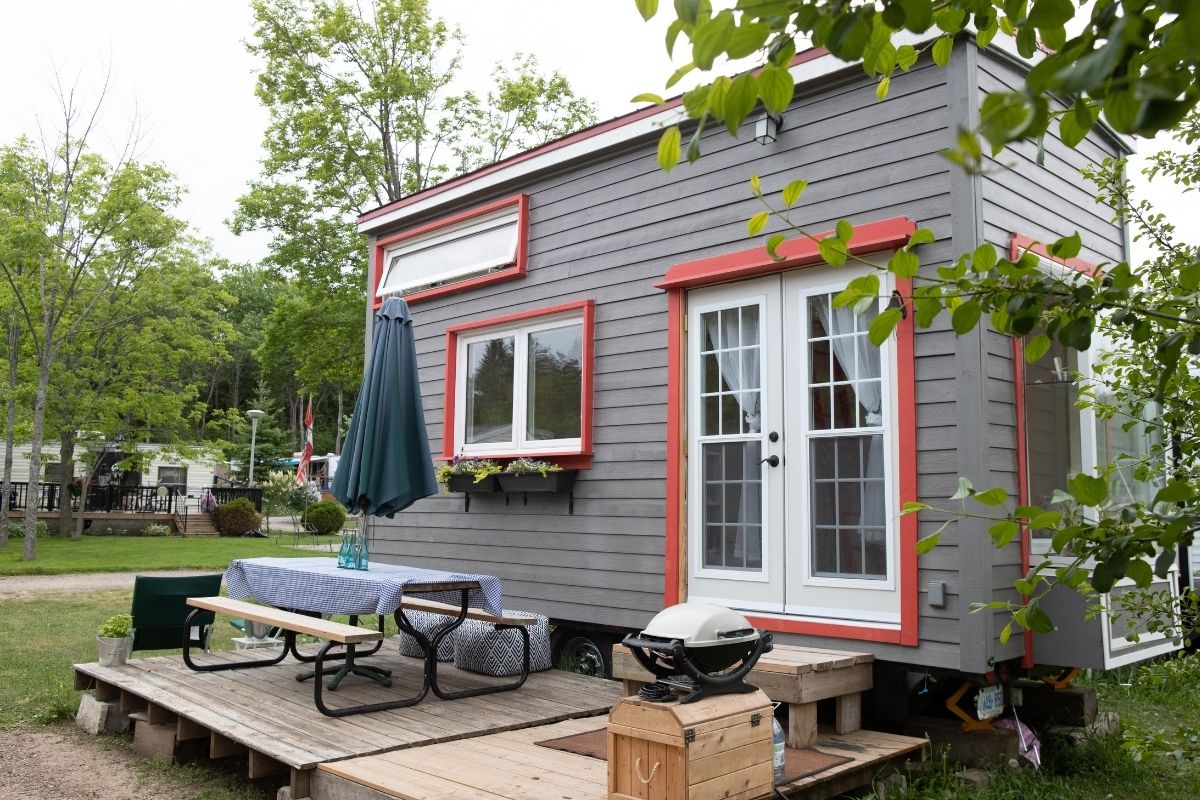
That can create challenges later. Outdoor areas often serve as extensions of the living space in a tiny home setup. Seating areas, gardens, pathways, and recreational zones may all contribute to daily comfort.
Property maintenance also becomes important because outdoor spaces tend to be used more frequently. Irrigation systems, for example, can help support healthy lawns and landscaping when managed properly. If recurring watering issues arise, homeowners should work with a reliable company that offers sprinkler repair in Desoto Lakes – especially when evaluating ways to maintain outdoor functionality.
The broader point is that every part of the property contributes to the overall living experience. When outdoor areas are planned thoughtfully, they help compensate for the limited space inside the home.
For example, one homeowner may create a shaded seating area that functions as an outdoor living room. Another may design a small garden that provides both beauty and purpose. These additions extend usable space without increasing the size of the structure itself.
Would a tiny home feel larger if the surrounding property supported daily activities more effectively? In many cases, it certainly would.
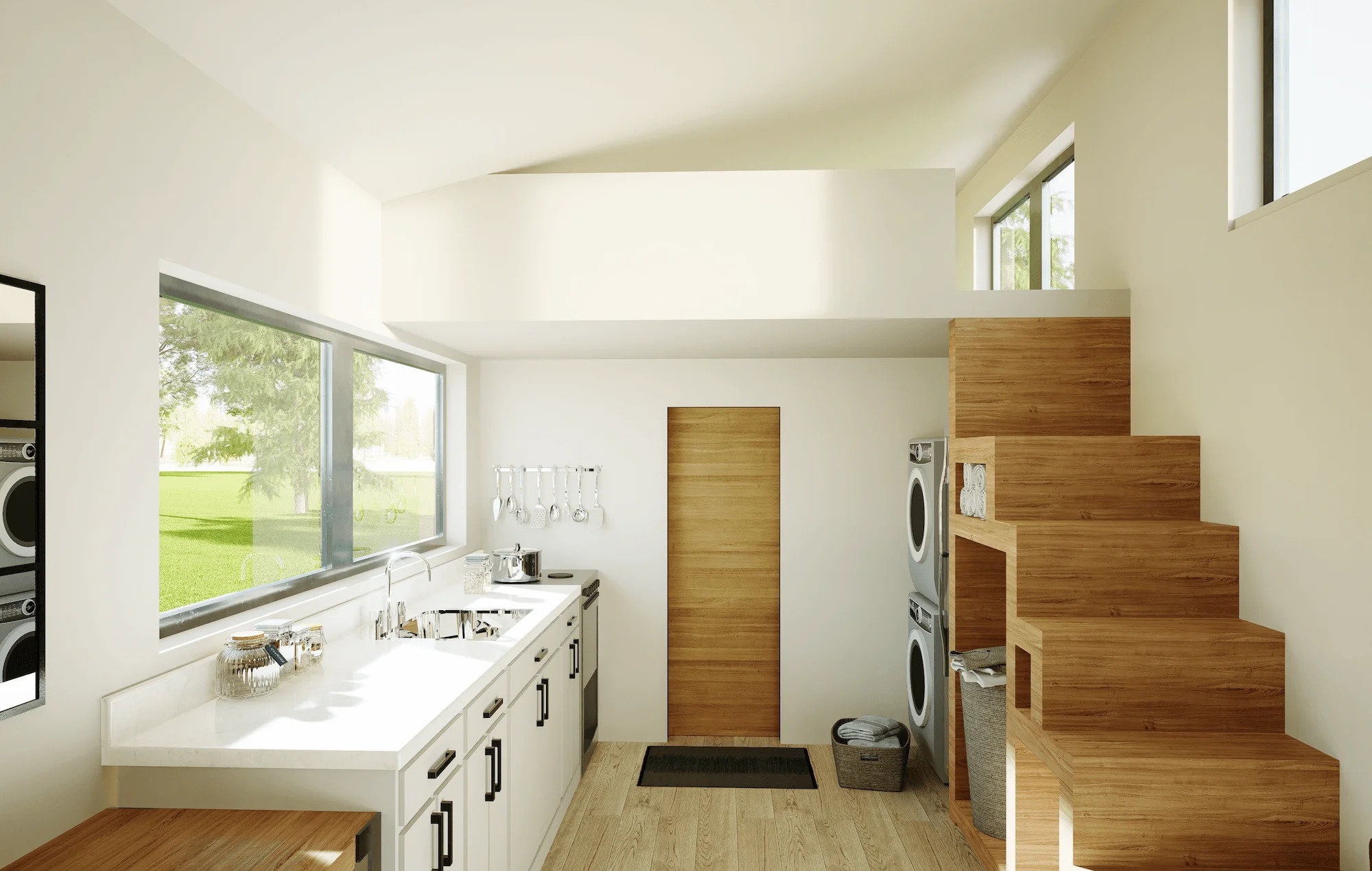
Every Square Foot Needs A Job
Traditional homes often contain areas that are rarely used. Spare rooms sit empty, oversized storage spaces collect clutter, and layouts sometimes include inefficient sections. Tiny homes do not offer that luxury.
In a smaller environment, nearly every square foot is expected to serve a purpose. Storage, comfort, work, and relaxation must all be accommodated within a limited footprint.
This reality makes planning especially important. Furniture placement, traffic flow, and storage solutions must be considered carefully before problems emerge.
A well-planned tiny home often feels larger because unnecessary obstacles have been eliminated. Movement becomes easier, belongings remain organized, and daily routines require less effort.
The same principle extends outdoors. Parking areas, walkways, utility connections, and gathering spaces all benefit from thoughtful placement. Small inefficiencies can feel much larger when space is limited.
Have you ever noticed how some small spaces feel surprisingly open while others feel cramped? The difference is often planning rather than size.
Smart Choices Create More Flexibility
Flexibility is one of the most valuable benefits of thoughtful property planning. When spaces are designed with multiple uses in mind, homeowners gain greater freedom in how they live.
Several strategies can help maximize flexibility:
- Create outdoor areas that support multiple activities.
- Design storage solutions around daily habits.
- Plan utility access carefully from the beginning.
- Leave room for future adjustments and improvements.
- Organize outdoor features to reduce maintenance demands.
- Prioritize accessibility throughout the property.
These decisions may seem small initially, but they often influence daily life significantly.
For example, a simple covered patio may function as a dining area, workspace, or relaxation zone depending on the situation. Likewise, a carefully planned storage shed may prevent clutter from accumulating inside the home.
Flexibility allows a tiny property to adapt as needs change, which increases long-term satisfaction.
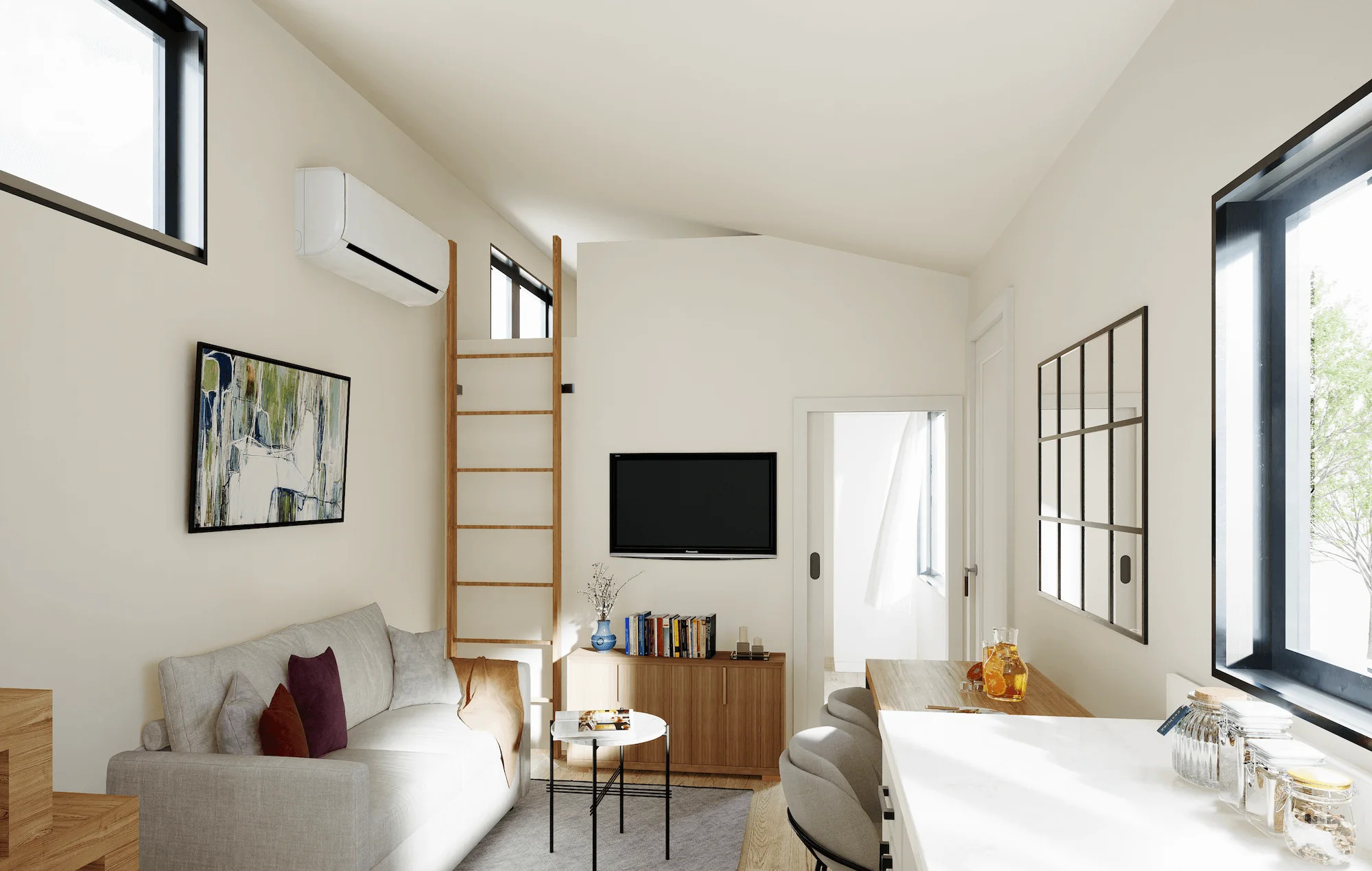
Outdoor Living Becomes Part Of Everyday Life
One unique aspect of tiny home living is the importance of outdoor space. The property surrounding the home frequently becomes an extension of the interior.
Because indoor square footage is limited, outdoor areas are often used for entertaining, hobbies, dining, or relaxation. This relationship between indoor and outdoor living makes property planning especially important.
Landscaping, shade structures, pathways, and seating areas can all influence how comfortable a property feels. Even practical elements such as drainage and utility placement contribute to daily convenience.
Many homeowners also rely on creative solutions such as multifunctional furniture that can transition easily between indoor and outdoor settings. These choices help maximize usability while supporting the efficient lifestyle that tiny homes often encourage.
When outdoor spaces are planned intentionally, they provide opportunities that would otherwise require additional indoor square footage.
Would daily life feel more enjoyable if the property itself functioned as an extension of the home? For many tiny homeowners, that is exactly the goal.
Small Homes Benefit From Big-Picture Thinking
One of the most common misconceptions about tiny homes is that less space means less planning. In reality, the opposite is often true.
Every decision carries greater weight because fewer opportunities exist to compensate for mistakes later. Utility placement, outdoor functionality, storage solutions, and future adaptability all deserve careful consideration from the beginning.
Thoughtful property planning allows tiny homeowners to maximize comfort without increasing square footage. It helps outdoor areas contribute meaningfully to daily life, supports long-term functionality, and reduces frustrations that may arise from limited space.
Tiny living is not simply about reducing the size of a home. It is about creating an environment where every element serves a purpose. When the property is planned with the same level of care as the structure itself, a tiny home can feel remarkably capable, comfortable, and enjoyable for years to come.


.svg)
.jpg)