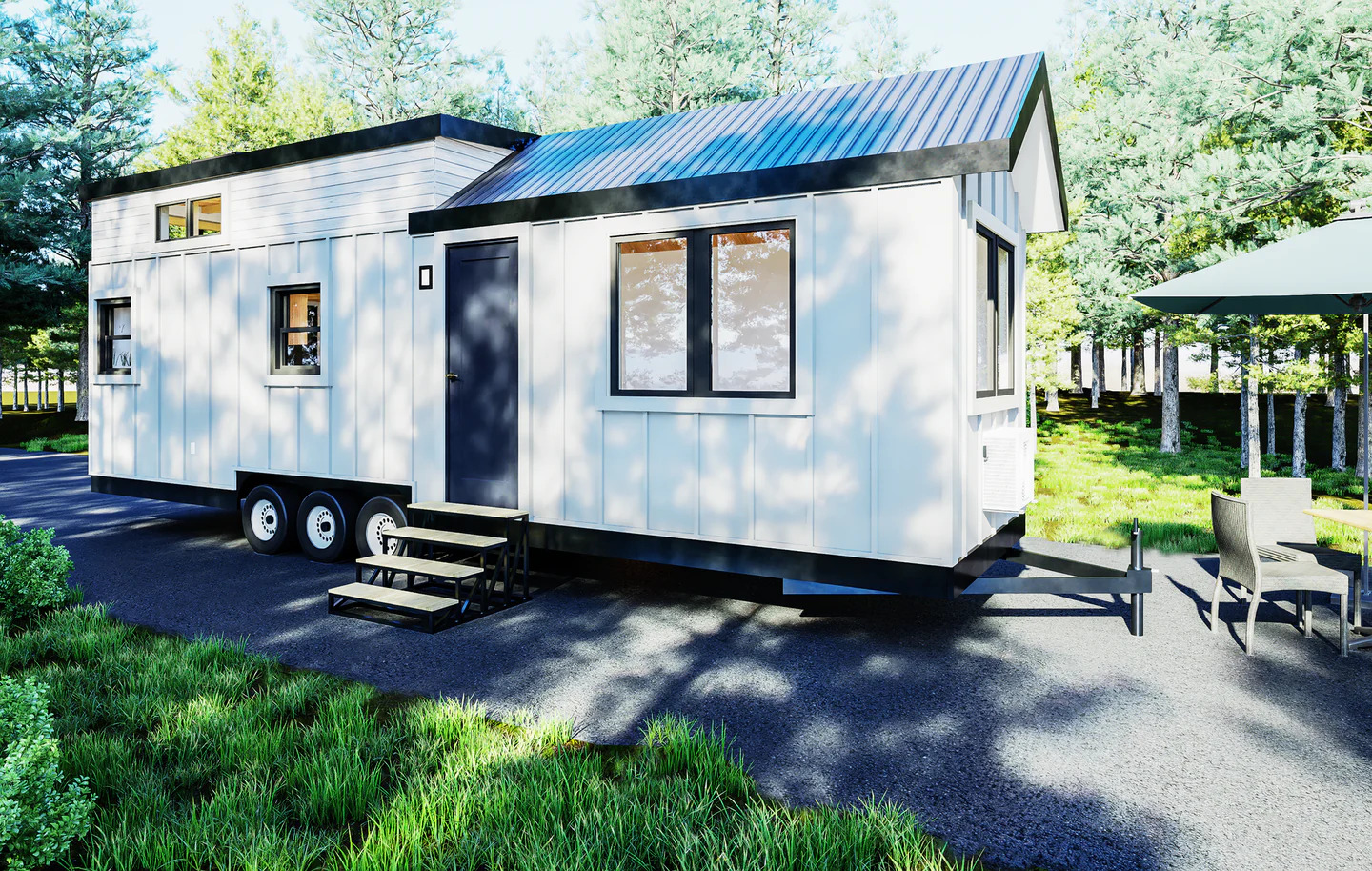
Eco-Friendly Tiny House Roofing: Sustainable Options Explained

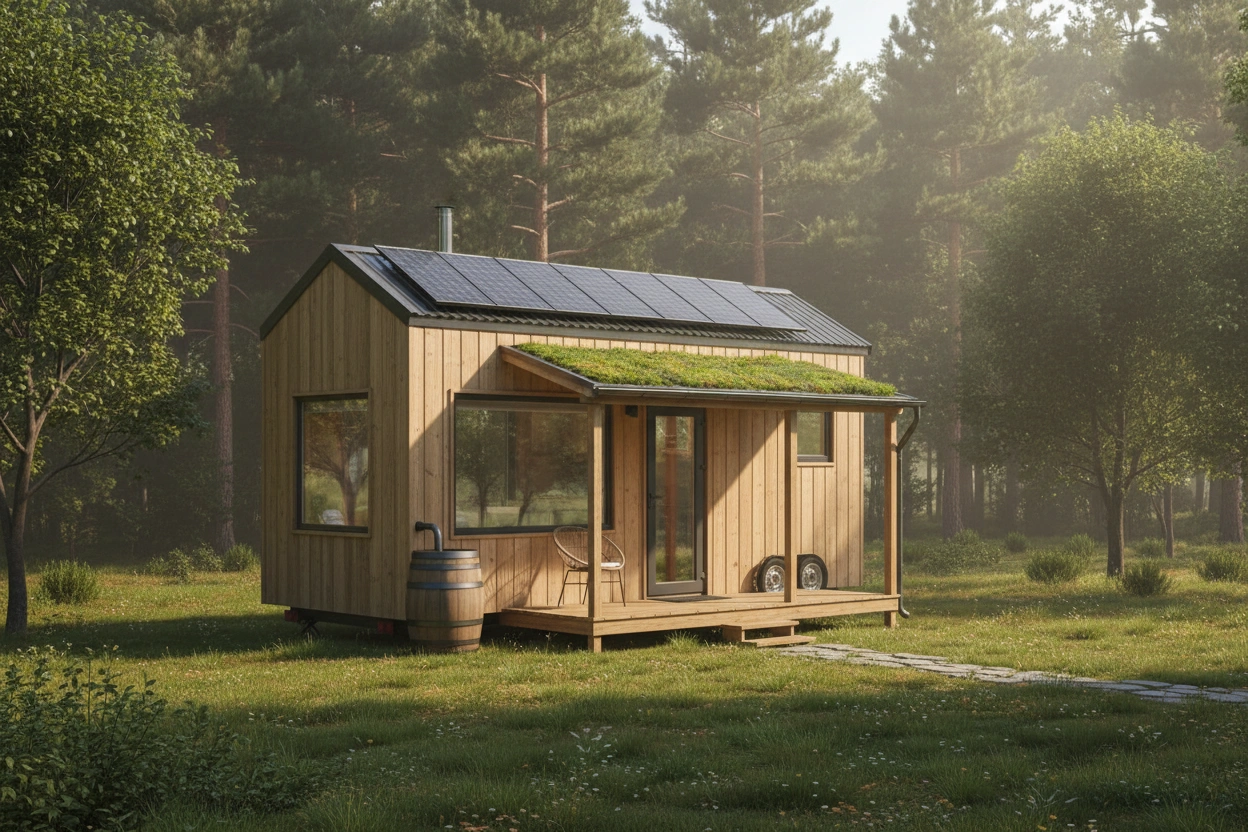
The tiny house movement has gained significant traction over the past decade, driven by a desire for minimalism, sustainability, and financial freedom. One of the critical considerations for anyone venturing into tiny house living is the choice of roofing material. Tiny house roofing not only affects the aesthetic appeal of the home but also plays a crucial role in energy efficiency, durability, and environmental impact. This article outlines the top roofing options for tiny homes, highlighting their benefits, drawbacks, and sustainability factors.
Understanding Tiny House Roofing
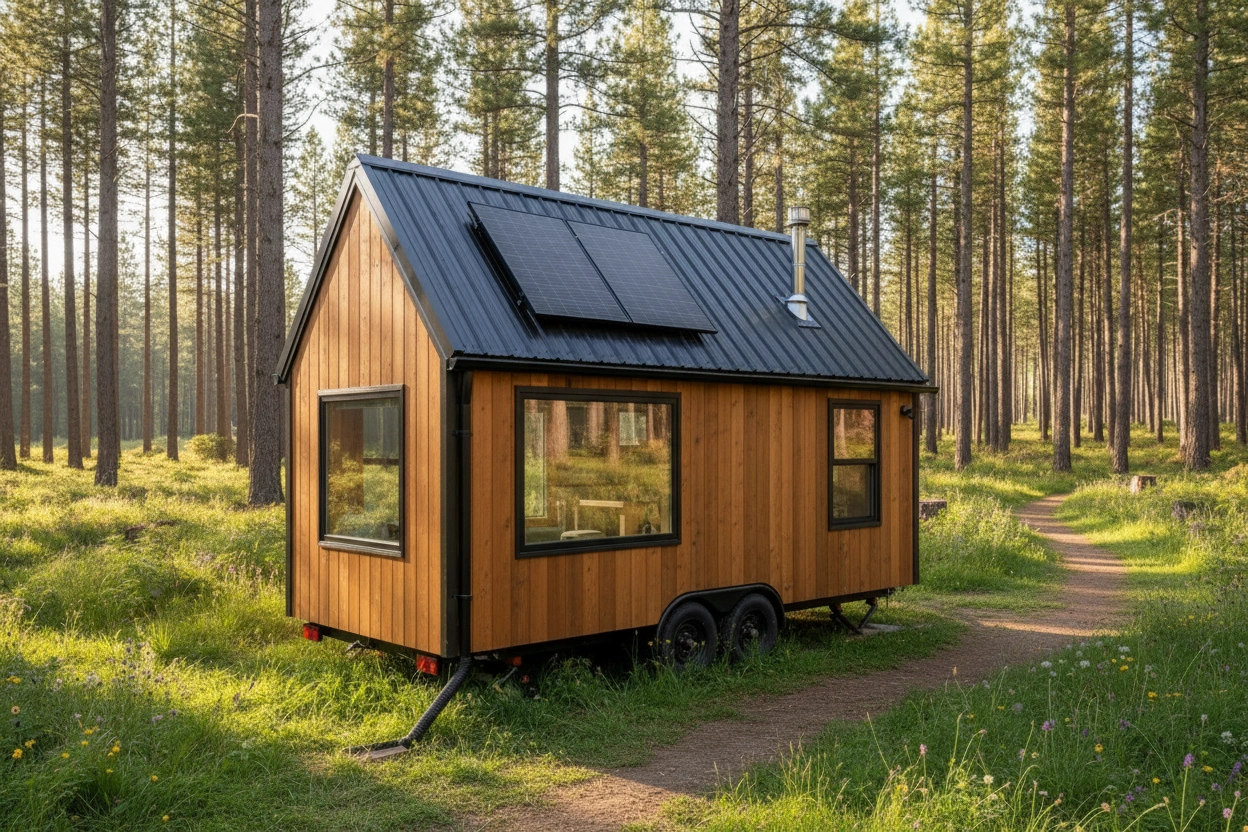
When it comes to tiny house roofing, the selection goes beyond mere aesthetics. The right roofing material must be lightweight, durable, and capable of withstanding various weather conditions. Additionally, eco-friendly roofing options are increasingly popular among those looking to reduce their environmental footprint. As you consider the best roofing materials for tiny houses, it is important to evaluate factors such as insulation, energy efficiency, and maintenance requirements.
Importance of Eco-Friendly Roofing Materials
Choosing eco-friendly roofing materials is essential for several reasons:
- Sustainability: Eco-friendly materials often come from renewable sources and have a lower carbon footprint.
- Energy Efficiency: Certain materials can help reduce energy costs by providing better insulation and reflecting heat.
- Durability: Many sustainable options are designed to last longer, reducing the need for frequent replacements.
By prioritizing eco-friendly roofing options, tiny house owners can create homes that align with their values of sustainability and minimalism.
Top 5 Roofing Types for Tiny Homes
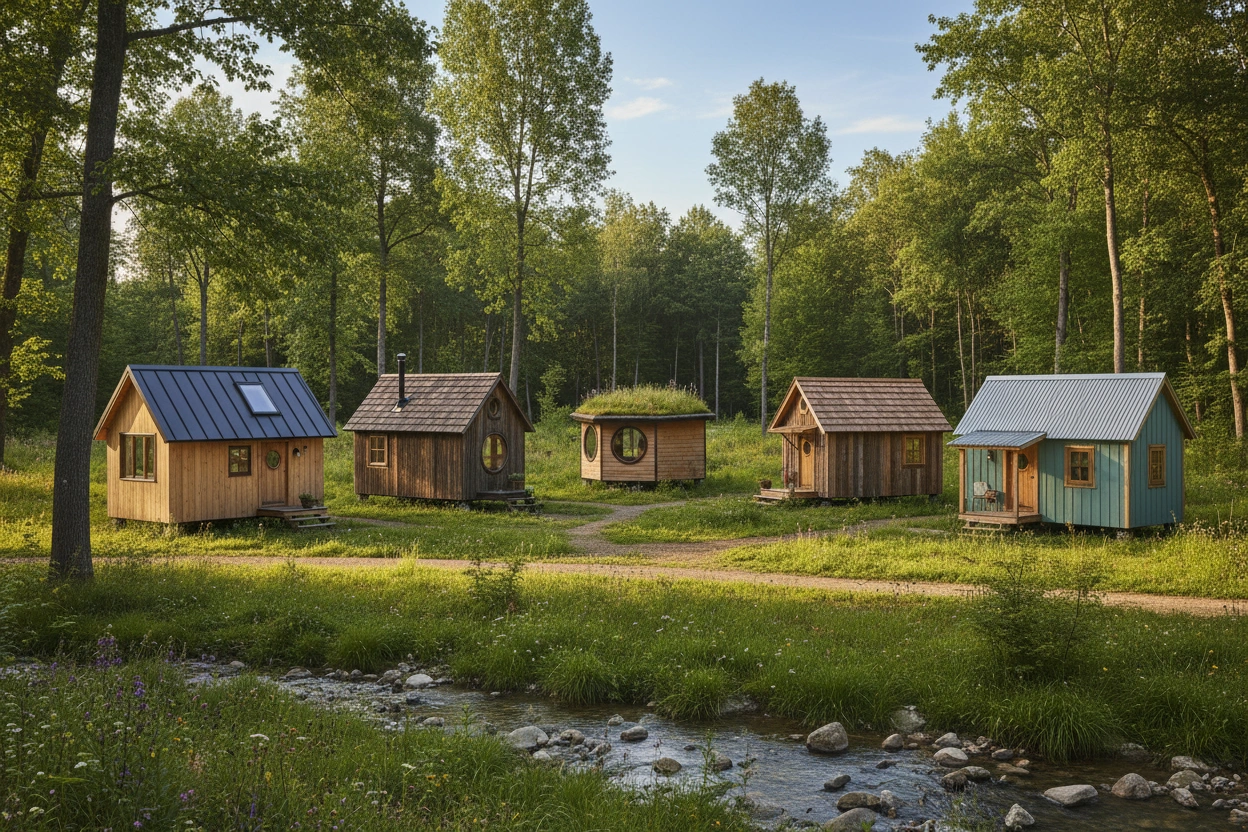
When selecting roofing for your tiny house, consider the following five options, which balance sustainability, cost, and durability. best roofing materials for tiny houses
1. Metal Roofing
Metal roofing has become a favored choice among tiny house builders for several reasons:
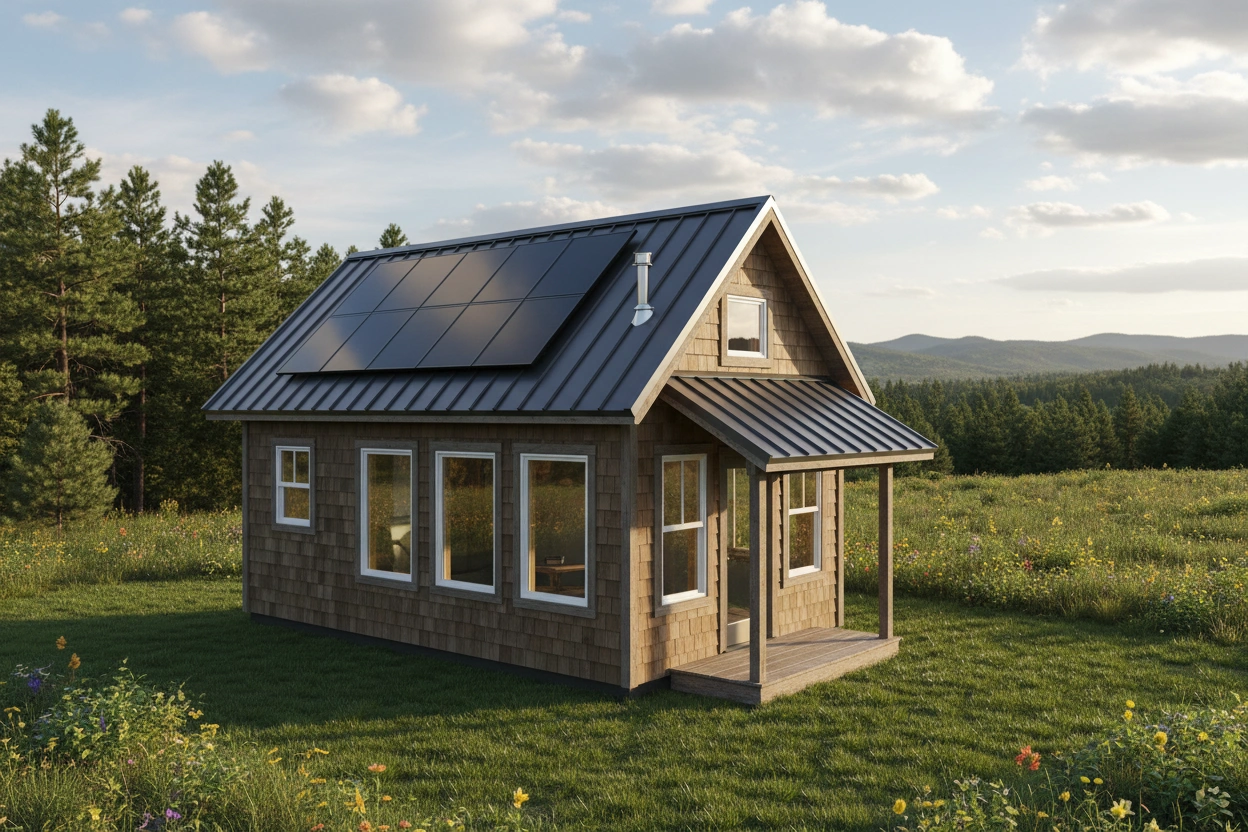
- Longevity: Metal roofs can last 50 years or more with proper maintenance.
- Recyclability: Most metal roofing materials are recyclable, reducing waste.
- Energy Efficiency: Reflective coatings can help keep the interior cool, lowering air conditioning costs.
While metal roofing is an excellent option, it can be more expensive than other materials. However, the long-term savings on energy and maintenance often justify the initial investment.
2. Asphalt Shingles
Asphalt shingles are among the most common roofing materials used in residential construction, including tiny homes.
- Cost-Effective: They are one of the most affordable roofing options available.
- Ease of Installation: Asphalt shingles are relatively easy to install, making them suitable for DIY projects.
- Variety: They come in various colors and styles, allowing for customization.
However, asphalt shingles have a shorter lifespan than metal roofing, typically lasting around 20 to 30 years. Additionally, they are not the most eco-friendly option, as they are petroleum-based.
3. Green Roofs
A green roof, or living roof, incorporates vegetation and soil, providing numerous environmental benefits:
- Natural Insulation: Green roofs offer excellent insulation, reducing heating and cooling costs.
- Stormwater Management: They absorb rainwater, reducing runoff and minimizing flooding risks.
- Biodiversity: Green roofs can support various plant and animal species, contributing to local ecosystems.
While the initial cost and complexity of installation can be high, the long-term environmental benefits make green roofs a compelling choice for eco-conscious tiny house owners.
4. Slate Roofing
Slate roofing, known for its natural beauty and durability, is an excellent choice for tiny homes looking for a classic aesthetic.
- Longevity: Slate roofs can last over 100 years, making them a worthwhile investment.
- Natural Material: Slate is a natural stone, contributing to sustainability.
- Fire Resistance: Slate is non-combustible and offers excellent fire protection.
Despite these benefits, slate roofing can be expensive and requires professional installation due to its weight and fragility. It is essential to ensure that the tiny house structure can support the weight of slate tiles.
5. Bamboo Thatch Roofing
Bamboo thatch roofing is an innovative and eco-friendly option that has gained popularity in tropical regions but can also be adapted for tiny houses.
- Sustainable Material: Bamboo is a fast-growing grass that can be harvested without harming the environment.
- Natural Insulation: It provides good insulation, keeping interiors cool in the summer and warm in the winter.
- Aesthetic Appeal: Thatch roofs have a unique, rustic charm that enhances the tiny house's overall design.
However, bamboo thatch may require more maintenance than other roofing types, as it can be susceptible to rot and pests if not properly cared for.
Key Considerations for Tiny House Roofing
When deciding on roofing materials for your tiny house, consider the following factors to ensure you make an informed choice.
Weight and Structural Support
The weight of roofing materials can significantly affect the tiny house's structural integrity. It is essential to ensure that the chosen roofing material does not exceed the weight limits of the home. affordable roofing options
- Lightweight Options: Metal and bamboo thatch are excellent lightweight choices that minimize the load on the structure.
- Reinforcement Needs: If opting for heavier materials like slate, consider reinforcing the roof structure during construction.
Climate Adaptability
Different roofing materials perform better in specific climates. Understanding your local weather conditions can guide your choice:
- Snowy Regions: Metal roofs are ideal for areas with heavy snowfall, as their smooth surface allows snow to slide off easily.
- Hot Climates: Reflective metal or green roofs can help reduce heat absorption, keeping the home cooler.
Maintenance Requirements
Maintenance is a critical aspect of roofing that can affect both performance and longevity. Consider the following: regular inspections
- Regular Inspections: Conducting periodic inspections can help identify issues early, especially for materials like bamboo thatch.
- Cleaning: Some materials may require more frequent cleaning to maintain their appearance and performance.
Common Mistakes to Avoid
When selecting roofing for a tiny house, avoid these common mistakes to ensure a successful project.
1. Ignoring Local Building Codes
Before finalizing roofing materials, check local building codes and regulations. Some areas have restrictions on specific roofing types or materials due to safety standards.
2. Overlooking Insulation Needs
Proper insulation is essential for energy efficiency. Ensure that the roofing material you choose allows for adequate insulation to minimize heating and cooling costs.
3. Focusing Solely on Cost
While budget is a significant factor, it is essential to consider long-term savings and benefits. Sometimes, investing more upfront in durable materials can lead to lower maintenance and energy costs over time.
The Future of Tiny House Roofing
As the tiny house movement continues to grow, innovations in roofing materials and technologies will likely emerge. Sustainable practices, such as using recycled materials and developing new eco-friendly options, will shape the future of tiny house roofing.
Advancements in Materials
- Solar Roofing: Integrating solar panels into roofing materials can enhance energy efficiency and reduce reliance on the grid.
- Recycled Materials: Companies are increasingly developing roofing products made from recycled materials, further reducing environmental impact.
Community Initiatives
Many tiny house communities are advocating for sustainable building practices, including eco-friendly roofing. These initiatives can provide valuable resources and support for those looking to adopt green building methods.
The Intersection of Tiny House Roofing and Sustainability
As we have discussed, choosing the right tiny house roofing is an integral part of creating a sustainable home. By considering materials that are eco-friendly, durable, and suited to your local climate, you can make informed decisions that align with your values. TinyHouse.com is committed to providing resources and support for those looking to build or buy a tiny home.
Explore the various options available for tiny house roofing and how they can contribute to a sustainable lifestyle. For more information on tiny homes and eco-friendly building practices, visit TinyHouse.com. By incorporating sustainable roofing choices into your tiny house project, you can create a beautiful, efficient, and environmentally responsible home.


.svg)
.jpg)