
Why Visit an Interior Design Showroom Before You Buy?

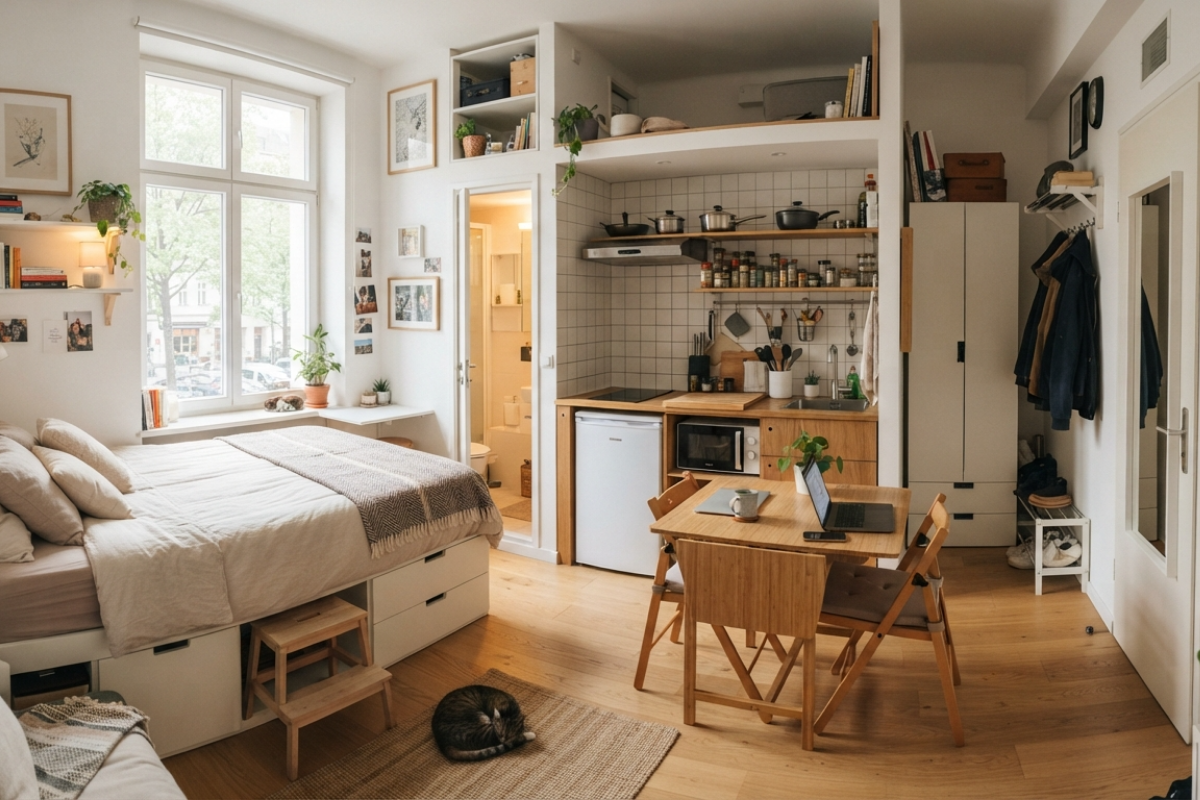
Shopping for furniture online feels quick and easy, but a screen only shows so much. Shades look different in person, textures can be misleading, and size is hard to judge. Walking through a showroom clears up that uncertainty, letting people touch pieces, compare them, and imagine each one at home. This guide explains why visiting first often leads to wiser, happier choices during any renovation.
Seeing Materials as They Truly Are
Product photos flatten depth and shift color. A velvet sofa that reads charcoal on a website may carry warm undertones in daylight. Standing in a real space lets buyers check grain, weave, and finish for themselves. They can lift a countertop sample or press a fabric to see how it reacts. These hands-on inspections spare people from expensive regret after a delivery truck pulls away.
Displays show how surfaces catch light and settle over a day, something a listing rarely conveys. Lighting conditions are especially important when selecting paint, upholstery, flooring, or countertops. A finish that looks appealing under showroom lighting might appear completely different beside a window or under warm indoor bulbs at home.
Buyers can also compare materials based on comfort and maintenance. For example, a textured fabric might look attractive but collect dust more easily than a smoother alternative. Examining these differences helps shoppers choose materials that suit their routines rather than simply following current design trends.
Expert Guidance Adds Real Value
Browsing a thoughtfully arranged space usually puts shoppers beside trained consultants who understand proportion, layout, and mood. Good ones ask about daily habits, spending limits, and personal taste before offering ideas. A visit to an interior design showroom gives buyers access to advice built on experience, helping them avoid mismatched pieces and wasted money. Tailored suggestions often surface answers that solo browsing would never bring to light.
Advisors can also point out practical issues, like which finishes hold up in busy households and which ones demand careful upkeep. They may suggest alternatives when a preferred item exceeds the budget or explain how different design choices affect the overall appearance of a room.
This guidance is particularly useful for homeowners tackling several upgrades at once. Coordinating furniture, lighting, wall colors, and finishes can quickly become overwhelming. A professional can help narrow down the options and establish a consistent direction without requiring every purchase to come from the same collection.
Comparing Options Side by Side
For shoppers comparing products and options, here are some quick tips to assess smartly:
Scale and Proportion
Gauging size on a webpage is guesswork. A chair that seems petite in a photo can be too big for a small room. Physical setups let visitors measure dimensions against nearby furniture, so arrangements stay balanced.
Showrooms also help shoppers understand how much clearance furniture needs. A dining table might fit the room but leave little space for chairs to slide out comfortably. Similarly, a large sofa could block a walkway or make a compact living area feel crowded. Taking room measurements before visiting makes it easier to identify pieces that fit both the available space and everyday needs.
Coordinating Colors and Textures
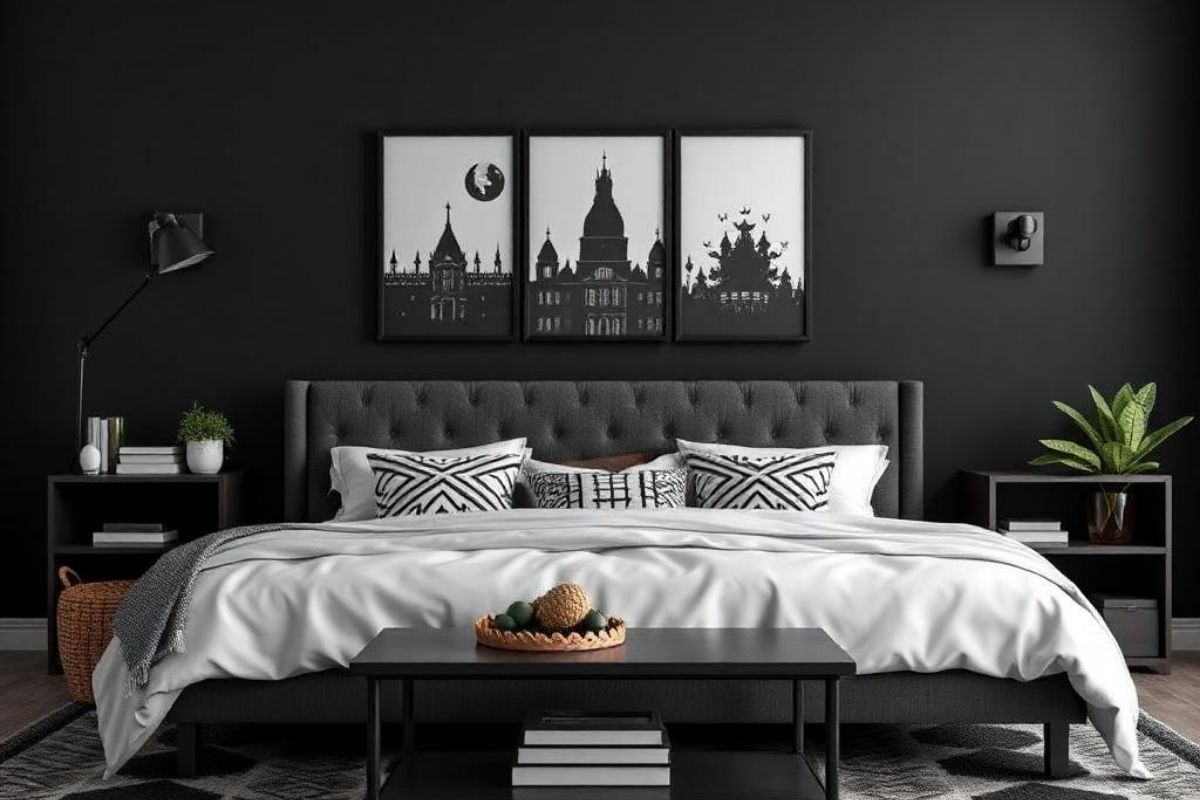
Pairing a rug with drapery, or cabinetry with flooring, gets easier when placing samples together. Buyers hold swatches side by side and catch clashes right away. Design surveys suggest that close to 30% of online furniture returns trace back to color or size mismatches, a headache showrooms mostly resolve.
Another advantage is being able to compare several finishes in one visit. Instead of relying on memory or switching between product tabs, shoppers can examine different options at the same time. Bringing photos of the existing room, paint samples, or flooring swatches can make these comparisons even more useful.
Understanding Quality and Craftsmanship
A price tag says very little about how a piece is built. In a showroom, shoppers can closely examine joints, stitching, and hardware. They can tell whether drawers slide cleanly or whether a frame holds firm under pressure. Small signs like these separate lasting investments from quick letdowns. Staff explains sourcing, warranties, and care steps, giving people confidence that their money buys real durability instead of good looks alone.
Watching craftsmanship in person builds a kind of trust that catalog images cannot match. It also gives buyers an opportunity to ask about replacement parts, cleaning requirements, and expected wear over time. These details are worth considering when purchasing expensive furniture or fixtures intended to last for years.
Before making a final decision, shoppers should also clarify delivery fees, installation requirements, return policies, and estimated lead times. Understanding these costs upfront makes it easier to compare the true value of different products rather than focusing on the displayed price alone.
.jpg)
Visualizing the Complete Look
A well-styled display sets furniture inside finished vignettes. Sofas sit with lamps, tables, and artwork, showing how each part plays off the others. That staging sparks ideas that isolated product shots tend to miss. Visitors leave with a clearer sense of how separate items pull together into one room. Plenty of people stumble onto surprising pairings that improve their original plan.
Seeing a room already assembled also helps buyers decide with much less uncertainty. They can observe how furniture heights relate to one another, how lighting changes the atmosphere, and how decorative accents add depth without cluttering the space.
These displays can also inspire solutions for awkward layouts or limited square footage. A compact dining nook, layered lighting arrangement, or carefully positioned storage unit might offer an idea that shoppers can adapt to their own homes. Even when the exact furniture is outside their budget, the overall arrangement can serve as a useful starting point.
Making Confident, Lasting Decisions
Quick clicks often breed regret, while unhurried visits reward careful spending. Handling products, asking experts questions, and weighing choices side by side helps reduce second thoughts. People who spend time in person usually feel better about their rooms months later. That reassurance matters most for costly or permanent work, such as cabinetry, countertops, or bold lighting.
Fewer returns, less stress, and steadier satisfaction make the trip worth every minute for anyone planning real upgrades.
To get the most out of a visit, shoppers should prepare a simple list of priorities before leaving home. Set a realistic budget, take accurate measurements, and collect inspiration photos that reflect the desired style. It also helps to note which items are essential and where there is room to compromise. With a little preparation, a showroom visit becomes a focused research trip rather than an overwhelming afternoon of browsing.
Conclusion
A screen offers speed, but a showroom offers certainty. Feeling fabrics, testing proportions, and speaking with knowledgeable staff turn fuzzy ideas into confident calls. Visiting in person protects budgets, reduces returns, and reveals quality that photos can hide. For anyone weighing a major purchase, an hour spent among real pieces often proves the smartest move toward a home that feels genuinely finished.


.svg)

.jpg)
