A Beginner’s Guide to Tiny House Roofing Materials and Tips

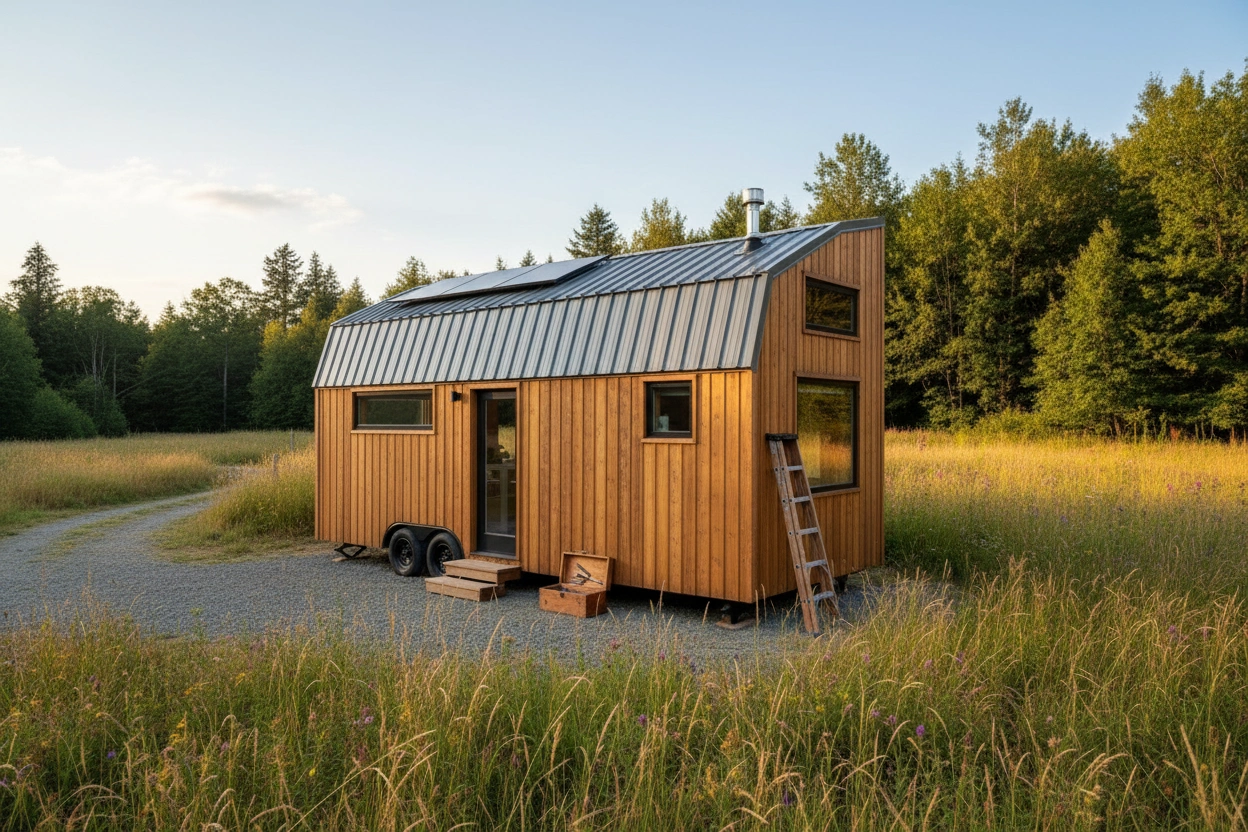
The tiny house movement has gained significant traction in recent years, driven by a desire for simpler living, reduced environmental impact, and financial freedom. One of the most critical components of any tiny house is its roofing system. The choice of roofing materials not only affects the aesthetics of the home but also its durability, insulation, and overall energy efficiency. This guide aims to equip you with essential knowledge about tiny house roofing, including the best roofing materials for tiny houses and tips to ensure your roof stands the test of time.
Understanding Tiny House Roofing
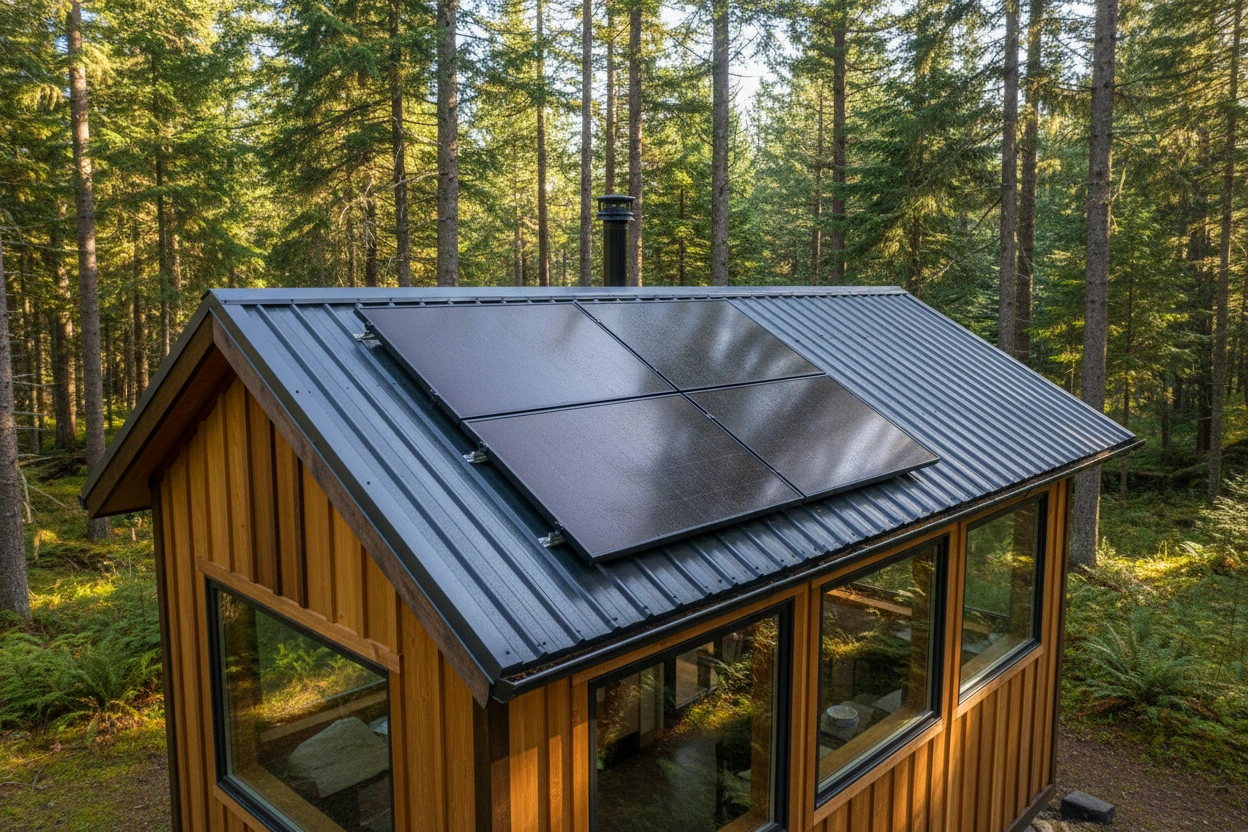
Tiny house roofing is not merely an afterthought; it plays a pivotal role in the overall construction and functionality of the home. The roofing system is exposed to various elements, including rain, snow, and sunlight, which can significantly impact its longevity and performance. Selecting the appropriate roofing material is vital for achieving optimal insulation and energy efficiency, which is especially important in smaller living spaces. In addition to choosing the right materials, understanding the unique considerations that come with tiny house roofing is essential. Factors such as weight, installation complexity, and regional climate conditions should guide your choices. For instance, if you live in an area prone to heavy snowfall, opting for a roofing material that can withstand snow loads is imperative.
Key Considerations for Tiny House Roofing
- Weight: Tiny homes often utilize lighter materials to maintain structural integrity. Ensure that the roofing material you choose is suitable for the overall weight capacity of your tiny house.
- Climate: The local climate should influence your material selection. For example, metal roofs are excellent for hot climates, while asphalt shingles may perform better in temperate zones.
- Cost and Maintenance: Budgeting for both initial costs and ongoing maintenance is crucial. Some materials may have lower upfront costs but require more maintenance over time.
Top 5 Roofing Types for Tiny Homes
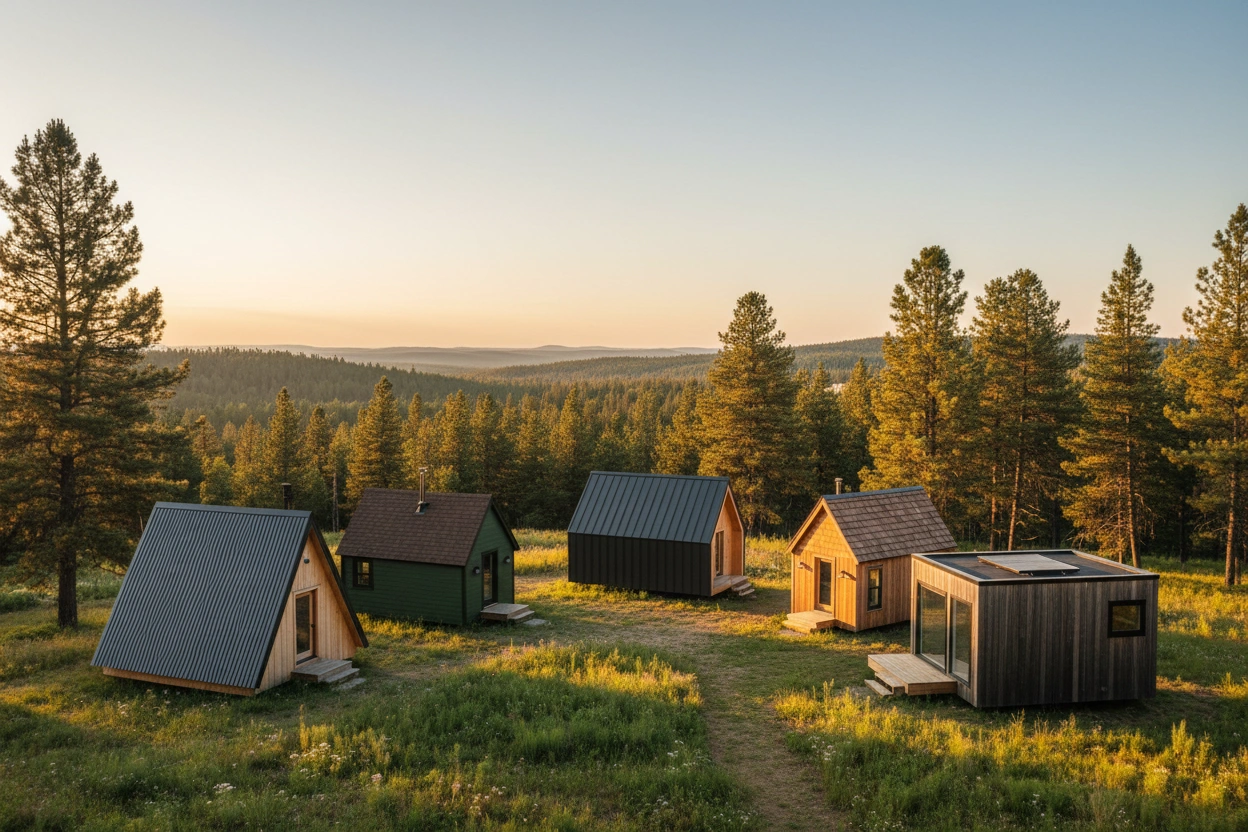
When it comes to tiny house roofing, several materials stand out for their performance, aesthetics, and practicality. Below are the top five roofing types suitable for tiny houses, along with their pros and cons.
1. Metal Roofing
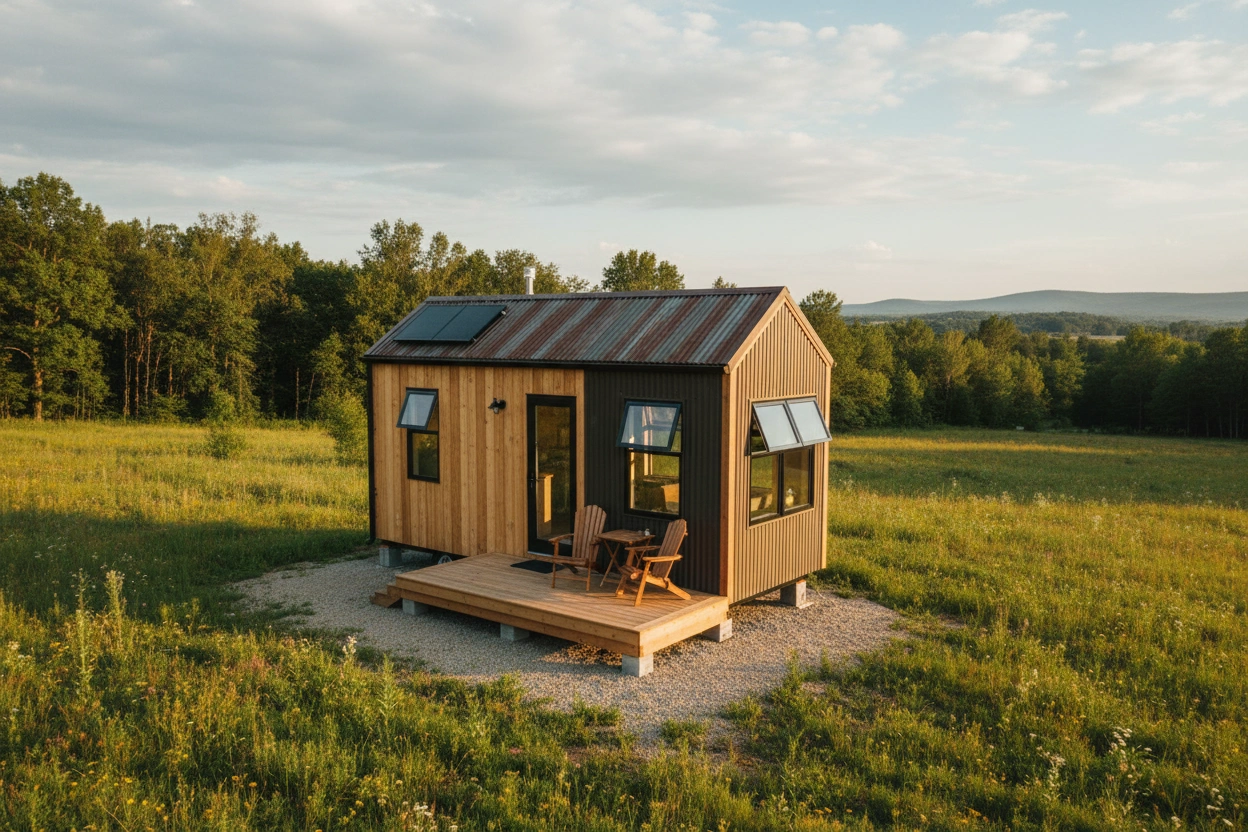
Metal roofing is one of the most popular choices for tiny homes due to its durability and resistance to harsh weather conditions.
Pros:
- Long lifespan of 40-70 years
- Excellent resistance to wind and snow
- Reflective properties help in energy efficiency
Cons:
- Higher initial cost compared to other materials
- Can be noisy during rain or hail
Metal roofing is available in various styles, including corrugated and standing seam, allowing homeowners to choose a look that complements their tiny home design.
2. Asphalt Shingles
Asphalt shingles are a classic roofing choice, known for their affordability and ease of installation.
Pros:
- Cost-effective and widely available
- Variety of colors and styles
- Relatively easy to install
Cons:
- Shorter lifespan (15-30 years)
- Susceptible to mold and algae growth in humid climates
Despite their shorter lifespan, asphalt shingles remain a favored option for many tiny house builders due to their low upfront costs.
3. EPDM Rubber Roofing
EPDM (Ethylene Propylene Diene Monomer) rubber roofing is an excellent option for flat or low-slope tiny house roofs.
Pros:
- Highly durable and weather-resistant
- Excellent insulation properties
- Lightweight and easy to install
Cons:
- Limited aesthetic appeal
- Requires proper installation to avoid leaks
EPDM rubber roofing is particularly effective in areas with heavy rainfall, providing a reliable waterproof barrier.
4. Wood Shakes
Wood shakes offer a natural and rustic appearance that many tiny house owners appreciate.
Pros:
- Aesthetically pleasing and unique
- Good insulation properties
- Eco-friendly if sourced sustainably
Cons:
- Higher maintenance requirements
- Susceptible to fire and rot
Wood shakes require regular treatment to prevent decay, making them a less practical choice for some homeowners.
5. Slate Roofing
Slate roofing is a premium option that brings elegance and longevity to tiny homes.
Pros:
- Extremely durable, lasting over 100 years
- Fire-resistant and environmentally friendly
- Unique appearance that adds character
Cons:
- High initial cost
- Heavy, requiring reinforced roofing structures
Slate roofing is ideal for homeowners who prioritize aesthetics and long-term investment over initial costs.
Tips for Choosing Tiny House Roofing Materials
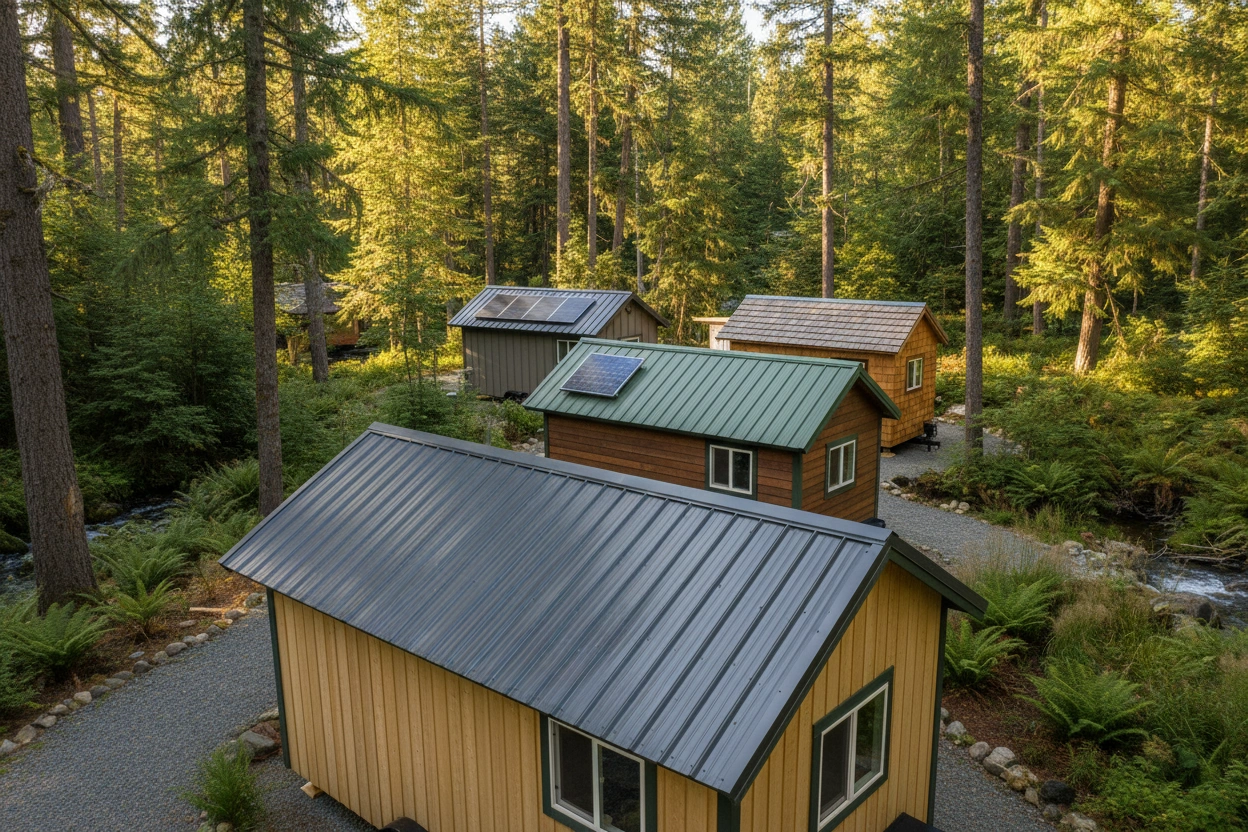
Selecting the right roofing material for your tiny house involves careful consideration of various factors. Here are some actionable tips to guide your decision-making process:
Assess Your Climate
Understanding your local climate is paramount when choosing roofing materials. For instance, if you live in a region with extreme temperatures or heavy rainfall, opt for materials known for their durability and insulation properties. choose the right roofing material that can withstand the elements.
Consider Your Budget
Budget constraints can heavily influence your choice of roofing materials. While it may be tempting to go for the cheapest option, consider long-term costs, including maintenance and replacement. Investing in quality materials may save you money in the long run.
Evaluate Installation Requirements
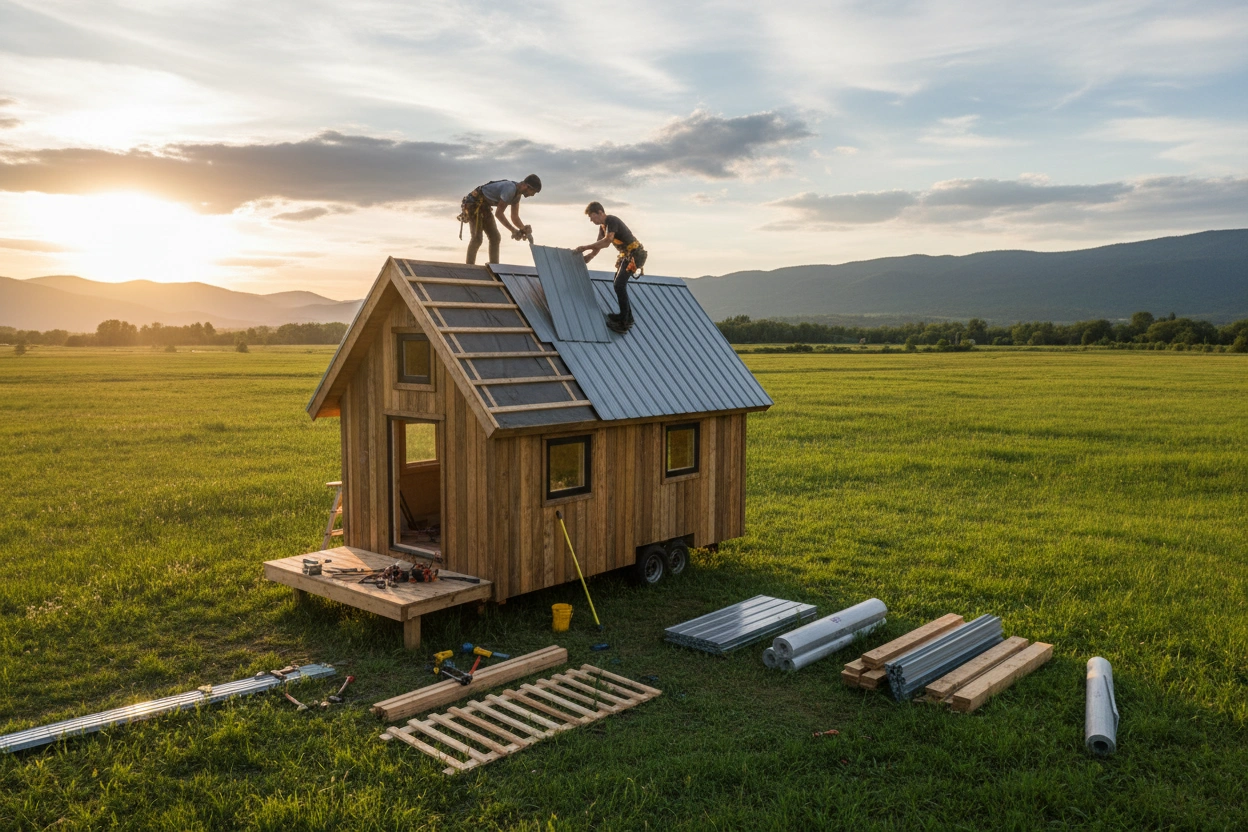
Some roofing materials require specialized skills for installation, which can add to the overall cost. If you plan to install the roof yourself, consider materials that are easier to work with, such as asphalt shingles or metal roofing.
Think About Aesthetics
The appearance of your roof can significantly impact the overall look of your tiny house. Choose materials that align with your design vision while also considering their practicality and durability.
Plan for Maintenance
Different roofing materials come with varying maintenance needs. Ensure that you understand the upkeep required for your chosen material to avoid unexpected costs and labor.
Common Mistakes to Avoid in Tiny House Roofing
When selecting and installing roofing for your tiny house, it's easy to make mistakes that can lead to costly repairs down the line. Here are some common pitfalls to avoid:
- Ignoring Local Building Codes: Always check local building regulations before finalizing your roofing choice. Non-compliance can lead to fines and complications during inspections.
- Underestimating Weight Limits: Tiny homes have specific weight limits. Ensure that your chosen roofing material doesn't compromise the structural integrity of your home.
- Neglecting Insulation Needs: Insufficient insulation can lead to higher energy costs. Consider roofing materials that provide adequate thermal performance.
- Failing to Plan for Drainage: Proper drainage is critical for preventing water damage. Ensure your roof design includes adequate slope and drainage systems.
Conclusion: The Importance of Smart Roofing Choices in Tiny Homes
Understanding the intricacies of tiny house roofing is essential for anyone looking to embrace the tiny living movement. From selecting the best roofing materials for tiny houses to avoiding common pitfalls, making informed choices can greatly enhance your living experience. TinyHouse.com is here to assist you in every step of your tiny house journey, from design to construction.
For those ready to take the next step in building or buying a tiny home, we invite you to connect with us. Visit TinyHouse.com to explore a wealth of resources and expert advice tailored to your tiny house needs. Your dream of a simpler, more sustainable lifestyle is just a click away.


.svg)