Affordable Simple Living: Tips for Family-Friendly Minimalism


The concept of simple living has gained traction in recent years, particularly among families looking to create a more manageable and meaningful lifestyle. As we navigate the complexities of modern life, the principles of minimalism resonate with those who prioritize sustainability, affordability, and a clutter-free environment. Simple living is not just about reducing possessions; it’s about making intentional choices that enhance the quality of life for families.
In 2026, the movement towards sustainable living continues to evolve, encouraging families to embrace practices that reduce waste, promote financial stability, and foster a sense of community. This article presents ten decluttering tips designed to simplify your home and life, making the journey toward minimalism approachable and family-friendly.
Understanding Simple Living

Defining Simple Living
Simple living is a lifestyle choice that emphasizes minimalism and intentionality. It involves reducing the number of possessions, simplifying daily routines, and focusing on what truly matters—relationships, experiences, and personal growth. This lifestyle is not synonymous with deprivation; rather, it encourages individuals to make conscious choices about their belongings and activities, fostering a more fulfilling existence.
Families practicing simple living often report increased satisfaction and reduced stress. The act of decluttering can lead to a more organized home, allowing family members to enjoy their space without the burden of excess belongings. This approach also encourages sustainable living practices, as families become more mindful of their consumption habits and the environmental impact of their choices.
The Benefits of Minimalism for Families
Adopting a minimalist lifestyle can yield numerous benefits for families, including:
- Financial Savings: By purchasing less and focusing on quality over quantity, families can save money and allocate resources more effectively.
- Reduced Stress: A clutter-free environment can lead to a more peaceful home, minimizing distractions and promoting relaxation.
- Improved Relationships: With fewer distractions, families can spend more quality time together, strengthening their bonds and enhancing communication.
- Environmental Responsibility: Embracing simple living often aligns with sustainable practices, helping families reduce their ecological footprint.
Top 10 Decluttering Tips for a Simpler Home
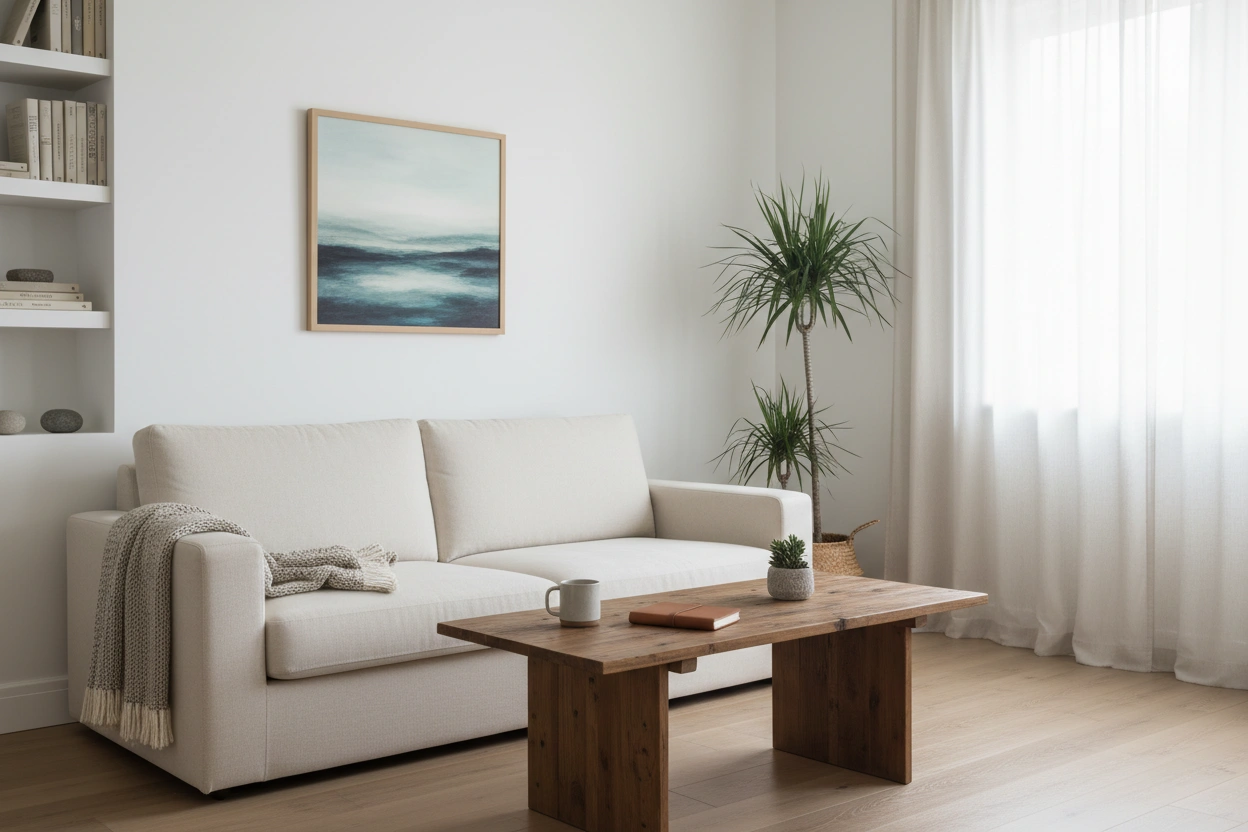
Creating a simpler home involves intentional decisions and consistent efforts. Here are ten practical decluttering tips designed for families seeking to embrace simple living:
1. Start Small with One Room
Begin your decluttering journey by focusing on one room at a time. This prevents feeling overwhelmed and allows you to see immediate progress. Choose a space that you frequently use, such as the living room or kitchen, and set aside dedicated time to tackle the clutter.
2. Involve the Whole Family
Engaging all family members in the decluttering process fosters teamwork and shared responsibility. Create a family decluttering day where everyone can contribute, making it a fun and collaborative experience. This approach not only lightens the workload but also encourages children to develop a sense of ownership over their belongings.
3. Use the "One In, One Out" Rule
To maintain a clutter-free environment, adopt the "one in, one out" rule. Whenever a new item is brought into the home, an existing item must be removed. This practice helps regulate the number of possessions and encourages thoughtful purchasing decisions.
4. Create a Donation Box
Set up a designated box for items you no longer need or use. Encourage family members to contribute regularly, making it a habit to assess belongings. Schedule regular donation drop-offs to local charities, reinforcing the idea of giving and reducing waste.
5. Organize with Purpose
When organizing your belongings, ensure each item has a designated place. Utilize storage solutions such as bins, baskets, and shelves to create an organized system. This not only simplifies the decluttering process but also makes it easier to maintain order in the long run.
6. Limit Sentimental Items
While it’s natural to hold onto sentimental items, it’s important to assess their significance. Encourage family members to select a few meaningful keepsakes rather than storing an entire box of memories. Consider taking photos of items that hold sentimental value but may not need to occupy physical space.
7. Digital Decluttering
In the age of technology, digital clutter can be just as overwhelming as physical clutter. Take time to organize digital files, delete unnecessary emails, and unsubscribe from unwanted newsletters. A clean digital space can enhance productivity and reduce stress.
8. Embrace Minimalist Decor
Adopt a minimalist approach to home decor by selecting a few statement pieces rather than overcrowding spaces with decorations. This not only simplifies cleaning but also creates a more serene atmosphere. Choose decor that reflects your family's values and enhances your living space.
9. Set Decluttering Goals
Establish specific decluttering goals to keep your family motivated. Whether it’s a certain number of items to donate each month or a commitment to declutter a room each week, setting measurable goals can create a sense of achievement and encourage ongoing efforts.
10. Practice Mindfulness in Consumption
Encourage your family to practice mindfulness when it comes to purchasing decisions. Discuss the importance of sustainability and intentionality in consumption, reinforcing the values of simple living. Consider implementing a waiting period for new purchases to evaluate their necessity.
Common Misconceptions About Simple Living

Minimalism Equals Poverty
One prevalent misconception is that simple living equates to a lack of resources or enjoyment. In reality, minimalism allows individuals and families to prioritize their values and invest in experiences rather than material possessions. By focusing on what truly matters, families can lead fulfilling lives without the burden of excess.
Simple Living Is Only for Young Adults
Another myth is that simple living is primarily suited for young adults or singles. Families can also embrace minimalism, adapting the principles to fit their unique needs. Simple living can enhance family dynamics, improve communication, and create a harmonious home environment.
Decluttering Is a One-Time Event
Many believe that decluttering is a one-time task. However, maintaining a clutter-free home requires ongoing effort and commitment. Establishing routines and involving the entire family in the process can help ensure that minimalism becomes a sustainable lifestyle choice.
Practical Steps to Maintain a Simple Living Lifestyle
To cultivate a lasting simple living lifestyle, consider the following practices:
- Regularly Assess Belongings: Set aside time every few months to evaluate your possessions and remove items that no longer serve a purpose.
- Encourage Open Communication: Foster a culture of communication within the family regarding clutter and consumption. Discuss the importance of maintaining a simple living approach.
- Lead by Example: Model minimalist behaviors for your children, demonstrating the benefits of simple living in your daily actions.
The Intersection of Simple Living and TinyHouse.com
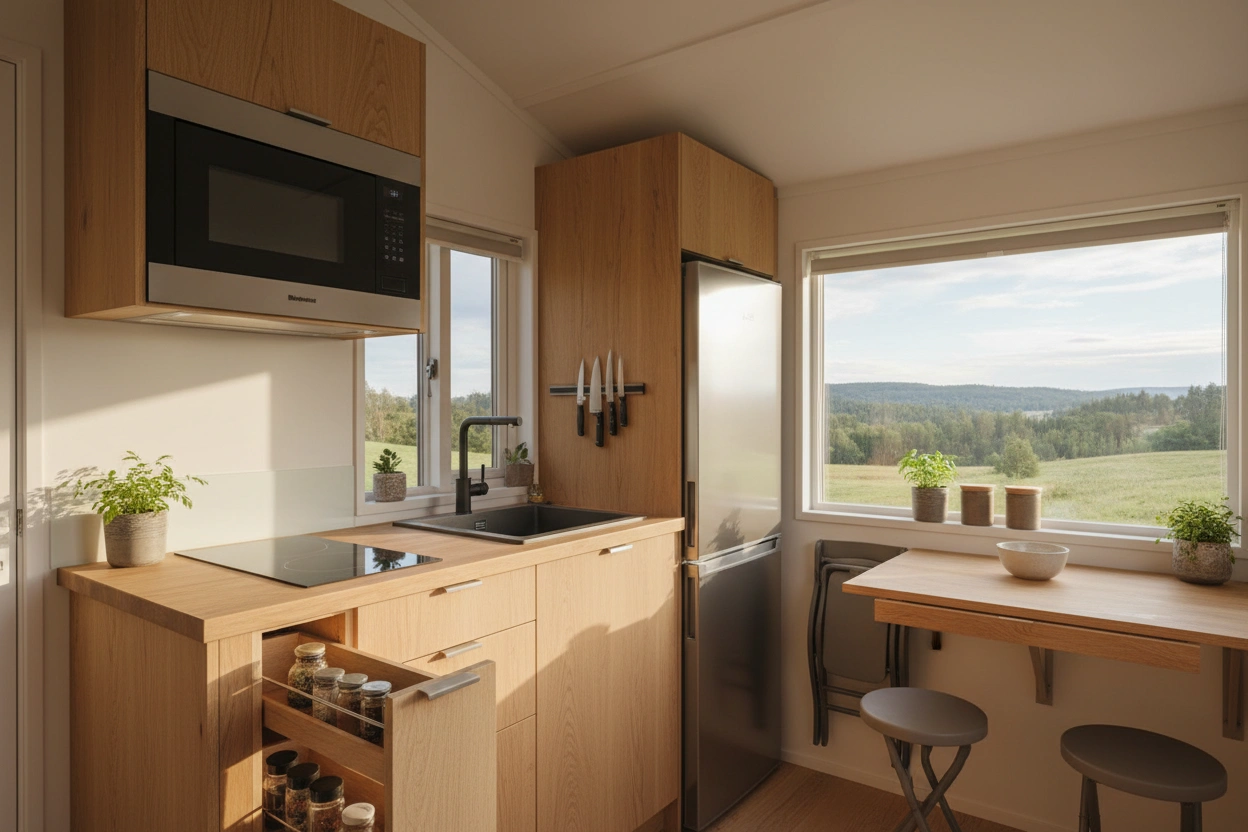
Simple living and sustainable practices are deeply intertwined, particularly for families seeking affordable housing solutions. TinyHouse.com offers valuable resources for those interested in downsizing and embracing a simpler lifestyle. By exploring tiny home options, families can experience the benefits of reduced financial burdens, increased flexibility, and a more intentional way of living.
The principles of simple living resonate with the ethos of tiny homes, where every square foot is designed with purpose and efficiency. Families can create environments that reflect their values while maintaining affordability and sustainability.
If you're inspired to take the next step toward embracing the concepts of simple living and explore the possibilities of tiny homes, visit TinyHouse.com. There, you will find comprehensive resources to guide you on your journey toward a simpler, more fulfilling life.
By embracing the concepts of simple living, you can create a home that not only meets your family's needs but also aligns with your values and aspirations. Contact TinyHouse.com today to learn how you can start your journey toward affordable, family-friendly minimalism.


.svg)