
Affordable Tiny House Design Secrets for Small Space Living

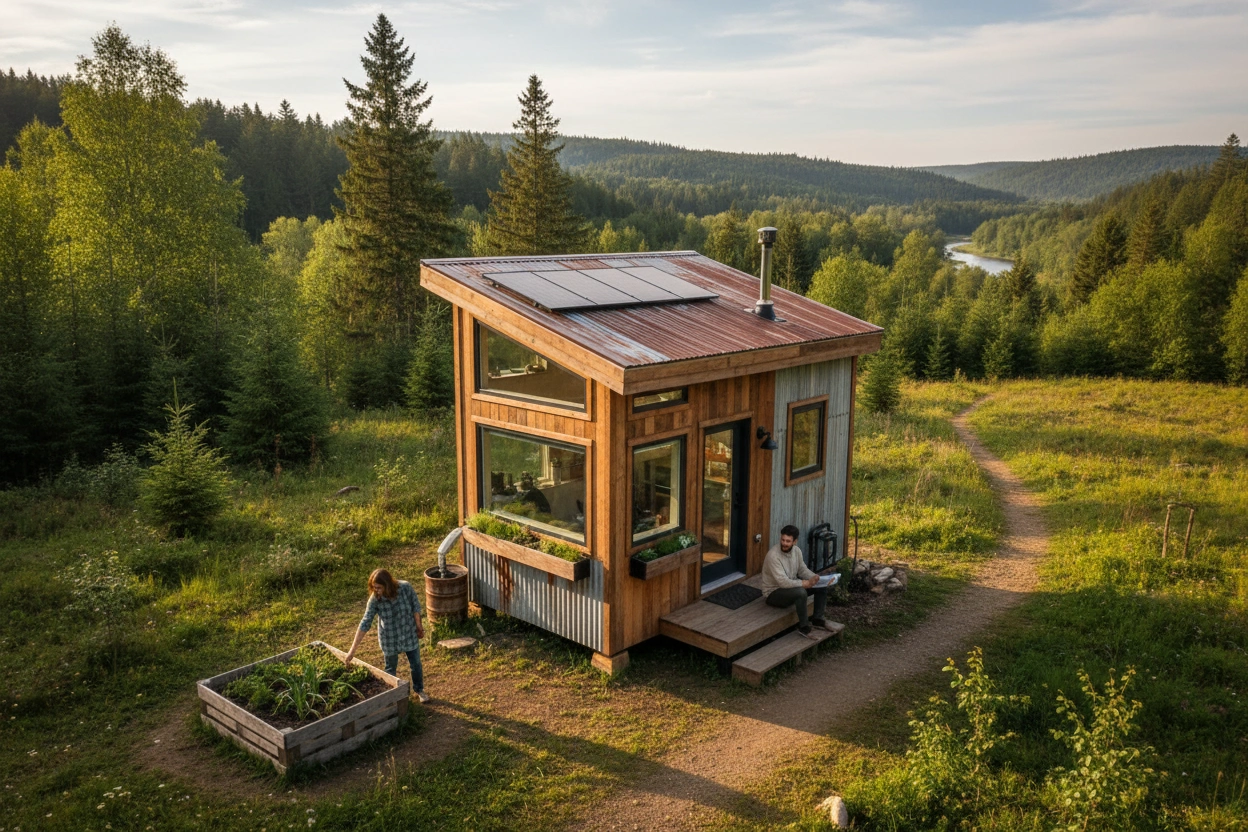
The growing trend towards tiny house living reflects a shift in lifestyle preferences, where minimalism meets sustainability. Many individuals and couples, particularly those aged 25 to 65, are gravitating towards tiny homes not just for their affordable tiny house design but also for the flexibility they offer. The concept of tiny house design encompasses various elements, from space optimization to aesthetic choices, making it crucial for prospective homeowners to understand the secrets behind effective tiny house planning. This article will explore the essentials of tiny house design and present the top ten tiny house plans that can inspire your next project.
Understanding Tiny House Design
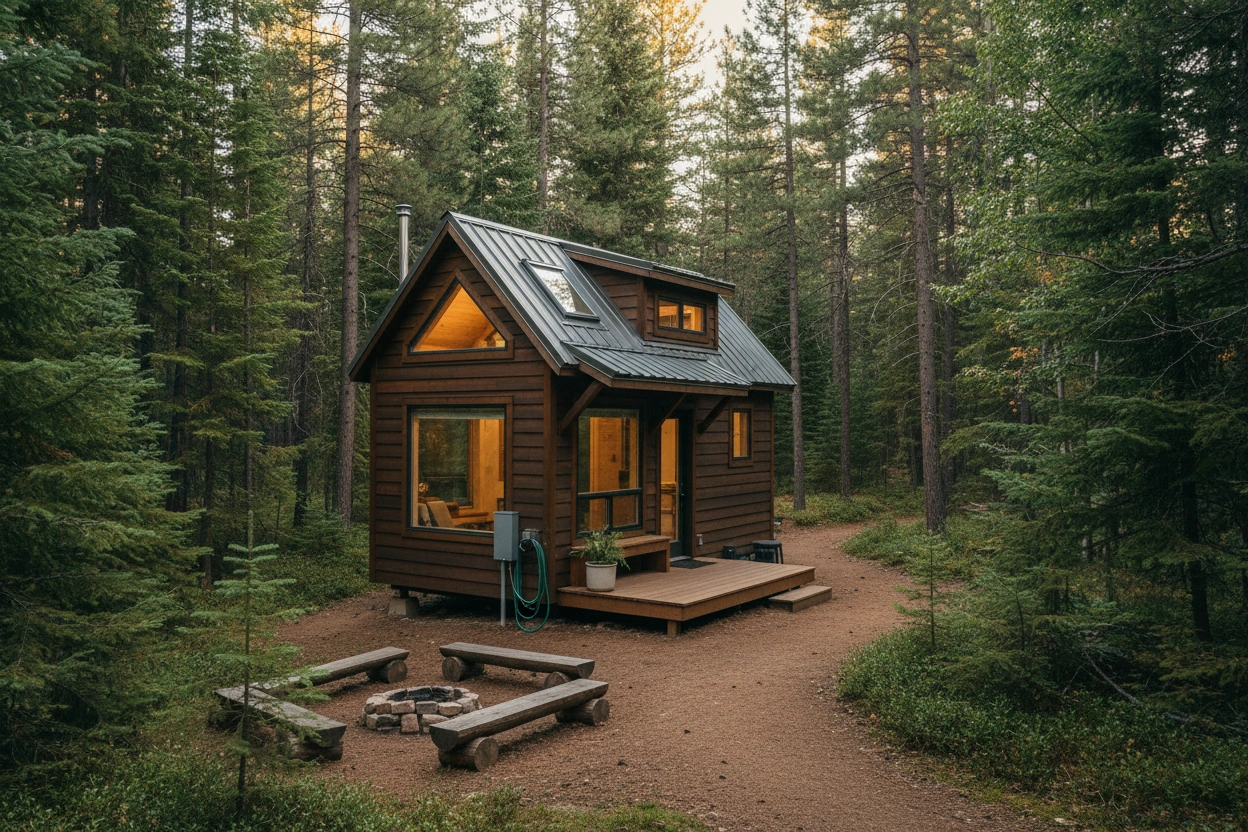
Tiny house design is more than just creating a smaller version of a traditional home; it's about maximizing every inch of space while maintaining functionality and comfort. The first consideration in tiny house design is the layout. A well-thought-out layout can transform a small area into a spacious and inviting living environment. This includes utilizing open floor plans, multifunctional furniture, and clever storage solutions.
Another vital aspect of tiny house design is the choice of materials. Using sustainable and space-saving materials not only contributes to the environment but also enhances the overall aesthetic appeal of the home. For example, opting for reclaimed wood or eco-friendly insulation can provide both durability and character to your tiny house. Understanding how to blend functionality with style is key to creating a home that feels both comfortable and chic.
Key Elements of Tiny House Design
- Space Optimization: Consider layouts that make the best use of vertical and horizontal space. This could involve building lofted sleeping areas or incorporating foldable furniture that can be tucked away when not in use.
- Multifunctional Spaces: Design rooms that serve multiple purposes, such as a living room that converts into a guest room or a dining area that doubles as a workspace.
- Sustainable Materials: Choose materials that are not only environmentally friendly but also lightweight and easy to maintain, such as bamboo or recycled metals.
Top 10 Tiny House Plans to Inspire Your Next Project
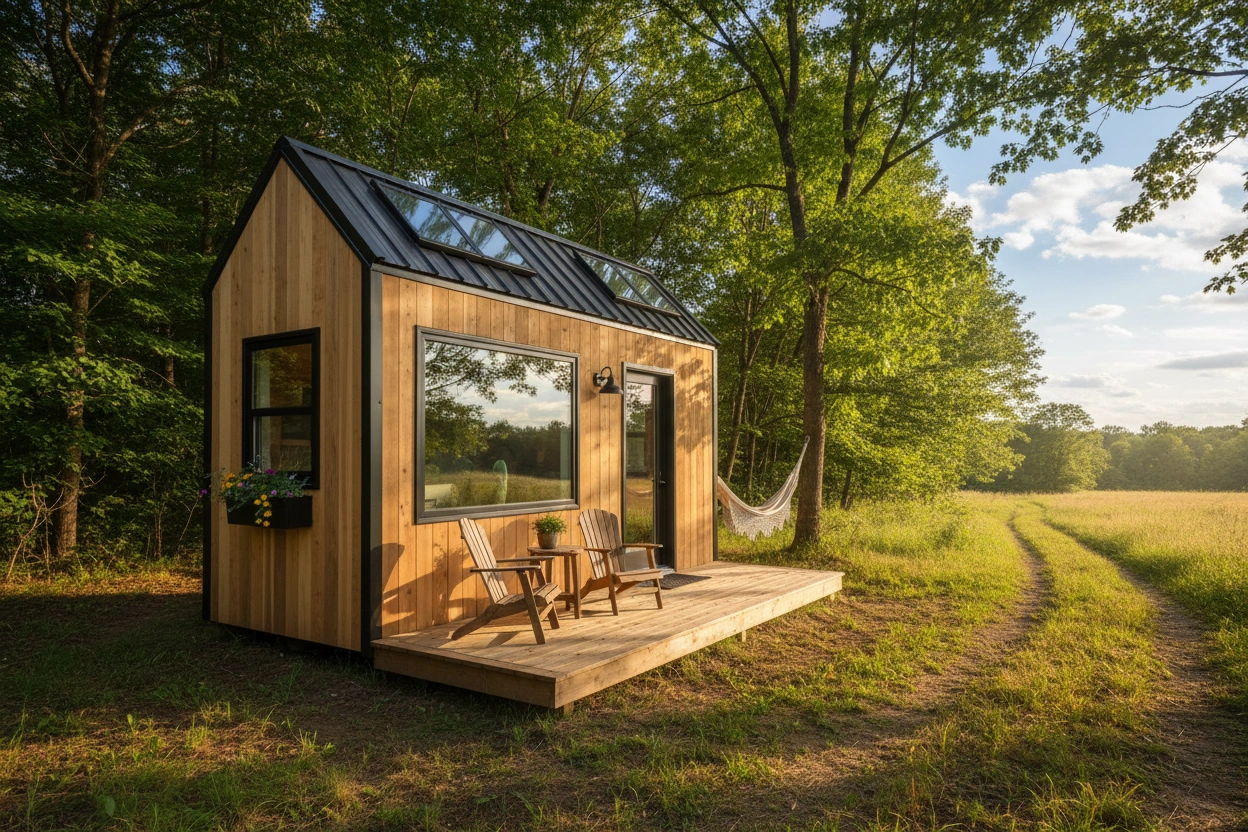
When considering tiny house design, it's beneficial to look at existing plans that exemplify innovation and efficiency. Here are ten inspiring tiny house plans that showcase various styles and functionalities:
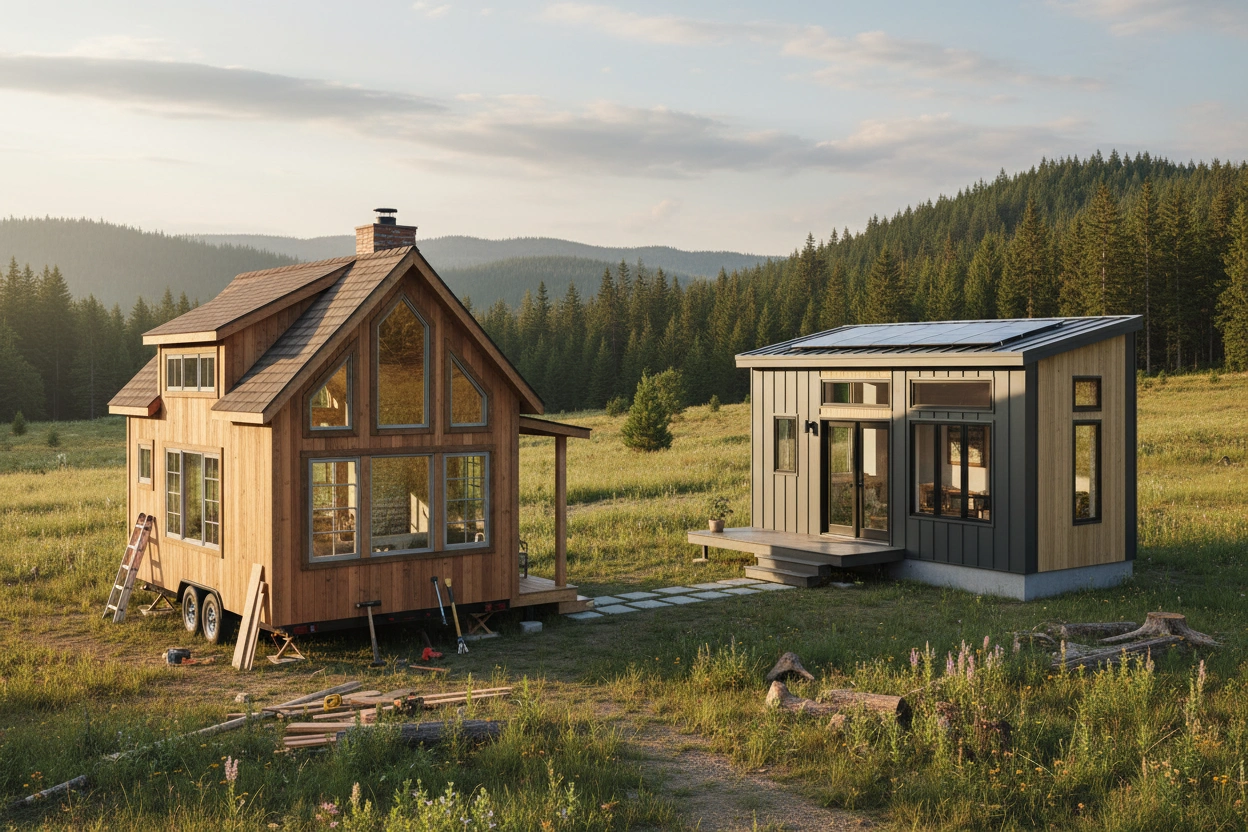
The Tiny Cabin: This plan features a rustic design with a lofted sleeping area, a compact kitchen, and a cozy living space. Ideal for those who enjoy a cabin-like feel in nature.
The Modern Box: A sleek, minimalist design with large windows for natural light. This plan emphasizes clean lines and open spaces, perfect for urban living.
The Compact Cottage: This charming design incorporates traditional elements with modern efficiency, featuring a small porch and a well-appointed kitchen.
The Sustainable Retreat: Focused on eco-friendliness, this tiny house plan uses solar panels and rainwater collection systems, making it ideal for off-grid living.
The Urban Loft: Designed for city dwellers, this plan maximizes vertical space with a loft and features a compact, stylish kitchen and a small balcony.
The Family-Friendly Tiny House: This layout includes two sleeping areas and a flexible living space, catering to families looking for affordable housing options.
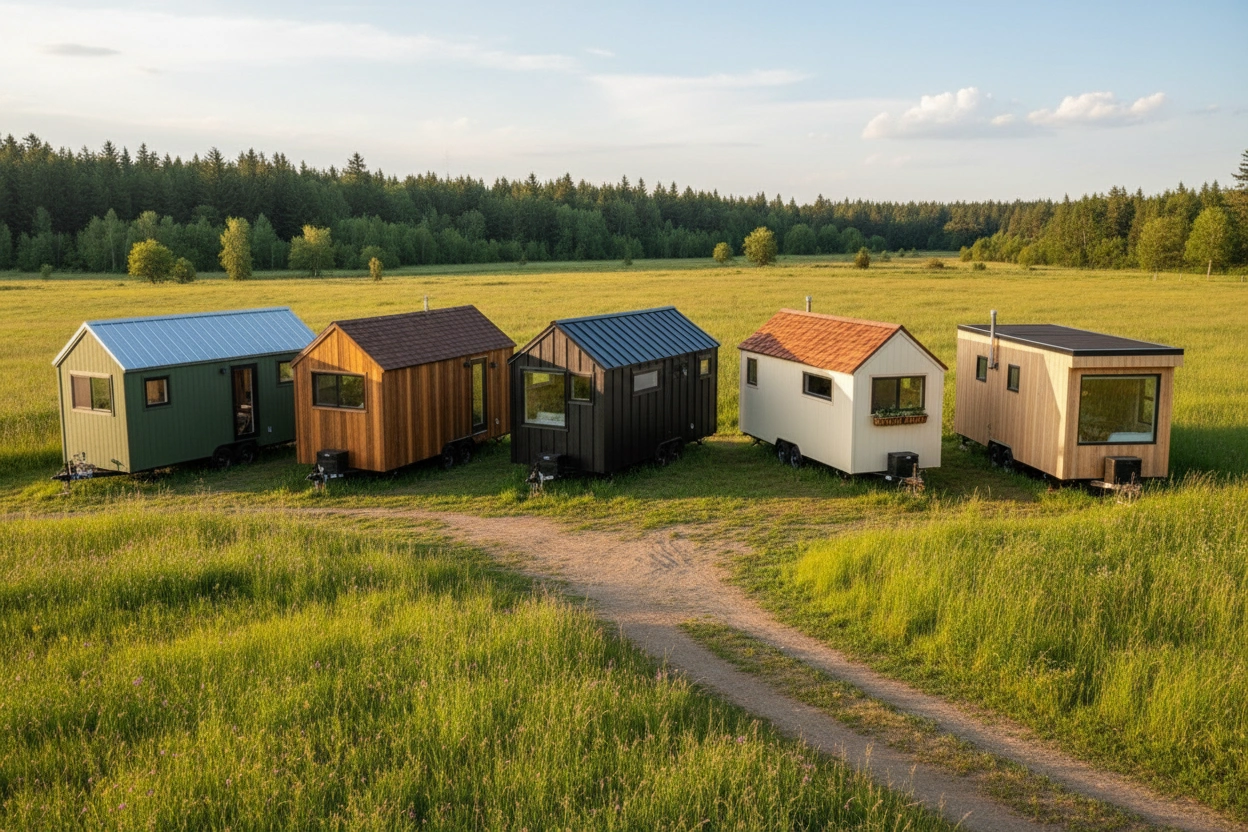
The Mobile Tiny House: Built on a trailer, this design allows for mobility without sacrificing comfort. It includes a full kitchen and bathroom, making it suitable for travel.
The Minimalist Studio: A simple, open floor plan that emphasizes decluttering, featuring built-in storage solutions and a foldable table for dining and work.
The Tiny Farmhouse: Combining rustic charm with modern amenities, this design incorporates a front porch and a functional layout for those wanting a homey feel.
The Eco-Friendly Tiny Home: This plan focuses on sustainable living with energy-efficient appliances and a design that promotes natural ventilation and light.
Common Mistakes in Tiny House Design
While tiny house living offers numerous benefits, many first-time builders or buyers make common mistakes in tiny house design that can hinder their overall experience. Here are some pitfalls to avoid:
Ignoring Zoning Laws: Before beginning any tiny house project, it's essential to check local zoning regulations to ensure compliance. Many areas have specific rules regarding minimum square footage and land use.
Overlooking Storage Solutions: Failing to incorporate adequate storage can lead to clutter, which diminishes the appeal of tiny house living. Plan for built-in storage options from the outset.
Neglecting Natural Light: A common mistake is not maximizing natural light, which can make a small space feel cramped. Incorporate large windows or skylights to create an open atmosphere.
Compromising on Quality: In an effort to save costs, some may opt for lower-quality materials. Investing in durable, sustainable materials can enhance the longevity and comfort of your tiny house.
Practical Tips for Effective Tiny House Design
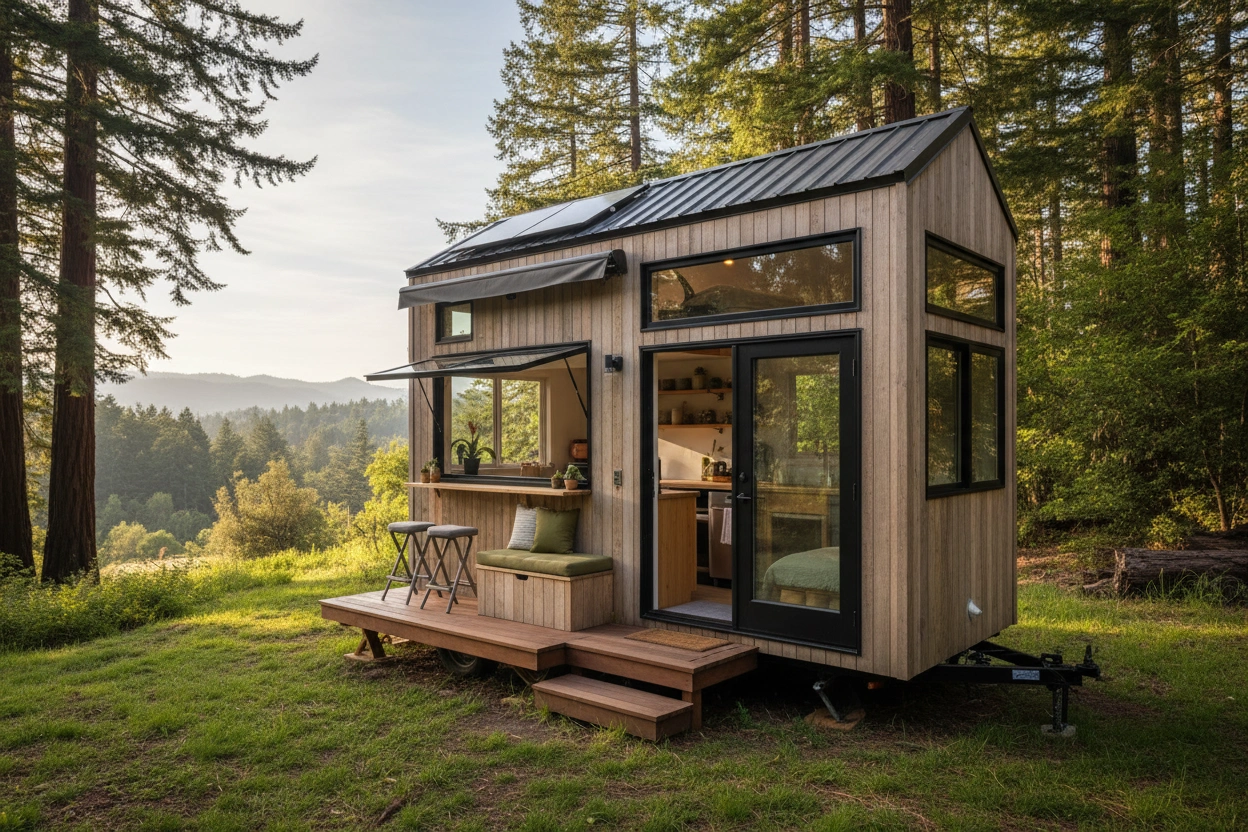
Designing a tiny house can be a rewarding experience, especially when you apply practical strategies to maximize space and efficiency. Here are several tips to guide your design process:
Prioritize Functionality: Every element in your tiny home should serve a purpose. Assess your lifestyle needs and incorporate features that enhance daily living, such as a Murphy bed or convertible furniture.
Incorporate Outdoor Spaces: Extending your living area outdoors can enhance your tiny house experience. Consider adding a deck or patio that allows for outdoor dining or relaxation.
Emphasize Vertical Space: Use walls for storage and shelving to keep the floor area clear. High cabinets and wall-mounted fixtures can make a small space feel larger.
Choose a Cohesive Color Palette: A well-thought-out color scheme can create a sense of unity and spaciousness. Light colors tend to make spaces feel larger, while darker shades can add depth and warmth.
Plan for Future Needs: As life changes, so might your needs. Design your tiny house with future modifications in mind, such as expanding storage or creating additional sleeping areas.
Embracing Tiny House Living
Adopting a tiny house lifestyle presents an opportunity to simplify and refocus on what truly matters. By understanding the principles of tiny house design and implementing the tips discussed, you can create a space that reflects your values and meets your needs.
The allure of tiny homes lies not just in their affordability but also in their ability to foster a lifestyle centered around minimalism, sustainability, and flexibility. Whether you are a remote worker seeking a serene environment or an aspiring homeowner looking for an affordable option, tiny house living offers a viable solution.
The Future of Tiny House Design with TinyHouse.com
As you consider the journey into tiny house living, the insights shared in this article provide a solid foundation for your design and planning process. TinyHouse.com is dedicated to supporting individuals and couples looking to build or buy their dream tiny home.
By visiting TinyHouse.com, you can access a wealth of resources, including personalize your tiny house design, plans, and expert advice tailored to your needs. Embrace the simplicity and freedom that tiny house living offers, and take the first step toward creating a home that aligns with your lifestyle.
For further information and assistance, contact TinyHouse.com today and begin your journey to affordable and sustainable living.


.svg)
.jpg)