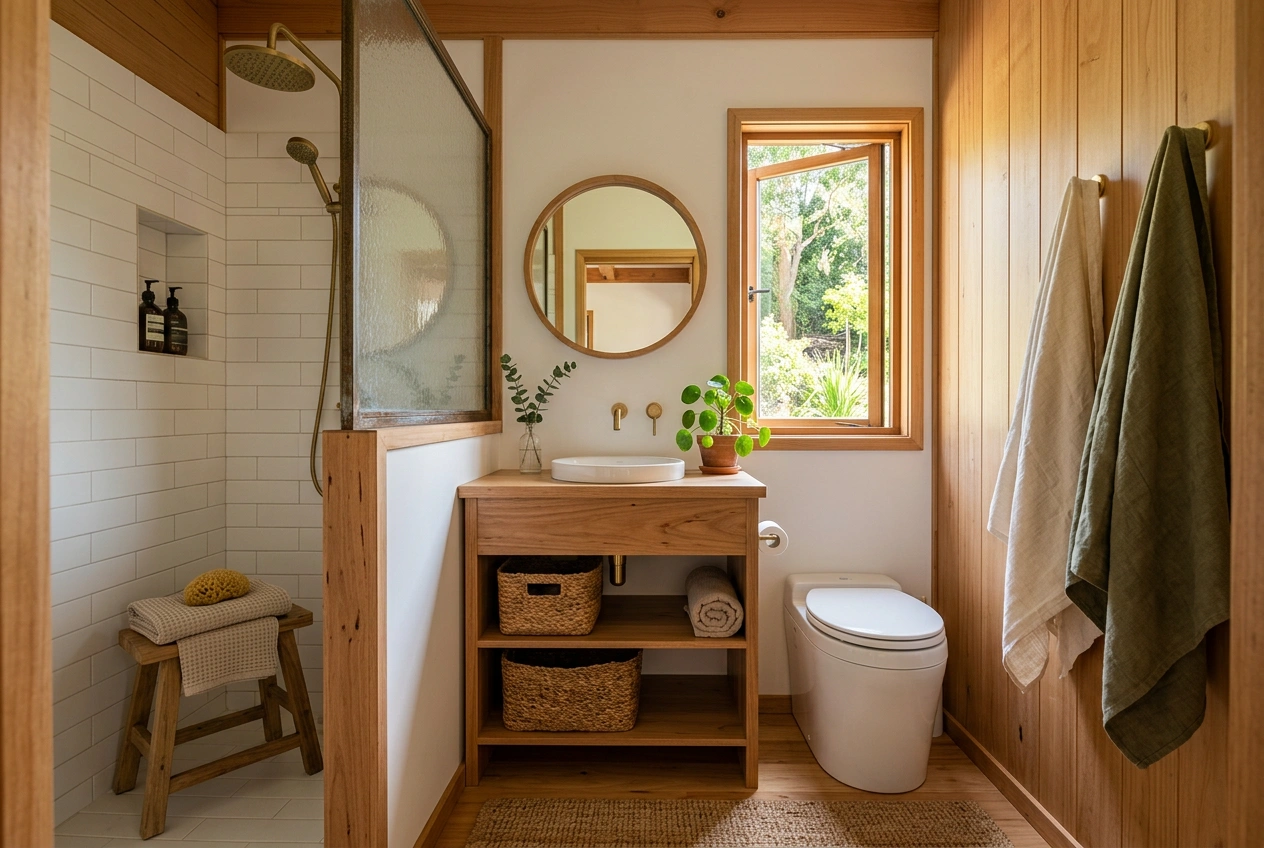
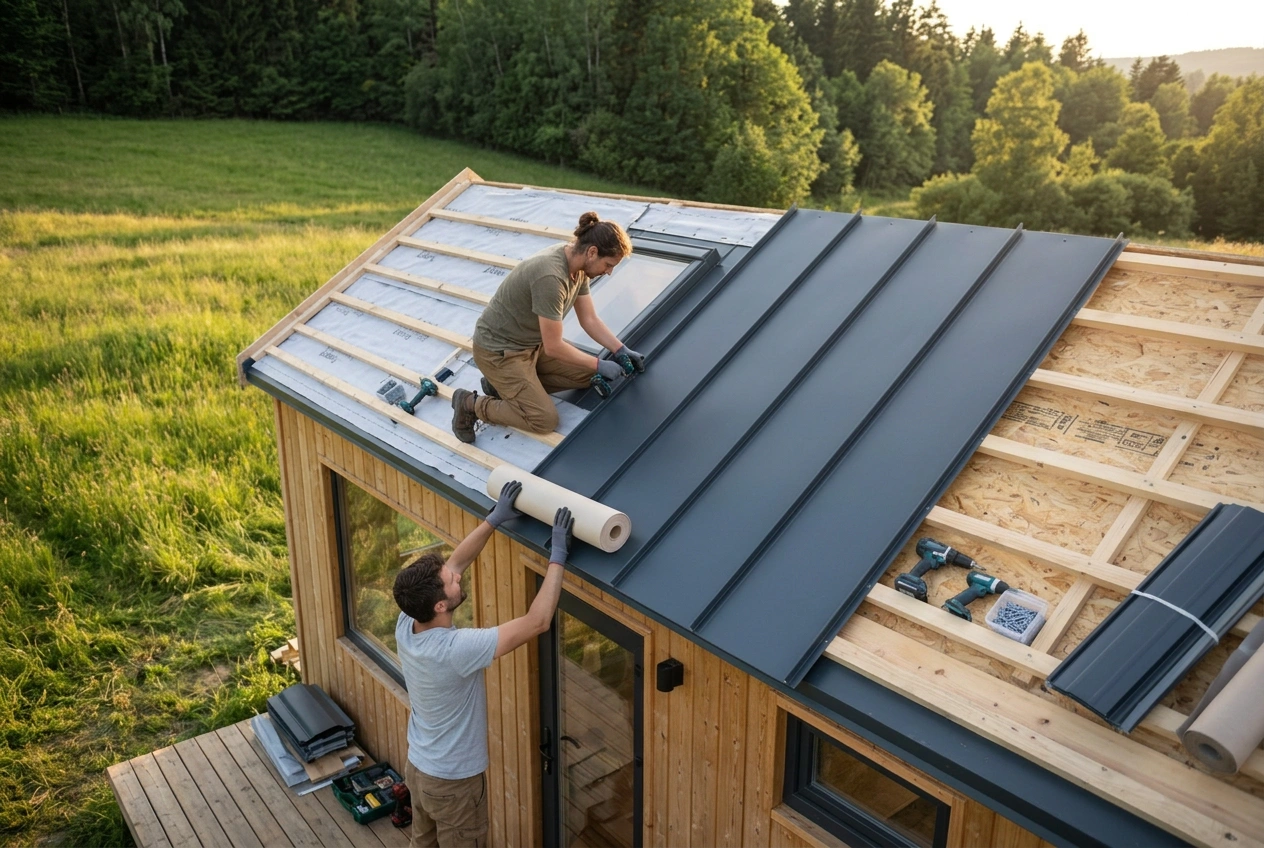
Eco-Friendly Tiny House Design Ideas for Sustainable Living


As the world continues to grapple with environmental challenges, the appeal of tiny houses has surged. These compact dwellings not only promote minimalism and affordability but also offer an eco-friendly lifestyle that resonates with the values of sustainability. Tiny house design is not just about reducing square footage; it’s about creating spaces that are efficient, functional, and harmonious with nature. This article will explore innovative design ideas and strategies for maximizing space in tiny house interiors, ensuring that your small space living aligns with sustainable practices.
The Benefits of Tiny House Living

Living in a tiny house comes with a variety of benefits that extend beyond the financial aspect. Understanding these advantages can motivate individuals and families to consider this lifestyle.
1. Financial Freedom
One of the most significant benefits of tiny house living is the reduction in financial burden. The initial costs for purchasing or building a tiny home are typically lower than traditional homes. This financial freedom allows homeowners to allocate their resources toward experiences, travel, or savings rather than overwhelming mortgage payments.
2. Environmental Impact
Tiny houses have a smaller carbon footprint compared to larger homes. They require fewer materials for construction and consume less energy for heating, cooling, and daily living. Many tiny house designs incorporate renewable energy sources, such as solar panels, further reducing their environmental impact.
3. Simplified Lifestyle
Living in a smaller space encourages a minimalist lifestyle, which can lead to reduced stress and a greater appreciation for the things that truly matter. With fewer possessions, individuals often find more time to engage in meaningful activities and connect with nature.
Innovative Tiny House Design Ideas
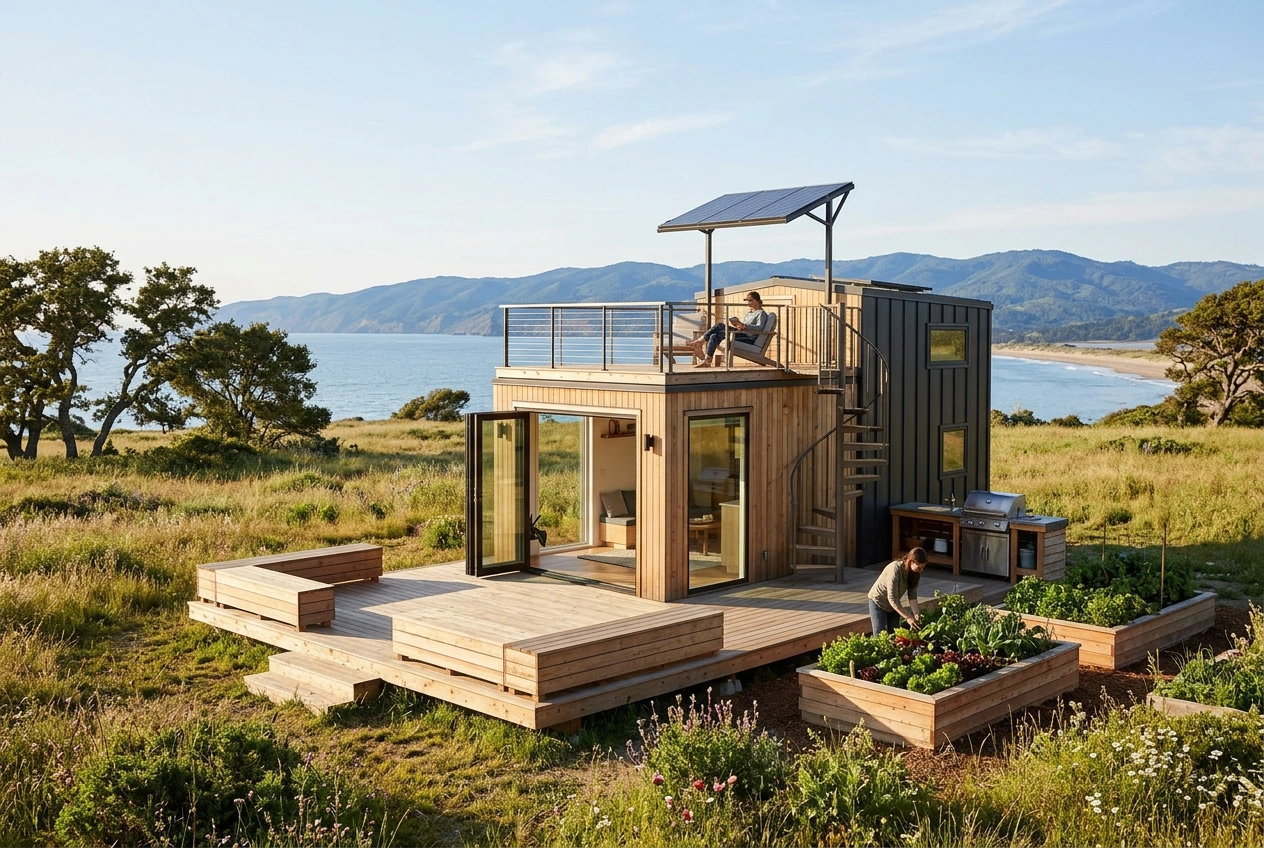
When it comes to tiny house design, creativity is key. Here are some eco-friendly design ideas that can enhance the functionality and aesthetics of your small space.
Space-Saving Furniture Solutions
- Multi-Functional Furniture: Invest in furniture that serves multiple purposes. For example, a sofa bed can provide seating during the day and convert into a bed at night, maximizing utility without sacrificing space.
- Foldable Pieces: Consider foldable tables and chairs that can be tucked away when not in use. This approach allows for flexible space usage, accommodating everything from work to dining.
- Built-In Storage: Utilize built-in furniture that incorporates storage solutions, such as benches with hidden compartments or beds with drawers underneath. These features help to keep the space organized and clutter-free.
Sustainable Materials and Finishes
- Reclaimed Wood: Use reclaimed wood for flooring, walls, or furniture. This not only adds character to the design but also reduces the demand for new lumber, making it a sustainable choice.
- Eco-Friendly Paints and Finishes: Choose non-toxic paints and finishes that are low in volatile organic compounds (VOCs). These options improve indoor air quality and are safer for the environment.
- Natural Insulation: Opt for insulation made from natural materials such as sheep's wool, cotton, or hemp. These materials are effective at regulating temperature while being environmentally friendly.
Optimizing Natural Light and Ventilation
- Large Windows: Incorporate large windows or glass doors to invite natural light into the space. This not only makes the interior feel larger but also reduces the need for artificial lighting during the day.
- Skylights: Install skylights to enhance natural light and improve ventilation. They can also provide a connection to the outdoors, making the living space feel more open and airy.
- Cross-Ventilation: Design your tiny house to promote cross-ventilation by strategically placing windows on opposite walls. This allows for fresh air circulation, reducing reliance on air conditioning.
How to Maximize Space in Tiny House Interiors
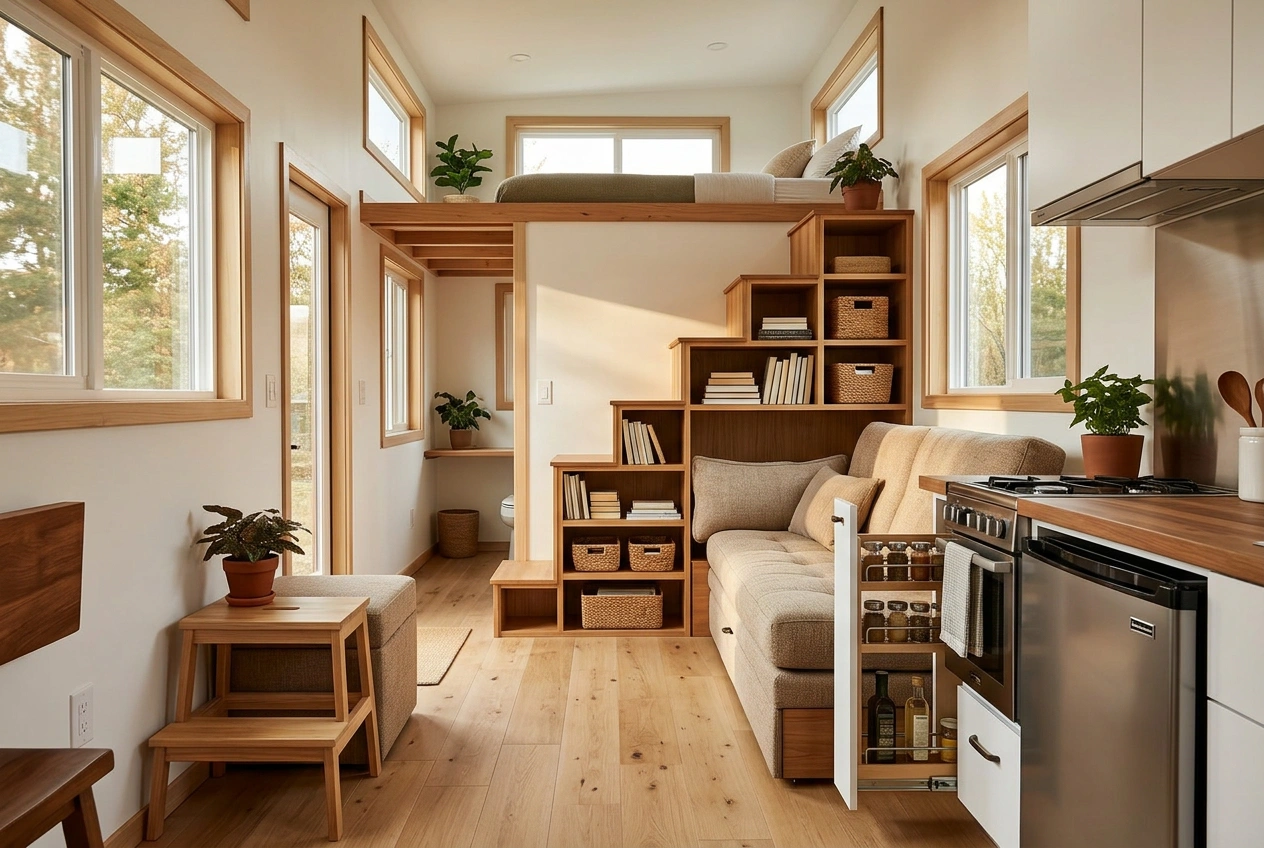
Maximizing space is essential in tiny house design. Here are several strategies to consider for effective small space living.
Vertical Storage Solutions
- Wall-Mounted Shelves: Install shelves that utilize vertical wall space, keeping floors clear and providing storage for books, plants, and decor.
- Overhead Storage: Use the space above cabinets or door frames for additional storage. This often-overlooked area can be ideal for seasonal items or less frequently used belongings.
- Hooks and Racks: Incorporate hooks and racks for items such as bicycles, kitchen utensils, or coats. This method keeps items accessible while freeing up floor space.
Smart Layout Planning
- Open Floor Plans: Consider an open floor plan that combines living, dining, and kitchen areas. This design fosters a sense of spaciousness and encourages social interaction.
- Zoning Areas: Define different areas within the tiny house using rugs or furniture arrangements. This visual separation can help to create distinct functional spaces without the need for walls.
- Lofted Spaces: If ceiling height allows, consider lofted sleeping areas. This design effectively utilizes vertical space while providing privacy and a cozy sleeping nook.
Incorporating Outdoor Living Areas
- Decks and Patios: Create outdoor living spaces such as decks or patios that extend the usable area of your tiny house. These spaces can serve as additional dining or relaxation areas.
- Vertical Gardens: Use vertical gardening techniques to grow plants on walls or fences. This not only beautifies the exterior but can also provide fresh herbs and vegetables.
- Portable Furniture: Use portable outdoor furniture that can be easily moved in and out of the house. This flexibility allows for adaptable living spaces that can change with the seasons.
Common Misconceptions About Tiny House Design
Despite the growing popularity of tiny houses, several misconceptions persist. Addressing these can help potential homeowners feel more informed and confident in their choices.
Misconception 1: Tiny Houses Are Too Cramped
Many assume that tiny houses are synonymous with cramped quarters. However, effective design and smart organization can make a tiny house feel spacious and comfortable. With the right layout and furniture choices, homeowners can create an inviting atmosphere that feels open and airy.
Misconception 2: Limited Comfort and Amenities
Some people believe that tiny living means sacrificing comfort and modern amenities. In reality, many tiny houses are equipped with full kitchens, bathrooms, and even laundry facilities. Homeowners can enjoy all the conveniences of a traditional home in a compact format.
Misconception 3: Tiny Houses Are Not Suitable for Families
While tiny houses are often associated with singles or couples, many designs accommodate families. By incorporating innovative storage solutions and flexible spaces, families can thrive in a tiny house setting without compromising on quality of life.
The Path to Sustainable Tiny House Living
Transitioning to tiny house living is a significant decision, but it can lead to a more sustainable and fulfilling lifestyle. Here are some actionable steps to begin your journey.
- Research Your Options: Investigate different tiny house designs and layouts that align with your lifestyle. Consider factors such as location, size, and materials used.
- Plan Your Budget: Outline a budget that includes not only the cost of the tiny house but also any additional expenses such as land, utilities, and furnishings.
- Choose Eco-Friendly Materials: When selecting materials for your tiny house, prioritize sustainable options that reduce your environmental impact and improve energy efficiency.
Embracing the Tiny House Lifestyle
The journey toward tiny house living encompasses various aspects of design, sustainability, and lifestyle choices. As you consider your options, remember that tiny house design is not just about the physical space; it reflects a mindset focused on minimalism, sustainability, and intentional living.
How TinyHouse.com Can Help You
TinyHouse.com is a valuable resource for anyone interested in the tiny house movement. With a wealth of information on tiny house design ideas, building tips, and community resources, the platform can guide you through every step of your tiny house journey. Whether you are looking to build your tiny home from scratch or seeking inspiration for eco-friendly designs, TinyHouse.com offers expert insights and connections to help you succeed.
Visit TinyHouse.com for more information on how to start your journey toward sustainable living in a tiny house.