The Best Landscaping Choices for Tiny Homes That Save Time and Water

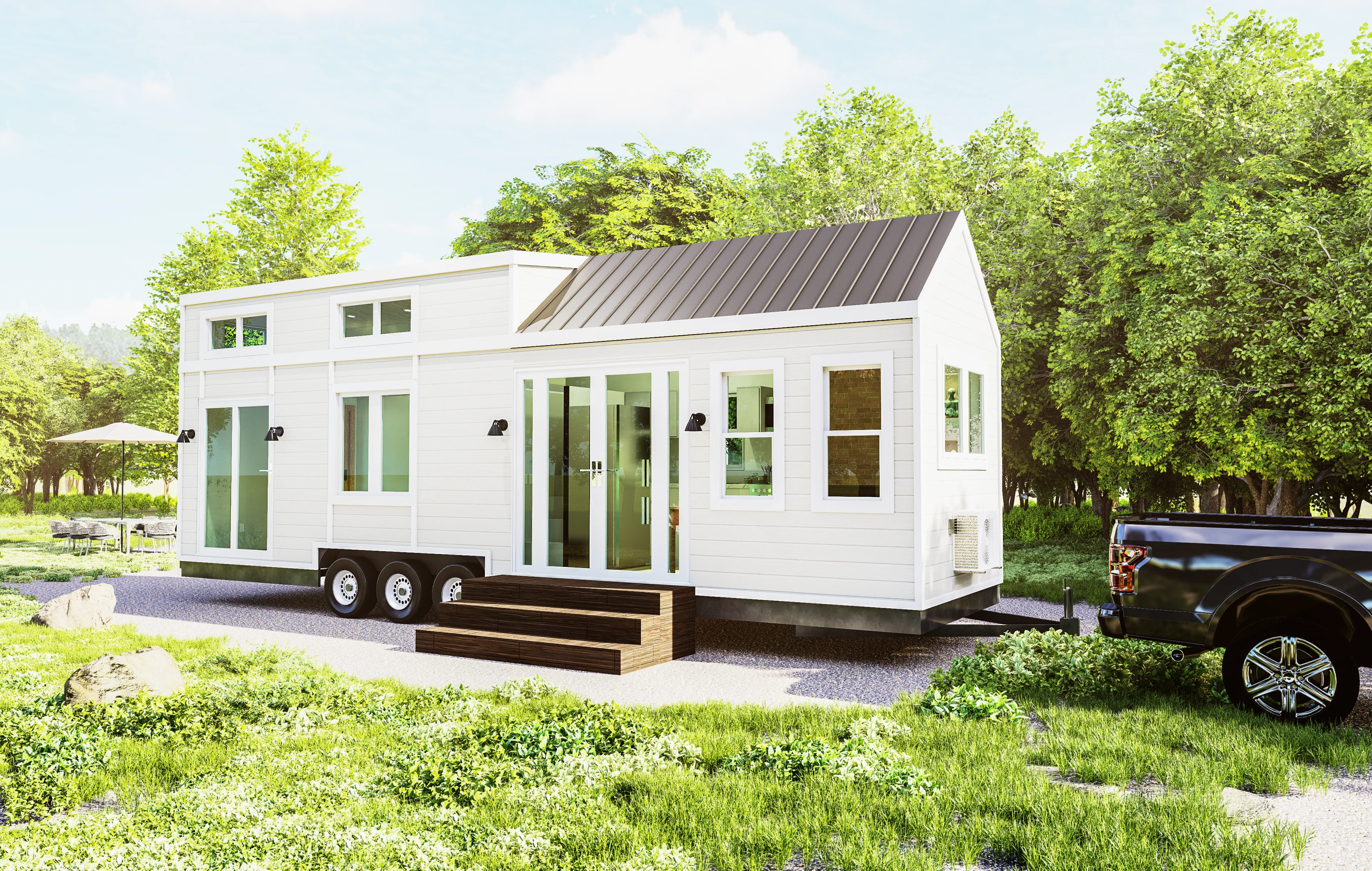
The first landscaping mistake most tiny home owners make is treating their yard like a full-sized property. A sprawling lawn might look great in a neighborhood with generous square footage, but for a tiny house, it often becomes a time drain and a water bill problem.
The smartest low-maintenance landscaping approach skips the traditional turf and leans on a mix of native plants, drought-tolerant plants, and hardscaping instead. Native plants are adapted to the local climate, which means less watering, less feeding, and less intervention overall. Drought-tolerant plants fill in the gaps beautifully while keeping water use low. Hardscaping elements like gravel paths, stone patios, or pavers create structure without requiring upkeep.
Where planting does happen, mulch helps retain moisture and suppress weeds, and drip irrigation keeps water targeted and efficient. The key is mixing planted zones with non-planted zones rather than trying to cover every inch with the same material. That balance is what makes tiny home landscaping genuinely manageable.
The Smartest Tiny Home Landscaping Moves
Traditional lawns are usually the least efficient option for a tiny home. They demand consistent mowing, regular watering, and ongoing fertilization, all for a surface that does not do much beyond look green. For a small footprint, that trade-off rarely makes sense.
A more practical approach prioritizes native plants, drought-tolerant plants, mulch, hardscaping, and drip irrigation. Rather than covering the entire yard with one material, the goal is to create a mix of planted and non-planted zones, each with a clear purpose. That kind of layout keeps upkeep manageable and water use proportional to the space.
Design choices should also reflect the reality of a tiny home's limited footprint. What works on a quarter-acre lot often becomes overwhelming at a smaller scale, so every element should earn its place by reducing effort, not adding to it.
Build Around Less Lawn and More Function
A tiny yard works hardest when every square foot has a purpose. Rather than defaulting to grass as a filler, the better approach is to assign each area a specific job, whether that is a walkway, a seating zone, a planting bed, or a storage edge. That kind of intentional layout is what separates a yard that feels small from one that feels complete.
Use Hardscaping to Shrink the Watering Zone
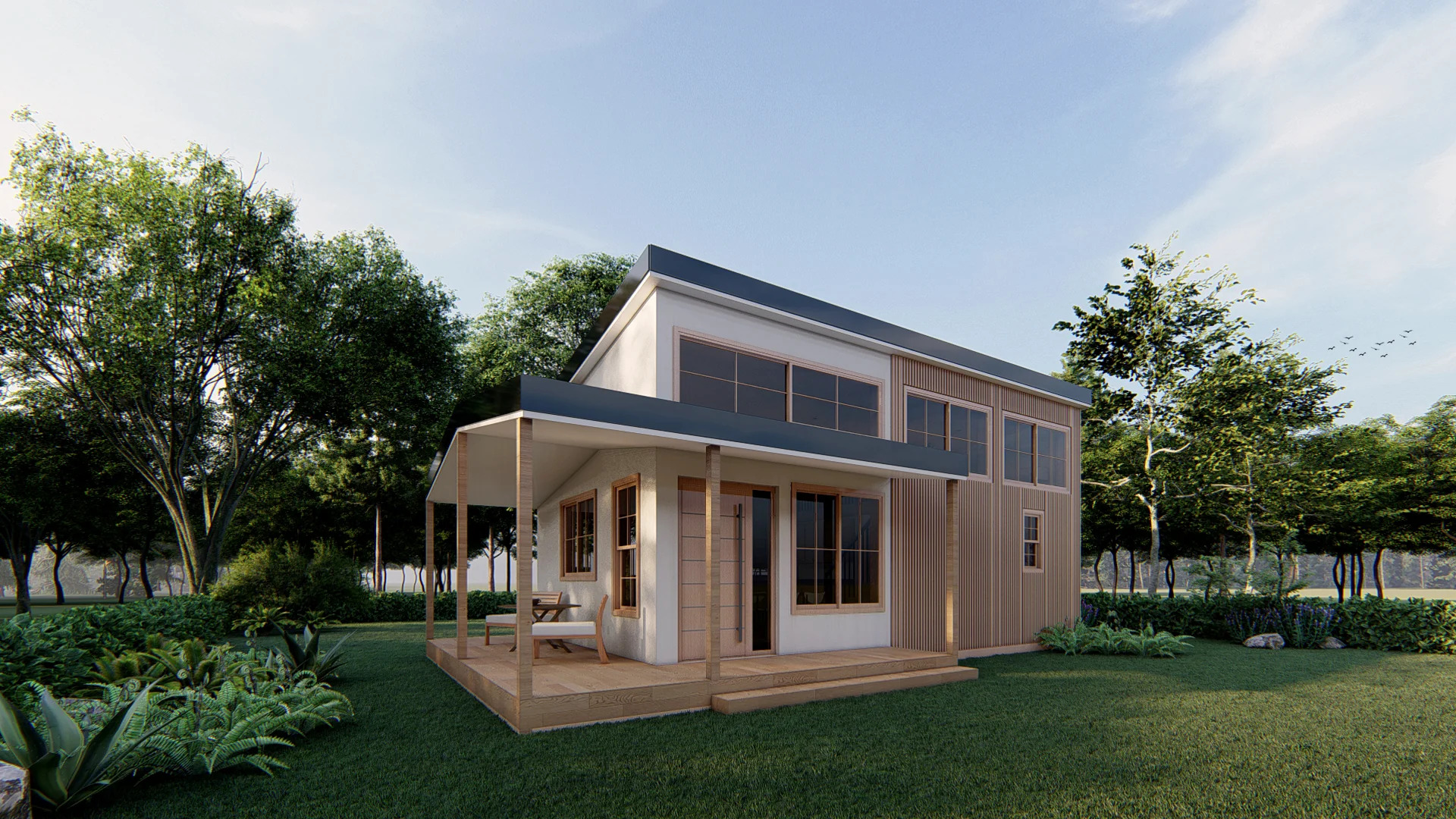
Hardscaping is one of the most effective ways to reduce how much of a yard actually needs irrigation. Materials like gravel, decomposed granite, and permeable pavers replace turf in high-traffic or low-visibility areas without sacrificing the finished look.
Permeable pavers are especially practical because they allow rainwater to pass through rather than run off, which supports better drainage and aligns with eco-friendly landscaping goals. Decomposed granite works well along borders and pathways, giving a clean, natural appearance with almost no ongoing maintenance.
Beyond function, well-planned hardscaping genuinely improves curb appeal. A gravel border paired with a stone path reads as intentional design, not as a yard that ran out of ideas. Readers exploring space-saving yard designs for small properties will find that hardscaping consistently shows up as a top strategy for compact outdoor spaces.
Where Artificial Turf Fits and Where It Does Not
Artificial turf can be a sensible surface choice in small, high-use areas where real grass struggles to survive, such as a side yard with heavy foot traffic or a shaded patch that never greens up properly.
That said, it is one option among several, not a universal fix. It retains heat, requires occasional brushing, and comes with an upfront installation cost. When it does make sense, it is worth working with a top artificial turf supplier to ensure you choose high-quality materials suited to your needs, since the quality of the turf plays a major role in its appearance, durability, and long-term performance.
Choose Plants That Can Handle Neglect
The right plant selection does more work than any irrigation system. When plants are already adapted to the local climate, they do not need much help staying alive, which is the whole point for a tiny home with limited outdoor maintenance time.
Start with Native and Drought-Tolerant Plants
Native plants are the clearest starting point because they are already matched to local rainfall patterns and soil conditions. They have evolved to handle dry spells without extra watering, which translates directly into fewer interventions and lower water bills.
Drought-tolerant plants, including succulents, work especially well in sunny micro-spaces where soil tends to dry out quickly. Succulents hold water in their leaves, so they can go long stretches without irrigation and still look healthy.
.jpg)
For a tiny house, a short list of well-chosen plants beats a varied collection every time. The more plant types packed into a small yard, the more likely it is that at least one will need special attention, and that is where maintenance starts to accumulate. It is also worth noting that the best species vary by region and sun exposure, so local nurseries or extension services are a reliable starting point for narrowing down the options.
Group Plants by Water Needs
Hydrozoning, the practice of grouping plants with similar water needs together, prevents a common problem in small yards: overwatering one section just to keep a nearby plant alive.
When drought-tolerant plants share a zone, they can all run on the same low-frequency irrigation schedule. Mixing high-water and low-water plants in the same bed forces a compromise that usually results in overwatering something, underwatering something else, or both. For tiny home landscaping, clean groupings also make the yard easier to manage visually and practically.
Use Small-Space Beds That Work Harder
Not every yard has room for traditional in-ground planting beds, and for tiny homes, that is actually an advantage. Compact growing formats like container, raised bed, and vertical gardening give more control over where plants live and how much water they actually receive. As covered in the plant selection section above, keeping variety manageable is just as important here as it is in any other part of the yard.
Container and Raised Bed Gardening
Container gardening keeps watering localized, which matters when every drop counts. Each pot holds only as much soil as the plant needs, so water goes directly to the root zone rather than soaking a large surrounding area.
Raised bed gardening adds another layer of practicality. Beds built above grade tend to drain better than flat ground, and that improved drainage reduces sitting moisture, which is one of the main conditions that encourages weeds.
Both formats work best when planted selectively. Overcrowding a container or raised bed creates the same maintenance pressure as overstuffing a full garden, including more competition, more pest pressure, and more frequent watering. Keeping each bed to a short list of compatible plants is what makes this approach feel like low-maintenance landscaping rather than a scaled-down version of a harder problem.
Vertical Gardening for Walls and Fences
Vertical gardening solves the footprint problem directly. A wall-mounted planter or fence-hung pocket system adds planting area without taking up any ground space, which keeps pathways and seating zones open.
This approach pairs well with the creative landscaping ideas for tiny homes that prioritize function at every layer of the yard, from ground level up.
Keep Water Where Your Plants Can Use It
Even with the right plants and a well-organized layout, water still gets wasted if the soil, surface, and delivery system are not working together. That is where practical water management fills the gap, turning a thoughtfully designed yard into one that genuinely stays low-maintenance.
Soil preparation is the first variable. Compacted or nutrient-poor soil sheds water rather than absorbing it, which means plants dry out faster and need watering more often. Amending soil before planting improves absorption and helps moisture reach the root zone where it actually matters.
Mulch builds on that foundation by slowing surface evaporation and suppressing weeds at the same time. A two-to-three-inch layer around planting beds holds soil moisture through dry stretches, reducing how often the yard needs attention.
For delivery, drip irrigation research consistently shows it outperforms broad spray systems in water efficiency, directing moisture to root zones rather than losing it to evaporation or runoff. In a small yard, that precision compounds quickly across every planting zone. Where local regulations allow, rainwater harvesting adds another layer to this approach. Even a modest collection setup can support small planting zones through dry periods, and it fits naturally within an eco-friendly landscaping plan that is already working to reduce waste at every step.
What Are the Best Low-Maintenance Plants for Tiny Home Landscaping?
Native plants are generally the best starting point because they are already adapted to local soil and rainfall patterns, meaning they need little intervention once established. Drought-tolerant plants fill in sunny or dry spots naturally, and succulents are particularly practical in compact beds where soil dries out quickly between waterings.
The key is matching plant choice to the actual conditions of the yard, factoring in sun exposure, soil type, and how often watering is realistic. A small selection of well-matched plants will always outperform a larger, mismatched collection.
How Can I Make My Tiny Home Yard More Water-Efficient?
Replacing grass with gravel, ground cover, or hardscaping is the most direct way to cut water use in a small yard. Lawn areas demand consistent irrigation, and in a compact space, that cost adds up fast.
From there, mulch helps retain soil moisture between waterings, and drip irrigation keeps delivery targeted rather than broadcast across an entire bed. Grouping plants by water needs prevents overwatering and simplifies scheduling. Where regulations allow, rainwater harvesting can supplement these systems, collecting runoff to support small planting zones through dry stretches without drawing on the main supply.
Can Landscaping Increase the Curb Appeal of a Tiny House?
Yes, and proportion is the key. A tiny house benefits most from landscaping that matches its scale rather than trying to fill space for the sake of it. Clean hardscaping like a simple gravel path or a stone border adds visual structure without requiring ongoing upkeep.
Well-chosen plants reinforce that effect when they are kept consistent in color, texture, or height. A small yard that feels intentional reads better than one that feels crowded. Curb appeal for a tiny home comes from coherence, not volume.
A Tiny Landscape Works Best When It Stays Simple
The best tiny home landscapes do not try to do everything at once. They balance plant choices, surface materials, and water strategy in a way that holds up even when routine maintenance slips for a week or two.
Overdesigning a small yard is one of the easiest mistakes to make, and one of the hardest to undo. More variety usually means more upkeep, which is the opposite of what low-maintenance landscaping is built to deliver. The systems that work longest are the ones that require the least intervention to stay functional. Eco-friendly landscaping fits naturally into that approach because reducing waste and reducing effort tend to point in the same direction.


.svg)
.jpg)