Choosing an Air Conditioning System for a Small Home With Limited Space


A small home can run out of places to put an air conditioner before it runs out of rooms to cool. A window beside the dining table, a narrow bedroom wall, and an already crowded floor plan make cooling equipment part of the living space, not something tucked away out of sight.
Choosing an air conditioning system for a small home means balancing comfort against those physical limits. In humid places such as New Orleans, a cooler room also isn't necessarily a comfortable one, which makes equipment capacity part of the same decision.
The starting question isn't which model has the most features. It's how much cooling the occupied space actually needs, and where that cooling needs to reach.
The Short Answer for Small, Tight Homes
For most small homes, a single-zone ductless mini-split is the best long-term fit when permanent installation is possible. It needs no ductwork, requires only a roughly 3-inch wall penetration for connecting lines, and leaves every window available. The indoor head uses wall space rather than taking up part of an already crowded floor.
A window air conditioner is the practical choice for renters or households with tight budgets. Typical prices start at a few hundred dollars, and installation requires no permanent alteration. It does, however, occupy a window, so the lower upfront commitment comes with a trade-off in daylight and the view.
A portable air conditioner is the fallback when those options won't work. It takes up floor space and still needs a window vent. Single-hose models also pull replacement air through gaps, bringing warm outdoor air back inside.
Whichever type fits the home, matching cooling capacity to the actual room matters more than brand or features. That sizing decision comes before comparing individual models.
Sizing Cooling Capacity to Your Actual Square Footage
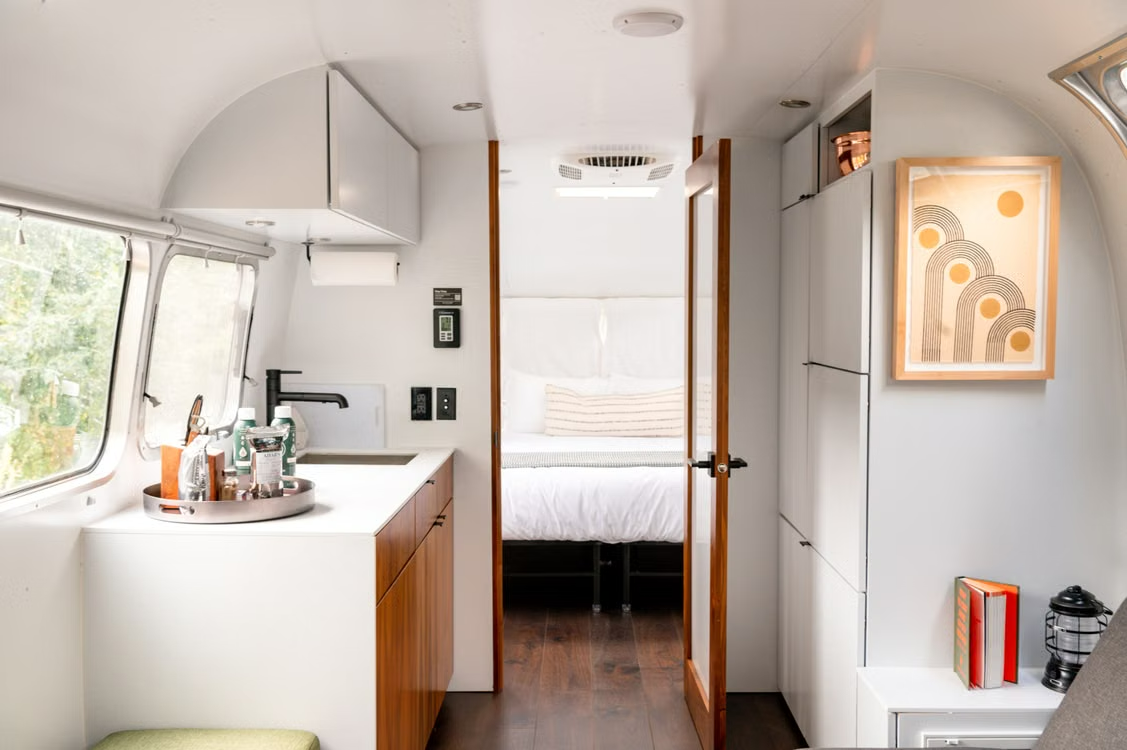
Small rooms leave little margin for choosing excessive cooling capacity. A unit selected for the entire home's square footage also isn't automatically right for a bedroom, particularly when closed doors separate the spaces.
Why Oversized Units Leave Rooms Clammy
An oversized unit can lower the temperature before removing enough humidity. This short-cycling leaves the room cool but damp, while wasting energy. ENERGY STAR's guidance on properly sized units explains why bigger isn't better.
Its room-air-conditioner sizing guide provides these starting points:
Adjusting BTUs for Sun, Ceilings and Humidity
The same guidance calls for approximately 10% more capacity in heavily sunny rooms and 10% less in heavily shaded ones. It also adds 600 BTU/hour per regular occupant beyond two, plus 4,000 BTU/hour when the unit serves a kitchen.
For air conditioning in New Orleans, moisture removal belongs alongside temperature control in the sizing discussion. During an on-site assessment in the humid Gulf climate, the team at Rob's A/C & Heating would assess insulation, sun exposure, and moisture load rather than rely solely on floor area.
A Manual J load calculation also accounts for windows and ceiling height, giving a permanent installation a more specific basis than a room-size chart.
Mini-Splits, Window Units and Portables Compared
With capacity established, ownership and layout help narrow the options. An open studio presents a different problem from a similarly sized home with separate bedrooms, especially when permanent alterations aren't possible.
Ductless Mini-Splits for Permanent Comfort
A single-zone ductless mini-split provides cooling without ductwork or a blocked window. Its indoor head occupies wall space, while an outdoor unit needs a separate location. Installation involves connecting lines, drainage, and electrical work.
SEER2 provides a seasonal energy efficiency comparison for models rated under that system. Comparisons should use the same rating system. A heat pump model also provides winter heating.
A multi-zone arrangement serves separate indoor heads, but it shouldn't be the automatic upgrade for a small home. The distinction is whether closed rooms need independent cooling.
Professional installation makes this a larger upfront commitment than a window appliance, typically costing several thousand dollars.
Window, Portable and Through-the-Wall Units
A window air conditioner is the lower-commitment choice when the opening accommodates it and the lease permits installation. It sacrifices part of the view and daylight, and its mounting arrangement deserves attention to stability and window security.
A through-the-wall air conditioner keeps the window available but requires a permanent sleeve and wall opening. Unlike a window unit, it requires a building alteration.
A portable air conditioner still needs an exhaust vent, floor space, and an unobstructed hose route. A single-hose unit exhausts room air, while a dual-hose portable uses a separate outdoor-air intake, avoiding reliance on replacement air entering through gaps.
Placement, Noise and Upkeep in Tight Floor Plans
In a compact home, equipment shares space with beds, desks, and seating. Beyond the installation trade-offs above, its position affects airflow, noise, and cleaning access.
Finding Wall and Window Space That Works
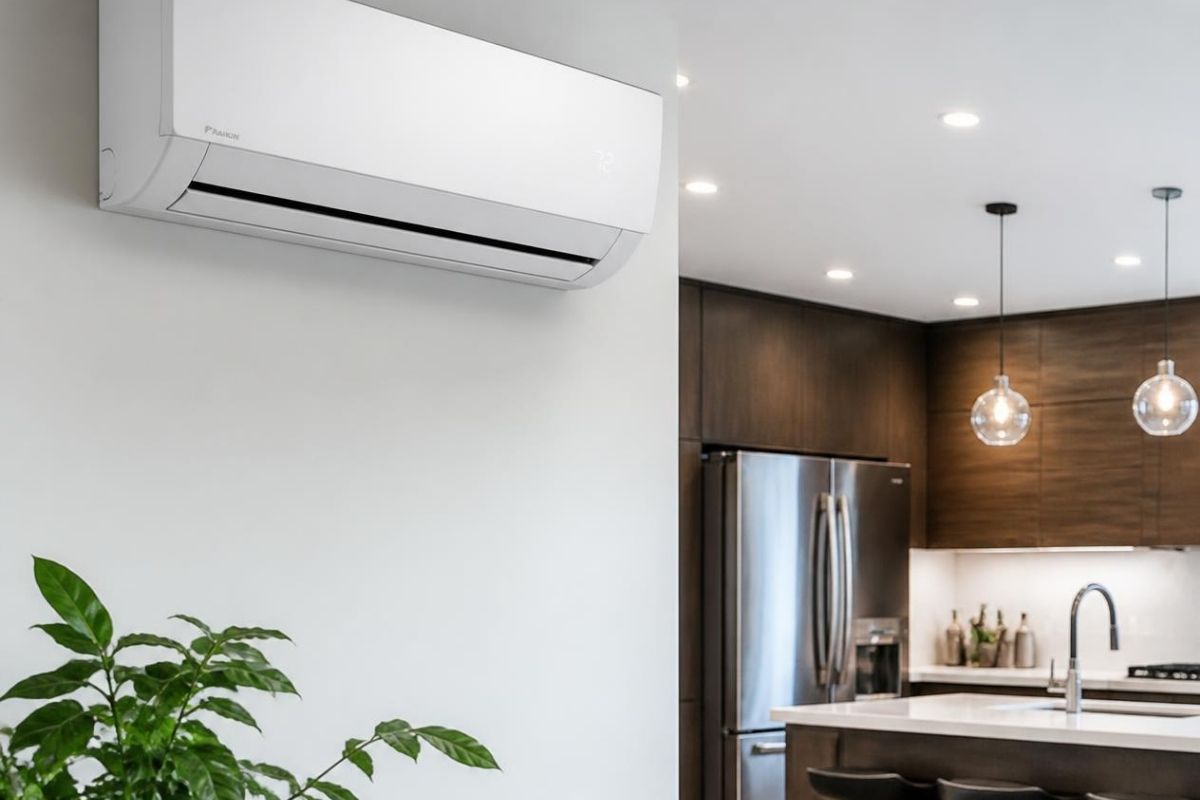
A mini-split head needs a high wall position with unobstructed discharge and the manufacturer's required clearances. Direct sun and a position aimed straight at a bed or sofa are poor placement choices. The wall also needs a workable route for connecting lines and drainage.
Outside, the condenser needs its specified airflow clearances and service access. Bedroom windows, neighboring seating areas, and property boundaries belong in that placement discussion. Lease or HOA restrictions can rule out a location before installation planning begins.
Compare published noise ratings in decibels under the same operating and measurement conditions. A quiet-mode figure doesn't describe every setting, and window equipment sits directly in the room.
Keeping Maintenance Simple After Installation
An accessible air filter matters when furniture placement is tight. Follow the manual's cleaning schedule, checking washable filters frequently during heavy use rather than waiting for visible buildup.
Outdoor equipment likewise needs access for clearing leaves and debris.
Routine troubleshooting guides covering common HVAC problems and fixes explain basic checks such as dirty filters. Water escaping indoors, a blocked condensate drain, or persistent icing need attention. Maintenance access therefore belongs in the installation plan, not as an afterthought.
Matching the System to the Way You Live
For owners planning to stay, a correctly sized mini-split is the starting point when permanent installation is possible. For renters and households limiting upfront spending, a properly fitted window unit is usually the more practical choice. Portable equipment remains the fallback when those arrangements aren't available.
Neither choice compensates for mismatched capacity or poor placement. The strongest decision joins three things: the area that actually needs cooling, the alterations the home permits, and a location that leaves airflow and maintenance access clear. In a small home, comfortable cooling should fit everyday life without taking over the space.