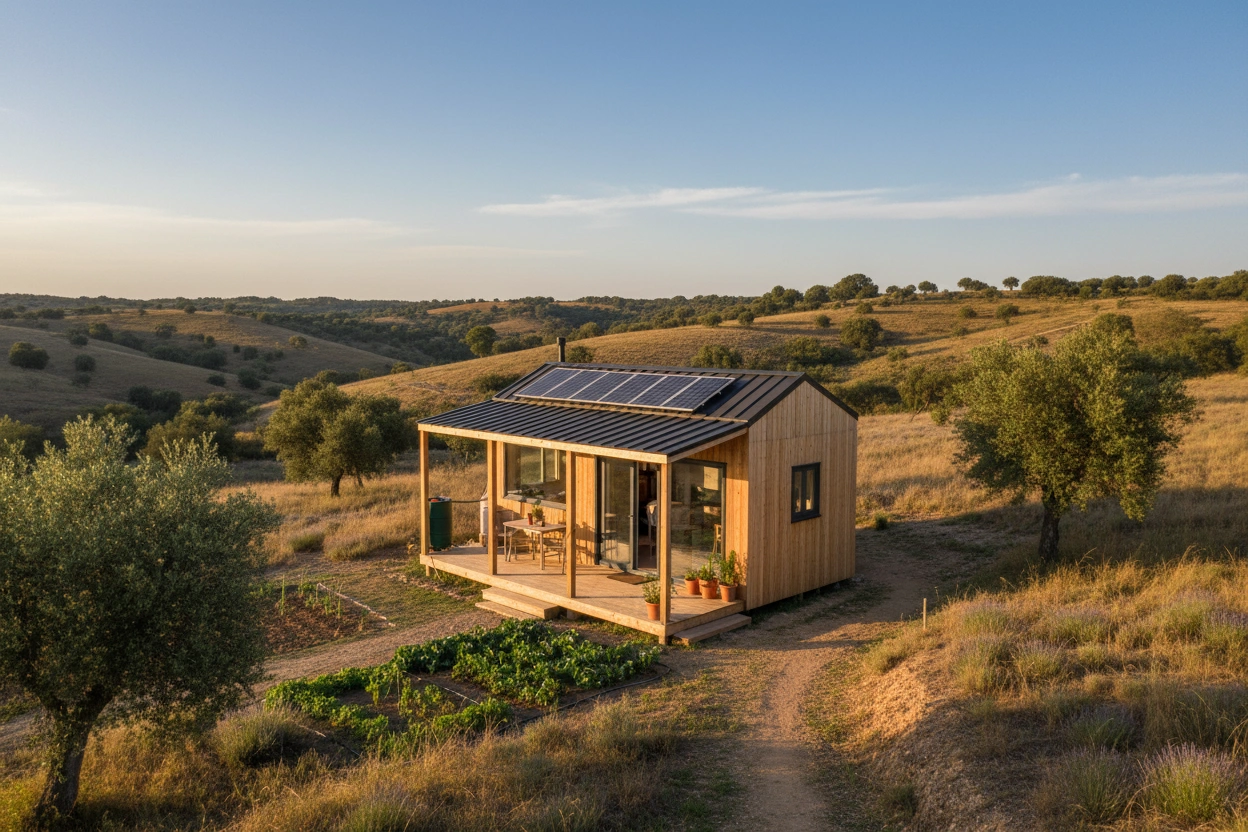
Comparing Tiny House Roofing Materials: Metal vs. Asphalt Shingles

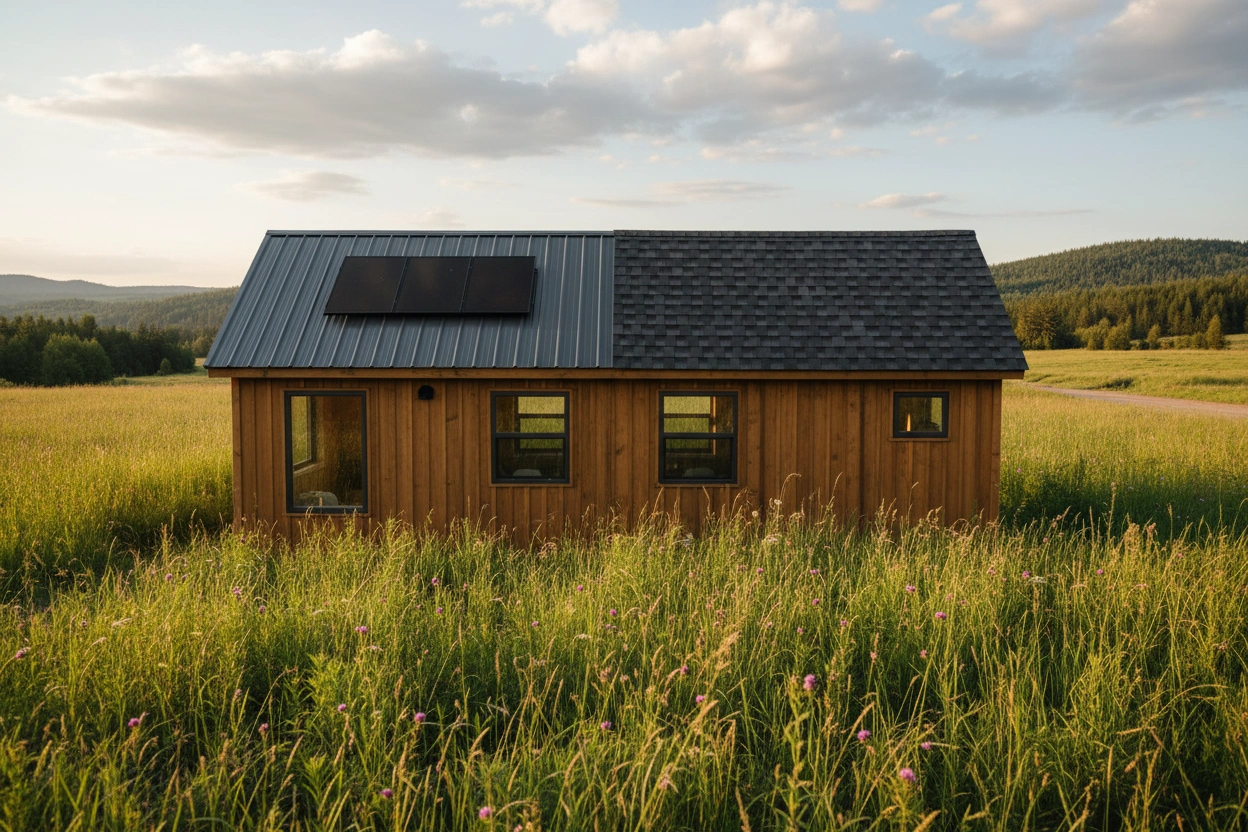
When it comes to tiny house roofing, selecting the right material is essential for durability, aesthetics, and overall performance. Tiny houses, often characterized by their compact designs and minimalistic approaches, require roofing solutions that not only complement their unique structure but also stand up to various environmental conditions. In this article, we will compare two popular roofing materials—metal and asphalt shingles—while also discussing the best roofing materials for tiny houses and the top five options available today.
Understanding Tiny House Roofing
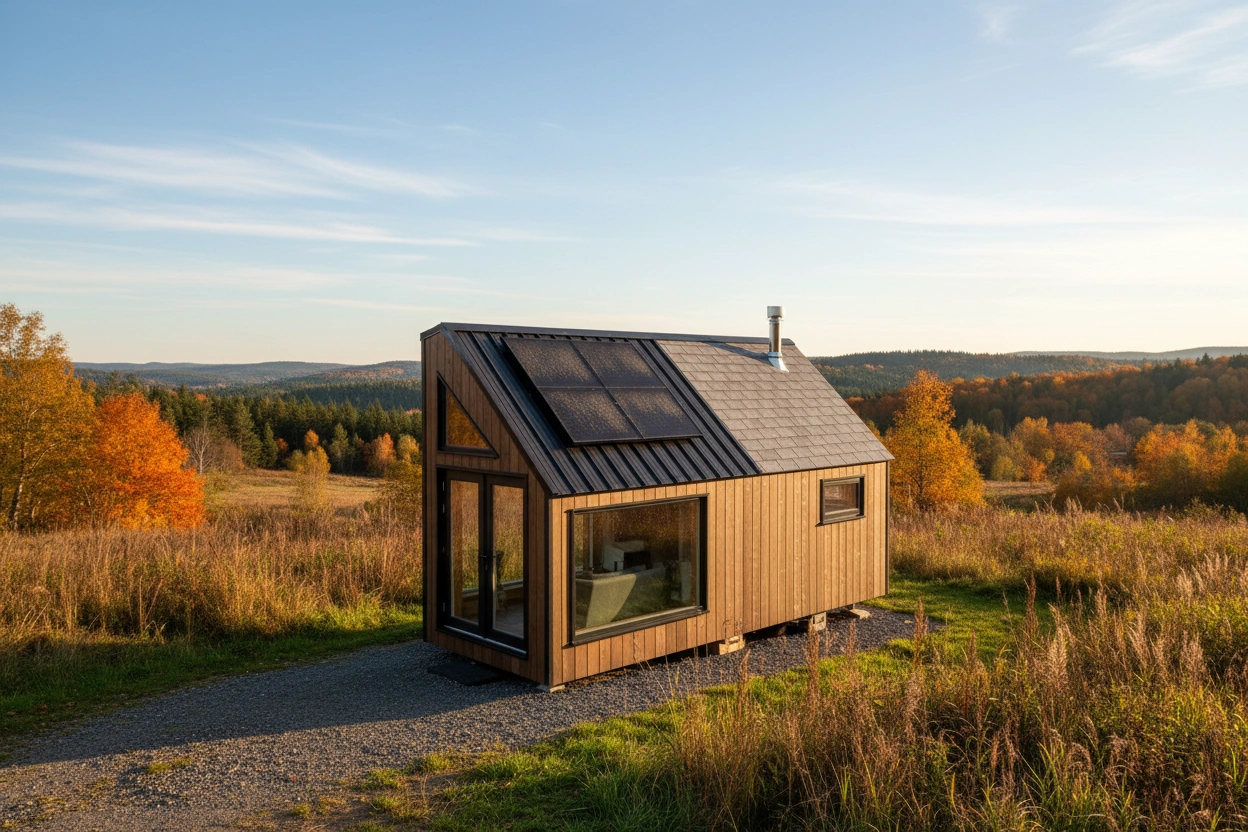
The roofing of a tiny house is not merely about shelter; it plays a significant role in energy efficiency, longevity, and maintenance. Many tiny house owners seek materials that are lightweight yet sturdy, affordable yet aesthetically pleasing. The choice of roofing material can influence the entire structure's energy consumption, water runoff, and even resale value.
Tiny house roofing materials must also be versatile enough to accommodate different styles and designs. Whether you prefer a rustic look or a modern aesthetic, the right roofing material can enhance your tiny home's overall appeal. In this context, we will compare metal roofing and asphalt shingles, two of the most widely used materials in the tiny house community.
Metal Roofing: An Overview
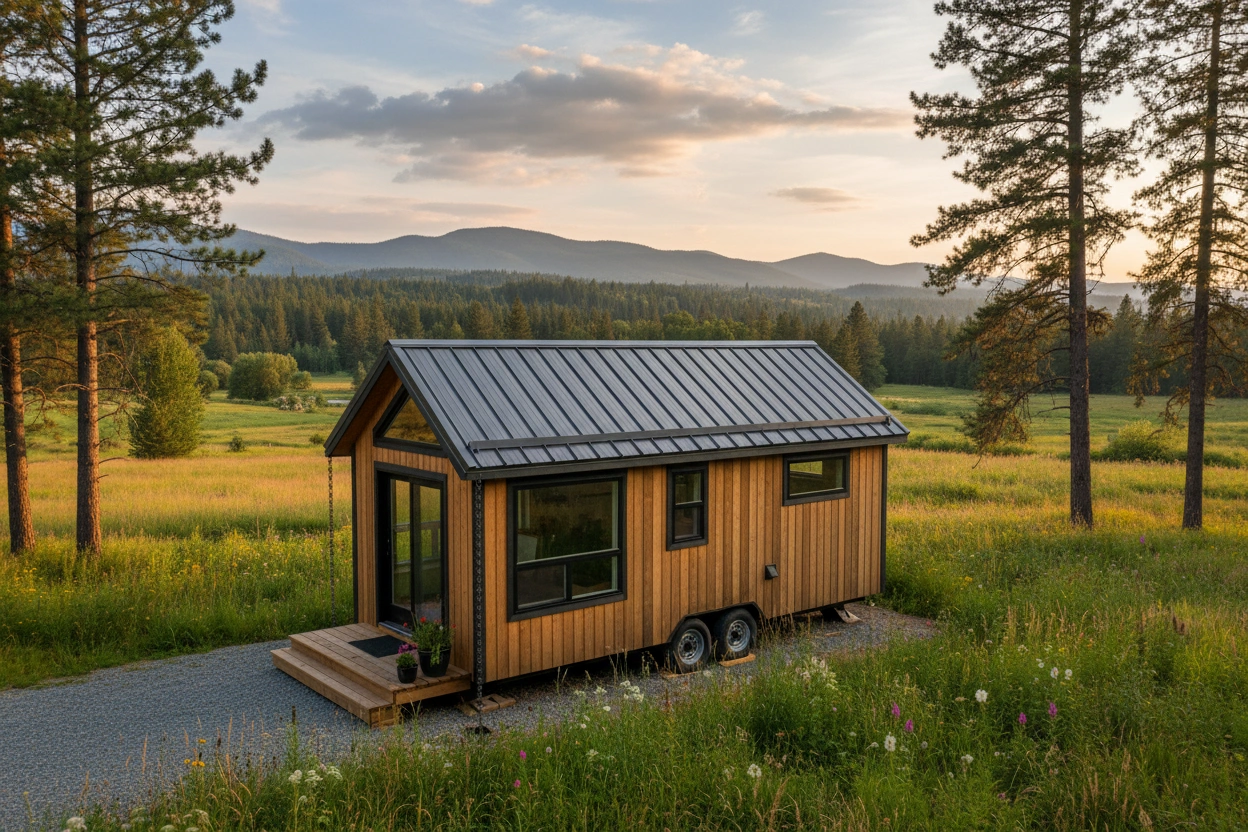
Metal roofing has gained immense popularity in recent years, particularly among tiny house owners. This material is available in various forms, including aluminum, steel, and copper. The benefits of metal roofing extend beyond just aesthetics; it offers numerous advantages that make it a top choice.
Benefits of Metal Roofing
- Durability: Metal roofs can last 40-70 years, significantly longer than traditional roofing materials. They are resistant to extreme weather conditions, including high winds, heavy snow, and hail.
- Energy Efficiency: Metal reflects solar radiant heat, which can reduce cooling costs in warmer climates. This makes it an excellent choice for those looking to maintain a comfortable indoor temperature in a tiny home.
- Lightweight: Metal roofing is lighter than asphalt shingles, which can be beneficial for the structural integrity of a tiny house. This characteristic also makes installation easier.
- Low Maintenance: Metal roofs require minimal maintenance compared to other materials. They do not crack or warp, and they are less susceptible to mold or mildew.
Common Misconceptions about Metal Roofing
Despite its advantages, some misconceptions about metal roofing persist:
- Noise: Many believe that metal roofs are excessively noisy during rain or hail. However, proper insulation and underlayment can significantly reduce sound transmission.
- Cost: While the initial cost of metal roofing can be higher than asphalt shingles, its longevity and energy efficiency often make it a more economical choice in the long run.
Asphalt Shingles: A Closer Look
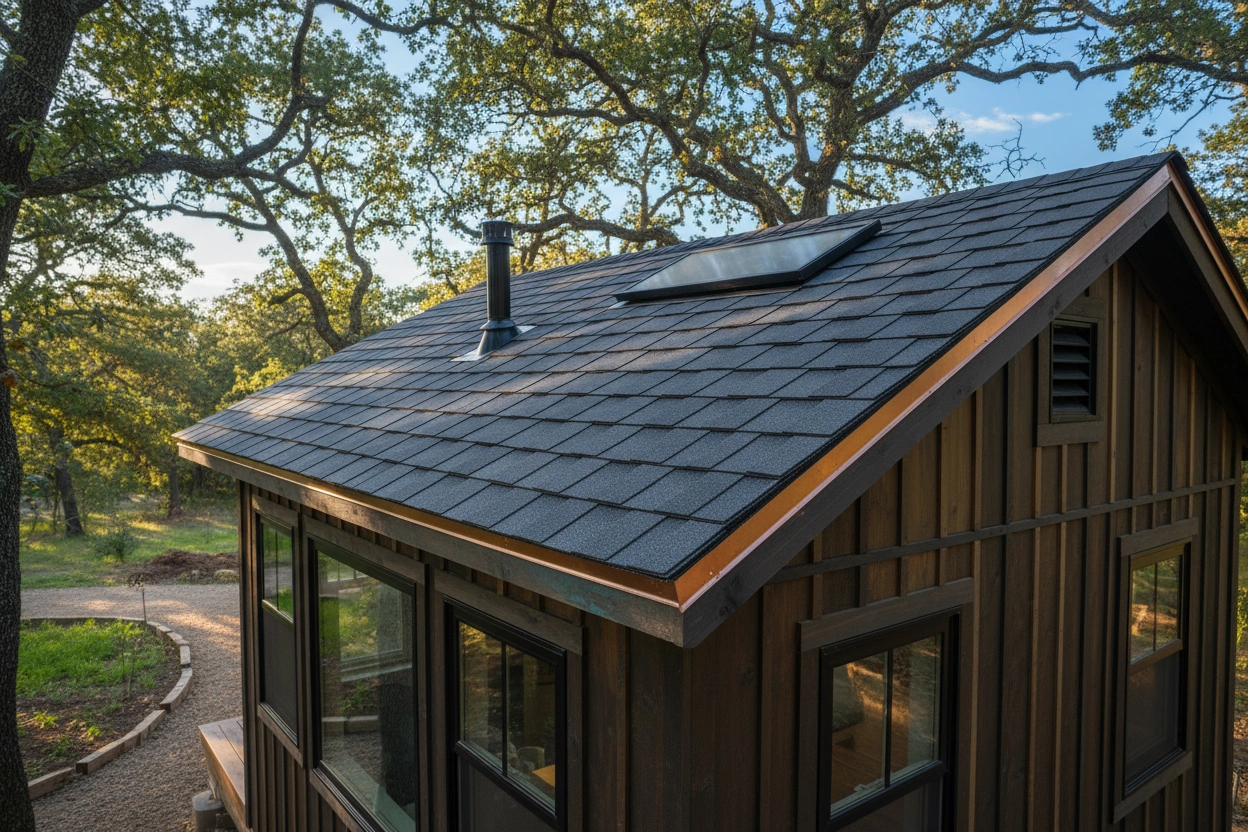
Asphalt shingles are a traditional roofing option that remains a popular choice for many tiny house owners. They are available in a variety of styles and colors, offering flexibility in design.
Advantages of Asphalt Shingles
- Affordability: Asphalt shingles are generally less expensive than metal roofing, making them an attractive option for those on a budget.
- Variety of Styles: This material comes in a range of designs and colors, allowing homeowners to customize their tiny houses easily.
- Ease of Installation: Asphalt shingles are relatively easy to install, which can be a significant advantage for DIY enthusiasts.
Drawbacks of Asphalt Shingles
While asphalt shingles have their benefits, there are also some downsides to consider:
- Shorter Lifespan: Typically, asphalt shingles last around 15-30 years, which is considerably shorter than metal roofing. This means more frequent replacements may be necessary.
- Less Energy Efficiency: Asphalt shingles absorb heat rather than reflect it, which can lead to higher cooling costs in warmer climates.
- Weight: Asphalt shingles are heavier than metal roofing, which may require additional structural support in tiny houses.
Top 5 Roofing Types for Tiny Houses
When considering the best roofing materials for tiny houses, it is essential to look beyond just metal and asphalt shingles. Here are five excellent roofing options that cater to various preferences and needs:
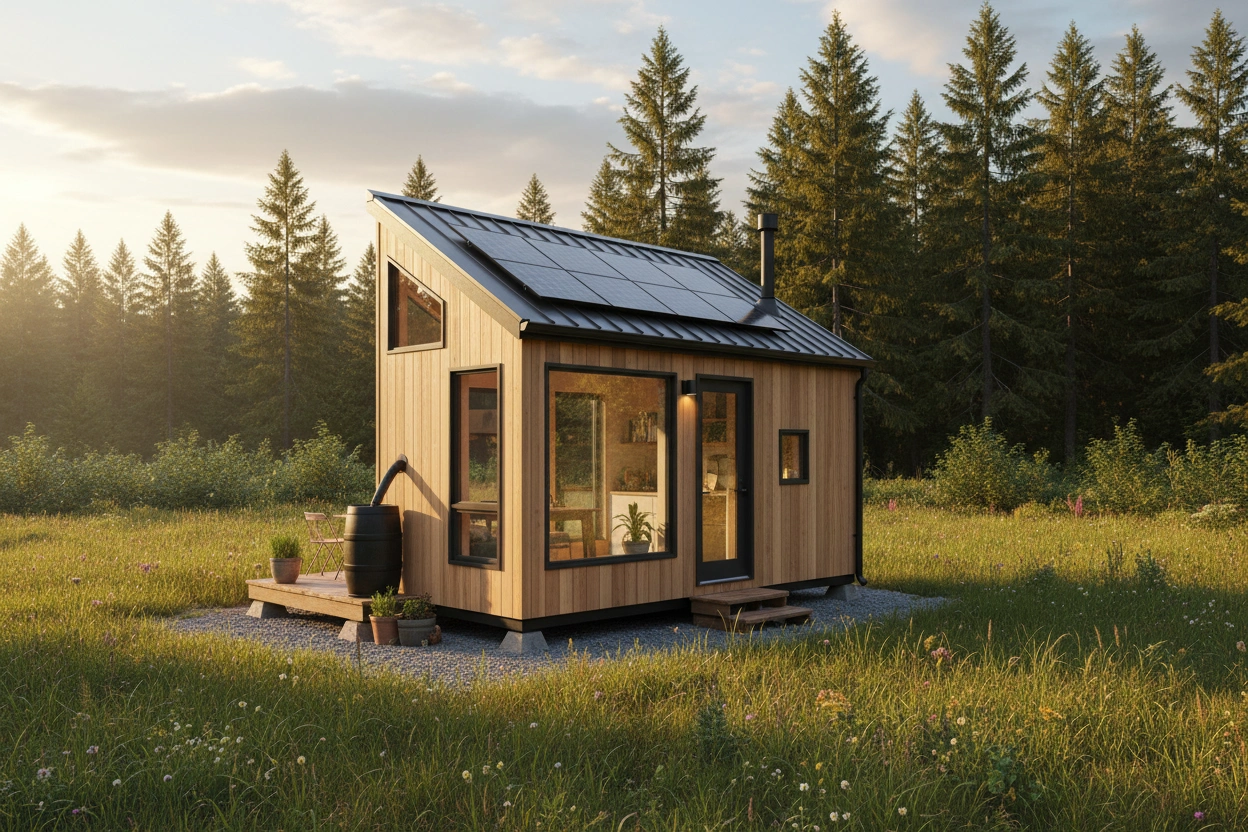
- Metal Roofing: As discussed, metal roofing is durable, energy-efficient, and low-maintenance, making it a solid choice for tiny houses.
- Asphalt Shingles: Affordable and available in various styles, asphalt shingles are a traditional choice that many homeowners still favor.
- Wood Shingles: For a natural aesthetic, wood shingles offer a unique look. However, they require more maintenance and may not be as durable as other options.
- Slate Roofing: Although more expensive, slate provides exceptional durability and a classic appearance. It is an excellent choice for long-term investment.
- Rubber Roofing: Made from recycled materials, rubber roofing is eco-friendly and provides good insulation. It is also lightweight and can be an excellent option for tiny houses.
Making the Right Choice for Tiny House Roofing
Choosing the right roofing material for your tiny house involves several considerations, including climate, budget, and personal style. Here are some actionable tips to help you make the best decision:
- Assess Your Climate: Consider the weather conditions in your area. If you live in a region with heavy snowfall, a durable metal roof may be more suitable. In warmer climates, energy-efficient materials like metal can help reduce cooling costs.
- Evaluate Your Budget: Determine how much you are willing to spend on roofing materials. While asphalt shingles may be more budget-friendly upfront, consider the long-term costs associated with maintenance and replacement.
- Consider Your Aesthetic Preferences: Your choice of roofing should complement the overall design of your tiny house. Take time to explore different styles and colors that resonate with your vision.
Common Mistakes to Avoid When Choosing Tiny House Roofing
When selecting roofing materials, tiny house owners often make some common mistakes to avoid. Being aware of these can help you make a more informed choice:
- Overlooking Local Building Codes: Ensure that your roofing choice complies with local building regulations. Some areas may have specific requirements regarding roofing materials and installation methods.
- Ignoring Insulation Needs: Proper insulation is critical for energy efficiency. If you choose a material that requires additional insulation, factor that into your overall budget and planning.
- Neglecting Long-Term Costs: Focus not only on the initial cost of the roofing material but also on its lifespan and maintenance requirements. A cheaper option may end up costing more in the long run if frequent replacements are needed.
The Intersection of Tiny House Roofing and Sustainability
Sustainability is a significant consideration for many tiny house owners. Selecting roofing materials that are eco-friendly can reduce your overall environmental footprint. Metal roofing, for instance, is often made from recycled materials and is fully recyclable at the end of its life. Asphalt shingles, while less eco-friendly, can be made from recycled content as well.
When looking for roofing options, consider materials that contribute to energy efficiency. This includes not only the roofing material itself but also insulation and ventilation systems that work together to create a sustainable living environment.
TinyHouse.com provides resources and guidance for those looking to make informed decisions about tiny house roofing. Our platform is designed to help aspiring homeowners navigate the complexities of tiny house living, from construction to maintenance.
Final Thoughts on Tiny House Roofing
Selecting the right roofing material for your tiny house is a critical decision that affects not just the aesthetic appeal but also the functionality and longevity of your home. Metal roofing stands out for its durability and energy efficiency, while asphalt shingles offer affordability and a range of styles. By considering factors such as climate, budget, and personal style, you can make an informed choice that aligns with your tiny house vision.
For more insights on tiny house roofing and to access a wealth of resources tailored to your tiny living needs, visit TinyHouse.com. Our platform is here to support you in creating the best roofing options available for your tiny house.


.svg)

.jpg)