
How to Choose the Right Tiny House Roofing for Extreme Weather

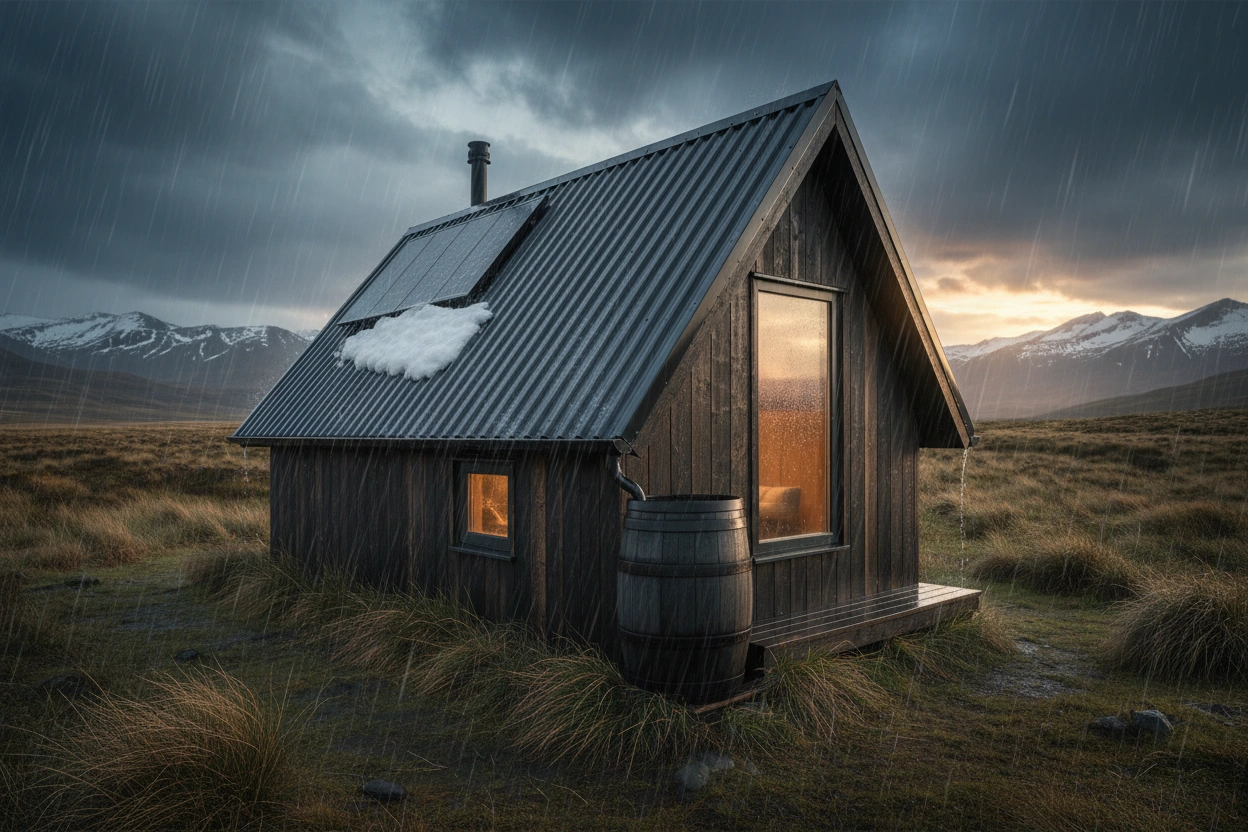
The allure of tiny homes continues to grow, with more individuals seeking minimalist living that champions sustainability and affordability. However, one critical aspect of tiny house construction often overlooked is roofing. The choosing the right roofing for tiny houses can significantly affect not only the home’s aesthetic appeal but also its durability and performance in extreme weather conditions. This article provides insights into choosing the right roofing for tiny houses, ensuring they remain resilient against nature's elements.
Understanding Tiny House Roofing
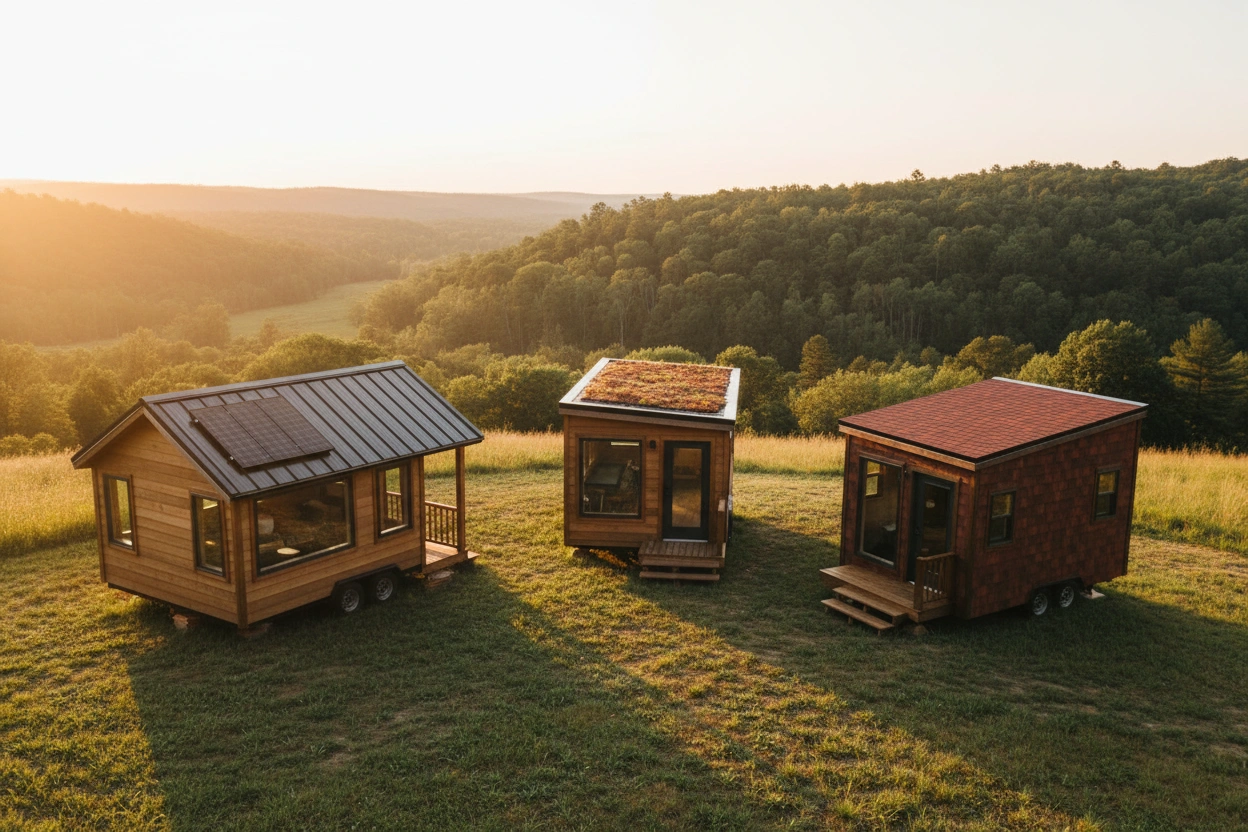
Choosing the right roofing for a tiny house involves understanding the various types of materials available and their suitability for different climates. The roofing material must withstand the unique challenges posed by extreme weather, such as heavy snow, intense heat, or torrential rain. Tiny house roofing options vary widely, and selecting the best one can enhance the longevity of the structure while providing safety and comfort.
When evaluating roofing materials, consider factors such as weight, cost, insulation properties, and maintenance requirements. Each roofing type offers distinct benefits and drawbacks that influence their effectiveness in protecting your tiny home. Below, we will explore the top five roofing types suitable for tiny homes, focusing on their advantages and how they perform under extreme weather conditions.
Top 5 Roofing Types for Tiny Homes
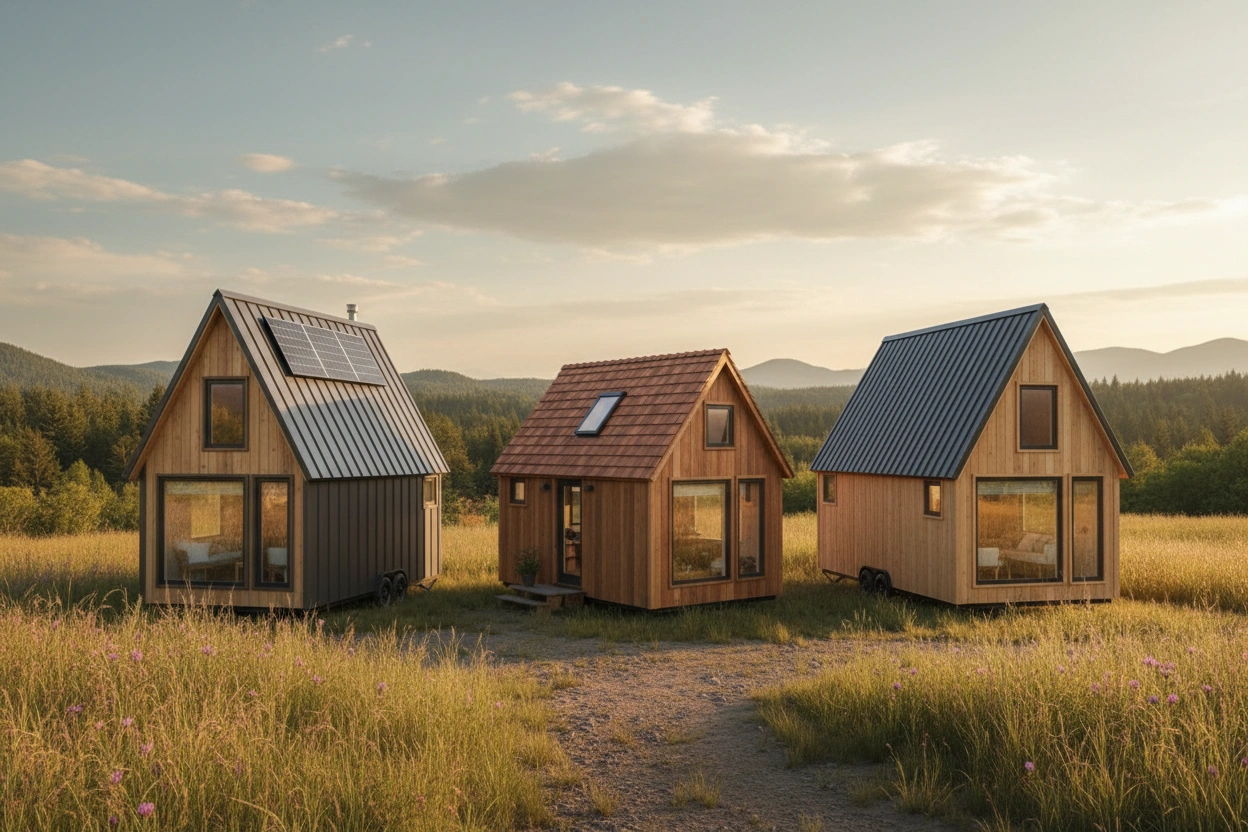
1. Metal Roofing
Metal roofing is a popular choice for tiny houses due to its lightweight nature and remarkable durability. Made from materials such as steel or aluminum, metal roofs can withstand heavy winds, snow loads, and even hail.
Benefits of Metal Roofing
- Longevity: Metal roofs typically last between 40 to 70 years, depending on the material.
- Weather Resistance: They are impervious to rot and resistant to fire, making them ideal for areas prone to extreme weather.
- Energy Efficiency: Metal roofs can reflect solar heat, potentially lowering cooling costs in warm climates.
2. Asphalt Shingles
Asphalt shingles are one of the most commonly used roofing materials in the United States. They are known for their affordability and ease of installation.
Benefits of Asphalt Shingles
- Cost-Effective: They are generally less expensive than other roofing materials, making them suitable for budget-conscious tiny home builders.
- Variety: Available in numerous colors and styles, asphalt shingles can enhance the visual appeal of a tiny house.
- Good Insulation: When properly installed, asphalt shingles can provide decent insulation, helping regulate indoor temperatures.
3. Wood Shingles
Wood shingles or shakes offer a unique aesthetic that complements the rustic charm of many tiny homes. They are made from cedar, redwood, or pine and provide excellent insulation.
Benefits of Wood Shingles
- Natural Appearance: Wood shingles create a warm, inviting look that blends well with natural surroundings.
- Insulation: They have superior thermal properties, which can help maintain comfortable indoor temperatures.
- Sustainability: Sourced from renewable materials, wood shingles are an eco-friendly option when treated and maintained properly.
4. Slate Roofing
For those seeking a premium roofing option, slate roofing provides an elegant and durable solution. Known for its longevity, slate is a natural stone that can last over a century with proper care.
Benefits of Slate Roofing
- Exceptional Durability: Slate roofs are resistant to fire, insects, and rot, making them one of the most durable roofing options available.
- Low Maintenance: Once installed, slate requires minimal maintenance compared to other roofing materials.
- Aesthetic Appeal: Slate adds a sophisticated look to tiny houses, often increasing property value.
5. EPDM Rubber Roofing
Ethylene Propylene Diene Monomer (EPDM) rubber roofing is a synthetic roofing membrane ideal for flat roofs, which are common in some tiny house designs.
Benefits of EPDM Rubber Roofing
- Weather Resistance: EPDM is highly resistant to UV radiation, ozone, and extreme temperatures, making it suitable for various climates.
- Lightweight: This roofing material is easy to handle and install, requiring less structural support compared to heavier materials.
- Cost-Effective: EPDM is often less expensive than other roofing materials, making it a budget-friendly option for tiny house builders.
Factors to Consider When Choosing Tiny House Roofing
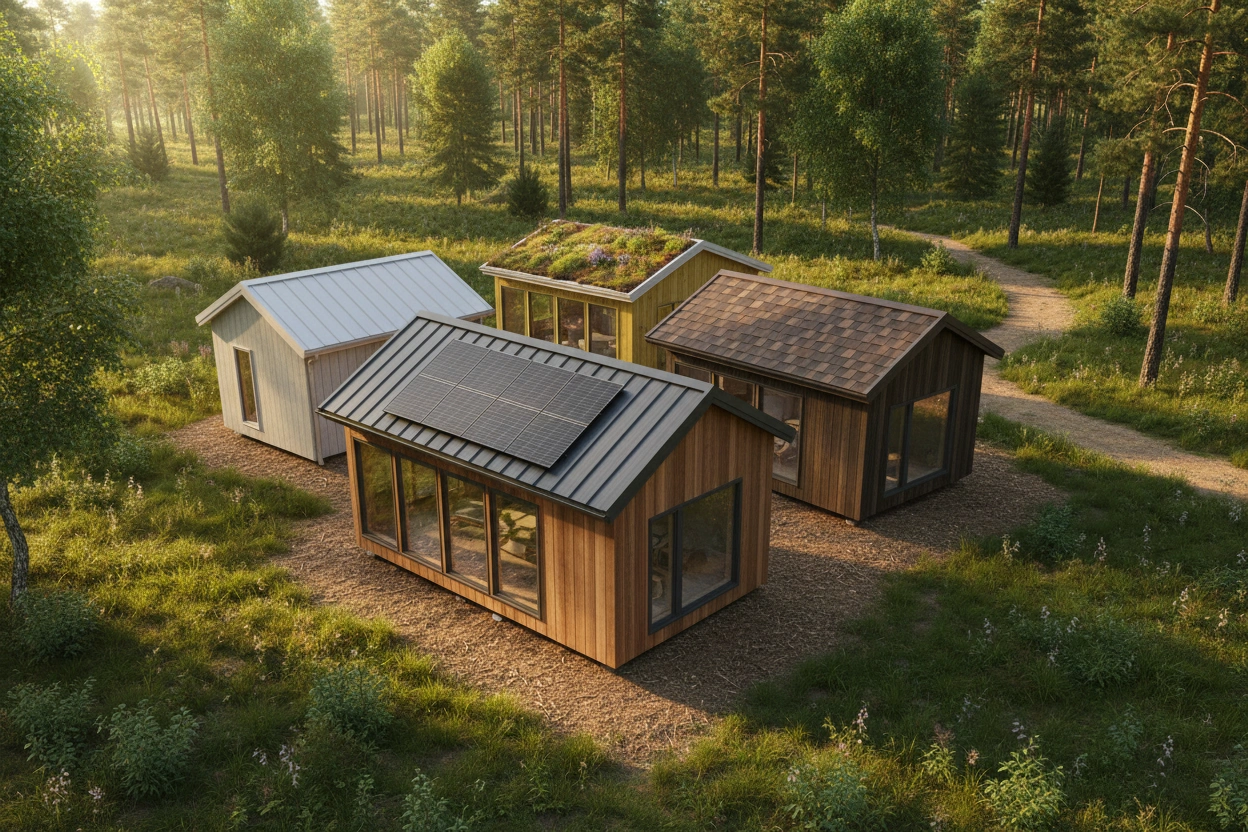
When selecting roofing for your tiny home, several factors must be considered to ensure you make an informed decision.
Climate Considerations
Understanding the climate in which your tiny house will reside is paramount. For example, if you live in an area prone to heavy snowfall, a steeply pitched metal roof may be ideal as it allows snow to slide off easily. Conversely, in regions with high temperatures, a reflective roofing material can help keep the interior cool.
Weight and Structural Support
The weight of the roofing material is essential, especially for tiny houses that may have limited structural support. Lighter materials like metal or EPDM rubber can be easier to install and reduce the risk of structural damage.
Budget
Budget constraints play a significant role in material selection. While investing in high-quality roofing may seem daunting, it often pays off in the long run through reduced maintenance and enhanced durability. Assess your budget and consider the long-term value of your investment.
Aesthetic Appeal
The visual aspect of your tiny house is important, especially if you plan to live in it full-time. Choose a roofing material that complements the overall design and look of your home while also considering its practicality.
Common Mistakes to Avoid in Tiny House Roofing
When selecting tiny house roofing, it's easy to make mistakes that can lead to costly repairs or discomfort in the future. Here are some common pitfalls to avoid:
- Ignoring Local Building Codes: Always check local regulations regarding roofing materials and building practices. Some areas may have restrictions that could affect your choices.
- Overlooking Insulation Needs: Proper insulation is key to energy efficiency. Failing to consider insulation can lead to higher energy bills and discomfort.
- Neglecting Maintenance Requirements: Some materials require more upkeep than others. Be sure to choose a roofing type that aligns with your willingness to perform regular maintenance.
The Importance of Professional Installation
While DIY projects can be rewarding, roofing installation is one area where professional help is often advisable. Proper installation ensures that the roof will perform as intended, providing protection from the elements and enhancing the longevity of your tiny home.
Benefits of Professional Installation
- Expertise: Professionals bring experience and knowledge, reducing the likelihood of mistakes.
- Warranty: Many roofing materials come with warranties that may require professional installation to be valid.
- Safety: Roofing can be dangerous, and professionals have the right equipment and training to ensure safety during the installation process.
Final Thoughts on Tiny House Roofing
Choosing the right tiny house roofing is a significant decision that impacts both the functionality and aesthetic of your home. By understanding the various materials available and considering factors such as climate, weight, budget, and maintenance, you can make an informed choice that will serve you well for years to come.
For more information about tiny house roofing and Choosing the right tiny house roofing options for your home, visit TinyHouse.com. Our resources can guide you through the process, helping you create a cozy and resilient living space tailored to your needs.
To learn more about tiny house living and get expert advice, contact TinyHouse.com today.


.svg)
.jpg)

.webp)