Eco-Friendly Tiny House in Spain: Sustainable Design Ideas

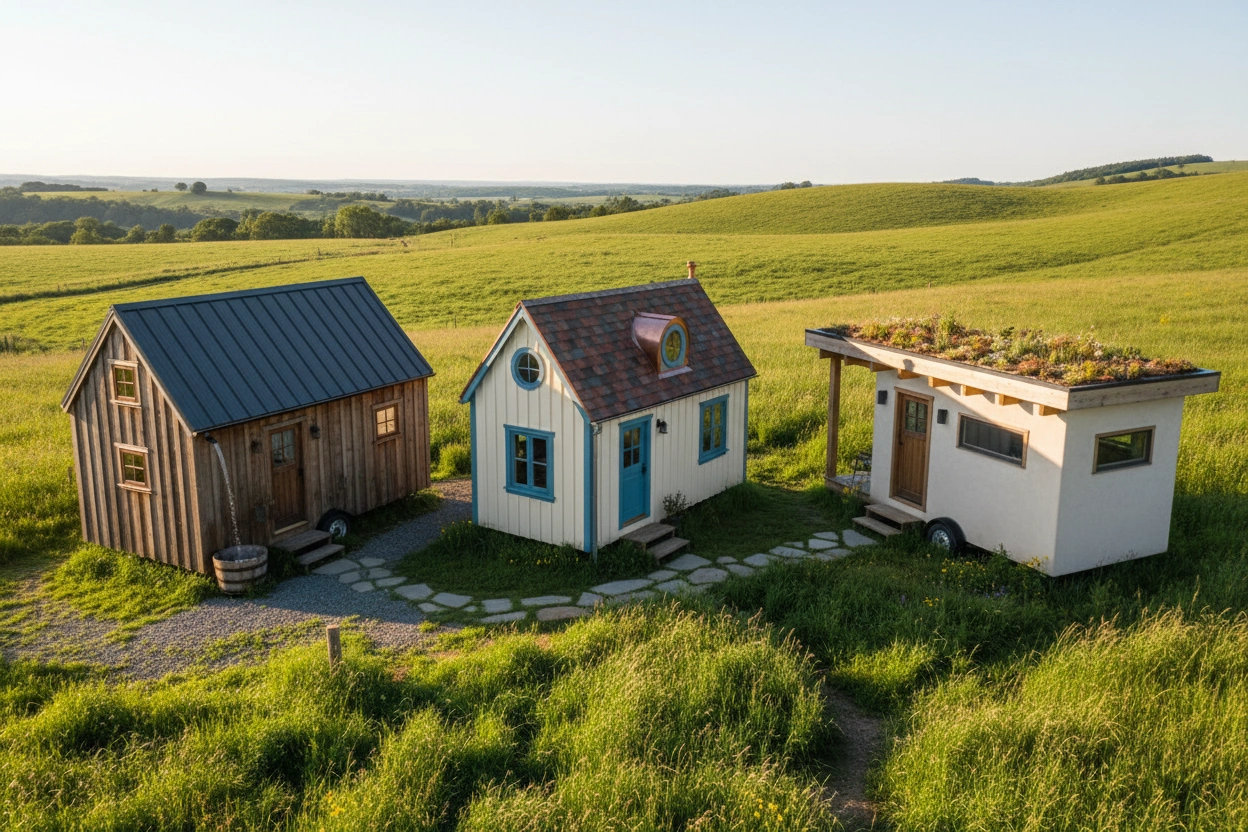
The movement toward sustainable living has gained significant traction in recent years, and the tiny house movement is at the forefront of this shift. A tiny house in Spain presents a unique opportunity to embrace minimalism while enjoying the beauty of the Spanish landscape. With its diverse climates, rich culture, and stunning vistas, Spain is an ideal location for those looking to downsize and live more sustainably. This article will provide insights into sustainable design ideas for tiny houses, highlight the top ten tiny house communities in Spain, and explore the benefits of choosing affordable tiny homes in Spain.
Sustainable Design Ideas for a Tiny House in Spain
Incorporating Renewable Energy Sources
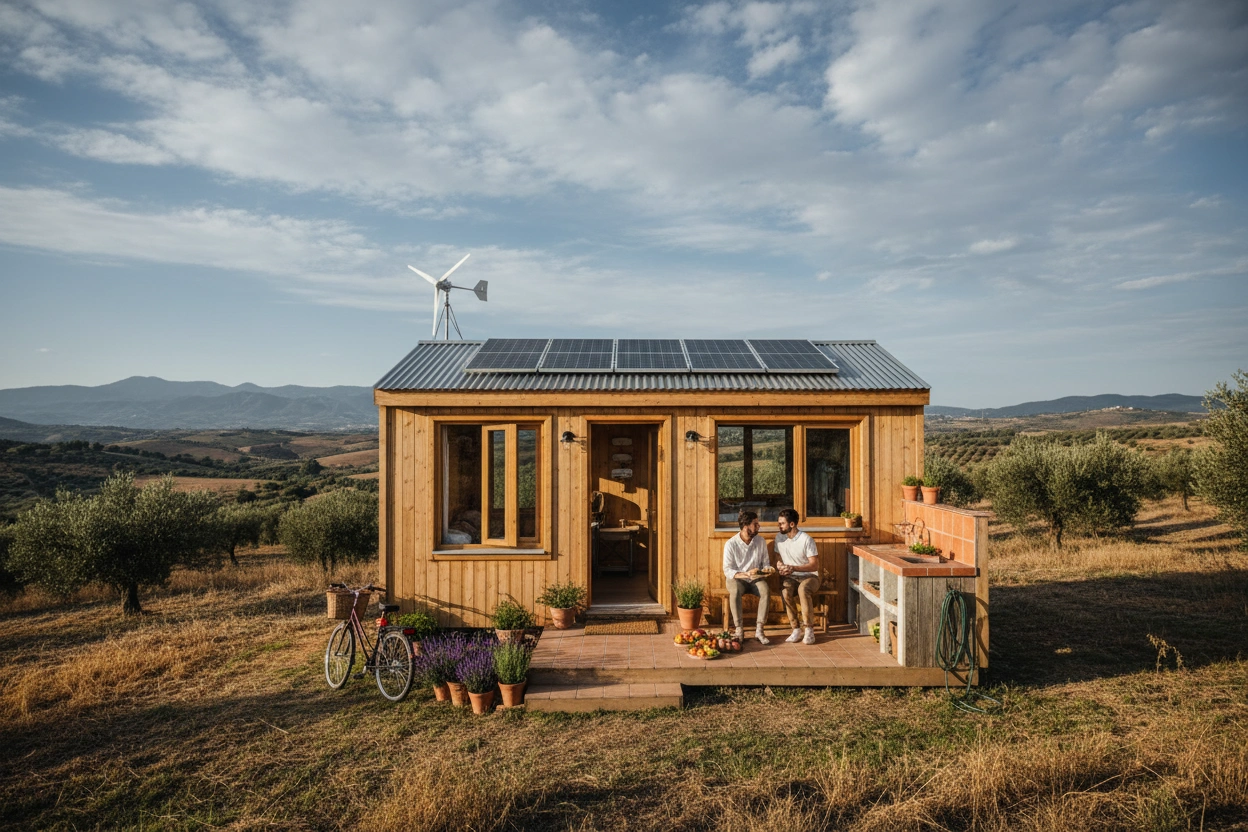
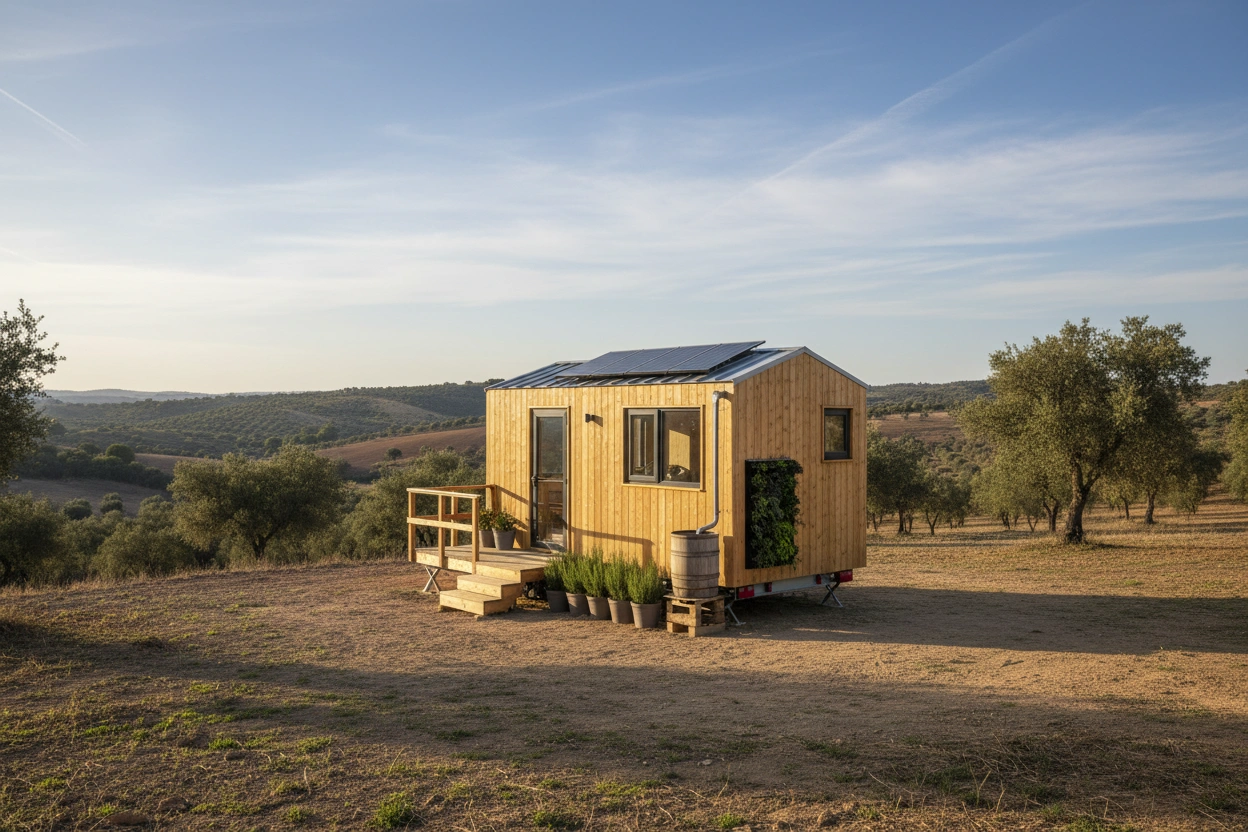
Harnessing renewable energy is vital for creating a sustainable tiny house in Spain. Solar energy is particularly effective, given Spain's abundant sunshine. Installing solar panels can significantly reduce reliance on conventional energy sources and lower utility costs.
- Solar Water Heaters: Utilizing solar water heaters can provide hot water efficiently. This is especially beneficial in regions with high solar exposure.
- Wind Turbines: For those living in windy areas, small wind turbines can complement solar energy systems, providing an additional energy source.
- Battery Storage Systems: Incorporating battery storage allows homeowners to store excess energy generated during peak sunlight hours, making it available during cloudy days or at night.
Choosing Eco-Friendly Building Materials
The choice of materials in constructing a tiny house can have a substantial impact on its sustainability. Opting for locally sourced, eco-friendly materials reduces the carbon footprint associated with transportation and manufacturing.
- Reclaimed Wood: Using reclaimed wood not only adds character to a home but also reduces the demand for new lumber, preserving forests.
- Bamboo: This rapidly renewable resource is strong, lightweight, and can be used for flooring, furniture, and structural elements.
- Natural Insulation: Materials such as sheep’s wool, hemp, or cellulose made from recycled paper provide excellent insulation and have a lower environmental impact than synthetic alternatives.
Implementing Water Conservation Techniques
Water conservation is crucial in sustainable living, especially in regions prone to drought. A tiny house in Spain can incorporate several water-saving strategies:
- Rainwater Harvesting: Installing a rainwater collection system can provide a sustainable water source for irrigation and non-potable uses.
- Low-Flow Fixtures: Utilizing low-flow faucets, showerheads, and toilets can significantly reduce water usage without sacrificing comfort.
- Greywater Recycling Systems: These systems allow for the reuse of water from sinks and showers for irrigation, reducing overall water consumption.
Top 10 Tiny House Communities in Spain
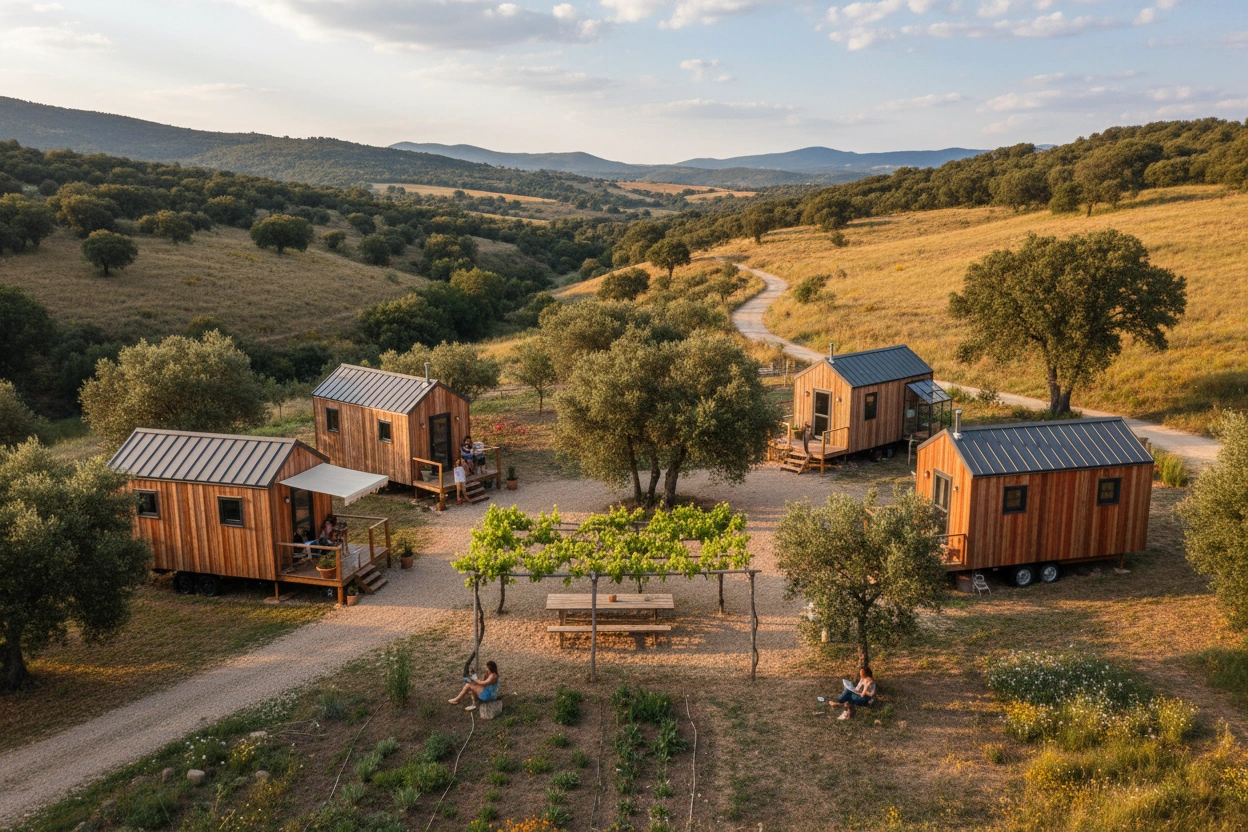
Spain is home to various tiny house communities that promote sustainable living and a close-knit lifestyle. Here are ten notable communities to consider:
- Eco Village of Las Cañadas: Located in Andalusia, this community focuses on eco-friendly building practices and self-sufficiency.
- Tiny House Village in Valencia: A vibrant community with a focus on sustainable living and shared resources.
- La Finca de la Tierra: Situated in Extremadura, this eco-village emphasizes permaculture and organic farming.
- Tiny House Community in Galicia: Nestled among lush greenery, this community promotes a peaceful lifestyle surrounded by nature.
- El Bosc de les Fades: Located in Catalonia, this community offers unique tiny homes designed with sustainable materials.
- The Tiny House Company in Alicante: This community provides affordable tiny homes and fosters a supportive environment for residents.
- Green Village in Murcia: A community focused on renewable energy and sustainable practices, perfect for eco-conscious individuals.
- Tiny House Retreat in Asturias: A scenic location offering tiny homes for weekend getaways or permanent living.
- Sustainable Living Community in Andalusia: This community features eco-friendly tiny homes and promotes a lifestyle of minimalism.
- Tiny Houses on the Coast of Spain: A collection of tiny homes near the Mediterranean, perfect for those seeking a beach lifestyle while being eco-conscious.
Benefits of Choosing Affordable Tiny Homes in Spain
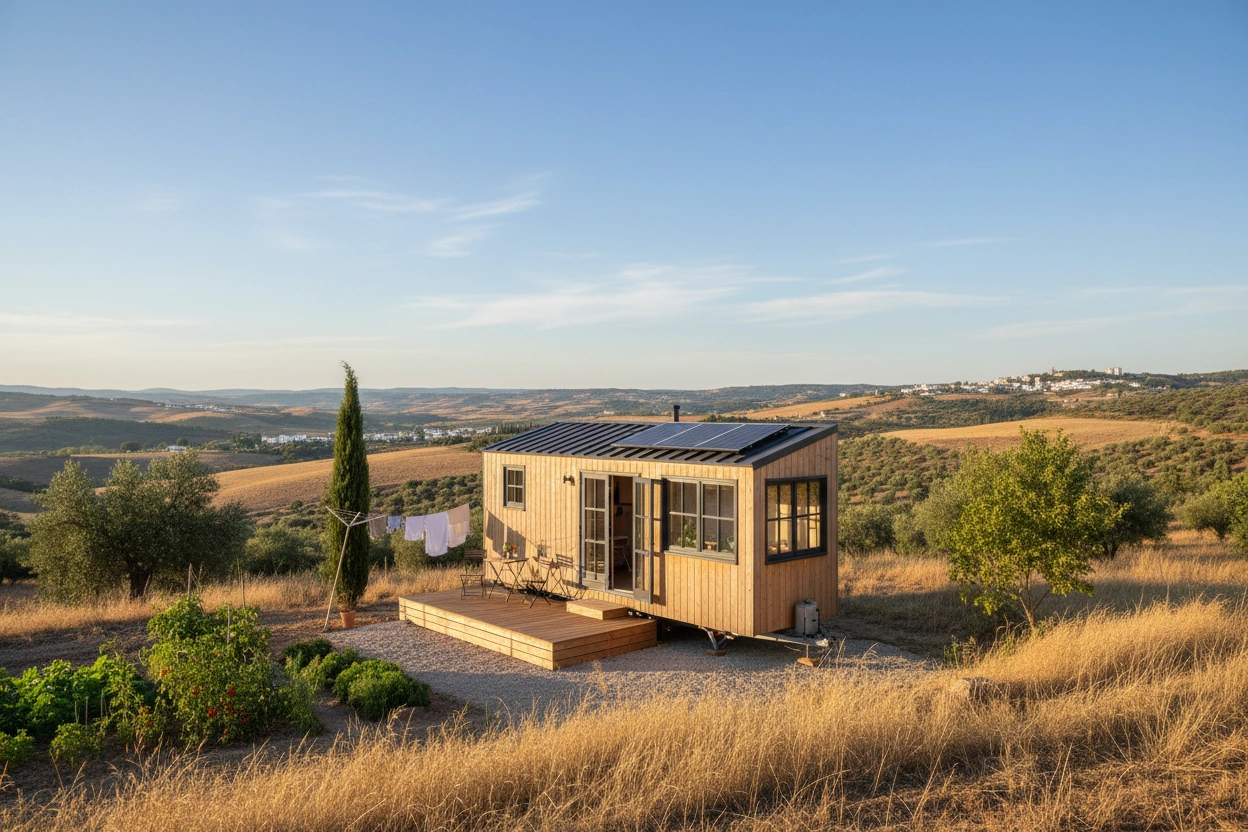
Living in a tiny house in Spain offers numerous advantages that appeal to a wide range of individuals, especially those who prioritize affordability, flexibility, and sustainability.
Financial Freedom
One of the most significant benefits of tiny homes is their affordability. The reduced cost of construction, maintenance, and utilities can lead to greater financial freedom. By downsizing, homeowners can redirect funds toward experiences or investments that matter most to them.
- Lower Mortgage Payments: Many tiny homes can be purchased outright or financed with minimal loans, reducing monthly payments.
- Reduced Utility Costs: Smaller living spaces typically result in lower heating, cooling, and water expenses.
Minimalist Lifestyle
Adopting a minimalist lifestyle is a natural outcome of living in a tiny house. This lifestyle encourages individuals to focus on what truly matters, leading to enhanced well-being and reduced stress.
- Less Clutter: With limited space, homeowners are forced to prioritize their belongings, which often leads to a more organized and peaceful environment.
- Sustainable Choices: Minimalism often aligns with eco-friendly choices, as individuals are more inclined to purchase sustainable products and support local businesses.
Connection with Nature
Tiny homes are often situated in picturesque locations, allowing residents to immerse themselves in nature. This connection can enhance mental and physical health.
- Outdoor Living Spaces: Many tiny houses include outdoor areas that encourage residents to spend time outside, promoting an active lifestyle.
- Sustainable Gardening: Residents can grow their own food in small gardens, contributing to a healthier diet and reduced grocery bills.
Common Misconceptions about Tiny Houses
While the tiny house movement is gaining popularity, several misconceptions persist that may deter potential homeowners from considering this lifestyle.
Tiny Houses are Too Small for Comfort
One common misconception is that tiny homes lack comfort. However, many tiny houses are designed with innovative layouts that maximize space and functionality.
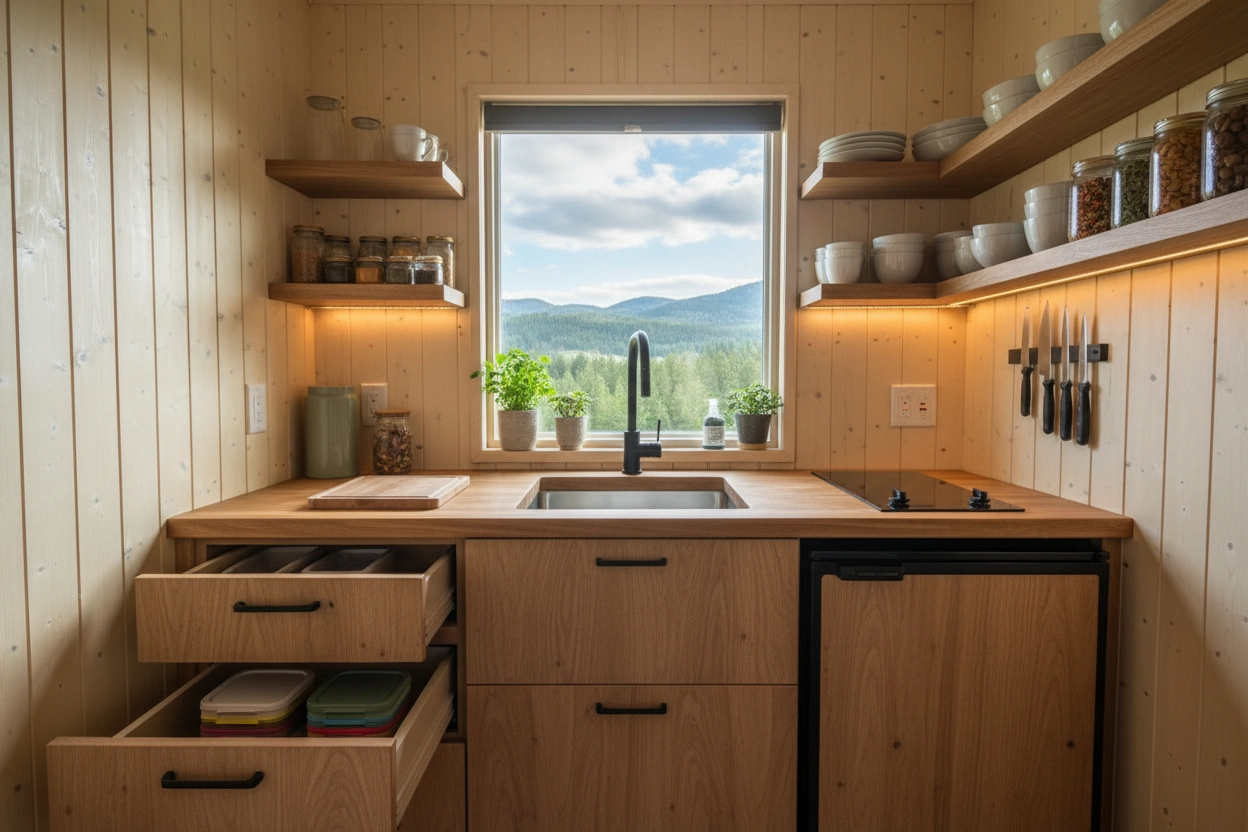
- Smart Storage Solutions: Utilizing vertical space and multifunctional furniture can create a comfortable living environment without sacrificing style.
- Quality Over Quantity: Tiny homes often emphasize quality materials and design, resulting in a cozy and inviting atmosphere.
Limited Space Equals Limited Lifestyle
Another misconception is that living in a tiny house limits one’s lifestyle. In reality, tiny homes can lead to a more fulfilling life by encouraging experiences over possessions.
- Travel Opportunities: Many tiny homes are mobile, providing the flexibility to explore new places while maintaining a home base.
- Community Engagement: Tiny house living often fosters a sense of community, encouraging social interactions and shared resources.
The Future of Tiny Houses in Spain
As the demand for affordable housing continues to rise, the tiny house movement is likely to expand in Spain. The combination of economic factors, environmental concerns, and changing lifestyles make tiny homes an appealing option for many.
Regulatory Changes
In recent years, Spain has seen a shift in regulations regarding tiny homes. Many local governments are beginning to recognize the benefits of tiny housing and are creating frameworks to support their development.
- Zoning Laws: Changes in zoning laws can make it easier to establish tiny house communities and increase accessibility for potential homeowners.
- Building Codes: Updates to building codes can encourage the use of sustainable materials and innovative designs, paving the way for a more eco-friendly future.
Growing Interest in Sustainable Living
The increasing awareness of environmental issues is prompting many to seek sustainable living solutions. Tiny houses align perfectly with this trend, offering an eco-friendly alternative to traditional housing.
- Education and Awareness: As more people learn about the benefits of tiny living, the demand for tiny homes is expected to grow.
- Support Networks: The rise of tiny house communities and organizations dedicated to promoting sustainable living will continue to foster interest and provide resources for aspiring homeowners.
Embracing the Tiny House Movement with TinyHouse.com
The shift toward sustainable living through the tiny house movement provides an exciting opportunity for individuals and couples seeking affordable and flexible housing solutions. A tiny house in Spain not only allows for a minimalist lifestyle but also promotes environmental consciousness and community engagement.
TinyHouse.com is dedicated to helping you navigate the world of tiny homes, offering valuable resources and insights to assist you in your journey. Whether you're looking for design ideas or buying a tiny house in Spain, TinyHouse.com can provide the information you need to make informed decisions.
If you're considering taking the plunge into tiny living, visit TinyHouse.com for more information on how to start your journey toward a sustainable and fulfilling lifestyle.


.svg)
.jpg)