
Eco-Friendly Tiny House Roofing Solutions for Sustainable Living


The movement towards sustainable living has gained significant momentum in recent years, with tiny houses leading the charge. These compact dwellings not only minimize environmental impact but also promote a simpler, more intentional lifestyle. A crucial aspect of this sustainable design is the roofing of tiny homes. Selecting the right roofing material and style can enhance energy efficiency, reduce waste, and contribute to the overall eco-friendliness of the structure. In this article, we will explore various tiny house roofing solutions, delve into DIY tips, and provide actionable insights to help you make informed decisions for your sustainable living project.
Understanding Tiny House Roofing Options
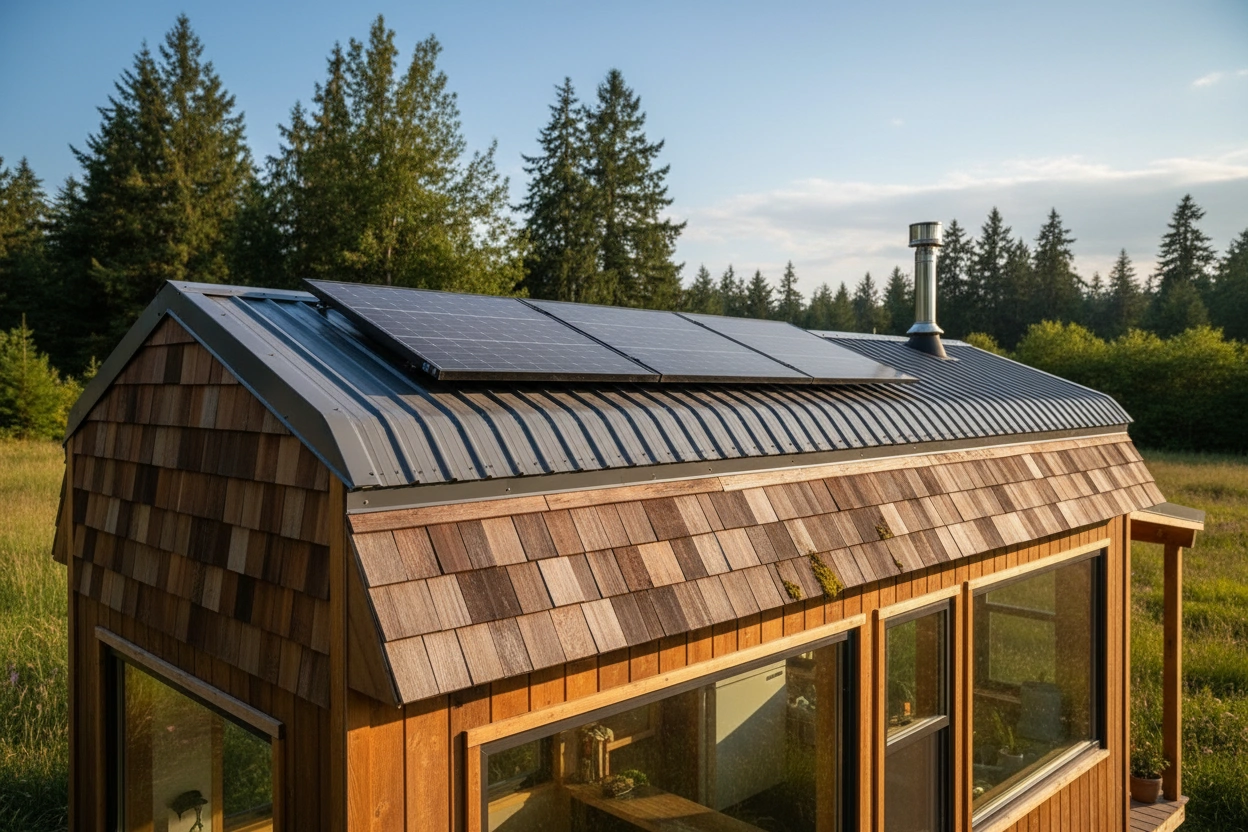
Selecting the right roofing material is essential for the longevity and sustainability of your tiny home. There are several eco-friendly tiny house roof options that cater to different needs, aesthetics, and budgets. The following sections will outline these options and their benefits.
Metal Roofing
Metal roofing has emerged as a popular choice for tiny homes due to its durability and energy efficiency. Some benefits of metal roofing include:
- Longevity: Metal roofs can last up to 50 years or more, significantly reducing the need for replacements.
- Energy Efficiency: Reflective metal surfaces can help lower cooling costs by reflecting sunlight.
- Recyclability: At the end of its life cycle, metal roofing can be recycled, minimizing waste.
Metal roofs come in various styles and finishes, allowing homeowners to choose a look that complements their tiny home aesthetic.
Green Roofs
Green roofs, also known as living roofs, involve planting vegetation directly onto the roof surface. This option provides several advantages:
- Insulation: Green roofs offer natural insulation, keeping homes cooler in summer and warmer in winter.
- Stormwater Management: They absorb rainwater, reducing runoff and promoting local biodiversity.
- Air Quality Improvement: Plants filter pollutants from the air, enhancing overall air quality.
While green roofs require more maintenance than traditional roofing options, they provide a unique opportunity to integrate nature into your living space.
Solar Roofs
Solar roofing integrates photovoltaic panels into the roof structure, allowing homeowners to harness solar energy for their electricity needs. Benefits include:
- Renewable Energy Source: Solar roofs contribute to reducing reliance on fossil fuels.
- Cost Savings: Homeowners can significantly lower their energy bills over time, and many regions offer incentives for solar installations.
- Increased Home Value: Properties with solar installations often see a boost in market value.
Incorporating solar panels into the roofing design can be an excellent investment for eco-conscious homeowners.
Reclaimed Materials
Using reclaimed materials for roofing is an eco-friendly choice that reduces waste and promotes sustainability. Options include:
- Wood Shingles: Sourced from old barns or buildings, wood shingles offer rustic charm and can be treated for longevity.
- Slate Tiles: Reclaimed slate is durable and can provide a unique aesthetic, though it may require additional structural support.
- Metal Sheets: Salvaged metal sheets can be repurposed as roofing, giving a rugged look while being environmentally responsible.
Opting for reclaimed materials not only supports sustainable practices but also adds character to your tiny home.
DIY Tiny House Roofing: Tips and Tricks for Success
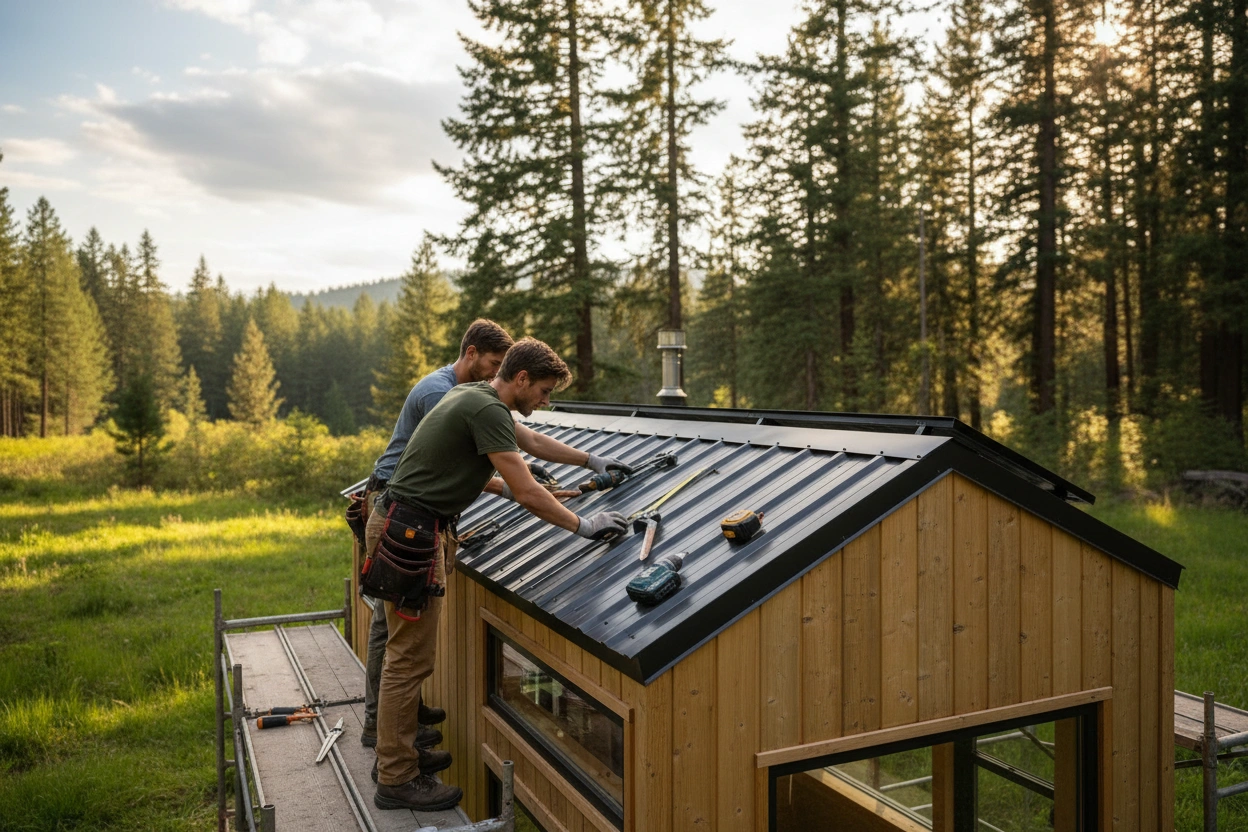
Embarking on a DIY tiny house roofing project can be rewarding and cost-effective. However, it requires careful planning and execution. Here are some essential tips and tricks to ensure your success.
Research and Planning
The foundation of any successful DIY project begins with thorough research and planning. Start by:
- Assessing local building codes and regulations to ensure compliance.
- Determining the roofing style and materials that best suit your needs and climate.
- Creating a detailed plan that includes measurements, material lists, and budget estimates.
Effective planning will streamline the installation process and minimize unexpected challenges.
Gathering Materials
Once you have a clear plan, gather all necessary materials and tools before starting. Key items may include:
- Roofing material (metal, shingles, etc.)
- Underlayment (for added protection against moisture)
- Fasteners and adhesives
- Safety gear (gloves, goggles, etc.)
- Tools (saw, hammer, drill, etc.)
Having everything on hand will help maintain workflow and reduce delays.
Installation Techniques
Proper installation techniques are critical for ensuring the longevity and effectiveness of your roofing. Consider the following best practices:
- Follow Manufacturer Guidelines: Always adhere to the installation instructions provided by the roofing material manufacturer to ensure warranty coverage and optimal performance.
- Use Appropriate Flashing: Proper flashing is essential for preventing leaks, especially at seams and intersections. Ensure all flashing is installed correctly.
- Ventilation: Ensure adequate ventilation to prevent moisture buildup, which can lead to mold and structural damage.
Taking the time to focus on installation details will pay off in the long run.
Common Mistakes to Avoid
Even seasoned DIYers can make mistakes during roofing projects. Here are some common pitfalls to watch out for:
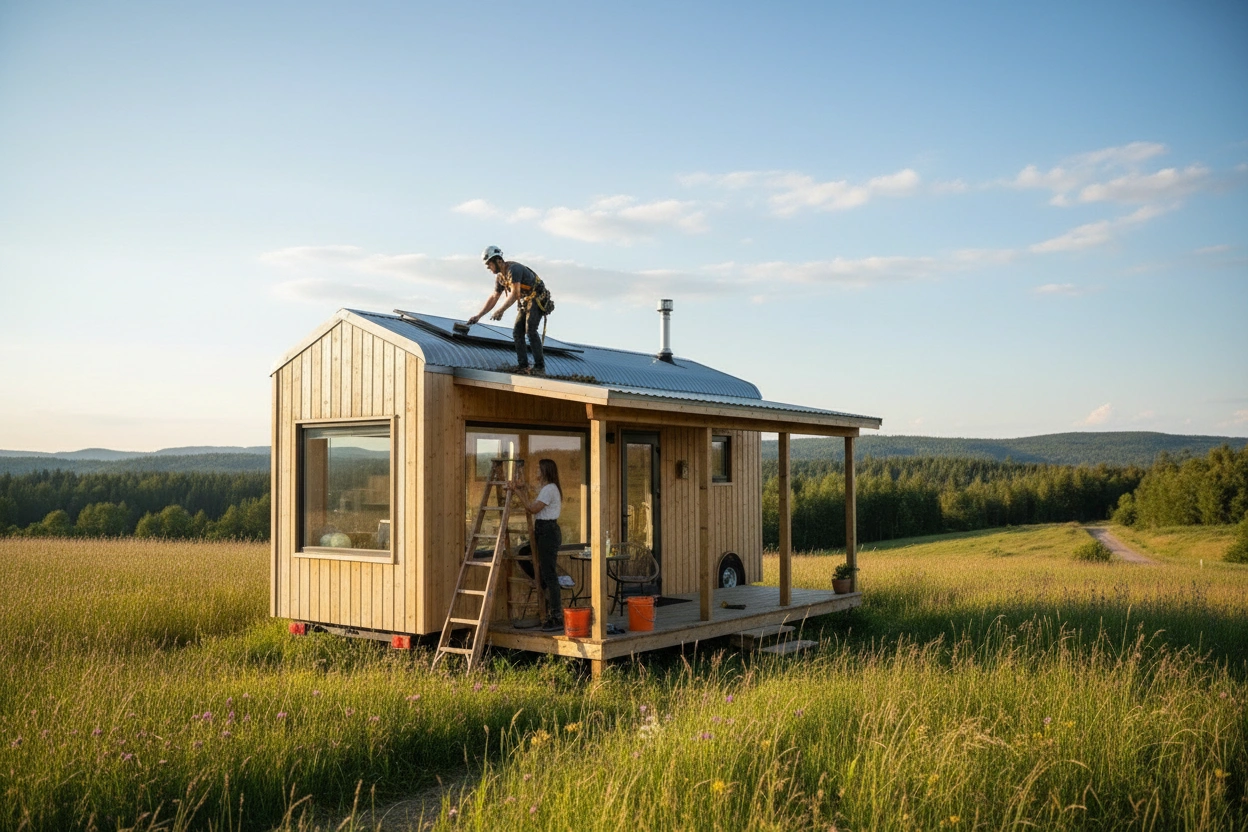
- Neglecting Safety: Always prioritize safety by using harnesses and ladders correctly.
- Overlooking Weather Conditions: Avoid working during inclement weather, which can compromise installation quality.
- Improper Measurements: Double-check all measurements before cutting materials to prevent waste and ensure a proper fit.
By being aware of these mistakes, you can mitigate risks and enhance your DIY experience.
The Importance of Choosing Sustainable Roofing Solutions

Choosing sustainable roofing solutions for your tiny house is more than just a trend; it is a commitment to environmental responsibility. Here are some compelling reasons to prioritize eco-friendly options:
Environmental Impact
The construction industry significantly contributes to waste and pollution. By selecting eco-friendly roofing materials, you can help reduce this impact. Sustainable roofing options often utilize recycled or renewable materials, which lower the carbon footprint associated with production.
Energy Efficiency
Sustainable roofing solutions typically offer improved energy efficiency. Whether through reflective surfaces, insulation from green roofs, or energy generation from solar panels, these options can lead to substantial savings on energy bills while reducing the overall demand on the grid.
Aesthetic Appeal
Eco-friendly roofing solutions can enhance the aesthetic appeal of your tiny home. From the sleek look of metal roofing to the lush greenery of a living roof, these materials can complement your design vision while aligning with your values.
Maximizing Your Tiny House Investment
Investing in eco-friendly roofing for your tiny house not only benefits the environment but can also increase your property’s value. Here are some strategies to maximize your investment:
- Choose High-Quality Materials: Opt for durable, high-quality materials that will stand the test of time, reducing the need for future repairs or replacements.
- Implement Regular Maintenance: Establish a routine maintenance schedule to ensure your roof remains in good condition. This will help catch minor issues before they escalate into costly repairs.
- Enhance Curb Appeal: Invest in landscaping and exterior aesthetics to create a welcoming environment that attracts potential buyers or renters.
By focusing on these strategies, you can enhance the value and sustainability of your tiny home.
The Intersection of Eco-Friendly Solutions and Tiny House Living
The journey to sustainable living is deeply intertwined with the choices we make regarding our homes, particularly when it comes to tiny house roofing. By selecting eco-friendly materials and embracing DIY techniques, homeowners can significantly reduce their environmental impact while enjoying the benefits of a well-designed tiny home.
TinyHouse.com is dedicated to supporting your sustainable living journey. Whether you are just beginning to explore tiny house roofing options or are ready to dive into a DIY project, our resources and community can provide valuable insights and guidance.
Embrace the Eco-Friendly Lifestyle with TinyHouse.com
As you embark on your tiny house roofing journey, remember the importance of choosing materials and methods that align with your sustainable living goals. Visit TinyHouse.com for expert advice, resources, and inspiration that can help you make the best decisions for your eco-friendly tiny home.
Contact TinyHouse.com today to explore how we can assist you in creating the sustainable living space of your dreams.


.svg)

.jpg)