ESA Letters in Florida: Protecting Access for Those Who Need Support


Emotional support animals provide comfort to people living with mental health conditions or other disabilities, and qualifying for housing accommodations requires a legitimate ESA letter from a licensed health professional. While there is no comprehensive federal data on ESA evaluations, U.S. government estimates show that more than 61 million adults i.e. about one in four Americans live with a disability.
As demand for an ESA letter for housing continues to grow in Florida, easy access to fake documentation and widespread misunderstanding of ESA laws have contributed to a rise in fraudulent cases across the state. This is directly affecting Florida residents who have actual emotional needs.
How ESA Fraud Became So Common
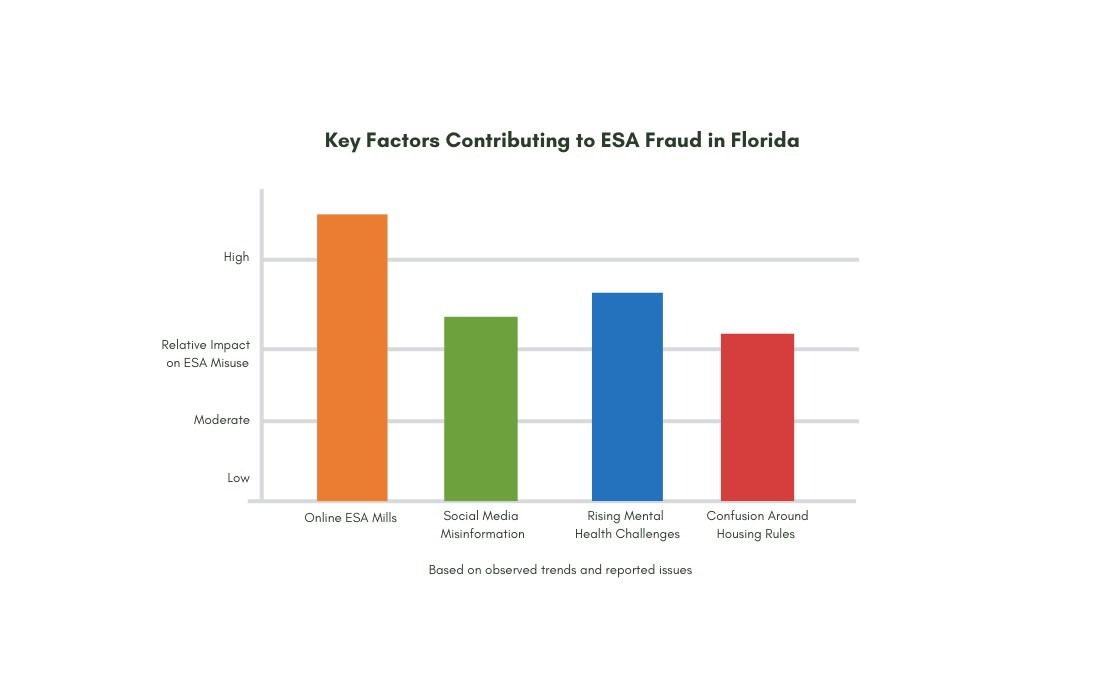
One of the biggest reasons ESA scams have increased across Florida is the rise of online “ESA mills.” These websites promise instant approval and skip real evaluations altogether, making it easy for fake documentation to circulate.
Social media has added to the problem. As more people turn to online posts and videos for guidance, misinformation about ESA rights spreads quickly often without being fact-checked.
At the same time, mental health challenges are becoming more common. For individuals already under stress, it can be hard to tell the difference between a legitimate evaluation and a misleading offer that promises a quick solution.
Additionally, confusion around housing rules plays a major role. Many renters simply aren’t sure how ESA accommodations work, and fraudulent websites take advantage of that lack of clarity.
The Real Collateral Damage to Floridians with Disabilities
ESA scams don’t just affect housing policies, they affect people. For many Floridians with real disabilities, the biggest impact has been increased stress and uncertainty around securing housing. The spread of fake ESA letters has led to stricter rules in Florida, tightening a process that was already difficult for individuals managing mental health challenges.
That skepticism often shows up as added hurdles. Legitimate ESA users may be asked for extra documentation, face delays, or encounter resistance during housing applications.
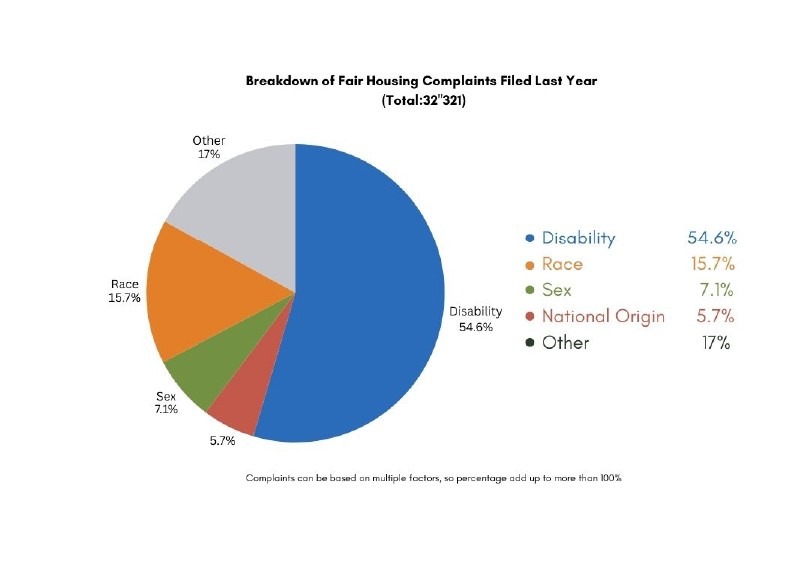
According to the U.S. Department of Housing and Urban Development, disability-related issues consistently rank among the most common fair housing complaints nationwide, showing how frequently access problems occur.
These delays and rejections take a toll. People already dealing with anxiety, PTSD, or other conditions may wait longer for housing decisions, feel questioned or doubted, and experience increased emotional strain.
In some cases, landlords may even reject a valid ESA letter obtained online even when it comes from a licensed mental health professional following a proper evaluation due to growing mistrust.
Adding to the confusion, some housing providers in Florida may ask for verification of an ongoing patient–provider relationship or treatment history before accepting an ESA letter, even though the law doesn’t specify a required timeframe for this relationship.
These evolving expectations can make an already stressful process harder to navigate for individuals seeking stable housing.
Why Education Matters More Than Enforcement
Stricter rules alone don’t solve the problem. Clear guidance is essential for ESA owners. A legitimate ESA letter requires a proper evaluation by a licensed mental health professional, and using fake or misleading documentation can lead to legal consequences under Florida law (Florida Statutes § 817.265), which may include fines, community service, or other penalties depending on the case.
At the same time, landlords need clarity as well. A valid ESA recommendation is generally sufficient for housing purposes. While housing providers may verify a clinician’s credentials, they cannot ask about a person’s mental health condition or demand additional medical documents. Transparent communication on both sides helps reduce conflict and confusion.
Your ESA Responsibilities
When seeking an ESA letter, it’s important to understand:
- The importance of a proper mental health evaluation
- Your housing rights and their limits
- Respect for shared and community living environments
- Protecting access for those who truly need ESAs
.jpg)
Protecting Access for Those Who Need It Most
Misuse of ESA letters doesn’t just bend the rules, it makes housing harder for Floridians with real disabilities who genuinely need support. Protecting access means shared responsibility from renters, housing providers, and communities as Florida’s housing landscape continues to evolve.
If you are seeking a legitimate ESA evaluation, My ESA Therapist in Florida connects individuals with licensed mental health professionals. When clinically appropriate, an ESA letter may be issued, helping prevent misinformation and support lawful housing rights.
Sources
Centers for Disease Control and Prevention (CDC).
Disability and Health Care Access.
https://www.cdc.gov/disability-and-health/articles-documents/disabilities-health-care-access.html?
The Housing Center / National Fair Housing Alliance.
Highlights from the 2025 Fair Housing Trends Report.
https://thehousingcenter.org/highlights-from-the-2025-fair-housing-trends-report/
Florida Senate.
Florida Statutes, Chapter 760 – Civil Rights.
https://www.flsenate.gov/Laws/Statutes/2023/Chapter760/All
Florida Senate.
Florida Statutes, Section 817.265 – False or fraudulent proof of need for an emotional support animal.
https://www.leg.state.fl.us/statutes/index.cfm?App_mode=Display_Statute&Search_String&URL=0800-0899%2F0817%2FSections%2F0817.265.html&


.svg)