
How to Choose the Right Mattress for Tiny House Living

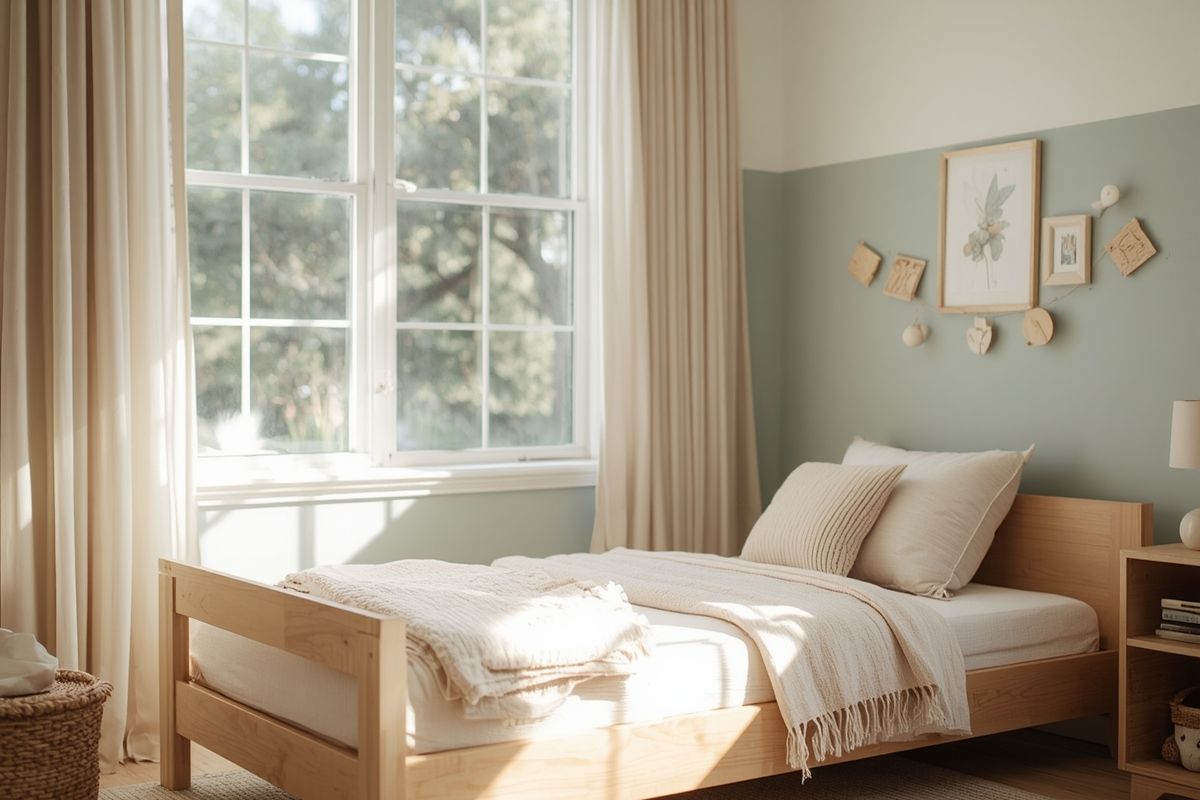
Living in a tiny house changes how you think about almost everything, especially sleep. In a compact space, your mattress is not just a place to crash. It affects storage, layout, airflow, and how rested you feel when every square foot has a job. If you’re planning a tiny house setup in a place like Pasadena, where warm weather and indoor comfort both matter, picking the right mattress takes more strategy than grabbing the first bed that fits.
Don’t Ignore Custom Sizing and Local Testing
Tiny house builds rarely follow cookie-cutter dimensions. A standard twin, full, or queen may fit, but custom sleeping platforms are common, especially in lofts and built-in nooks. In those cases, custom sizing can save you from awkward gaps or trimming your design around a stock mattress.
Testing mattresses in person helps more than online specs ever will. Comfort ratings are subjective, and tiny house sleep setups come with unique constraints. If you’re comparing options locally, a showroom in Pasadena can give you a better sense of firmness, profile height, and custom-fit possibilities for compact living.
That hands-on experience matters when one mattress decision affects your storage plan, circulation space, and bedtime routine. A few minutes of testing can prevent months of regretting a mattress that looked better on paper than it feels at 11 p.m.
Start With Your Tiny House Layout, Not the Mattress
It’s tempting to shop by mattress brand first, but your floor plan should make the first move. In a tiny house, sleeping areas can sit in lofts, alcoves, Murphy bed frames, or convertible bench setups. Each one creates different size and thickness limits.
Measure length, width, and height with annoying precision. Yes, even the ceiling slope. A queen mattress may sound ideal until you realize it turns your loft into a crawl space. A full or custom size can open up movement and improve the room’s function.
You should also think about access. If the mattress has to travel up a narrow ladder or around a tight turn, standard dimensions can become a puzzle with no satisfying ending. Good fit is about daily usability, not just technical compatibility.
Pay Attention to Mattress Thickness and Weight
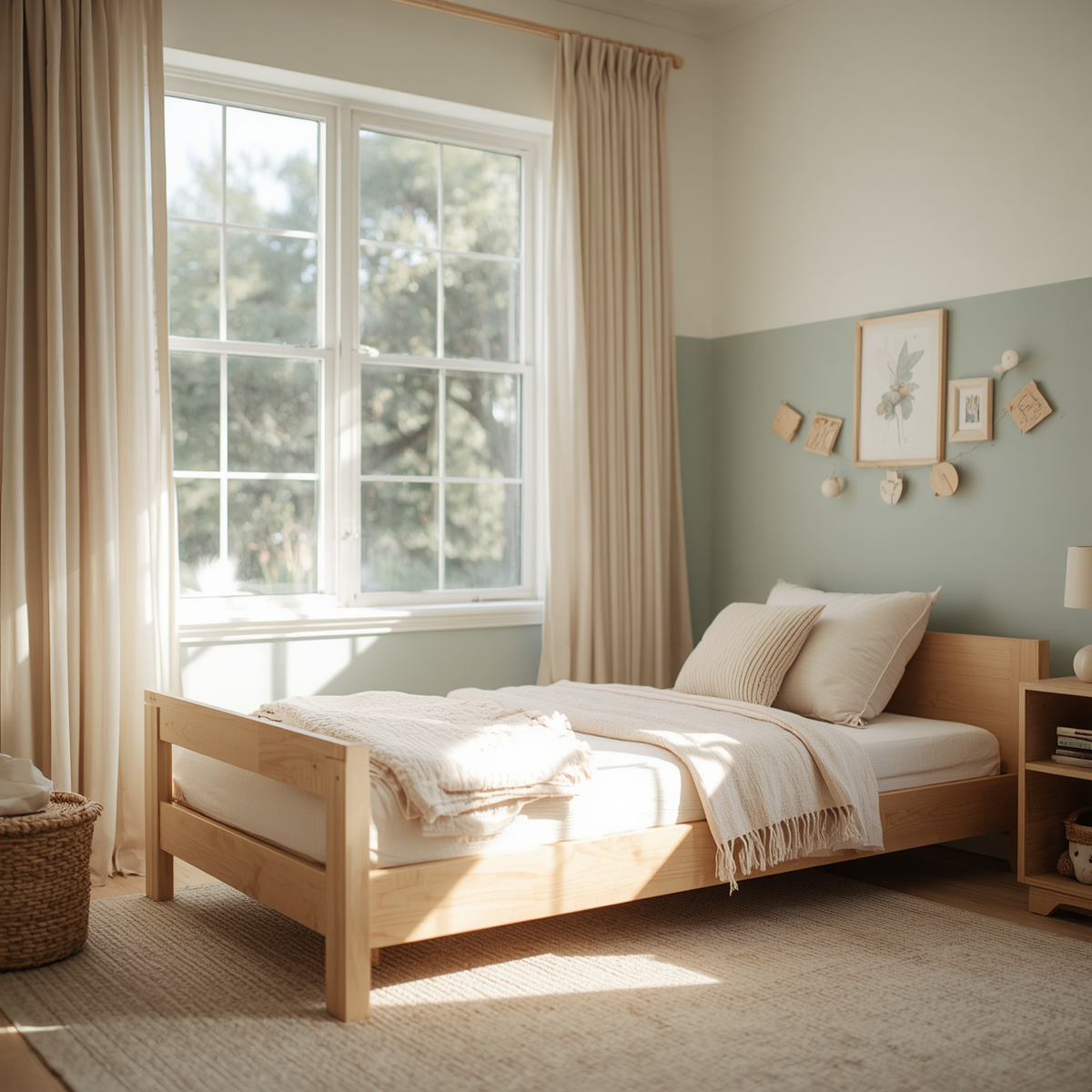
In a traditional bedroom, a thick mattress often feels like a luxury. In a tiny house, it can be a spatial bully. Extra height may reduce headroom, block windows, or make climbing into bed feel like boarding a top bunk with a mortgage.
Weight matters too. Heavier mattresses can strain lift-up storage beds or platform systems. If your bed frame includes hidden compartments, the mattress should work with that mechanism, not fight it.
Many tiny house owners do best with a mattress in the 8- to 12-inch range, depending on the sleeping platform. That usually provides enough support without overwhelming the space. Foam and hybrid models are often easier to move than dense innerspring options.
The goal is comfort with control. You want support that fits your body and your structure.
Think About Climate, Ventilation, and Moisture
Tiny houses are more sensitive to temperature shifts than larger homes. Heat builds up faster, cool air disappears quicker, and moisture can become a real problem, especially under a mattress placed on a solid platform.
If you live in a warm climate or plan to park your tiny house in Southern California, airflow deserves serious attention. Materials that trap heat can make sleep miserable. Breathable foams, ventilated designs, and moisture-managing covers help prevent that sticky, overheated feeling.
Mattress ventilation also protects the home itself. Condensation under the bed can lead to mildew, odors, and material damage over time. Slatted foundations, airflow mats, or slight elevation under the mattress can help.
Tiny house living is all about systems working together. Your mattress is part of that system, not a separate purchase floating in space.
Choose Materials That Match Real Daily Use
A tiny house mattress often works harder than a standard one. It may serve as a bed, reading spot, lounge zone, or guest setup. That means materials should hold shape well and stay comfortable under repeated use.
Memory foam can be great for pressure relief, though lower-quality versions may sleep hot or sag early. Latex tends to feel more responsive and breathable, which many people like in smaller homes. Hybrid options can balance contouring and structure, though they’re sometimes heavier.
If the mattress doubles as seating, edge support becomes more important than people expect. Weak edges make the bed feel sloppy fast. Durable construction matters when you’re using one item in several ways.
You don’t need the flashiest mattress on the market. You need one that performs well when your home asks it to multitask.
.jpg)
Match the Mattress to How You Actually Sleep
Your sleeping position still matters, even in 200 square feet. Side sleepers usually need more pressure relief at the shoulders and hips. Back sleepers often prefer balanced support that keeps the spine aligned. Stomach sleepers tend to need a firmer surface to avoid sinking too deeply.
If you share the bed, motion transfer becomes a bigger deal in a tiny house. When your partner shifts at night, the whole space already knows about it. Your mattress shouldn’t add dramatic special effects.
Also be honest about your habits. If you read, work, or watch shows in bed, the mattress should support that without collapsing into a marshmallow by month six. Tiny house living rewards honesty. Every shortcut shows up eventually.
A mattress that fits your sleep style will feel better longer and make the entire home more livable.
Plan for Setup, Maintenance, and Long-Term Comfort
Buying the mattress is only part of the job. You also need a plan for getting it into the house, protecting it, and keeping it in good shape. Tight doorways, loft ladders, and limited turning space can make delivery day feel like a low-budget engineering contest.
Look for mattresses that are easier to maneuver if access is tricky. Once installed, use a quality protector, especially in tiny homes where airflow and humidity can fluctuate. Rotate the mattress if the manufacturer recommends it, and check underneath every so often for trapped moisture.
Long-term comfort depends on upkeep and structure. A great mattress placed on the wrong base can wear unevenly. A well-matched setup, on the other hand, can stay comfortable for years.
When your home is small, discomfort has nowhere to hide. The right mattress improves sleep, space use, and daily life in one move.


.svg)
.jpg)
.jpg)