How to Choose Tiny House Plans for Efficient Living

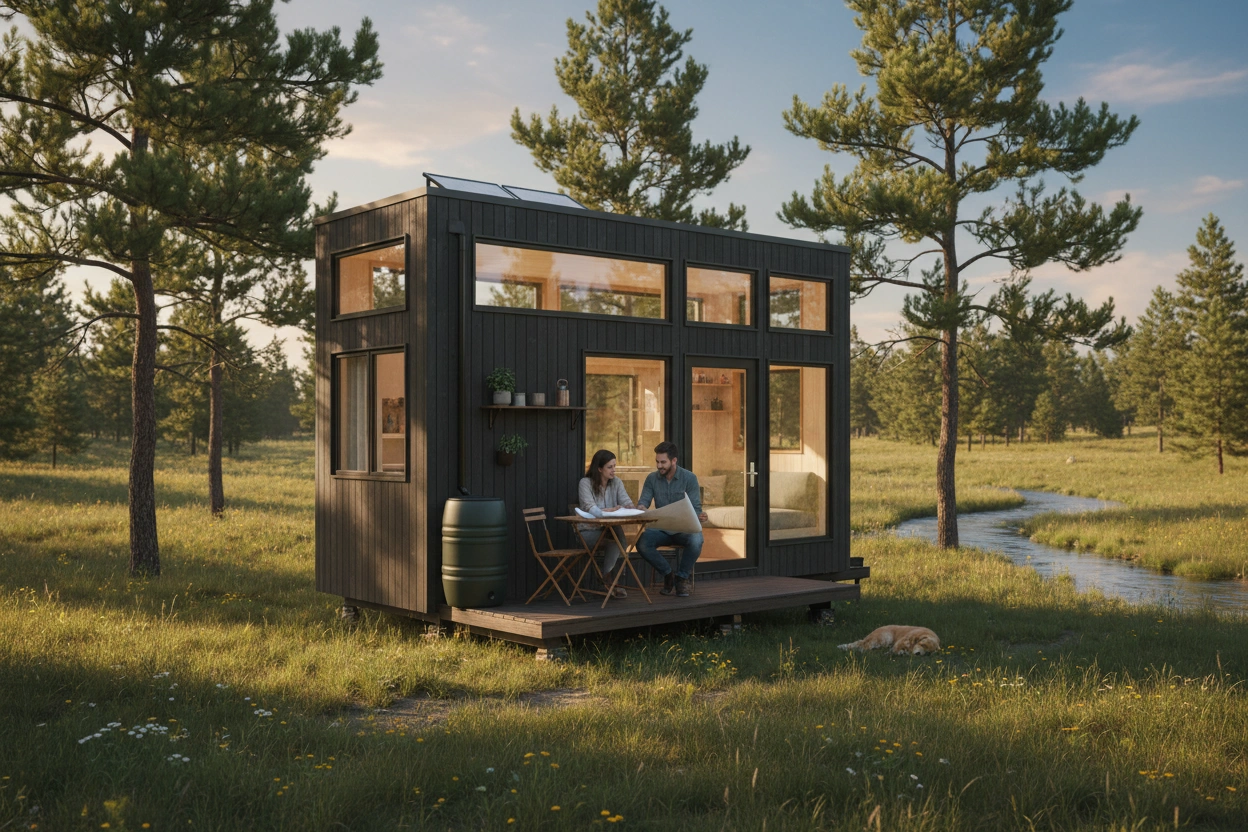
Tiny house design has gained immense popularity in recent years, driven by a growing desire for minimalism, sustainability, and affordability. As more individuals and families seek to downsize their living spaces, the concept of small space living has become an appealing option. Choosing the right tiny house plans is essential for maximizing both comfort and functionality. This guide will explore key considerations for selecting tiny house designs and provide insights into how to effectively maximize space in tiny house interiors.
Understanding Tiny House Design
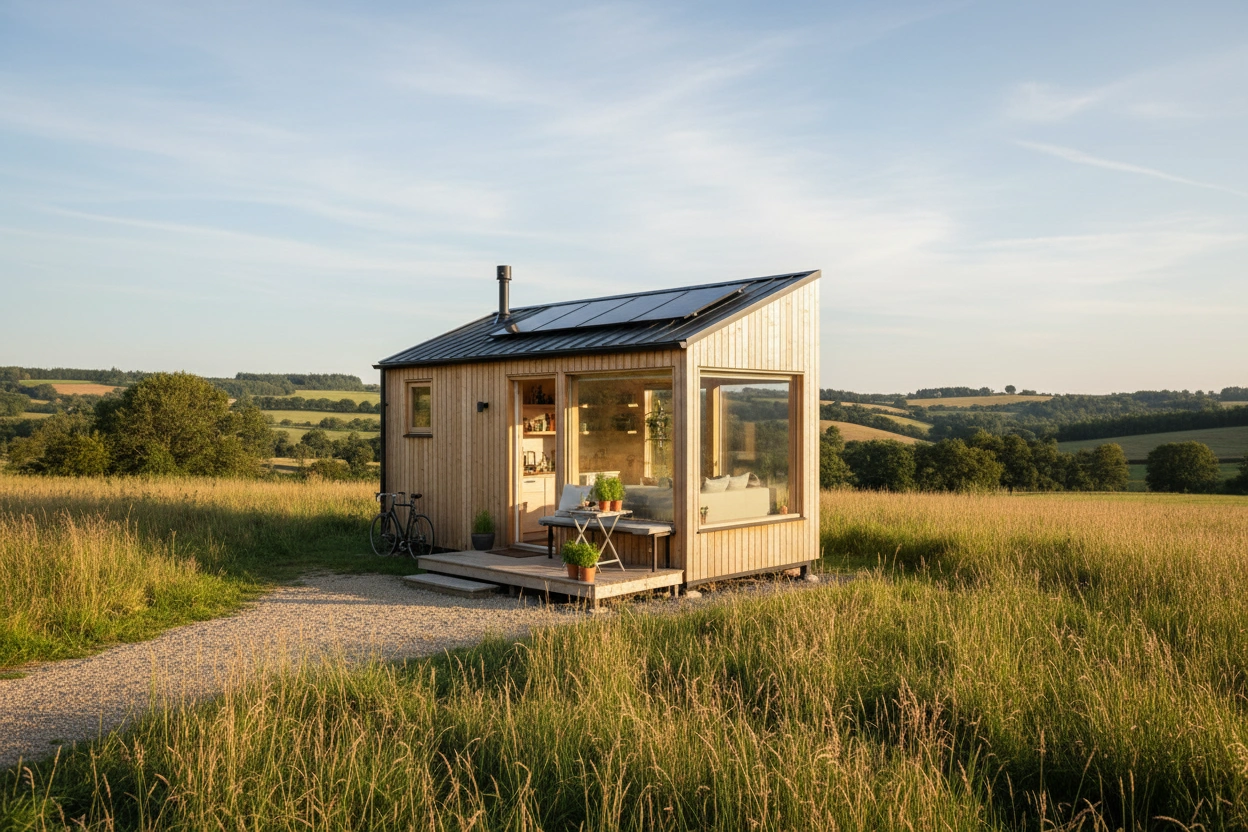
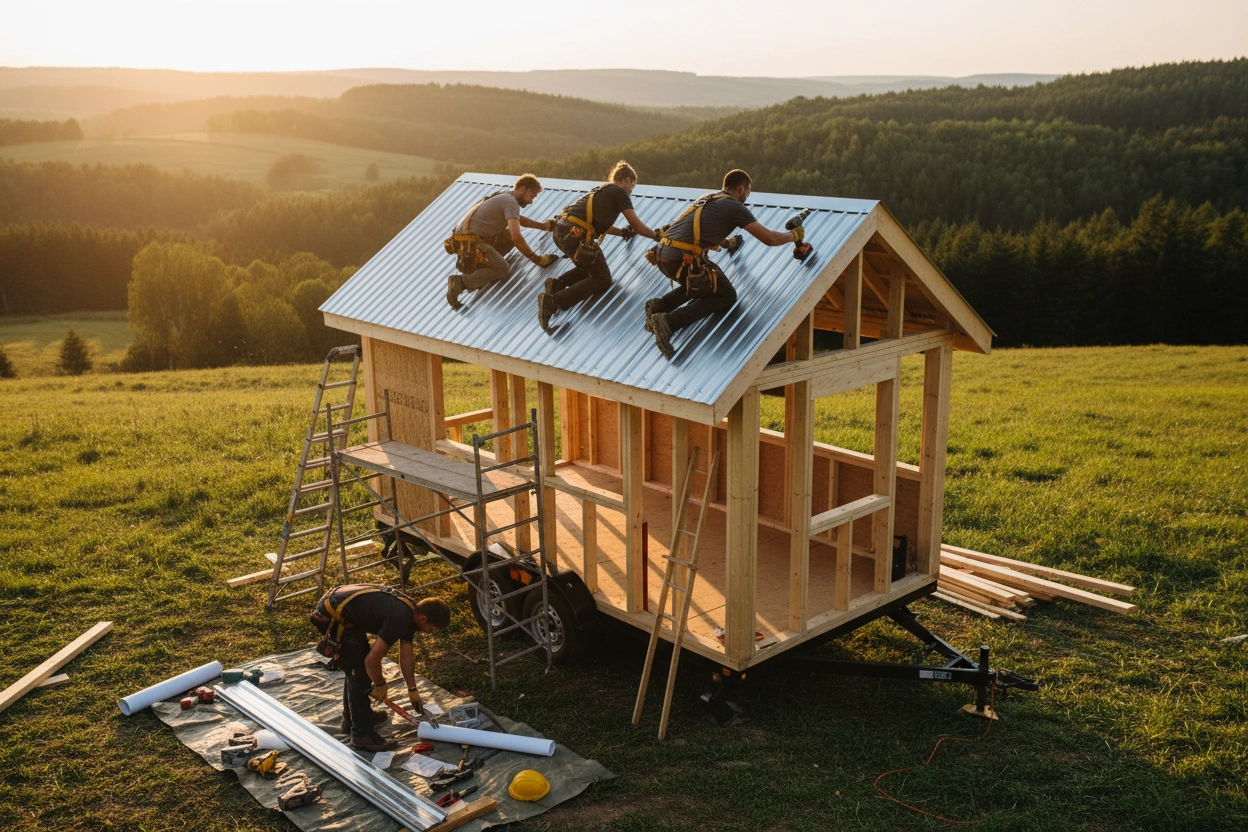
Tiny house design refers to the architectural and functional aspects of small homes, typically measuring less than 400 square feet. These designs prioritize efficient use of space while incorporating essential amenities that allow for comfortable living. The appeal of tiny houses lies not only in their reduced environmental impact but also in the financial freedom they offer.
When embarking on the journey of selecting tiny house plans, it's essential to consider factors such as layout, materials, and personal lifestyle needs. Many individuals are drawn to tiny homes for their ability to simplify life, minimize clutter, and promote sustainable living. However, the process of choosing the right design can be overwhelming, particularly with the myriad of options available today.
Key Elements of Tiny House Design
Layout and Functionality: The layout is one of the most critical aspects of tiny house design. A well-thought-out floor plan can enhance the flow of the space and make it feel larger than it is. Open-concept designs often work well, as they create a sense of continuity and minimize the feeling of confinement.
Vertical Space Utilization: Tiny houses often have limited horizontal space, making it vital to utilize vertical space effectively. This can be achieved through lofted beds, wall-mounted shelves, and tall cabinetry. Incorporating stairs or ladders that double as storage can also optimize vertical areas.
Natural Light and Ventilation: Proper lighting can dramatically affect how spacious a tiny home feels. Large windows, skylights, and glass doors can invite natural light, making the space feel airy and open. Good ventilation is equally important, as it maintains air quality and comfort.
Sustainable Materials: Choosing eco-friendly materials not only supports sustainable living but can also enhance the overall aesthetic of a tiny house. Options such as reclaimed wood, bamboo, and energy-efficient appliances can minimize environmental impact while adding character to the design.
Personalization: Every individual's needs and preferences differ, so personalization is key. Consider incorporating multifunctional furniture that can adapt to various uses, such as a dining table that converts into a work desk or a sofa bed for guests.
How to Maximize Space in Tiny House Interiors
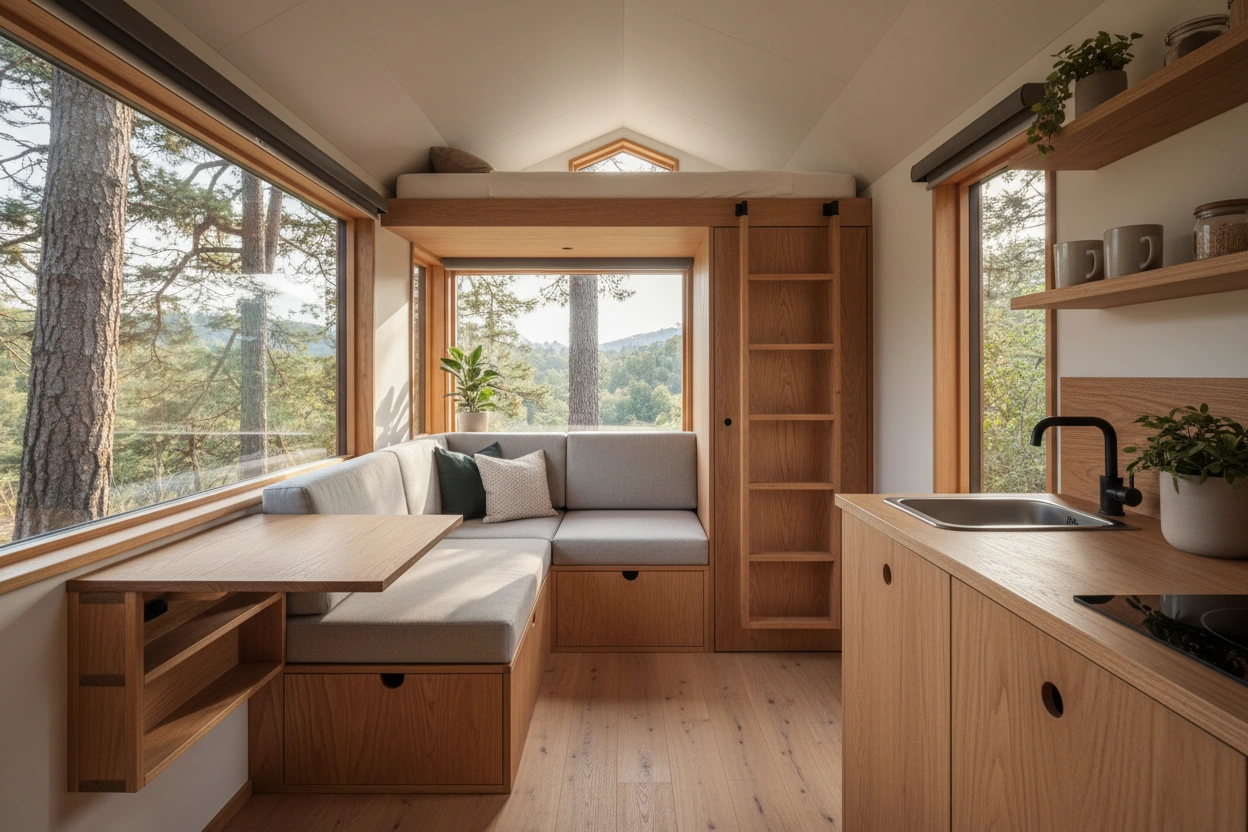
Maximizing space in tiny house interiors is essential for creating a comfortable living environment. Here are practical strategies to optimize every square foot of your tiny home.
1. Choose Multifunctional Furniture
Furniture that serves multiple purposes is invaluable in a tiny house. By selecting items that can adapt to various functions, you can reduce clutter and increase usability. Consider these options:
- Murphy beds: These fold down from the wall, allowing the space to be used for other activities during the day.
- Storage ottomans: These can serve as seating, footrests, and storage solutions all in one.
- Convertible sofas: A sofa that can transform into a bed or a table can serve multiple needs without taking up extra space.
2. Implement Smart Storage Solutions
Efficient storage is crucial in a tiny house. Here are some smart storage ideas:
- Under-bed storage: Use bins or drawers under the bed to store seasonal clothing or extra linens.
- Built-in shelves: Install shelves in nooks and corners to keep items off the floor and create a more open feel.
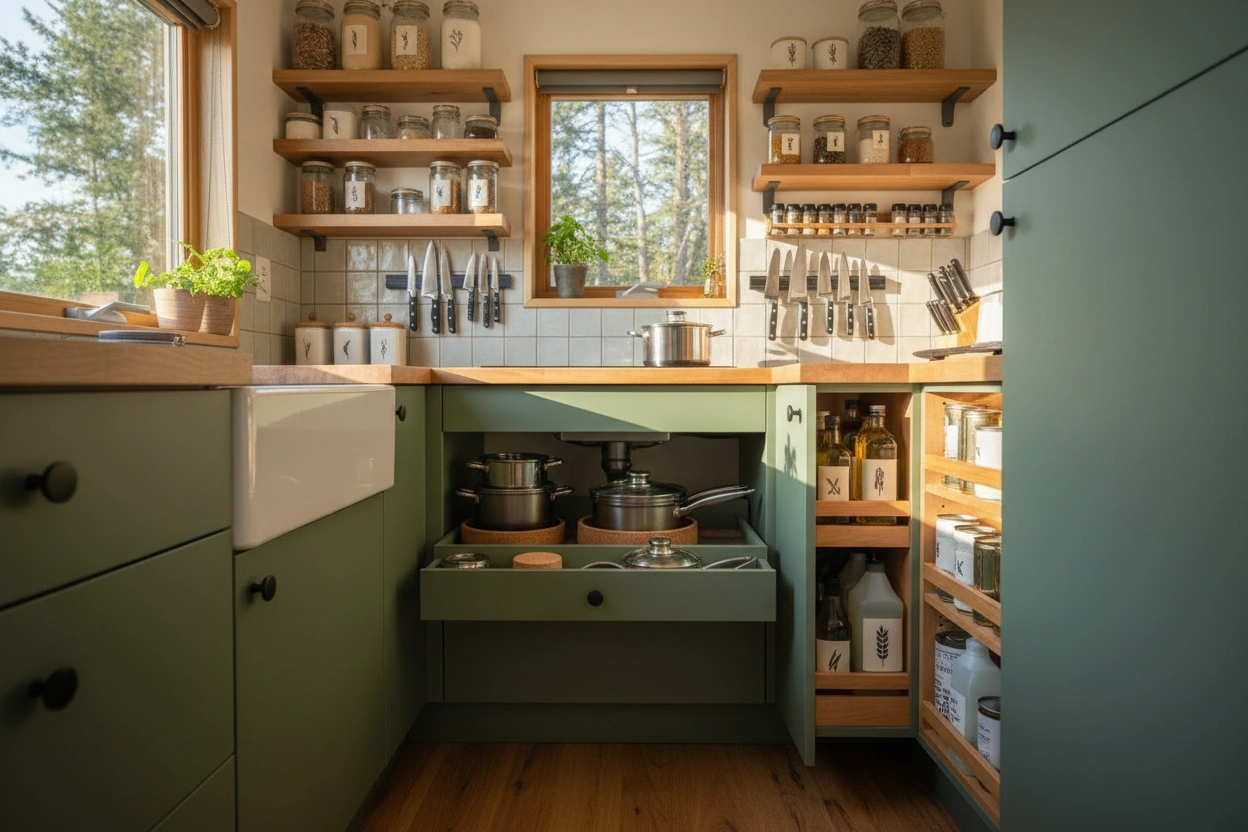
- Hooks and pegboards: Utilize wall space for hanging items like pots, pans, or tools, keeping counters and floors clear.
3. Optimize Kitchen Design
The kitchen is often the heart of the home, even in tiny spaces. Here are strategies to make the most of your kitchen area:
- Compact appliances: Invest in smaller appliances designed for tiny homes, such as a two-burner stove or a combination microwave-oven.
- Foldable tables: A drop-leaf table can serve as both a prep area and dining space, allowing for versatility.
- Open shelving: Instead of bulky cabinets, open shelves can create a more spacious appearance and allow easy access to frequently used items.
4. Use Color and Decor Wisely
The colors and decor you choose can significantly impact how spacious a tiny home feels. Lighter colors can make rooms appear larger and more inviting. Here are some tips:
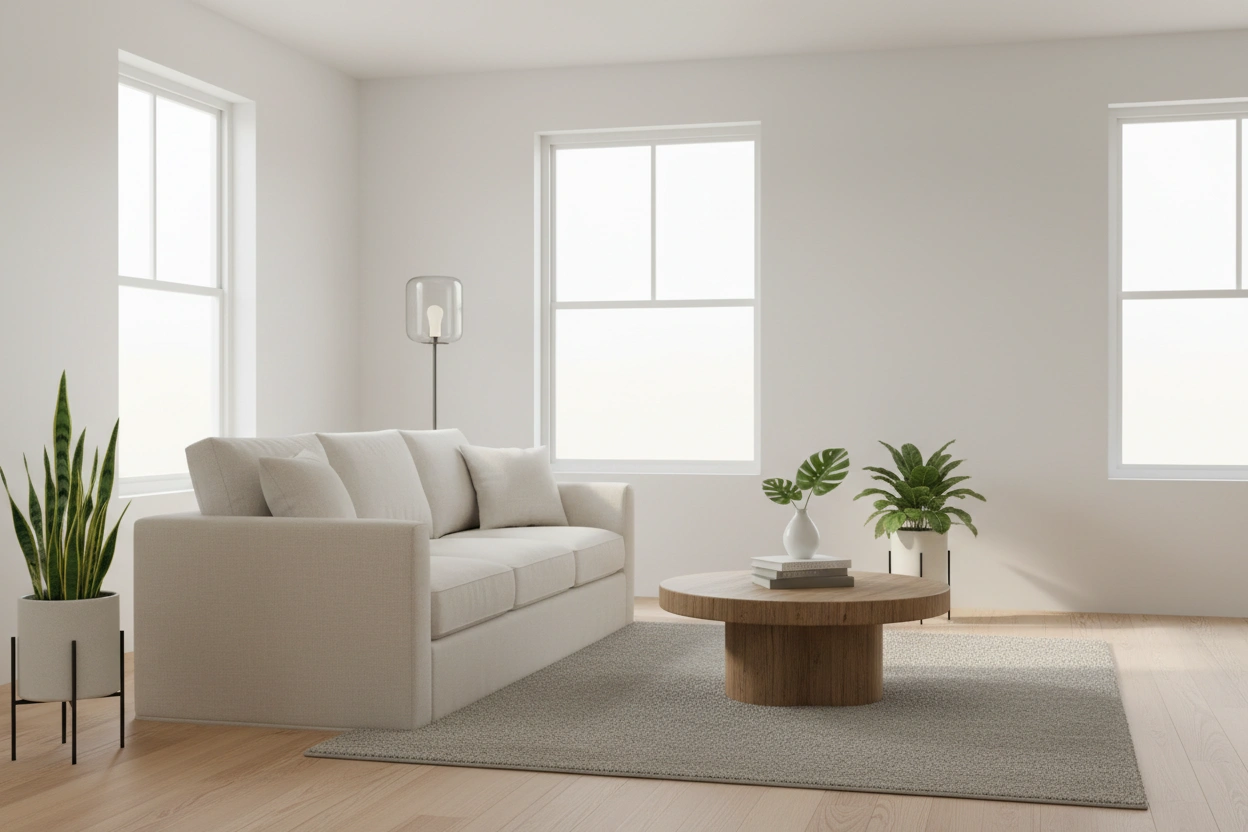
- Choose a cohesive color palette: Stick to light, neutral colors for walls and larger furniture pieces to create a sense of continuity.
- Incorporate mirrors: Mirrors can reflect light and create the illusion of depth, making a small space feel bigger.
- Limit decorative items: While personalization is important, excessive decor can lead to visual clutter. Opt for a few statement pieces instead.
5. Create Outdoor Living Spaces
Outdoor spaces can effectively extend your living area, providing additional room for relaxation and activities. Consider the following:
- Decks and patios: A well-designed outdoor space can serve as an extension of your tiny home, perfect for dining or entertaining.
- Vertical gardens: Utilize wall space for planters to add greenery without taking up valuable ground space.
- Outdoor furniture: Lightweight, foldable outdoor furniture can provide seating without the need for permanent structures.
Common Misconceptions About Tiny House Living
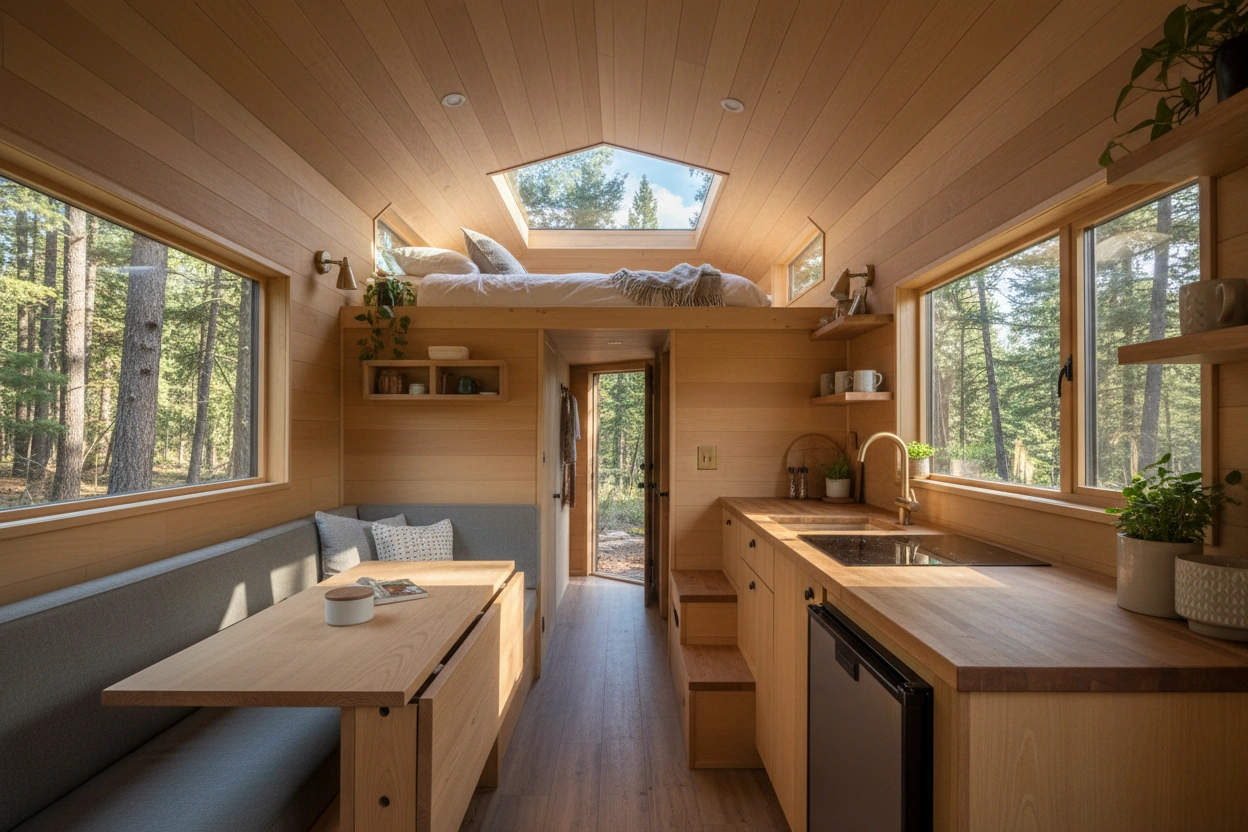
As the tiny house movement continues to grow, several misconceptions persist that can deter potential homeowners. Addressing these misconceptions is essential for a realistic understanding of tiny house living.
Misconception 1: Tiny Houses Are Uncomfortable
Many people believe that tiny houses sacrifice comfort for size. However, thoughtful design and planning can create cozy, inviting spaces that prioritize comfort. By incorporating high-quality materials, adequate insulation, and efficient layouts, tiny homes can be just as comfortable as traditional homes.
Misconception 2: Living in a Tiny House Means Sacrificing Privacy
While tiny houses are smaller, it is possible to design them to include private spaces. Consider layouts that allow for separate sleeping and living areas or use partitions to create privacy where needed. Additionally, outdoor spaces can offer a sense of separation from neighbors.
Misconception 3: Tiny Houses Are Only for Minimalists
While minimalism is a significant part of the tiny house lifestyle, it is not the only reason to choose a tiny home. Many individuals are drawn to tiny living for financial freedom, environmental sustainability, or the ability to travel. Tiny homes can accommodate various lifestyles, from families to remote workers.
The Future of Tiny House Living
The trend of tiny house living is expected to continue growing as more individuals prioritize sustainability and affordability. As urban spaces become more crowded and housing prices rise, tiny houses offer a practical solution. Future innovations in design and construction methods may further enhance the viability of tiny homes, making them an increasingly appealing option.
Trends to Watch
Smart Home Technology: The integration of technology will likely become more prevalent in tiny houses, with smart appliances and home automation systems that enhance convenience and efficiency.
Sustainable Building Practices: As environmental awareness grows, more builders will likely adopt sustainable practices, utilizing recycled materials and energy-efficient designs.
Community Living: Tiny house communities are emerging, providing opportunities for social interaction and shared resources. This trend may continue to flourish as people seek connection in smaller living spaces.
The Path to Choosing the Right Tiny House Design
Selecting the right tiny house design involves careful consideration of your lifestyle, preferences, and functional needs. By prioritizing efficient layouts, maximizing space, and embracing sustainable materials, you can create a tiny home that aligns with your vision of comfortable living.
Consider visiting resources such as TinyHouse.com to explore various plans, gather inspiration, and gain insights into the tiny house movement. The website offers a wealth of information that can guide your decision-making process, helping you to choose a design that meets your needs while embracing the principles of small space living.
Final Thoughts on Tiny House Design
Choosing the right tiny house plans is a significant step toward creating a comfortable and efficient living environment. By understanding the principles of tiny house design and implementing smart strategies for maximizing space, you can craft a home that reflects your values and lifestyle.
If you are ready to embark on your tiny house journey, visit TinyHouse.com for a wide range of resources and plans tailored to your unique needs. Whether you are looking for inspiration, detailed blueprints, or advice on tiny living, TinyHouse.com is your go-to source for all things tiny house.


.svg)