
Affordable Tiny House Design Solutions for Budget Builders

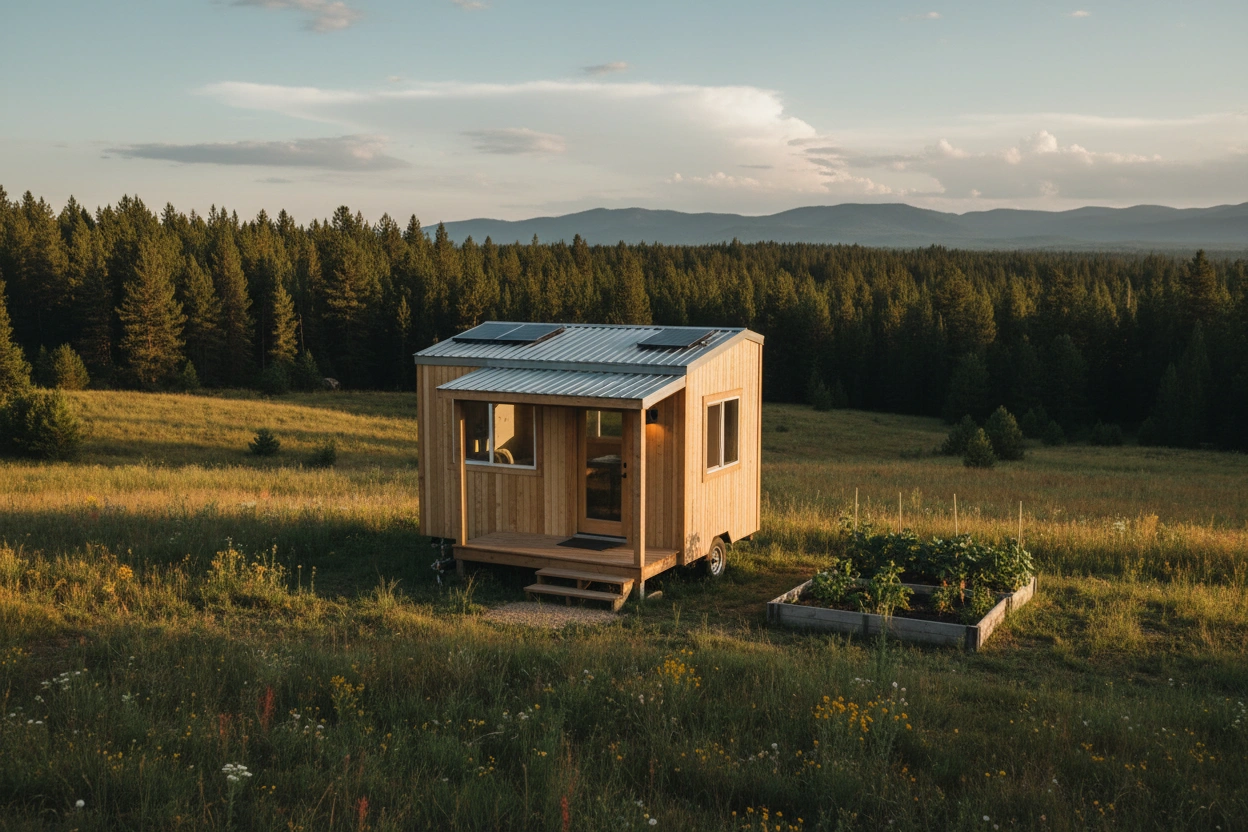
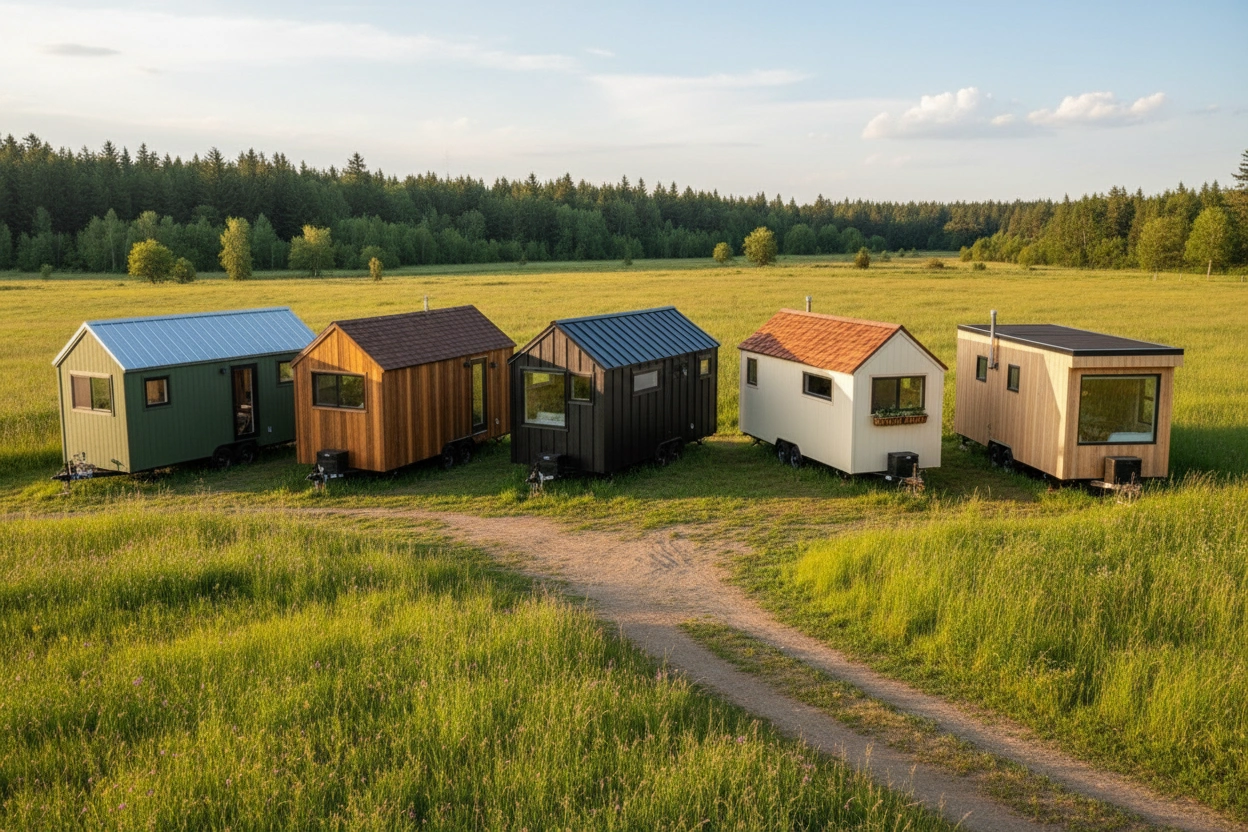
The growing trend of tiny house living has captured the imagination of many, particularly those seeking affordability, sustainability, and a minimalist lifestyle. Tiny house design allows individuals and families to downsize their living spaces without sacrificing comfort or functionality. As of 2026, tiny homes are not just a fad; they represent a viable solution for those looking to reduce living expenses while embracing a simpler way of life. This article delves into affordable tiny house design solutions that cater to budget builders and offers insights on how to maximize space in tiny house interiors.
Understanding Tiny House Design Principles

Tiny house design is centered around the efficient use of space, combining aesthetics with practicality. The primary goal is to create a functional living environment within a limited footprint. Key principles include minimalism, multi-functionality, and careful planning.
Minimalism in Tiny House Design
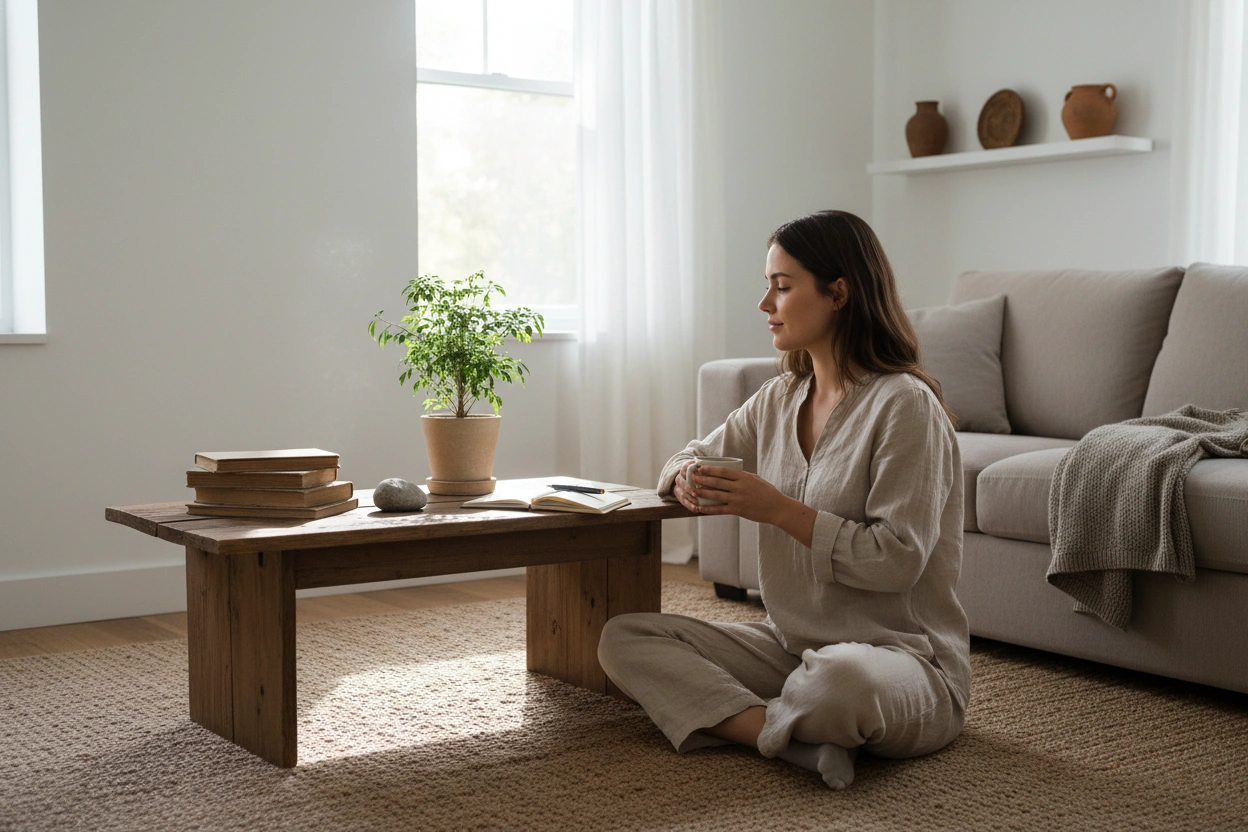
Minimalism is the cornerstone of tiny house living. By focusing on what is essential, homeowners can eliminate clutter and create a serene living environment. This approach not only saves space but also reduces costs associated with furnishing and maintaining a larger home. maximize space in tiny house interiors.
- Decluttering: Begin by assessing your belongings and keeping only what you truly need. This step is vital in a tiny home, where every item should serve a purpose.
- Simple Aesthetics: Use neutral color palettes and simple designs to create a sense of openness. Light colors can make a space feel larger and more inviting.
Multi-Functionality: The Key to Efficiency
In tiny house design, every square foot matters. Incorporating multi-functional furniture is an effective way to maximize limited space.
- Convertible Furniture: Consider items like sofa beds, foldable tables, and storage ottomans. These pieces serve dual purposes, allowing you to transform your space for different activities.
- Built-In Storage: Use vertical space for storage solutions. Shelving units, under-bed storage, and wall-mounted cabinets can help keep the floor area free from clutter.
Creative Tiny House Layout Ideas
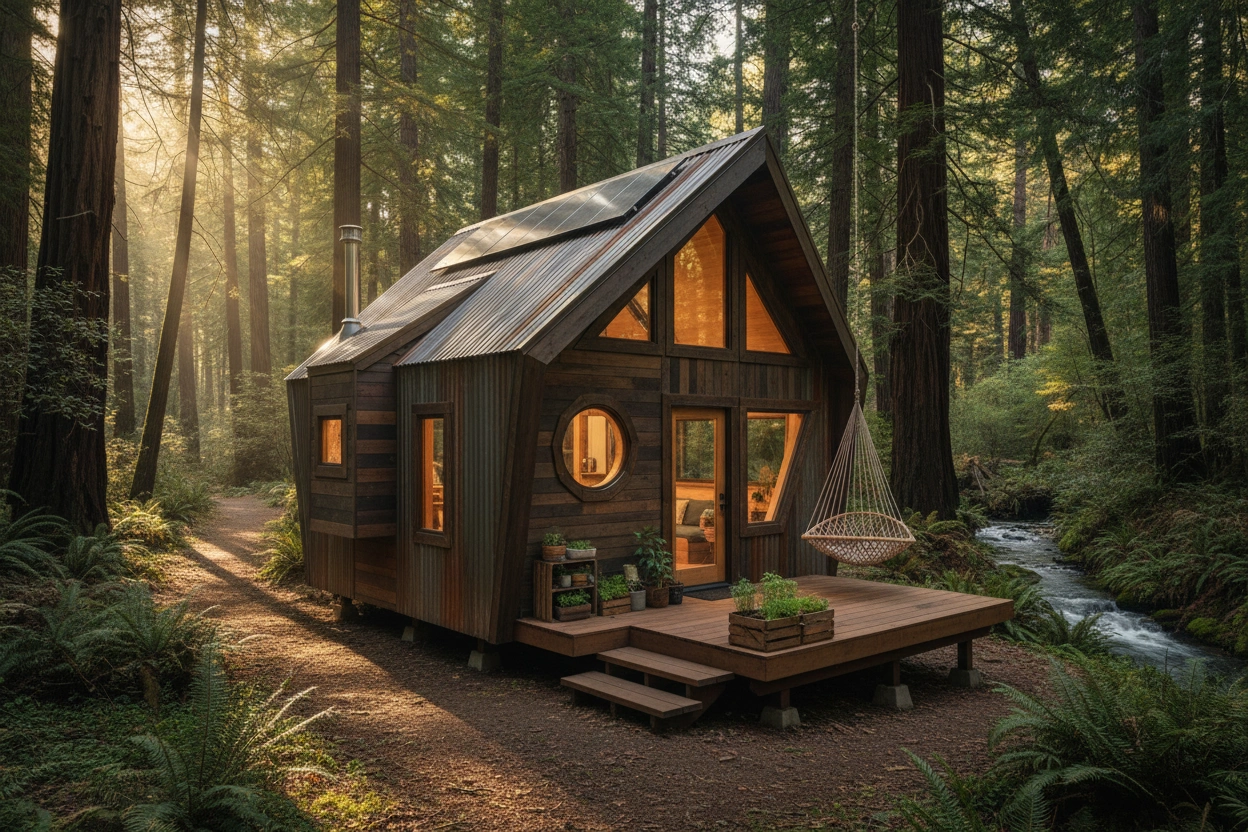
Designing a tiny house requires innovative thinking. Here are several layout ideas that can help you maximize space while adhering to your budget.
Open-Concept Living Areas
An open-concept design eliminates unnecessary walls, creating a fluid space that feels more expansive. This layout encourages natural light to flow throughout the home, enhancing the overall ambiance.
- Combined Living and Kitchen Areas: By merging these two spaces, you can create a communal area that is perfect for entertaining and daily activities.
- Strategic Furniture Placement: Positioning furniture to define areas without physical barriers can help maintain an open feel while providing functional zones.
Lofted Sleeping Areas
Utilizing vertical space is essential in tiny house design. Lofted sleeping areas are a popular solution that can free up valuable floor space.
- Accessing the Loft: Consider a compact staircase or a ladder that can be easily stowed away when not in use. This maximizes floor area while providing access to the loft.
- Under-Loft Storage: The area beneath the loft can be transformed into a cozy living space, workspace, or additional storage, further enhancing utility.
Essential Tips for Budget Builders
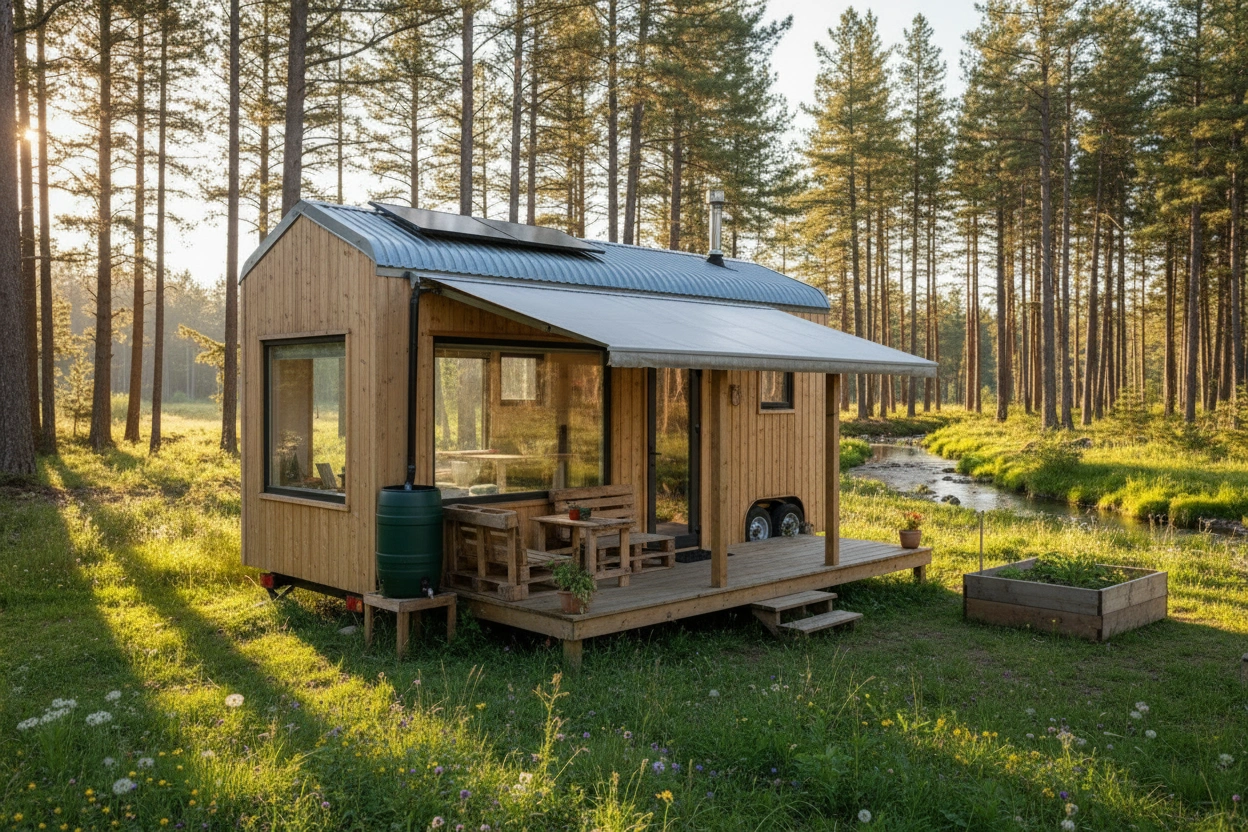
Budgeting is a critical aspect of any building project, especially when constructing a tiny house. Here are some practical tips to keep costs low while ensuring a quality build.
Research and Plan Thoroughly
Effective planning lays the foundation for a successful tiny house project. Research local building codes and regulations to avoid unexpected costs later on.
- Set a Realistic Budget: Include all potential expenses, such as materials, labor, permits, and utilities.
- Create a Timeline: Establish a construction schedule to keep the project on track and minimize additional costs.
Source Affordable Materials
Choosing the right materials can significantly impact your budget. Consider the following options:
- Reclaimed Materials: Salvaged wood, windows, and doors can add character to your tiny home while being cost-effective.
- DIY Projects: Engage in do-it-yourself tasks for elements such as painting, landscaping, or even furniture crafting. This not only saves money but also personalizes your space.
Utilize Energy-Efficient Solutions
Incorporating energy-efficient solutions can reduce long-term costs and enhance sustainability.
- Solar Panels: Investing in solar energy can lower your utility bills and reduce your carbon footprint. Research local incentives for renewable energy installations.
- Energy-Efficient Appliances: Opt for compact, energy-efficient appliances to save space and reduce energy consumption.
Maximizing Space in Tiny House Interiors
Living in a tiny house requires strategic thinking regarding how to utilize space efficiently. Here are some innovative ideas to help you maximize your tiny home's interior.
Vertical Storage Solutions
Taking advantage of vertical space is a key strategy in tiny house design. Here are some effective methods:
- Tall Cabinets and Shelves: Install cabinets that reach the ceiling to maximize storage without consuming floor space.
- Wall-Mounted Hooks and Racks: Use hooks for hanging items like bicycles, coats, or kitchen utensils to keep the floor clear.
Multi-Purpose Rooms
Creating multi-purpose rooms can significantly enhance the functionality of your tiny home. Consider the following ideas:
- Home Office/Guest Room: Incorporate a fold-out desk and a Murphy bed to create a versatile space that serves both as an office and a guest room.
- Laundry and Utility Areas: Combine laundry facilities with storage or a small workspace to make the most of limited space.
Natural Light and Color
Using light and color effectively can create an illusion of space. Here’s how to implement these elements:
- Large Windows: Install larger windows or glass doors to invite natural light, making the interior feel more spacious.
- Light Color Schemes: Choose light hues for walls and furniture to enhance brightness and create a more open atmosphere.
Common Mistakes to Avoid in Tiny House Design
When embarking on a tiny house project, it is essential to avoid common pitfalls that can lead to frustration and added expenses.
Overlooking Storage Needs
One of the most frequent mistakes is underestimating storage requirements. Failing to plan for adequate storage can lead to clutter and discomfort.
- Plan Ahead: Assess your belongings and incorporate storage solutions from the beginning to ensure everything has a designated space.
Ignoring Local Regulations
Building codes and zoning laws can vary significantly by location. Neglecting to research these regulations can result in costly changes or fines.
- Consult Local Authorities: Before starting your project, ensure you understand the necessary permits and requirements to avoid complications down the line.
Skimping on Quality
While budget constraints are important, compromising too much on quality can lead to problems later.
- Invest in Key Areas: Prioritize spending on critical components such as insulation, roofing, and plumbing to ensure durability and efficiency.
The Future of Tiny House Design
As the tiny house movement continues to gain traction, innovative design solutions are emerging. The future of tiny house design will likely focus on sustainability, technology integration, and community living.
Sustainable Practices
Future designs will increasingly incorporate eco-friendly materials and building practices. This shift will not only appeal to environmentally conscious builders but also contribute to a more sustainable lifestyle.
- Green Roofs: Incorporating vegetation on roofs can enhance insulation and promote biodiversity.
- Water Harvesting Systems: Systems that collect rainwater for irrigation or household use can significantly reduce water consumption.
Smart Home Technology
The integration of smart technology into tiny homes can enhance convenience and efficiency. Features such as smart thermostats, automated lighting, and security systems will likely become standard in future designs.
- Energy Monitoring: Smart energy systems can help homeowners track usage and optimize energy consumption, leading to cost savings and efficiency.
Affordable Tiny House Design Solutions with TinyHouse.com
The journey of building or buying a tiny home involves careful planning and informed decision-making. Understanding the principles of tiny house design is essential for creating an affordable and functional living space. As readers have learned, maximizing space through innovative layouts, multi-functional furniture, and smart storage solutions can significantly enhance the tiny house experience.
TinyHouse.com offers valuable resources and guidance for those interested in tiny house design. Whether you are looking for inspiration, materials, or expert advice, TinyHouse.com can assist you in bringing your vision to life.
To explore more about affordable tiny house design solutions and to start your journey towards a simpler, more fulfilling lifestyle, visit TinyHouse.com.


.svg)
.jpg)