
How to Clean a Wool Rug at Home Without Damaging It

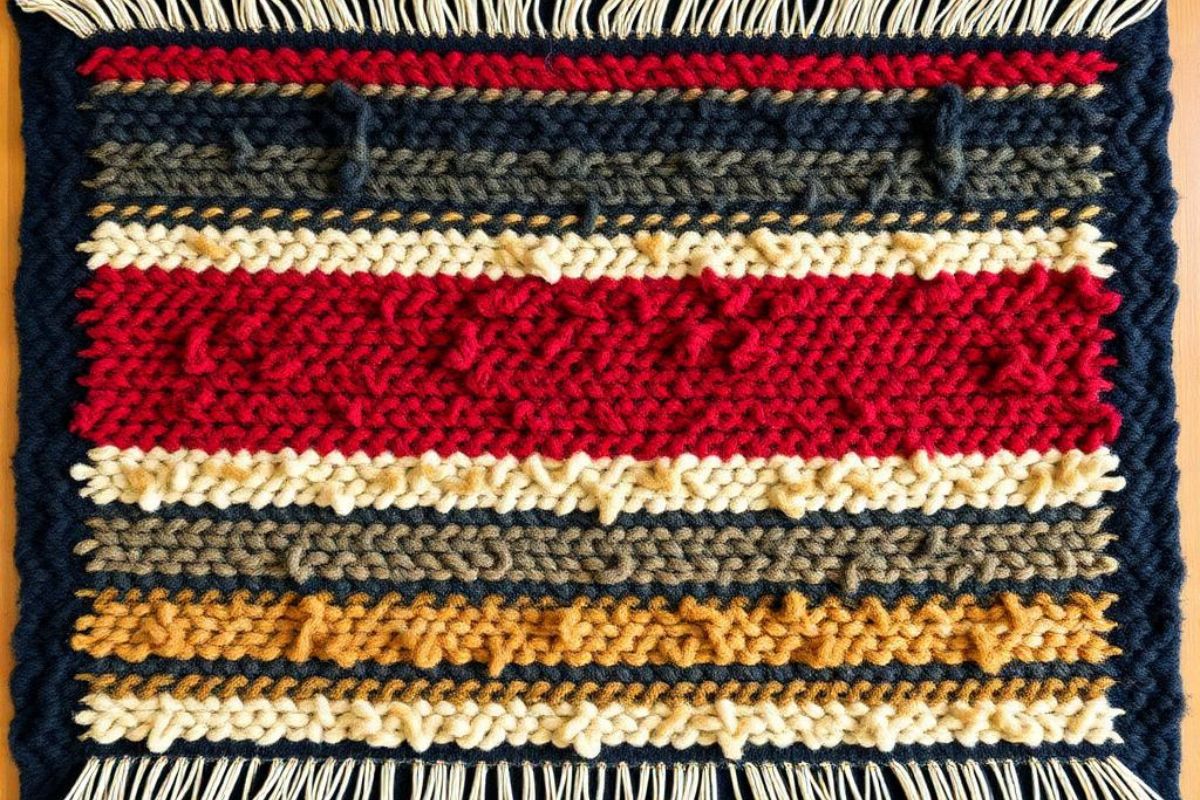
To clean your wool rug at home without damage, first shake it outdoors and gently vacuum both sides using a brushless suction head. Spot-treat stains right away by blotting with a clean cloth—never rub—and use a mild wool-safe detergent mixed with cool water. Avoid soaking the rug or using hot water. Lay the rug flat to air dry, keeping it away from direct sunlight. There are effective ways to keep your rug looking fresh and lasting longer.
- Vacuum the rug gently using a brushless suction head, avoiding beater bars to protect delicate wool fibers.
- Spot clean spills immediately by blotting with a clean, dry cloth and using only mild wool-safe detergent.
- Shake the rug outside and use a soft-bristled brush to remove loose dirt, following the direction of the pile.
- Lay the rug flat to dry on a clean surface, ensuring it dries completely away from direct sunlight.
- Rotate the rug regularly and keep it out of direct sunlight to prevent uneven wear and fading.
Understanding the Unique Needs of Wool Rugs
Because wool rugs are made from natural fibers, they require special care to maintain their quality and appearance. You need to understand that wool is more delicate than synthetic materials and can be damaged by harsh cleaning agents, excessive moisture, or aggressive scrubbing. Always avoid hot water, as it can cause fibers to shrink or felt. Instead, use cool or lukewarm water for any spot cleaning. Don’t rub stains—instead, blot gently to prevent fiber distortion. You should also keep your rug out of direct sunlight to avoid fading and rotate it regularly to guarantee even wear. Finally, remember that wool naturally repels dirt, so frequent, gentle vacuuming is more effective than deep cleaning. Treat your wool rug with care for lasting beauty.
Gathering the Right Cleaning Supplies
Before you begin cleaning your wool rug, gather a few essential supplies to make the process smooth and effective. You'll need a vacuum cleaner with a brushless suction head, a soft-bristled brush, a bucket, clean white cloths or sponges, and mild liquid wool detergent. Choose a gentle detergent specifically labeled safe for wool; regular soaps or harsh chemicals can damage fibers. Have a spray bottle for spot cleaning and clean, cold water for rinsing. To help dry the rug, keep a stack of absorbent towels nearby. Avoid colored cloths, as dyes could transfer. If you have one, a rug beater can help loosen surface dirt before washing. With these supplies ready, you'll be well-equipped to clean your wool rug properly.
Removing Loose Dirt and Debris
Start by removing as much loose dirt and debris from your wool rug as possible. Take the rug outside and give it a good shake to dislodge dust and small particles. Lay it flat and use a vacuum cleaner with a gentle suction setting—avoid using a beater bar, as it can damage wool fibers. Vacuum both sides of the rug to guarantee you lift out embedded dirt. For stubborn debris, use a soft-bristled brush and gently sweep in the direction of the pile. Pay close attention to corners and edges where dust tends to accumulate. Don’t forget to vacuum the floor beneath the rug before placing it back. Regularly removing surface dirt helps keep your wool rug fresh and prevents premature wear.
Spot Treating Stains Safely
If you notice a spill or stain on your wool rug, address it right away to prevent it from setting. First, blot the area gently with a clean, dry cloth—never rub, as this can drive the stain deeper into the fibers. Always work from the outside of the stain toward the center to avoid spreading it. For liquid spills, continue blotting until you’ve absorbed as much as possible. For solids, carefully lift away debris with a spoon or dull knife. Don’t use hot water or harsh chemicals, as these can damage wool. Instead, stick to blotting and removal techniques until you’re ready to use a proper cleaning solution. Quick action minimizes damage, keeps stains from becoming permanent, and helps maintain your rug’s appearance.
Preparing a Gentle Cleaning Solution
Since wool is delicate, you’ll want to use a cleaning solution that’s both mild and effective. Start by filling a bucket or basin with cool water—hot water can cause wool fibers to shrink or felt. Add a small amount of gentle liquid dish soap or a wool-specific detergent. Use about one teaspoon of soap for each gallon of water; too much soap can leave residue behind. Mix the solution gently to avoid creating excessive suds, which are harder to rinse out.
Before applying the solution to your rug, test it on a small, inconspicuous corner to check for any color bleeding or fiber damage. If the color holds and the fibers look fine, proceed confidently. Always avoid using bleach, ammonia, or harsh cleaners, as they’ll harm wool.
Handwashing Techniques for Wool Rugs
Although wool rugs require a gentle approach, you can still clean them effectively by working section by section. Dip a soft sponge or microfiber cloth into your prepared cleaning solution, then wring it out so it’s damp, not soaking. Gently blot each section of the rug—don’t rub, as this can damage the fibers. Use light pressure and short, overlapping motions. For stubborn spots, press the sponge onto the area for a few seconds, then lift away. Move in the direction of the rug’s pile to maintain its texture. Frequently rinse your sponge in clean water and refresh your cleaning solution if it gets dirty. Continue this process, making sure you don’t overwet any part of the rug as you go.
Rinsing and Removing Excess Moisture
Once you've finished cleaning each section, it’s important to remove any leftover soap and moisture to prevent residue and mildew. Start by dipping a clean sponge or cloth in cool, clean water, then blot each area you washed. Work in small sections, making sure you don't oversaturate the rug. Change the water often to avoid spreading soap around.
.jpg)
After rinsing, press a clean, dry towel firmly over the damp areas to absorb excess water. Don’t rub, as this can push moisture deeper into the fibers. Repeat with fresh towels until you’ve removed as much moisture as possible. For larger rugs, you can carefully roll the rug with dry towels inside to help wick out water. Always work gently to protect the wool fibers.
Drying Your Wool Rug Properly
Proper drying is essential to keep your wool rug in good condition and prevent mold or odors. Start by laying your rug flat on a clean, dry surface. Avoid hanging it, as this can stretch the fibers. Open windows or use fans to improve air circulation in the room. If the weather is nice, you can dry your rug outdoors in a shaded area, but never place it in direct sunlight, which can cause fading or shrinkage. Flip the rug occasionally to guarantee both sides dry evenly. Check the underside for any lingering moisture. If needed, use a towel to blot damp spots. Don’t roll up or put furniture on the rug until it’s completely dry to avoid trapping moisture.
Brushing and Fluffing the Fibers
A soft-bristled brush is your best tool for reviving the texture of your wool rug after cleaning. Wait until the rug is fully dry, then gently brush in the direction of the fibers. This step lifts any flattened pile and helps restore the rug’s natural loft. Use short, light strokes to avoid pulling or stretching the wool. Don’t apply too much pressure; let the brush do the work. If you notice stubborn matted areas, gently tease them apart with your fingers before brushing. For high-pile rugs, you can also shake the rug lightly to loosen the fibers before brushing. Brushing regularly after each cleaning session keeps your rug looking fresh and helps maintain the softness and resilience of the wool.
Preventing Future Damage and Stains
Keeping your wool rug clean doesn’t end after brushing and fluffing the fibers. To prevent future damage and stains, act quickly when spills happen—blot, don’t rub, with a clean cloth. Place doormats at entrances to catch dirt before it reaches your rug, and ask guests to remove their shoes. Rotate your rug every few months to guarantee even wear and fading. Keep your rug out of direct sunlight to prevent colors from fading. Use a rug pad underneath to reduce friction and cushion fibers. Avoid harsh chemicals or cleaners not designed for wool. If you have pets, trim their nails and clean their paws often. By following these straightforward steps, you’ll preserve your wool rug’s beauty and prolong its life.
Conclusion
By following these steps, you’ll keep your wool rug looking beautiful without risking damage. Remember to use gentle products, blot—not rub—stains, and dry your rug thoroughly. Regular vacuuming and prompt spot cleaning will prevent dirt and stains from setting in. Fluff the fibers after cleaning to restore softness and appearance. With a little care and attention, you can maintain your wool rug’s quality and enjoy its warmth and style for years to come.


.svg)



.jpg)