How to Create a Cozy Tiny House Interior for Small Space Living

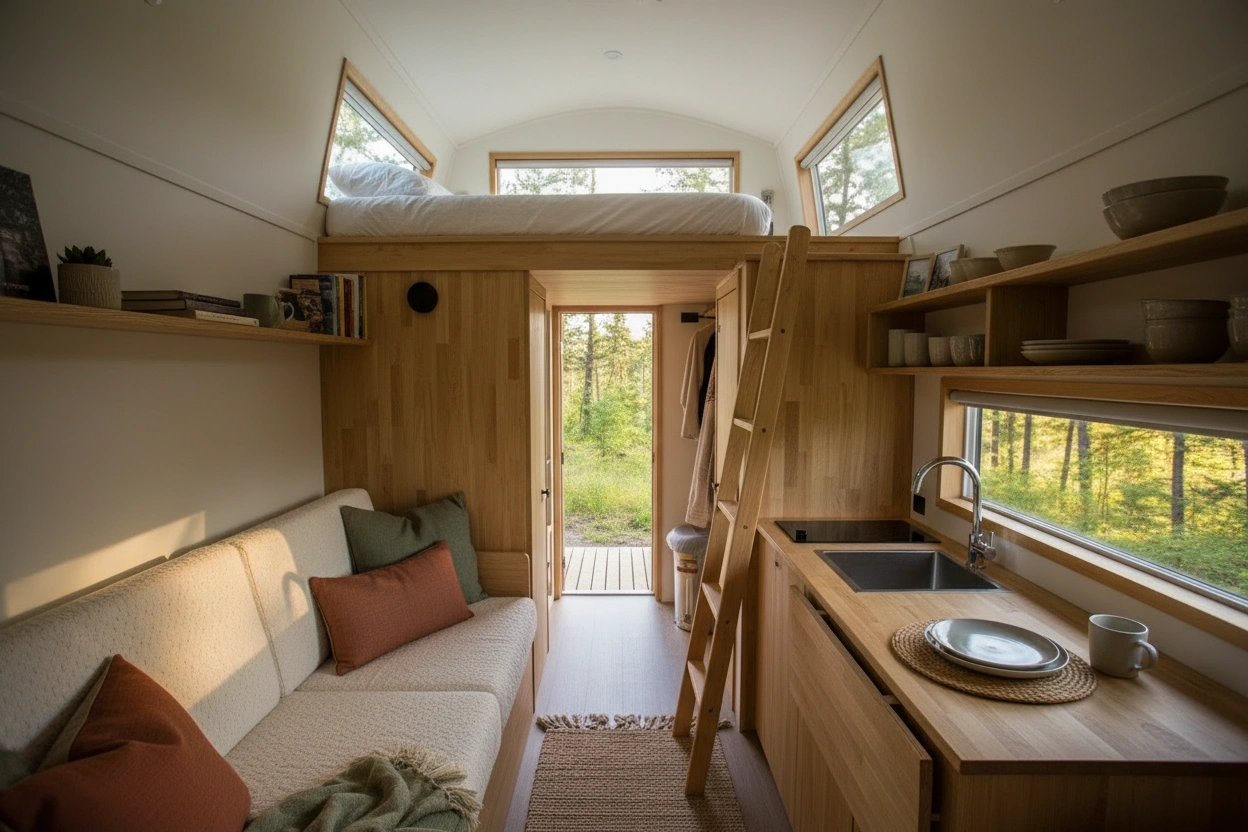
The tiny house movement has gained significant traction in recent years, with many individuals and couples seeking to downsize and simplify their lives. A well-designed tiny house offers not just functionality but also a warm and inviting atmosphere. Creating a cozy interior in a compact space requires thoughtful planning, innovative design, and an understanding of minimalist home design principles. This article will guide you through the essentials of tiny house design, focusing on how to make the most of your limited space while ensuring comfort and style.
Understanding Tiny House Design
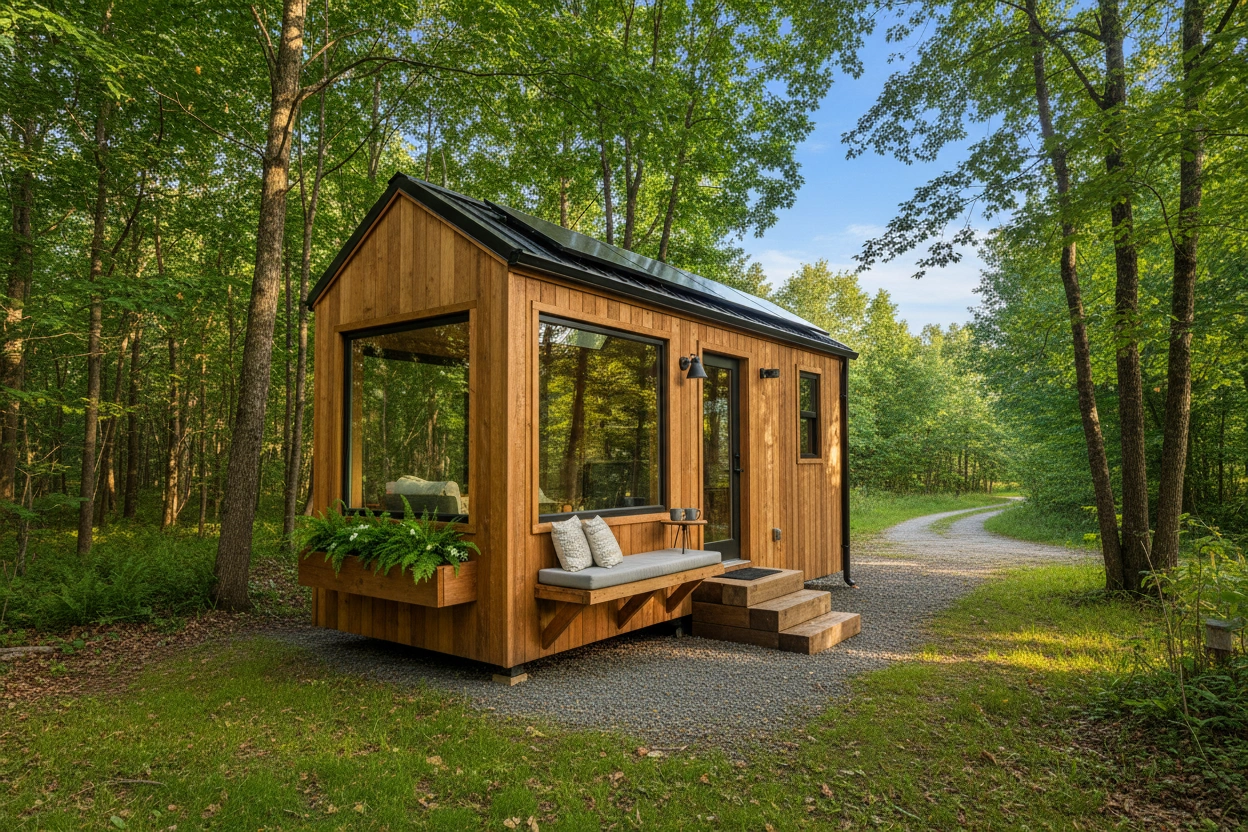
Defining Tiny House Design
Tiny house design is more than just fitting a home into a small footprint. It encompasses a philosophy that prioritizes simplicity, sustainability, and efficiency. This design approach encourages homeowners to make intentional choices about their living spaces, often incorporating multifunctional furniture, smart storage solutions, and an open layout to maximize usability.
- Simplicity: At its core, tiny house design is about reducing clutter and unnecessary items. A minimalist approach helps create a serene environment, allowing inhabitants to focus on what truly matters.
- Sustainability: Many tiny homes are built with eco-friendly materials and energy-efficient systems. This not only reduces environmental impact but can also lower utility costs, making tiny living more affordable.
- Efficiency: Every square inch counts in a tiny house. Smart designs often include built-in furniture, lofted sleeping areas, and creative storage solutions to ensure that the space is utilized effectively.
Key Principles of Cozy Tiny House Interiors
Creating a cozy atmosphere in a tiny house involves several key principles that can transform a compact space into a warm and inviting home. These principles include color choice, lighting, and the use of textiles.
Color Palette: Light colors can help a small space feel larger and more open. Soft whites, light greys, and pastel hues can create a calming effect, while pops of color can add character without overwhelming the space.
Lighting Design: Natural light is crucial in tiny house design. Incorporate large windows or skylights to allow sunlight to flood the space. Additionally, layered lighting—combining ambient, task, and accent lighting—can create warmth and depth.
Textiles and Textures: Cozy textiles such as throws, cushions, and rugs can soften the hard surfaces often found in tiny homes. Using different materials and textures adds visual interest and comfort.
Top 10 Tiny House Plans to Inspire Your Next Project

When planning your tiny house design, it can be helpful to look at various plans that have successfully maximized space while providing comfort. Here are ten inspiring tiny house plans that embody excellent design principles:
The Tiny A-Frame: This plan features a steeply pitched roof that allows for a lofted sleeping area and ample natural light. The open layout promotes a sense of spaciousness.
The Modern Box: A minimalist rectangular design with large windows and a simple interior layout. This plan emphasizes functionality and clean lines, making it easy to maintain.
The Rustic Cabin: Incorporating natural wood finishes and a cozy fireplace, this design creates a warm atmosphere perfect for those who enjoy a traditional cabin feel.
The Lofted Tiny House: This plan utilizes vertical space with a lofted sleeping area, leaving the main floor open for living and dining. Clever storage solutions can be integrated into the stairs leading to the loft.
The Mobile Tiny Home: Designed for those who want to travel, this plan features wheels for mobility while maintaining a cozy interior with all essential amenities.
The Eco-Friendly Tiny House: Built with sustainable materials, this design focuses on energy efficiency, featuring solar panels, composting toilets, and rainwater harvesting systems.
The Urban Tiny Loft: Perfect for city living, this design incorporates a modern aesthetic with space-saving furniture and a compact kitchen, ideal for small urban lots.
The Cottage Style Tiny House: A charming design with a front porch and cozy interiors, this plan emphasizes comfort and a connection to nature.
The Contemporary Tiny House: Featuring sleek lines and a combination of materials, this design provides a modern look while maximizing space with multifunctional furniture.
The Family-Friendly Tiny House: Designed for small families, this plan includes additional sleeping areas and flexible living spaces to accommodate different needs.
Designing for Comfort and Functionality
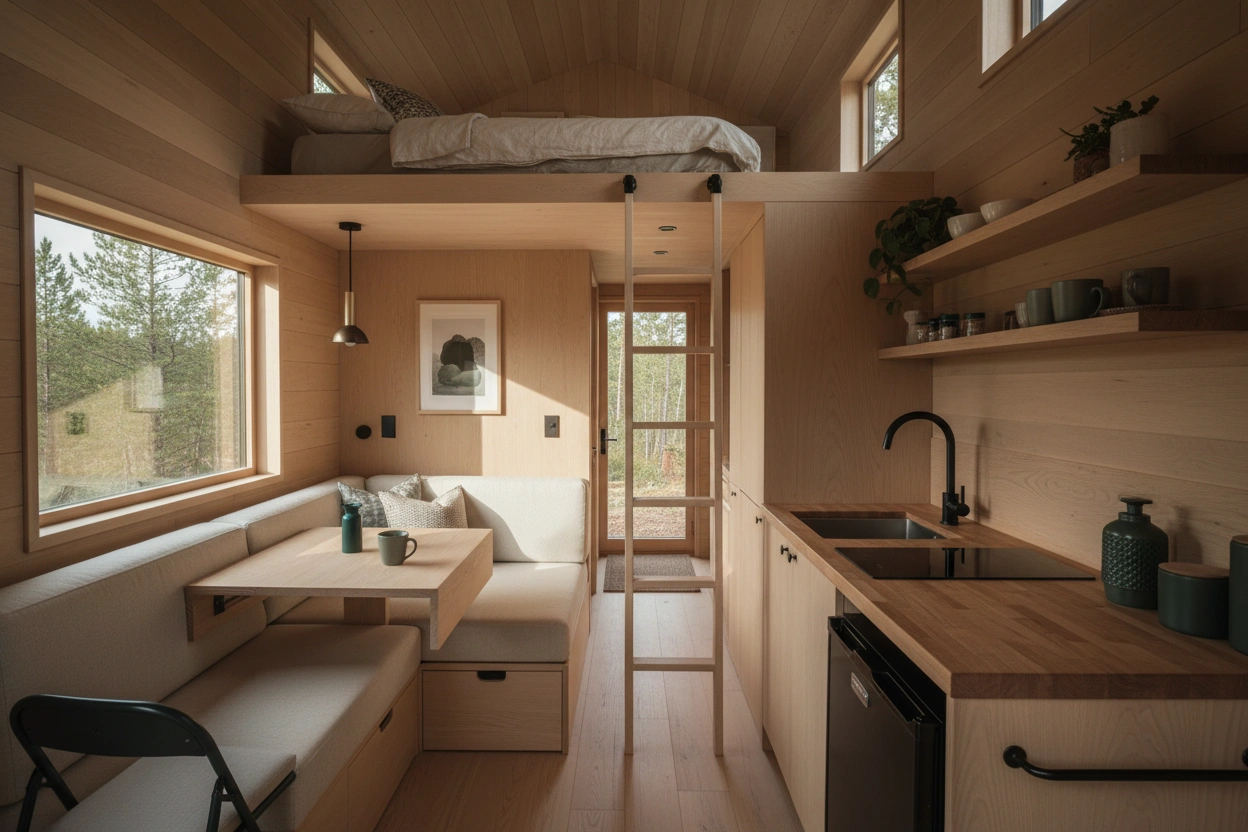
Choosing the Right Furniture
In tiny house design, selecting the right furniture is crucial for maximizing comfort and functionality. Look for pieces that serve multiple purposes to save space.
- Convertible Sofas: These can transform from a sofa to a bed, providing seating during the day and sleeping space at night.
- Foldable Tables and Chairs: Easily stowable furniture can create more space when not in use, allowing the living area to feel less cramped.
- Built-in Storage Solutions: Furniture that incorporates storage, such as ottomans with hidden compartments or beds with drawers underneath, can help keep the space organized.
Incorporating Smart Storage Solutions
Storage is often a challenge in tiny homes, but innovative solutions can help keep your living space tidy and functional. Consider these ideas:
- Vertical Storage: Use wall-mounted shelves and hooks to take advantage of vertical space. This not only provides storage but also adds visual interest to the walls.
- Under-Stair Storage: If your tiny house includes stairs, utilize the space underneath for storage. This area can be perfect for bins, shoes, or even a small desk.
- Multi-Use Spaces: Create areas that can serve more than one purpose, such as a dining table that can also function as a workspace.
Common Mistakes in Tiny House Design
Overlooking Functionality
One of the most common mistakes in tiny house design is prioritizing aesthetics over functionality. While it's important to create a visually appealing space, practical considerations should always come first. Ensure that all furniture and layout choices enhance usability rather than hinder it.
Ignoring Personal Needs
Every individual or family has unique needs that should be reflected in the tiny house design. Failing to consider how you will use the space can lead to frustration. For instance, if you enjoy cooking, prioritize a well-designed kitchen layout with essential appliances and adequate counter space.
Underestimating Storage Needs
In small spaces, it's easy to underestimate how much storage you will need. Plan for more storage than you initially think you will require. Incorporate solutions that can adapt as your needs change.
Creating a Cozy Atmosphere
Utilizing Natural Elements
Incorporating natural elements into your tiny house design can create a soothing and inviting atmosphere. Consider using materials such as wood, stone, and plants to bring the outside in.
- Wood Accents: Wood finishes can add warmth and texture to your home. Consider exposed beams, wooden shelves, or a reclaimed wood accent wall.
- Indoor Plants: Adding greenery can improve air quality and create a calming environment. Choose low-maintenance plants that thrive in indoor conditions.
Personal Touches
Adding personal elements to your tiny house can make it feel like home. Displaying artwork, photographs, or cherished items can give your space character and warmth. Consider creating a gallery wall or using shelves to showcase your favorite pieces.
The Role of Technology in Tiny House Design
Smart Home Features
Integrating smart technology can enhance the functionality and comfort of your tiny house. Consider the following:
- Smart Lighting: Use smart bulbs that can be controlled via an app to adjust brightness and color temperature, creating the perfect ambiance for any occasion.
- Thermostats: Smart thermostats can help manage energy usage, keeping your home comfortable while saving on utility bills.
- Home Automation: Consider automating tasks such as security, lighting, and even appliances for added convenience.
Energy Efficiency
Incorporating energy-efficient appliances and systems is a fundamental aspect of tiny house design. Opt for Energy Star-rated appliances, and consider solar panels or wind turbines to reduce reliance on traditional energy sources. This not only benefits the environment but also helps lower living costs.
The Intersection of Cozy Interiors and Tiny House Design
Creating a cozy tiny house interior requires careful thought and consideration. By understanding the principles of tiny house design, selecting the right furniture, and incorporating personal touches, you can craft a space that is both functional and inviting. Tiny living offers a unique opportunity to simplify life and focus on what truly matters.
For those interested in embarking on their tiny house journey, TinyHouse.com provides a wealth of resources, including detailed plans and expert advice. Whether you are looking to design your own tiny home or buy one, you can find guidance tailored to your needs. Visit TinyHouse.com to find valuable insights, plans, and resources that can help you create the cozy tiny house of your dreams.
Start Your Tiny House Journey with TinyHouse.com
Embrace the simplicity and comfort of tiny house living. Learn how to apply the principles of cozy design to your own space and discover a community of like-minded individuals. Visit TinyHouse.com to find valuable insights, plans, and resources that can help you create the cozy tiny house of your dreams. Contact TinyHouse.com today to start your journey toward a simpler, more fulfilling life.


.svg)