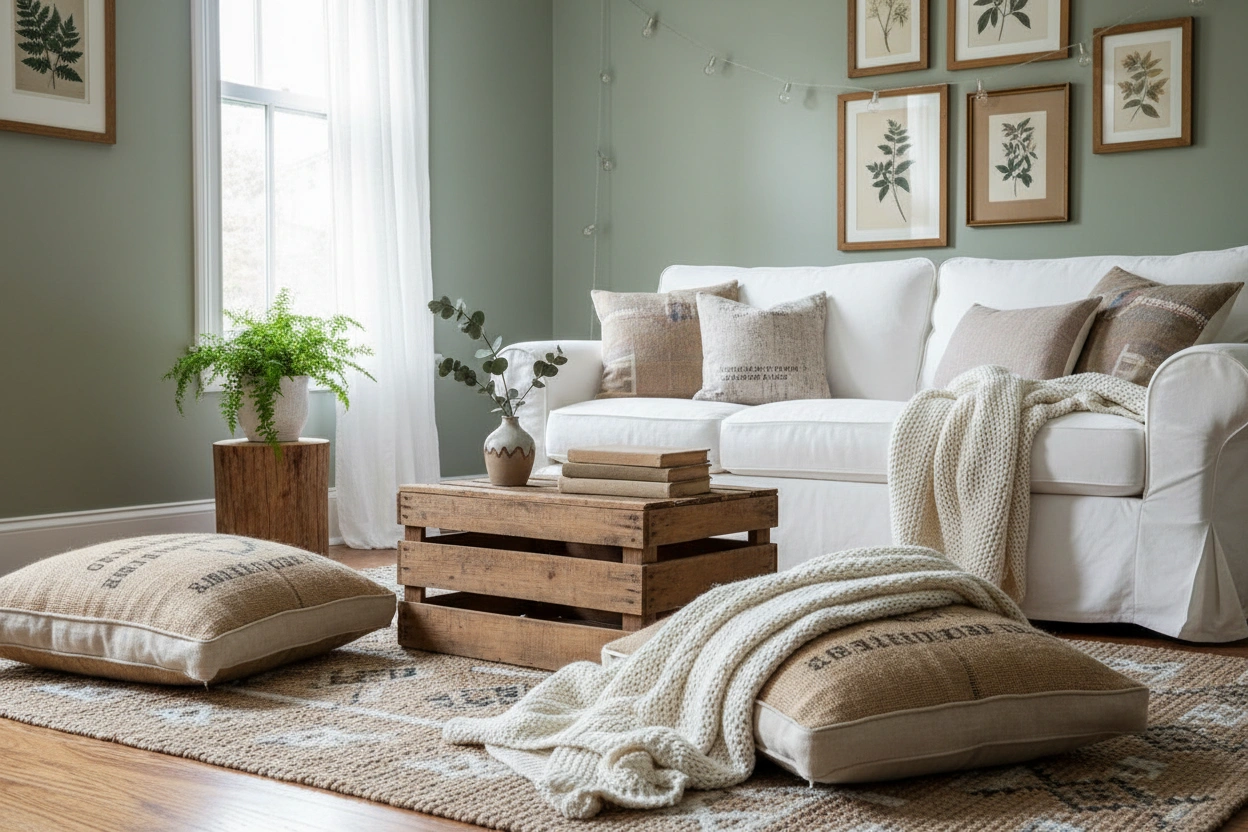
How to Incorporate Simple Living into Family Routines


Simple living is a lifestyle choice that emphasizes minimalism, sustainability, and intentionality in everyday life. For families, adopting simple living principles can lead to a more harmonious home environment, reduced stress, and a greater appreciation for what truly matters. As we navigate the complexities of modern life, incorporating simple living into family routines can transform not just our homes, but also our relationships and overall well-being.
This article will delve into practical strategies for integrating simple living principles into your family life. From decluttering your space to fostering mindful consumption habits, we will provide actionable insights to help you embrace a simpler, more fulfilling lifestyle. Additionally, we will outline the top 10 decluttering tips for creating a simpler home, which is a cornerstone of sustainable living.
Understanding Simple Living

What is Simple Living?
Simple living is about making conscious choices that prioritize quality over quantity. It encourages individuals and families to focus on what they need rather than what they want, allowing for a more peaceful existence. The core of simple living lies in reducing distractions, minimizing material possessions, and emphasizing experiences and relationships over things.
Many people confuse simple living with deprivation or minimalism, but it is much more than just owning fewer items. It encompasses a holistic approach to life that includes being more aware of our consumption habits, practicing sustainability, and fostering a sense of community. Families can benefit from this lifestyle by spending more time together and creating a supportive environment that nurtures personal growth.
Benefits of Simple Living for Families
Adopting simple living principles can yield numerous benefits for families. Some of the key advantages include:
- Improved mental health: A decluttered home can lead to a decluttered mind, reducing stress and anxiety.
- Enhanced relationships: By prioritizing quality time together, family members can strengthen their connections and improve communication.
- Financial savings: Reducing unnecessary purchases can lead to significant savings, allowing families to invest in experiences rather than possessions.
- Greater environmental awareness: Emphasizing sustainability encourages families to make eco-friendly choices, contributing to a healthier planet.
By focusing on these benefits, families can create a solid foundation for a simpler, more fulfilling lifestyle.
Top 10 Decluttering Tips for a Simpler Home
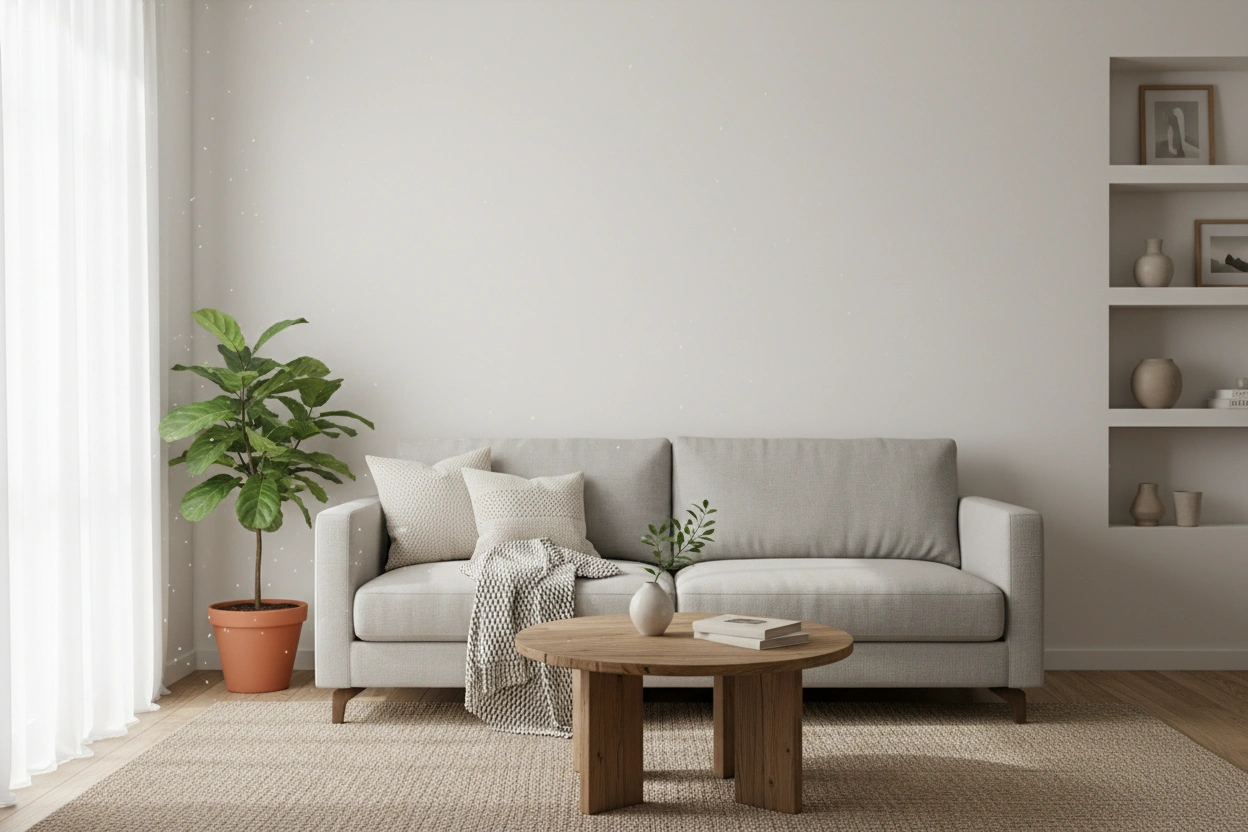
Decluttering is a significant step toward achieving simple living. A clutter-free home not only looks better but also promotes a sense of calm and order. Here are ten effective decluttering tips to help families create a simpler home environment.
1. Set Clear Goals
Before starting the decluttering process, it is essential to establish clear goals. Identify what you want to achieve and how you envision your space. Consider the following questions:
- What areas of your home need the most attention?
- What is your desired level of minimalism?
- How will a decluttered space improve your family’s daily life?
2. Involve the Whole Family
Decluttering should be a family affair. Involve everyone in the process to ensure buy-in and shared responsibility. Assign age-appropriate tasks to children, making it a fun and collaborative effort. This can help instill values of simplicity and organization in younger family members.
3. Start Small
Tackling an entire home at once can be overwhelming. Begin with small areas, such as a single drawer or a closet. Completing smaller tasks can provide a sense of accomplishment and motivate the family to continue decluttering.
4. Use the Four-Box Method
To streamline the decluttering process, use the four-box method. Label four boxes as follows:
- Keep: Items you use and love.
- Donate: Items in good condition that you no longer need.
- Trash: Broken or damaged items that cannot be repaired.
- Relocate: Items that belong in another area of the house.
This method helps families make decisions about each item and reduces the likelihood of second-guessing.
5. Implement the One-In, One-Out Rule
To maintain a decluttered home, adopt the one-in, one-out rule. For every new item brought into the home, an old item should be removed. This practice helps families be more mindful of their consumption and prevents clutter from accumulating.
6. Schedule Regular Decluttering Sessions
Set aside time each month or season for decluttering. Regularly assessing your belongings prevents clutter from building up and keeps the home organized. Make it a family tradition to declutter together, turning it into a fun activity.
7. Create a Donation Schedule
Establish a regular schedule for donating items. Whether it's quarterly or annually, having a set time to donate can motivate the family to keep decluttering. Research local charities or organizations that accept donations to ensure your items find a new home.
8. Limit Sentimental Items
Sentimental items can be particularly challenging to declutter. To manage these items, consider the following strategies:
- Take photos of items you want to remember but don't need to keep.
- Limit the number of sentimental items to a designated box or space.
- Discuss with family members what items hold the most significance and consider sharing them.
9. Embrace Digital Solutions
In today’s digital age, many items can be stored electronically instead of physically. Consider digitizing documents, photographs, and media. This reduces physical clutter while preserving memories and important information.
10. Celebrate Progress
Recognizing and celebrating progress is essential during the decluttering process. Acknowledge your family’s efforts and the positive changes that come with a simpler home. Consider rewarding yourselves with a family outing or a special treat after completing a significant decluttering project.
Common Misconceptions about Simple Living

While simple living offers numerous benefits, misconceptions can hinder families from embracing this lifestyle. Here are a few common myths and the truths behind them.
Misconception 1: Simple Living Means Living with Nothing
Many people believe that simple living requires extreme minimalism or living with very few possessions. However, simple living is about intentionality and quality over quantity. It is possible to have meaningful belongings that enrich your life while still prioritizing simplicity.
Misconception 2: Simple Living is Boring
Another misconception is that living simply leads to a monotonous lifestyle. In reality, simple living encourages families to engage in more meaningful experiences. By reducing distractions, families can focus on activities that foster connection, creativity, and joy.
Misconception 3: Simple Living is Only for Certain People
Some may think that simple living is only for those who can afford to downsize or live in tiny homes. However, anyone can adopt simple living principles regardless of their living situation. It is about making conscious choices that align with your values and priorities.
Practical Tips for Fostering Simple Living in Family Routines
Incorporating simple living into daily family routines requires intentionality and planning. Here are some practical tips to help families embrace this lifestyle.
1. Prioritize Family Meals
Sharing meals together can strengthen family bonds and encourage healthy eating habits. Focus on preparing simple, nutritious meals that everyone can enjoy. Involve children in the cooking process to teach them valuable skills and foster a sense of teamwork.
2. Limit Screen Time
Establish boundaries around screen time for all family members. Encourage alternative activities such as reading, outdoor play, or board games. Reducing screen time can lead to more meaningful interactions and a greater appreciation for real-life experiences.
3. Create a Family Calendar
Use a shared family calendar to keep track of events, activities, and commitments. This helps prevent over-scheduling and allows families to prioritize quality time together. Consider setting aside designated family days or evenings each week.
4. Encourage Mindful Consumption
Teach family members to be mindful of their purchases and consumption habits. Discuss the importance of sustainability and how their choices impact the environment. Encourage shopping second-hand or supporting local businesses to promote ethical consumption.
5. Practice Gratitude
Incorporating gratitude practices into daily routines can enhance the simple living experience. Consider starting a family gratitude jar where members can write down things they are thankful for. Reflecting on gratitude fosters a positive mindset and reinforces the values of simple living.
The Intersection of Simple Living and Tiny House Living
Simple living and tiny house living share a natural connection. Many families who choose to live in tiny homes do so for the opportunity to simplify their lives and prioritize what truly matters. Embracing a tiny home lifestyle encourages families to focus on quality experiences rather than material possessions.
Tiny homes offer a practical solution for families seeking to adopt simple living principles. With limited space, families are prompted to be more intentional about their belongings, leading to a decluttered and organized environment. Additionally, tiny homes often promote sustainability through efficient use of resources and energy. Sustainable home improvements can further enhance this lifestyle.
By embracing the principles of simple living, families can create a nurturing environment that fosters connection, growth, and well-being. If you are considering making the transition to a simpler lifestyle, TinyHouse.com can provide valuable resources and support.
For more information on how to integrate simple living into your family routines and explore tiny home options, visit TinyHouse.com. Discover how a tiny home can help you embrace simplicity while creating a harmonious living space that meets your family's needs.


.svg)