How to Insulate Your Tiny House Roof for Maximum Efficiency

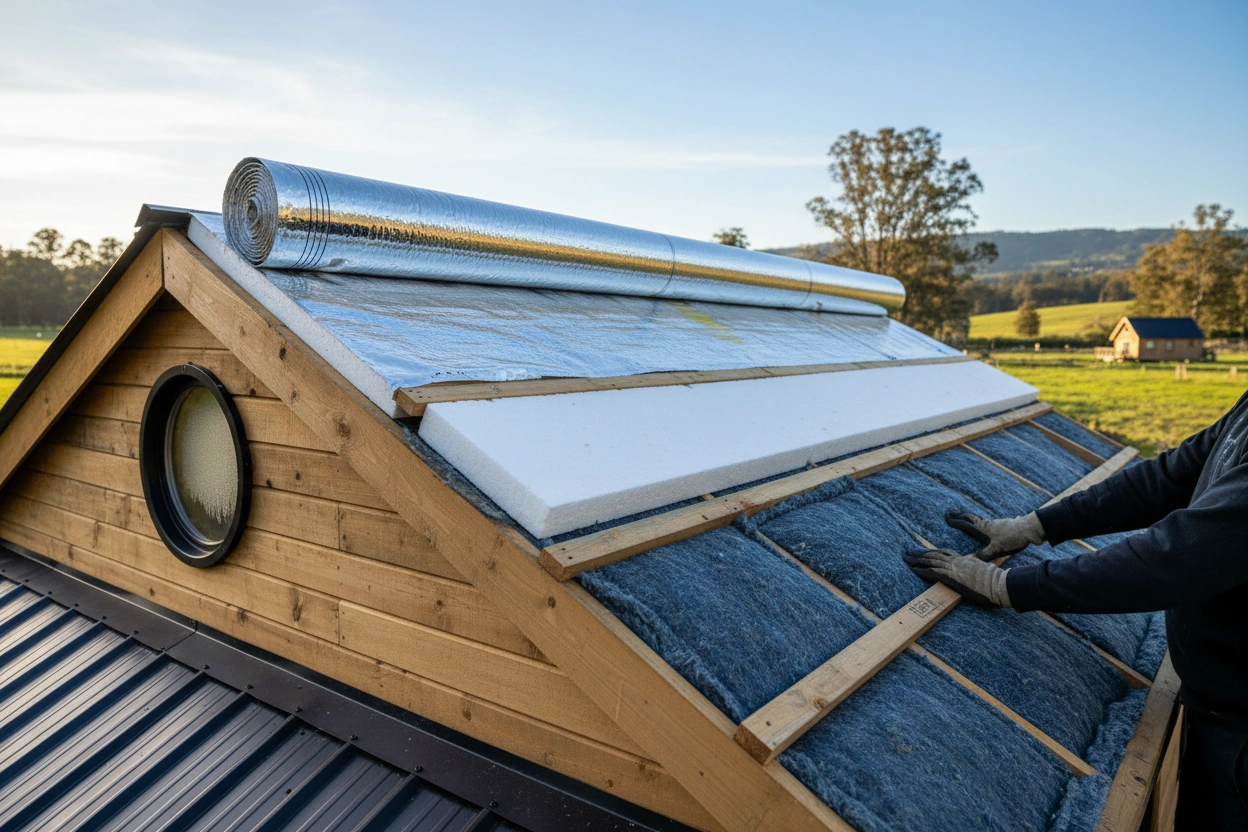
As the trend of tiny house living continues to grow, so does the importance of efficient insulation, particularly for roofing. Proper insulation is essential not only for maintaining a comfortable living environment but also for maximizing energy efficiency. This article will provide you with a comprehensive understanding of how to insulate your tiny house roof effectively, focusing on the best materials and methods available.
Understanding Tiny House Roofing
Tiny house roofing is a crucial aspect of design and functionality. It directly impacts thermal performance, energy consumption, and overall comfort. Insulation helps regulate indoor temperatures by minimizing heat loss in winter and keeping the interior cool during summer. As a tiny house owner, choosing the right roofing materials and insulation techniques can significantly influence your energy bills and environmental footprint.
When considering insulation for your tiny house roof, several factors come into play, including climate, budget, and personal preferences. Understanding these factors will help you make informed decisions that align with your goals for energy efficiency and comfort.
Top Roofing Materials for Tiny Houses: Pros and Cons

Selecting the right roofing material is the first step in ensuring effective insulation. Here are some of the best roofing materials for tiny houses, along with their advantages and disadvantages:
1. Metal Roofing
Metal roofing has gained popularity among tiny house builders for its durability and energy efficiency.
Pros:
- Long-lasting and resistant to harsh weather conditions.
- Reflective properties can help reduce heat absorption, keeping interiors cooler.
- Lightweight, making it easier to install on smaller structures.
Cons:
- Higher initial cost compared to traditional roofing materials.
- Can be noisy during heavy rain or hail.
2. Asphalt Shingles
Asphalt shingles are one of the most common roofing materials used in traditional homes and tiny houses alike.
Pros:
- Cost-effective and widely available.
- Variety of styles and colors to choose from, allowing for aesthetic flexibility.
- Relatively easy to install and repair.
Cons:
- Shorter lifespan compared to metal roofing.
- Less energy-efficient; may require additional insulation to maintain temperature control.
3. Rubber Roofing
Rubber roofing is becoming increasingly popular for tiny homes due to its unique benefits.
Pros:
- Excellent waterproofing capabilities, reducing the risk of leaks.
- Environmentally friendly, often made from recycled materials.
- Good thermal insulation properties, especially when combined with insulation boards.
Cons:
- Can be more expensive than asphalt shingles.
- May require professional installation to ensure proper sealing.
4. Cedar Shakes
Cedar shakes provide a natural, rustic look that many tiny house owners appreciate.
Pros:
- Attractive appearance and natural insulation properties.
- Durable when properly maintained, providing good resistance to rot and insects.
Cons:
- Requires regular maintenance and treatment to prevent decay.
- Higher cost compared to asphalt shingles.
5. Green Roofs
For those interested in sustainability, green roofs offer an innovative solution.
Pros:
- Provides excellent insulation and reduces heat loss.
- Can help manage stormwater and improve air quality.
- Adds aesthetic value and can be used for gardening.
Cons:
- High installation and maintenance costs.
- Requires structural considerations to support the additional weight.
Insulation Techniques for Tiny House Roofs
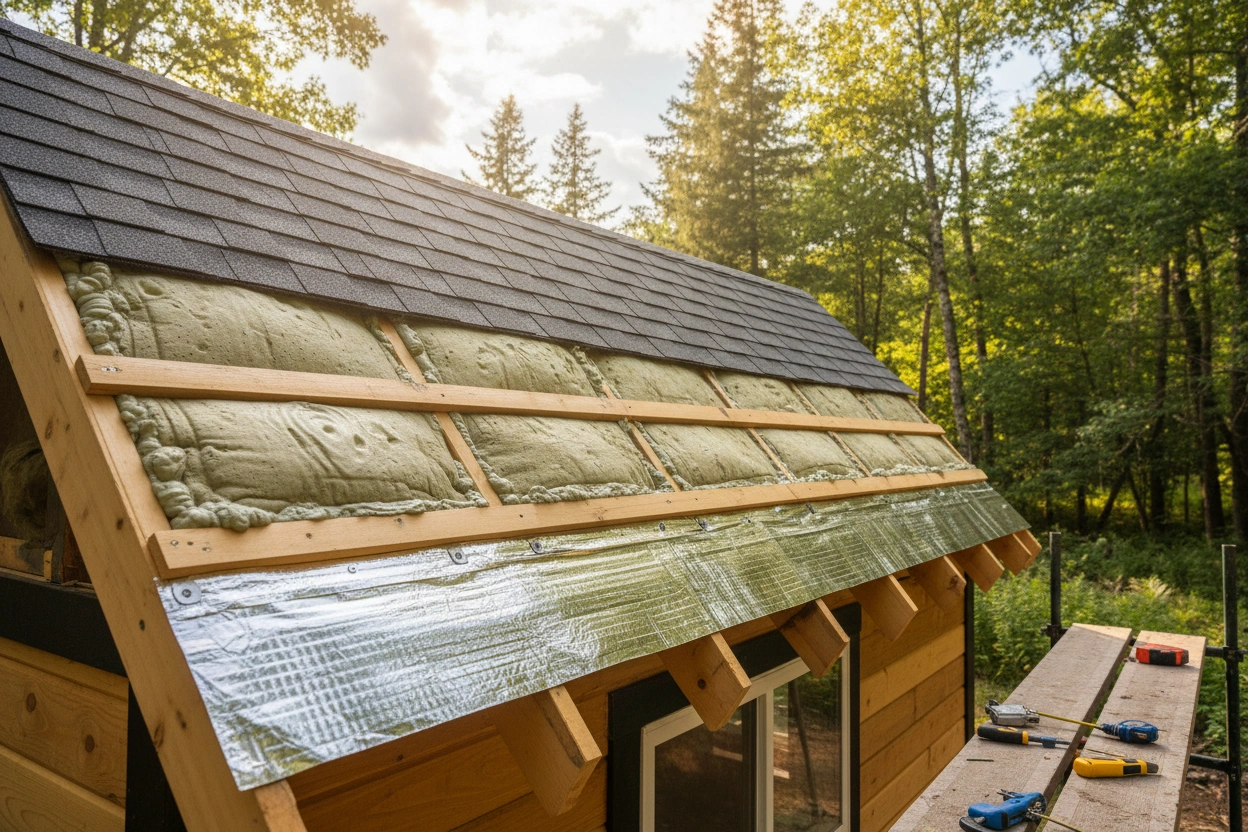
Once you've selected a roofing material, the next step is to insulate your tiny house roof effectively. Here are some techniques to consider:
Choosing the Right Insulation Material
The insulation material you choose will depend on your budget, climate, and personal preferences. Here are some popular insulation options:
- Spray Foam Insulation: Offers excellent thermal resistance and air sealing properties. Ideal for irregularly shaped spaces but can be more expensive.
- Fiberglass Batts: Cost-effective and easy to install, fiberglass batts come in various thicknesses and R-values. Ensure they are properly fitted to avoid gaps.
- Rigid Foam Board: Provides high insulation value and is moisture-resistant. It's a good choice for flat roofs or areas where space is limited.
- Cellulose Insulation: Made from recycled paper products, cellulose is eco-friendly and offers good thermal performance. It's typically blown into spaces, making it suitable for hard-to-reach areas.
Installation Best Practices
Proper installation of insulation is critical to its effectiveness. Here are some best practices:
- Ensure that the roof structure is clean and free of debris before installation.
- Install a vapor barrier to prevent moisture buildup, which can lead to mold and mildew.
- Cut insulation materials to fit snugly between rafters or joists to eliminate gaps.
- Use sealants and weatherproof membranes to enhance air and moisture resistance.
Common Mistakes to Avoid
When insulating your tiny house roof, be mindful of these common pitfalls:
- Overlooking ventilation: Proper ventilation is essential to prevent condensation and maintain air quality. Ensure that there is adequate airflow in the roof space.
- Ignoring local building codes: Familiarize yourself with local regulations regarding insulation and roofing materials to avoid potential issues.
- Skipping the air barrier: An air barrier prevents drafts and heat loss, so don't neglect this step during installation.
Maximizing Energy Efficiency in Your Tiny House
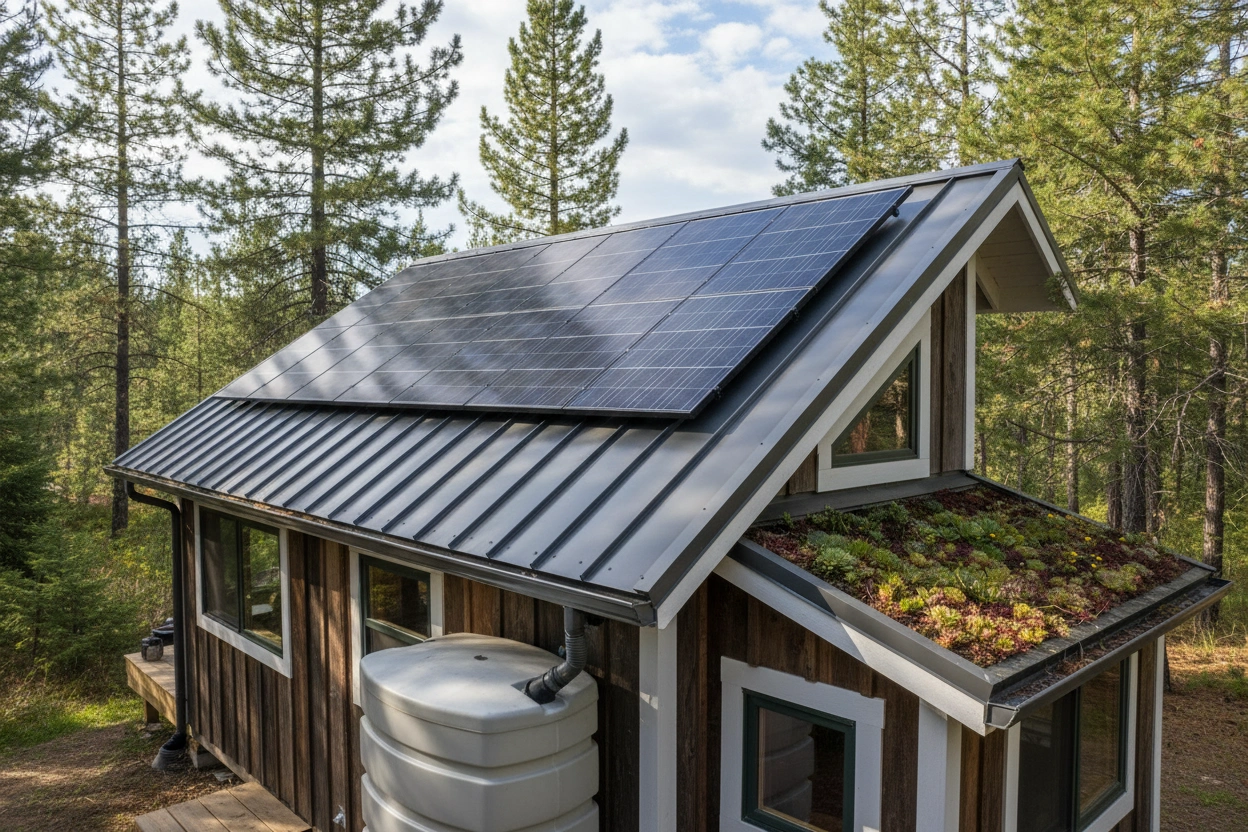
To achieve maximum energy efficiency in your tiny house, consider these additional strategies:
1. Install Energy-Efficient Windows
Choosing double or triple-glazed windows can significantly reduce heat loss and improve insulation. Look for windows with low-emissivity (Low-E) coatings to minimize solar heat gain.
2. Utilize Reflective Roofing Materials
If you live in a warmer climate, consider using reflective roofing materials that can help reduce heat absorption and lower cooling costs.
3. Incorporate Passive Solar Design
Position your tiny house to take advantage of natural sunlight. South-facing windows can help harness solar energy during the winter months, while overhangs can provide shade in the summer.
4. Implement Smart Home Technology
Consider using smart thermostats and energy monitoring systems to track and optimize your energy consumption. These tools can help you adjust heating and cooling based on usage patterns.
5. Regular maintenance
Regularly inspect your roof and insulation to identify any issues early on. Addressing problems promptly can prevent costly repairs and maintain efficiency.
The Role of TinyHouse.com in Your Tiny Home Journey
Understanding how to insulate your tiny house roof for maximum efficiency is vital for creating a comfortable living space. As you embark on your tiny house journey, TinyHouse.com is here to support you with resources and information tailored to your needs. Whether you are looking for advice on roofing materials, insulation techniques, or energy efficiency strategies, we provide a wealth of knowledge to help you make informed decisions.
Achieving Optimal Tiny House Roofing Solutions
Incorporating the right roofing materials and insulation techniques can significantly improve your tiny house's energy efficiency and comfort. By understanding the pros and cons of various roofing options, as well as effective insulation methods, you can create a cozy and sustainable living environment.
If you're ready to take the next step in your tiny house journey, visit TinyHouse.com for more resources and information tailored to your needs. Our platform is designed to help aspiring homeowners navigate the world of tiny homes with ease. Contact TinyHouse.com today to learn more about how we can assist you in building or buying your dream tiny house.


.svg)