
How to Insulate Your Tiny House Roof for Maximum Efficiency


Insulating your tiny house roof is a critical aspect of creating a comfortable and energy-efficient living space. As tiny homes continue to gain popularity among individuals seeking minimalism and affordability, understanding the best roofing materials for tiny houses becomes essential. Proper insulation not only enhances comfort but also reduces energy consumption, which is particularly important for those living in smaller spaces. This article will guide you through the best roofing materials for tiny houses, along with their pros and cons, to ensure you make informed decisions for your roofing project.
Understanding Tiny House Roofing
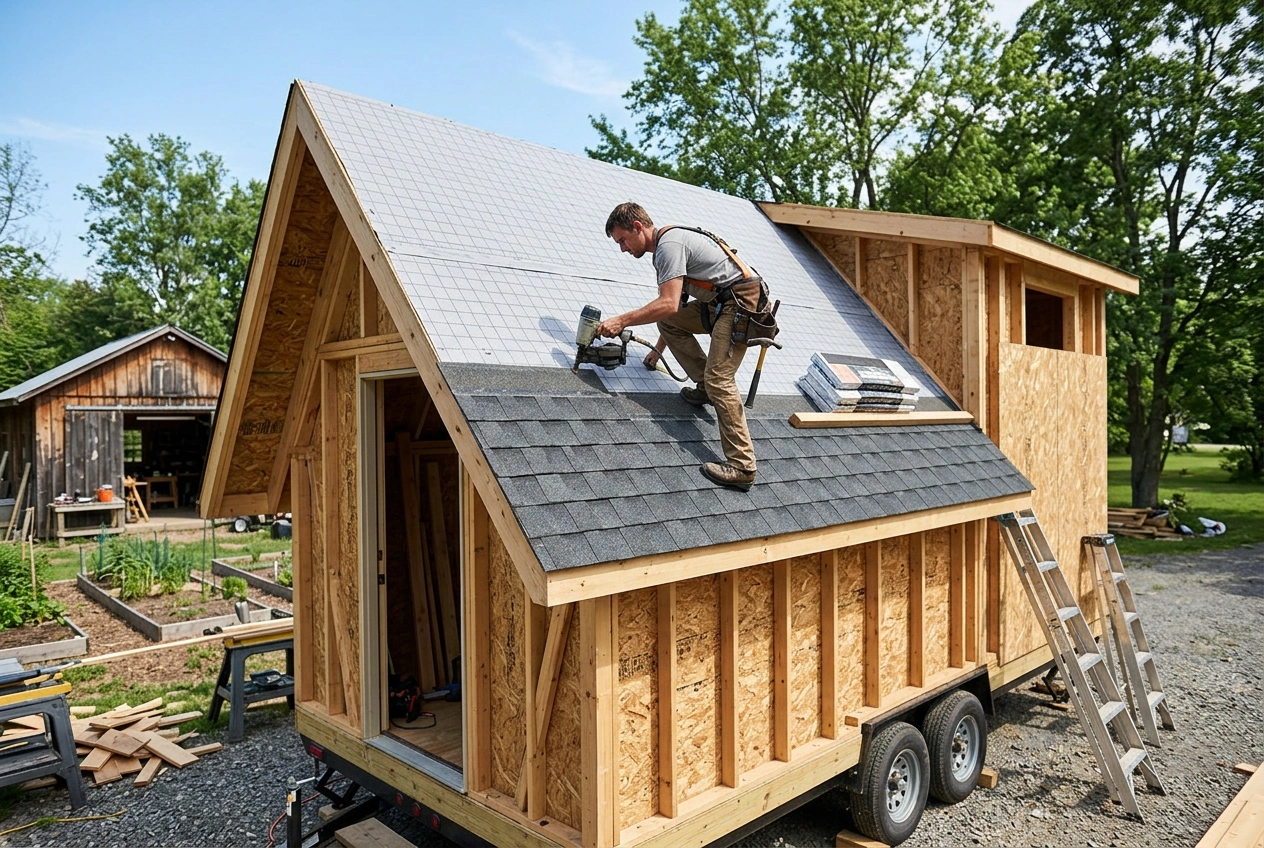
Tiny house roofing involves selecting the right materials and insulation techniques to maximize energy efficiency while maintaining structural integrity. Given the unique design of tiny houses, roofing choices can significantly impact the overall performance of the home. Insulation plays a vital role in regulating temperature, minimizing energy costs, and ensuring a comfortable living environment year-round.
When considering tiny house roofing, it is essential to assess your climate, the roof's pitch, and the materials used in construction. Different roofing materials offer varying levels of insulation, durability, and cost, making it necessary to analyze each option carefully. Understanding these factors will enable you to choose the best roofing solution tailored to your specific needs.
Common Misconceptions About Tiny House Roofing
Many individuals new to tiny house living may hold misconceptions regarding roofing materials and insulation. Some common myths include:
Myth 1: All roofing materials are created equal. In reality, different materials offer varying insulation properties and durability. For instance, metal roofs may be more energy-efficient in hot climates, while shingles may provide better insulation in colder regions.
Myth 2: Insulation is optional in a tiny house. Proper insulation is crucial for maintaining comfort and energy efficiency. Without adequate insulation, tiny homes can become too hot in summer and too cold in winter.
Myth 3: You can only use traditional roofing materials. Many innovative materials are available that cater specifically to the needs of tiny house builders, such as lightweight options that do not compromise structural integrity.
Top Roofing Materials for Tiny Houses: Pros and Cons

Selecting the right roofing material is key to effective insulation and overall performance. Here are some of the best roofing materials for tiny houses, along with their respective pros and cons.
1. Metal Roofing
Metal roofing is a popular choice for tiny homes due to its durability and energy efficiency.
Pros:
- Lightweight and easy to install
- Reflects sunlight, reducing heat absorption
- Long lifespan, often exceeding 50 years
- Requires minimal maintenance
Cons:
- Initial cost can be higher than other materials
- Can be noisy during rain or hail
- Requires proper insulation to prevent condensation
2. Asphalt Shingles
Asphalt shingles are a traditional roofing option known for their affordability and ease of installation.
Pros:
- Cost-effective and widely available
- Variety of styles and colors
- Relatively easy to repair
Cons:
- Shorter lifespan compared to metal roofing (15-30 years)
- Less energy-efficient than other options
- Vulnerable to wind damage
3. EPDM Rubber Roofing
EPDM (ethylene propylene diene monomer) rubber roofing is a synthetic material that offers excellent waterproofing capabilities.
Pros:
- Highly durable and resistant to weather extremes
- Easy to install and repair
- Environmentally friendly options available
Cons:
- Limited aesthetic appeal
- Can be more expensive than asphalt shingles
- Requires proper insulation to manage heat retention
4. TPO Roofing
TPO (thermoplastic olefin) roofing is another synthetic option that has gained popularity for its energy efficiency.
Pros:
- Reflective surface reduces cooling costs
- Flexible and lightweight
- Durable and resistant to UV rays
Cons:
- Installation can be more complex
- May not be as widely available as other materials
- Limited lifespan compared to metal roofing
5. Wood Shakes
Wood shakes provide a natural aesthetic and are often used in rustic tiny house designs.
Pros:
- Attractive and unique appearance
- Good insulation properties
- Environmentally friendly if sourced sustainably
Cons:
- Requires regular maintenance and treatment
- Susceptible to rot and pests
- Higher initial costs compared to asphalt shingles
Insulation Techniques for Tiny House Roofs
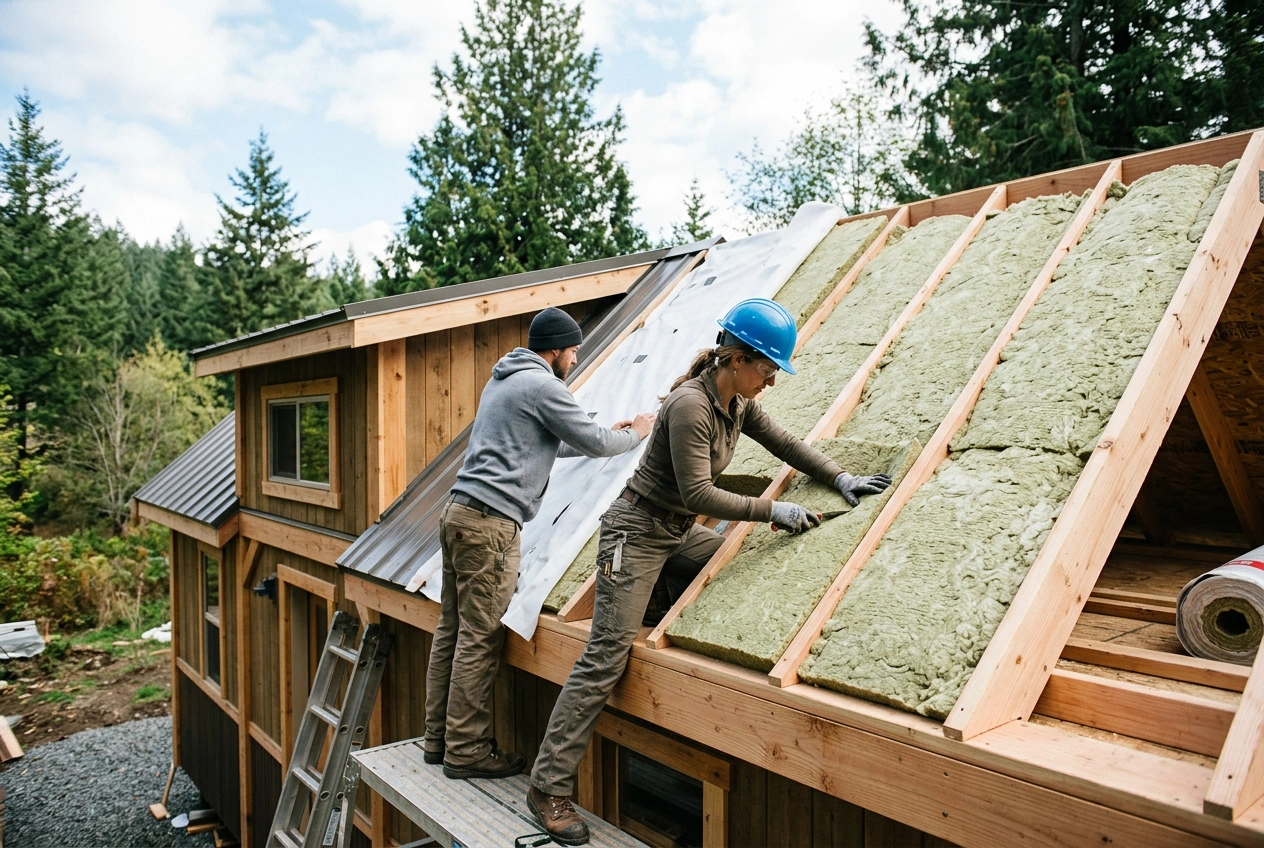
In addition to selecting the right roofing material, employing effective insulation techniques is crucial for enhancing energy efficiency. Here are some commonly used insulation methods for tiny house roofs.
Spray Foam Insulation
Spray foam insulation is a popular choice for tiny houses due to its ability to fill gaps and provide a high R-value. This type of insulation expands upon application, creating an airtight seal that minimizes heat loss.
Advantages:
- Excellent thermal performance
- Reduces air leaks and drafts
- Lightweight and easy to apply
Disadvantages:
- Higher cost compared to traditional insulation
- Requires professional installation for best results
Rigid Foam Board Insulation
Rigid foam board insulation is another effective option for tiny house roofing. It provides a high R-value per inch and can be used in various roof configurations.
Advantages:
- Lightweight and easy to handle
- Moisture resistant, preventing mold growth
- Can be cut to fit specific roof shapes
Disadvantages:
- Requires careful sealing to prevent air leaks
- Not as effective in extreme temperatures without additional insulation
Batt Insulation
Batt insulation, typically made from fiberglass or mineral wool, is a cost-effective option for insulating tiny house roofs.
Advantages:
- Affordable and widely available
- Easy to install for DIY projects
- Good soundproofing properties
Disadvantages:
- Can be less effective in irregular spaces
- Requires a vapor barrier to prevent moisture issues
Common Mistakes to Avoid When Insulating Your Tiny House Roof
When insulating your tiny house roof, there are several common mistakes to avoid to ensure maximum efficiency and comfort.
1. Skipping the Vapor Barrier
Failing to install a vapor barrier can lead to moisture buildup, which can damage insulation and create mold issues. Always ensure that a vapor barrier is in place, especially in areas with high humidity.
2. Overlooking Roof Ventilation
Proper roof ventilation is essential for maintaining airflow and preventing heat buildup. Inadequate ventilation can lead to condensation and damage to roofing materials. Incorporate vents to promote airflow and maintain a balanced temperature.
3. Ignoring Local Climate
Not considering your local climate can result in poor insulation choices. Research the best insulation practices for your specific region to ensure effective temperature regulation throughout the year.
4. Neglecting Professional Help
While DIY projects can be rewarding, some aspects of tiny house roofing and insulation are best left to professionals. If you are unsure about installation, seek expert assistance to avoid costly mistakes.
The Intersection of Tiny House Roofing and Energy Efficiency
Understanding how to insulate your tiny house roof effectively is essential for creating a comfortable living environment and maximizing energy efficiency. By selecting the right roofing materials and insulation techniques, you can significantly reduce energy costs while enjoying the benefits of tiny house living.
TinyHouse.com offers a wealth of resources and information to guide you through your tiny house journey, including tips on roofing materials, insulation techniques, and energy-efficient designs. If you are ready to take the next step in your tiny house adventure, visit TinyHouse.com for expert insights and resources tailored to your needs. With the right knowledge and support, you can create a cozy, efficient DIY tiny house roofing that meets your lifestyle preferences.


