
How to Insulate Your Tiny House Roofing for Energy Savings

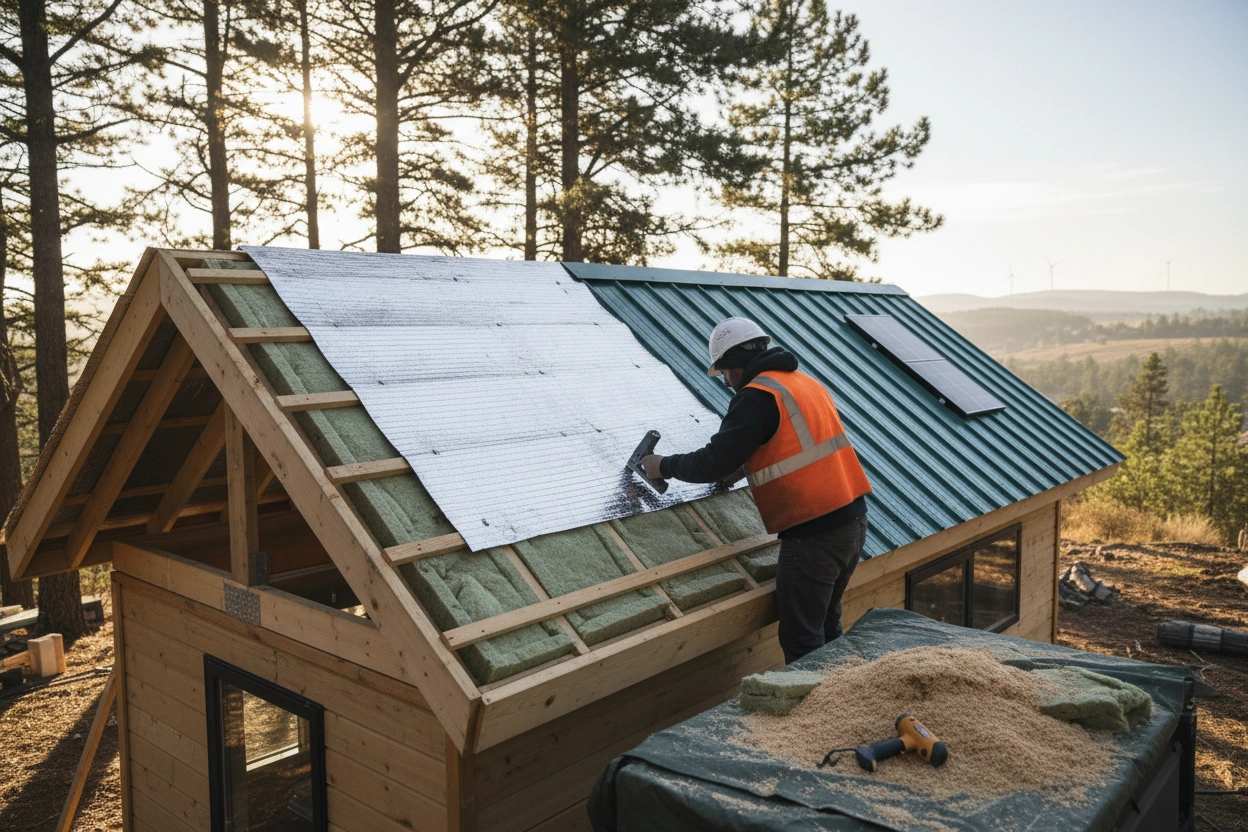
In recent years, the trend of tiny house living has gained considerable traction, appealing to those looking for a minimalist lifestyle that emphasizes sustainability and affordability. A significant aspect of this lifestyle is the effective insulation of tiny house roofing, which plays a crucial role in energy efficiency. Proper insulation not only keeps your tiny home comfortable year-round but also helps reduce energy bills, making it an essential consideration for anyone interested in tiny house roofing. This article will guide you through the best roofing materials for tiny houses, their pros and cons, and how to insulate your tiny house roofing effectively.
Understanding Tiny House Roofing
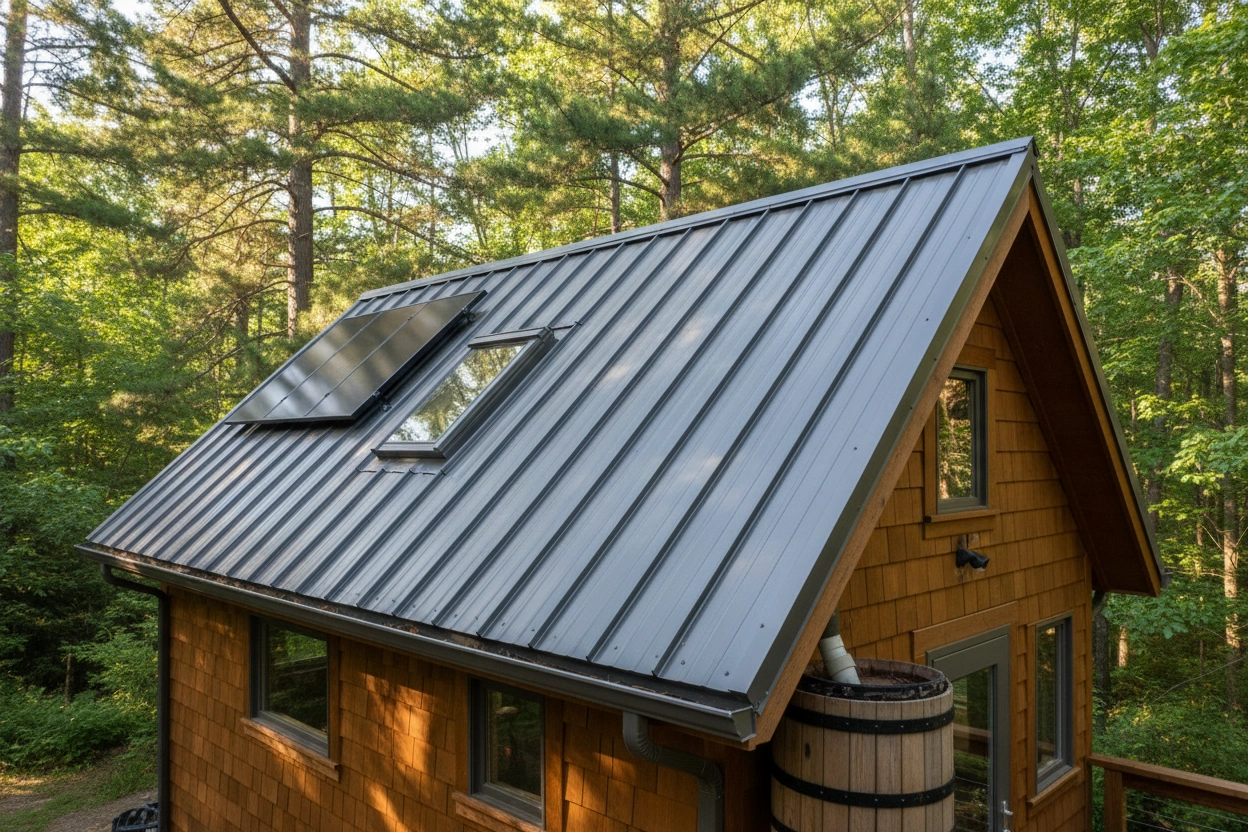
The roofing system of a tiny house is not just a protective cover; it plays a critical role in overall energy efficiency and comfort. The right roofing materials and insulation methods can significantly impact how well your tiny house retains heat in winter and stays cool in summer. Understanding the different types of roofing materials available, as well as the insulation options, is vital for making informed decisions.
Importance of Insulation
Insulation is essential for regulating temperature within your tiny house. It reduces heat loss during colder months and minimizes heat gain in warmer months. Proper insulation leads to reduced reliance on heating and cooling systems, ultimately lowering energy consumption and utility costs. By prioritizing insulation in your tiny house roofing, you create a more comfortable living environment while contributing to sustainable living practices.
Common Misconceptions about Tiny House Roofing
Many believe that tiny houses don’t require the same level of insulation as larger homes. This misconception can lead to inadequate insulation choices, resulting in uncomfortable living conditions and higher energy bills. Another common error is assuming that all roofing materials provide similar insulation properties. Understanding the nuances of insulation and roofing materials is essential to avoid costly mistakes in your tiny home project.
Top Roofing Materials for Tiny Houses: Pros and Cons

Choosing the right roofing material for your tiny house is essential to ensure durability, energy efficiency, and aesthetics. Below are some of the best roofing materials for tiny houses, along with their advantages and disadvantages.
1. Metal Roofing
Metal roofing is a popular choice for tiny houses due to its longevity and energy efficiency.
Pros:
- Durable and can last up to 50 years
- Reflects solar radiant heat, keeping interiors cooler
- Lightweight, reducing structural load
- Recyclable, making it an eco-friendly option
Cons:
- Higher initial cost compared to other materials
- Can be noisy during rain or hail
- Requires proper insulation to minimize thermal bridging
2. Asphalt Shingles
Asphalt shingles are widely used in residential roofing and can also be suitable for tiny houses.
Pros:
- Cost-effective and easy to install
- Available in various colors and styles
- Good insulation properties when paired with quality underlayment
Cons:
- Shorter lifespan (typically 15-30 years)
- Less eco-friendly as they are not easily recyclable
- Vulnerable to extreme weather conditions
3. Wooden Shakes or Shingles
Wooden shakes or shingles can provide a rustic look that many tiny house enthusiasts prefer.
Pros:
- Aesthetically pleasing and blends well with nature
- Good insulation properties
- Can be made from sustainable sources
Cons:
- Requires regular maintenance to prevent rot and insect damage
- Higher cost compared to asphalt shingles
- Less fire-resistant unless treated
4. Rubber Roofing
Rubber roofing is becoming increasingly popular for tiny houses, especially in flat-roof designs.
Pros:
- Highly durable and resistant to extreme weather
- Excellent insulation properties
- Environmentally friendly as it can be made from recycled materials
Cons:
- Higher initial cost
- Installation can be complex and may require professional help
- Limited aesthetic appeal compared to traditional roofing materials
5. Tile Roofing
Tile roofing, often seen in Mediterranean-style homes, can be a unique choice for tiny houses.
Pros:
- Extremely durable and can last over 50 years
- Excellent thermal properties
- Environmentally friendly if made from natural materials
Cons:
- Heavy, which may require additional structural support
- Higher installation costs
- Can be fragile and prone to cracking
Insulating Your Tiny House Roofing
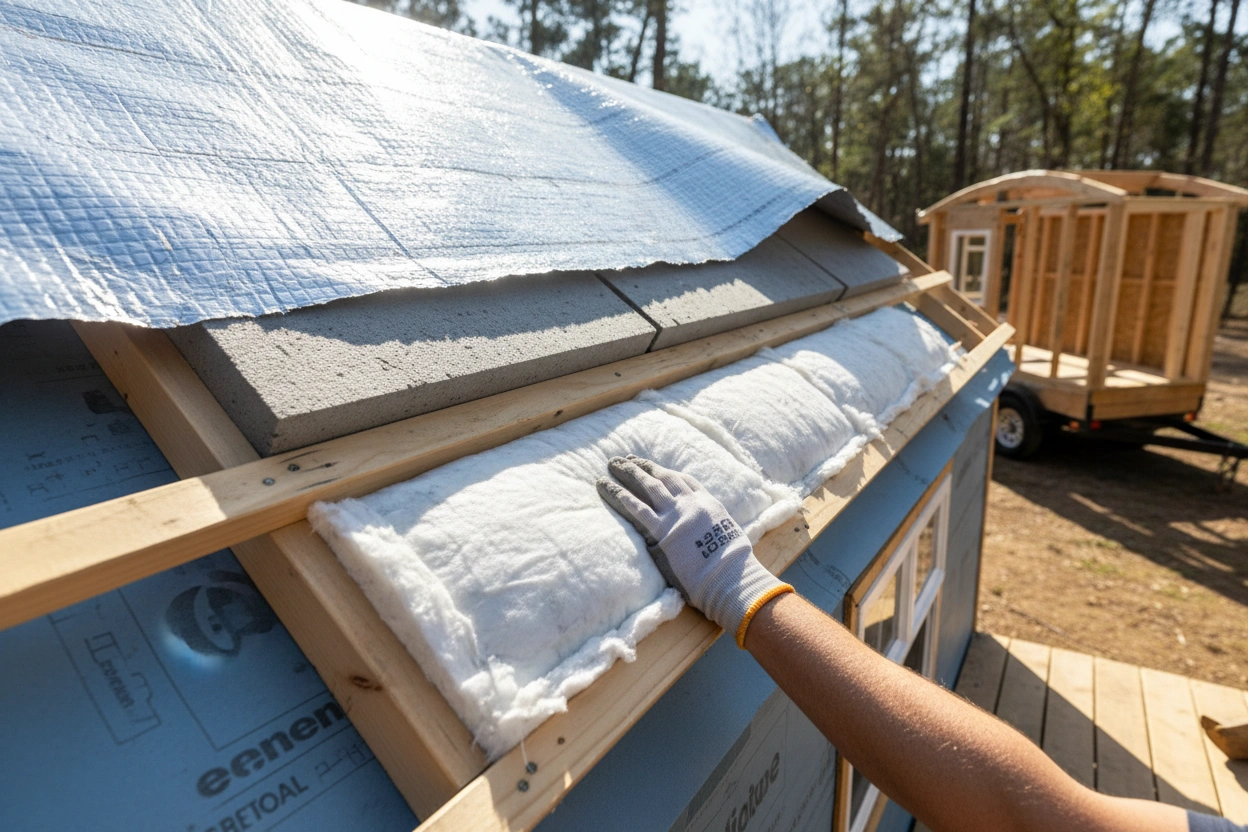
Once you have chosen your roofing material, the next step is to ensure proper insulation. The insulation process can significantly enhance the energy efficiency of your tiny house. Here’s how to effectively insulate your tiny house roofing.
Assessing Your Insulation Needs
Before you begin the insulation process, assess your tiny house's specific needs. Consider the climate in your area, the design of your tiny house, and your budget. Understanding these factors will help you choose the right insulation materials and techniques.
Choosing Insulation Materials
There are various insulation materials to consider for your tiny house roofing:
- Spray Foam Insulation: Offers high R-value and excellent air sealing properties.
- Fiberglass Batts: Cost-effective and easy to install, but requires careful fitting to avoid gaps.
- Rigid Foam Board: Provides high insulation value and is moisture resistant.
- Cellulose: Made from recycled paper, cellulose is eco-friendly and offers good insulation.
Installation Techniques
Seal Gaps: Before installing insulation, ensure all gaps and cracks are sealed to prevent air leaks.
Install Vapor Barrier: A vapor barrier helps prevent moisture build-up within the insulation, which can lead to mold growth.
Layering: For maximum efficiency, consider layering different insulation types. For example, combining rigid foam board with fiberglass batts can provide enhanced thermal performance.
Ventilation: Ensure proper ventilation in your roofing system to prevent moisture build-up, which can compromise insulation effectiveness.
Common Mistakes to Avoid
- Overlooking Air Sealing: Failing to seal gaps can lead to significant energy loss.
- Using Inadequate Materials: Choose insulation materials that meet the energy efficiency requirements for your climate zone.
- Neglecting Ventilation: Proper ventilation is essential to maintain the integrity of your insulation and roofing system.
The Impact of Proper Insulation on Energy Savings
Investing in quality insulation for your tiny house roofing can lead to substantial energy savings over time. Here are some key benefits:
- Lower Energy Bills: Efficient insulation helps maintain a consistent indoor temperature, reducing reliance on heating and cooling systems.
- Enhanced Comfort: Proper insulation contributes to a more comfortable living environment by minimizing temperature fluctuations.
- Increased Home Value: Energy-efficient homes are increasingly attractive to buyers, potentially increasing the resale value of your tiny house.
The Intersection of Tiny House Roofing and Sustainability
Tiny house living is often associated with sustainable practices, and proper insulation plays a vital role in achieving this goal. By selecting energy-efficient roofing materials and insulation techniques, you can minimize your environmental footprint. This is particularly relevant in the context of rising energy costs and increasing awareness of climate change.
Investing in sustainable roofing solutions not only benefits your tiny home but also contributes to a larger movement toward eco-friendly living. The choices you make today regarding tiny house roofing can have lasting impacts on both your finances and the environment.
Final Thoughts on Tiny House Roofing
Insulating your tiny house roofing is a vital aspect of creating an energy-efficient, comfortable living space. By understanding the best roofing materials and insulation techniques, you can make informed decisions that lead to significant energy savings. TinyHouse.com offers resources and information to help you navigate the process of building or buying your tiny home, ensuring that you have the tools and knowledge necessary for success.
If you're ready to take the next steps in your tiny house journey, visit TinyHouse.com for expert advice and support tailored to your needs. Whether you're looking for more information on roofing materials, insulation techniques, or general tiny house living, TinyHouse.com is here to help you every step of the way.


.svg)
.jpg)