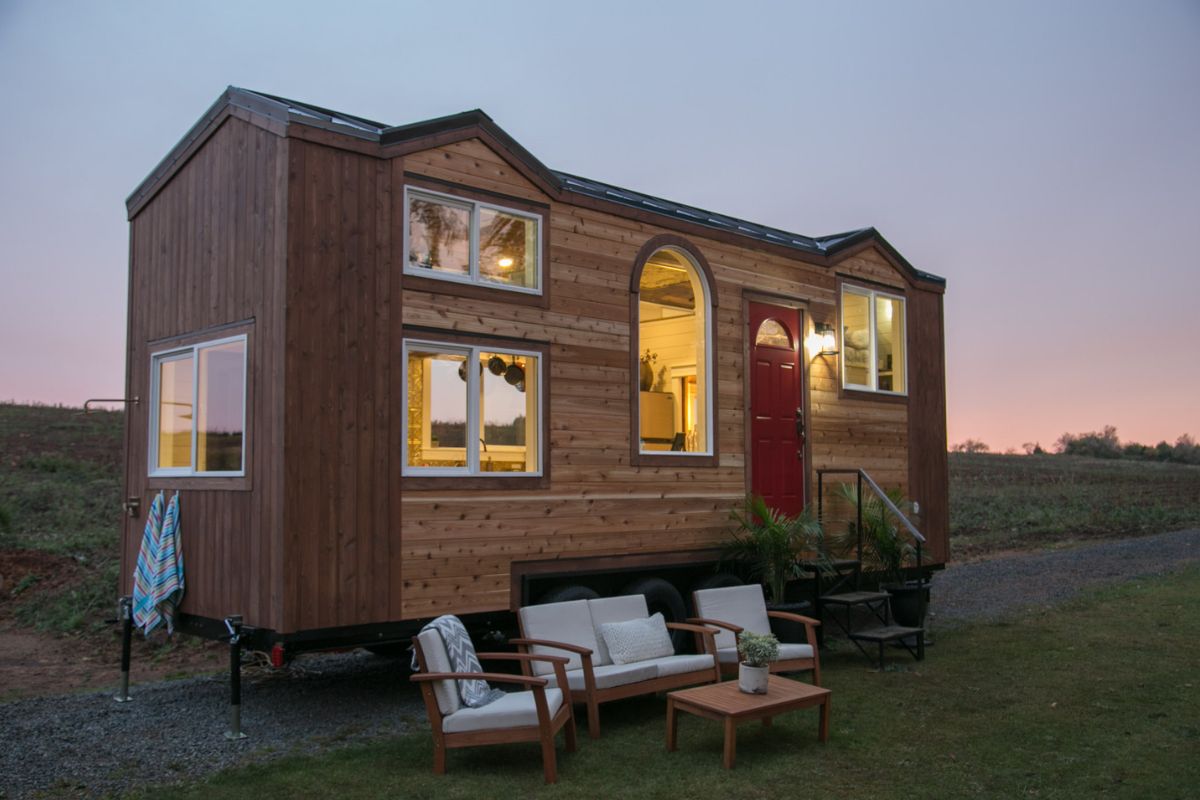
Tiny Homes, Big Responsibility: How to Keep Your Dog Healthy in Small Spaces

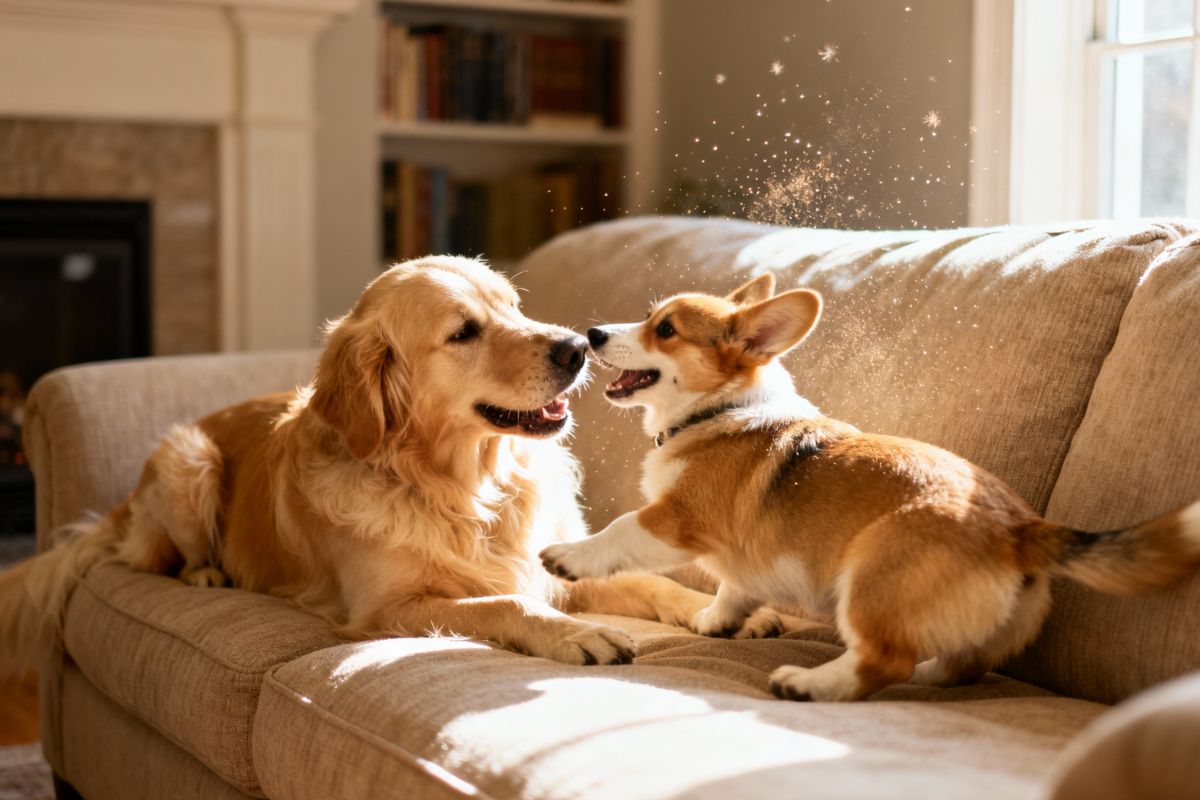
Living in a tiny home comes with plenty of perks, such as lower costs, a smaller carbon footprint, and a cozier space that’s uniquely yours. But when you share that space with a dog, things get a little more complicated. How do you make sure your pup stays happy, active, and healthy when you’ve only got a few hundred square feet to work with?
Small spaces might mean less room to roam, but they don’t have to limit your dog’s quality of life. In fact, with a few smart changes and some daily dedication, your dog can thrive just as well in a tiny home as they would in a sprawling house with a yard.
Here’s how to make that happen.
Prioritize Daily Exercise
Small homes make it easier to be lazy. When there’s no backyard and only a few steps between the couch and the kitchen, it’s easy to fall into a sedentary routine. But your dog still needs a way to burn energy, stretch their legs, and engage their senses.
Make outdoor time a non-negotiable part of your day. A couple of short walks won’t cut it for most dogs. Aim for at least one long walk or run every day, plus a few shorter outings for sniffing and exploring. Dog parks, hiking trails, and even a jog around the block can all help meet their physical and mental needs.
If your schedule’s tight, get creative. Could you throw a ball in a hallway or play tug-of-war in a corner of your living room? Even indoor fetch can be surprisingly effective for burning energy.
Keep Their Minds Busy
When dogs don’t have space to run, mental stimulation becomes even more important. Bored dogs are more likely to develop problem behaviors, such as chewing, barking, or pacing – especially in a confined area.
Puzzle toys are a lifesaver here. Be it a treat-dispensing ball or a food puzzle that makes them “work” for their kibble, these tools challenge your dog’s brain and help pass the time.
You can also rotate their toys weekly to keep things fresh or teach new tricks to engage their mind. Learning to “spin,” “shake,” or even clean up their toys (yes, it’s possible!) is a great way to bond and reduce boredom.
Designate a Space Just for Them
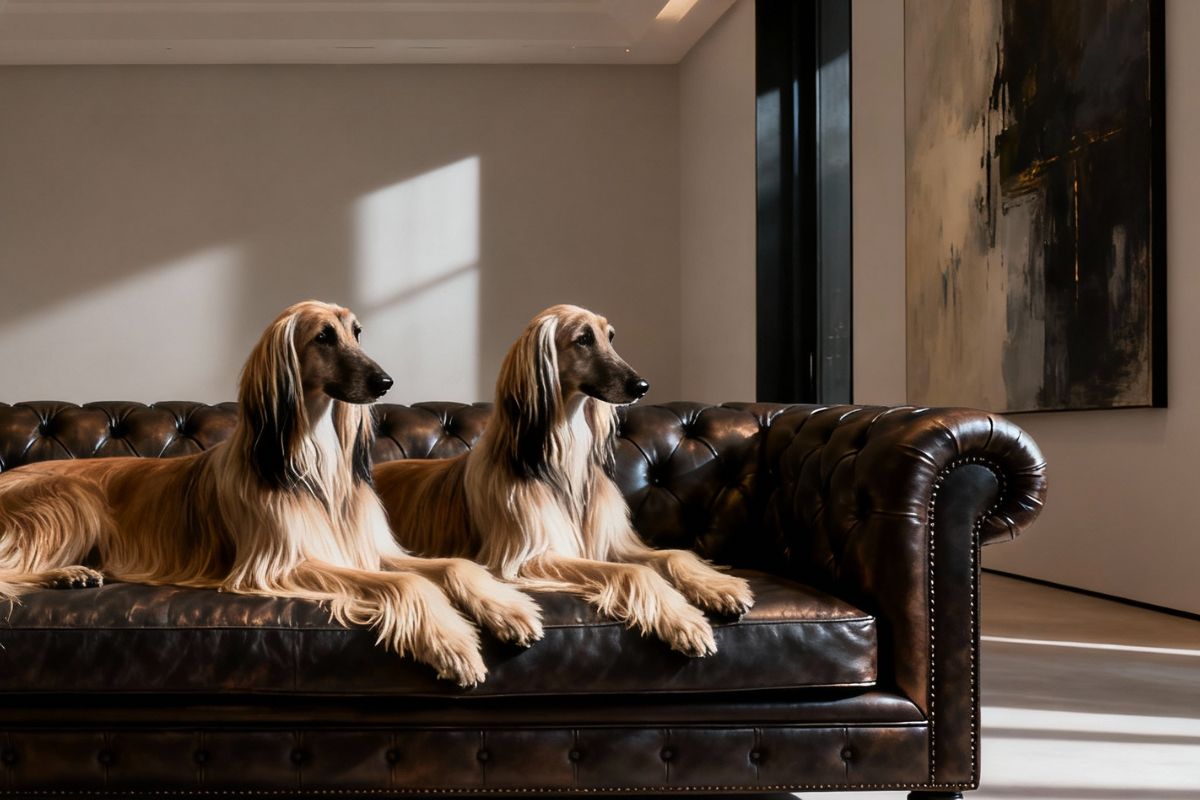
Even if your home is tight on space, carving out a corner that belongs solely to your dog can bring them a sense of safety and calm. This could be a cozy bed tucked under a window, a crate covered with a blanket, or even a simple mat by your bedside.
Make their space inviting with soft textures, favorite toys, and items that smell like you. It gives your dog a safe retreat when the home feels a little too crowded, especially when guests come over or things get noisy.
Make Every Inch Count
In a tiny home, space is often limited, but that doesn’t mean your dog has to feel squeezed out. Try to use vertical space creatively. Got an empty wall? Hang shelves to store toys, leashes, or grooming gear. That way, your floor stays clear, and your dog has more room to move around.
If your pup is small, consider pet stairs or ramps so they can easily access couches or beds without needing your help. This is especially important for older dogs or breeds prone to joint issues.
Prioritize Nutrition and Gut Health
In a limited space, you’re more aware of everything, like smells and shedding. That should make your dog’s health even more of a priority. A healthy gut can lead to better breath, firmer stools, and less gas (which, in a small room, is a very big deal).
Supporting your dog’s health from the inside out starts with nutrition. Balanced meals, proper hydration, and quality supplements can go a long way in promoting overall well-being.
If you’re looking for a simple but powerful way to support your dog’s gut health, https://puplabs.com/ offers thoughtfully formulated supplements that target digestion, energy, coat condition, and more. With better nutrition, your dog won’t just feel better; your small space might start smelling fresher, too.
Create a Solid Routine
Tiny homes don’t leave much room for chaos. A structured routine helps your dog feel safe, reduces stress, and makes co-living much smoother. Aim for consistency in feeding times, walks, play sessions, and bedtime.
A set routine also makes it easier to notice any changes in your dog’s behavior or health. In close quarters, subtle changes like increased thirst or restlessness can signal that something’s off and needs your attention.
Cleanliness Matters More Than Ever
In a tiny space, fur accumulates faster, smells linger longer, and muddy paws can take over your only rug in seconds. Keeping your home clean directly impacts your dog’s and your health.
Brush your dog regularly (especially if they’re a shedder), and wipe down paws after walks to avoid tracking in dirt. Use a pet-safe cleaner for accidents, and keep their bedding fresh to reduce odors and bacteria buildup.
Small steps like these create a more pleasant space for everyone and reduce allergens and skin irritants for your dog.
Don’t Skip Vet Visits Just Because They “Seem Fine”
When your dog is always in sight, it’s easy to assume you’ll notice if something’s wrong. But dogs are masters at hiding discomfort. Regular check-ups ensure you catch any underlying issues before they become major problems.
If getting to the vet feels like a hassle, consider mobile vet services or telehealth options for basic concerns. Staying proactive with healthcare is key, especially when your shared space leaves little room for medical surprises.
Socialization Still Matters
Dogs need social interaction, and in a small home, they’re likely only seeing you most of the time. While that close bond is beautiful, they still benefit from meeting new people and dogs.
Regular walks through busy neighborhoods, visits to the park, or dog-friendly cafes can help. If they’re nervous around others, start small, even sitting on a bench and letting them observe the world, which helps build confidence.
Tiny homes don’t have to mean tiny social circles for your dog.
Final Thoughts
Living in a tiny home with a dog can be incredibly rewarding. You get more quality time, a closer bond, and a chance to really focus on your dog’s health and happiness.
By staying proactive about exercise, enrichment, and nutrition – and by leaning on supportive supplements from brands like Pup Labs, you can create a life where both you and your pup thrive. After all, it’s more about how well you use it your space together than how much space you have.


.svg)
.jpg)