
Small Spaces, Big Systems: Why Plumbing Matters More in Compact Living

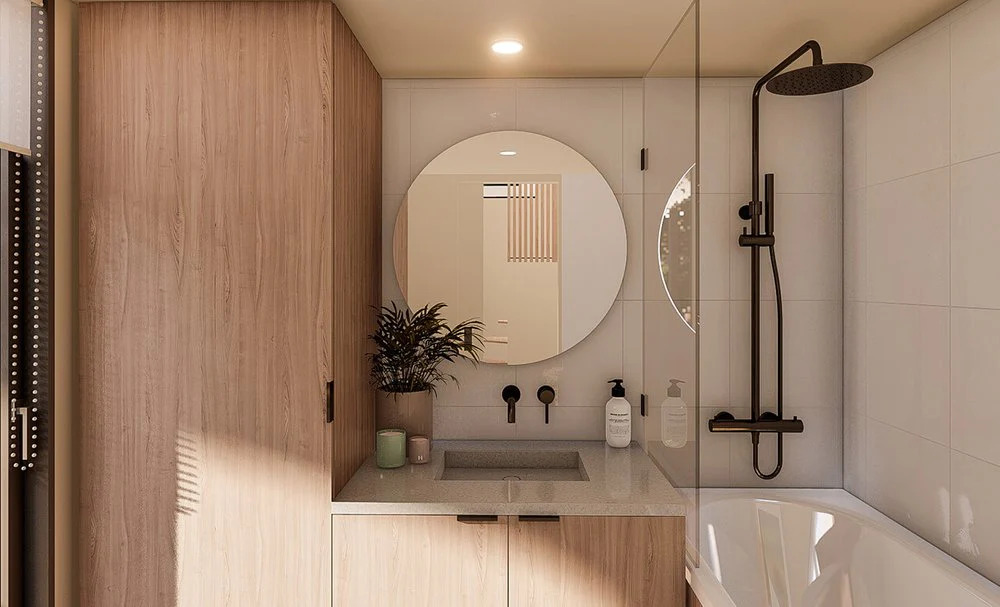
The appeal of small homes and compact living spaces continues to grow. Whether it is a tiny house, a micro-apartment, or a thoughtfully downsized urban residence, people are increasingly choosing homes that emphasize efficiency, simplicity, and intentional design. While much attention is given to layout, storage solutions, and multifunctional furniture, one critical element often receives far less consideration: the plumbing system.
In small living environments, plumbing is not just a background utility. It is a foundational system that directly affects comfort, functionality, and long-term sustainability. When space is limited, even minor inefficiencies or design oversights can have an outsized impact on daily life.
Why Plumbing Design Is Critical in Small Homes
Compact homes rely on precise planning, where every square foot serves a clear purpose and all systems must function seamlessly within tight constraints. Plumbing layouts in these spaces often feature shorter pipe runs, shared walls, and limited access points, which can improve efficiency when designed correctly. However, this same efficiency leaves little room for error, meaning that even minor mistakes or natural wear can become noticeable much more quickly.
Water pressure consistency, proper drainage, and reliable temperature control are essential in any home, but especially in compact spaces. A poorly planned plumbing system can result in slow drains, fluctuating pressure, or unexpected moisture buildup. In a small home, these problems are more noticeable and harder to overlook, often disrupting daily routines almost immediately. Proper design and maintenance are therefore critical to ensuring comfort, efficiency, and long-term functionality.
Moisture Control and Space Preservation
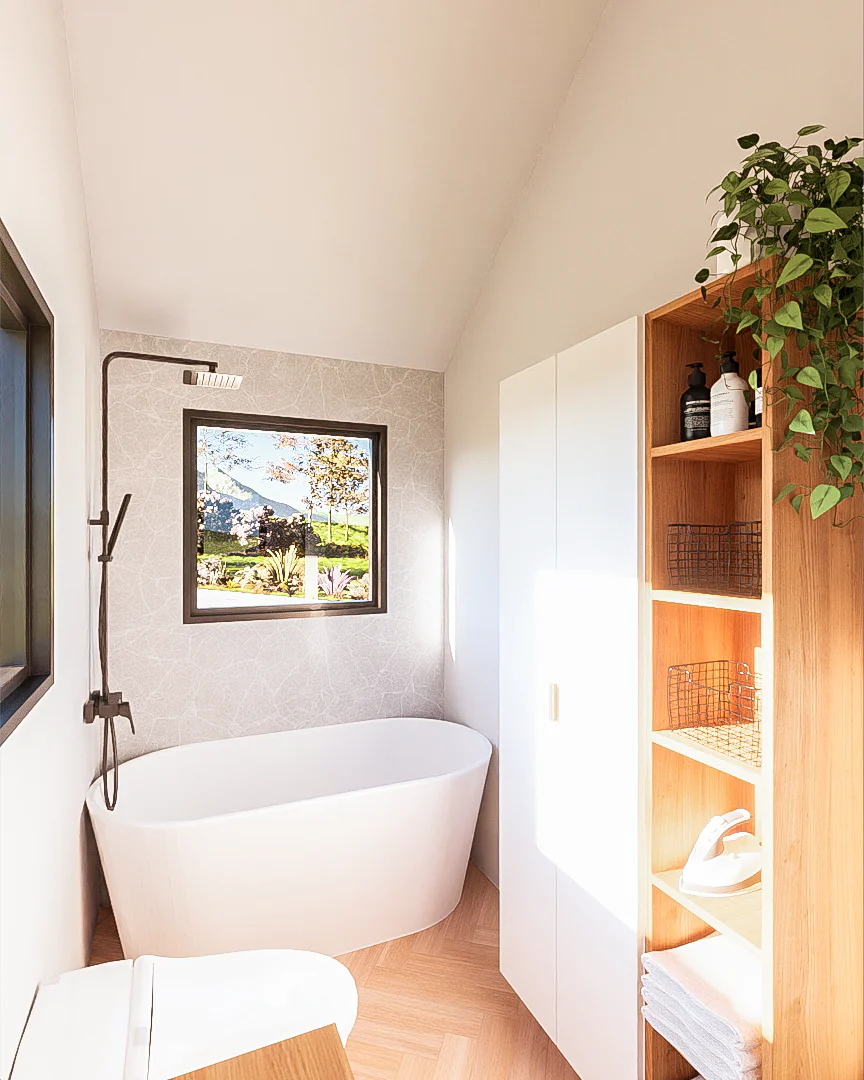
One of the biggest challenges in compact living is managing moisture. With limited ventilation, closely placed fixtures, and minimal separation between living areas, the risk of condensation and hidden leaks is significantly higher. Even small amounts of excess moisture can damage cabinetry, flooring, and wall materials, leading to costly repairs. Careful design, regular inspections, and proper ventilation are essential to prevent these issues and maintain a healthy, durable living environment.
Over time, unchecked moisture can compromise insulation and reduce indoor air quality, creating both comfort and health concerns. For homeowners who value minimalist living and long-term durability, safeguarding interior finishes from water damage is just as important as selecting the right materials or designing an efficient layout. Proactive moisture management ensures that small homes remain functional, comfortable, and resilient for years to come.
Aging Infrastructure in Urban Tiny Living
Many tiny homes and compact residences are located in established neighborhoods with older infrastructure, where systems beneath the surface may not have been updated alongside interior renovations. While these homes often feature modern designs and appliances, the plumbing is frequently decades old and was not built to support today’s water usage patterns, efficiency standards, or high-demand appliances. As a result, outdated pipes can struggle to meet current household needs and may require closer attention to ensure long-term functionality.
As urban areas continue to evolve, small homes must balance their charm with modern performance expectations. Regular system evaluations play an important role in identifying aging or outdated components and ensuring efficiency, safety, and reliability. By keeping hidden systems up to date, homeowners can make sure their spaces continue to support the demands of contemporary living.
Preventive Care as Part of Intentional Living
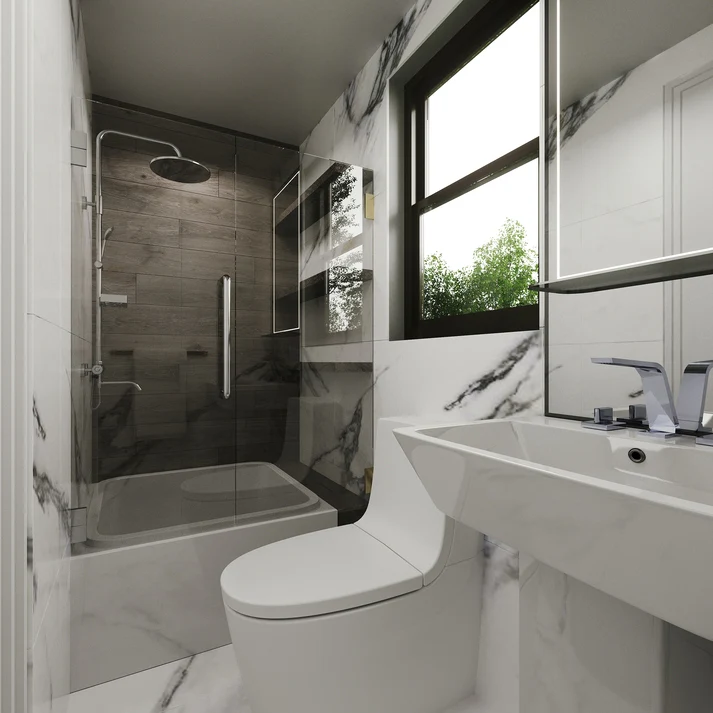
Minimalist living is not just about owning fewer things; it’s also about minimizing unnecessary disruptions in daily life. Preventive plumbing care fits seamlessly into this philosophy, allowing homeowners to address minor issues before they escalate. By taking action early, small problems can be resolved before they lead to emergency repairs, unexpected interruptions, or costly damage to interiors. This approach helps maintain a smooth, comfortable, and efficient living environment that aligns with the principles of compact, intentional living.
Thoughtful maintenance supports peace of mind and allows homeowners to focus on what matters most: enjoying their space without constant concern over system failures. For readers interested in understanding how professional plumbing services support reliable performance in compact urban homes, more information can provide useful insight into long-term system care.
The Foundation of Comfortable Small Living
Small homes may appear simple on the surface, but their success depends on behind-the-scenes systems working flawlessly. Plumbing plays a central role in making compact living practical, healthy, and enjoyable by supporting essential daily routines. When designed and maintained correctly, it enhances efficiency and reliability while reinforcing the very principles that attract people to smaller living spaces.
By recognizing the importance of plumbing in small homes, homeowners can make informed decisions that protect their living space and preserve everyday comfort. Proper plumbing maintenance helps prevent costly repairs and unexpected disruptions. It also ensures efficient water use, which is essential for sustainable living. Well-planned systems support modern appliances and daily routines without strain. Together, these choices contribute to a reliable, comfortable home that remains functional for years to come.


.svg)
.jpg)
.jpg)
.jpg)
.jpg)