Kitchen Cabinet Hardware Ideas That Work as Well as They Look

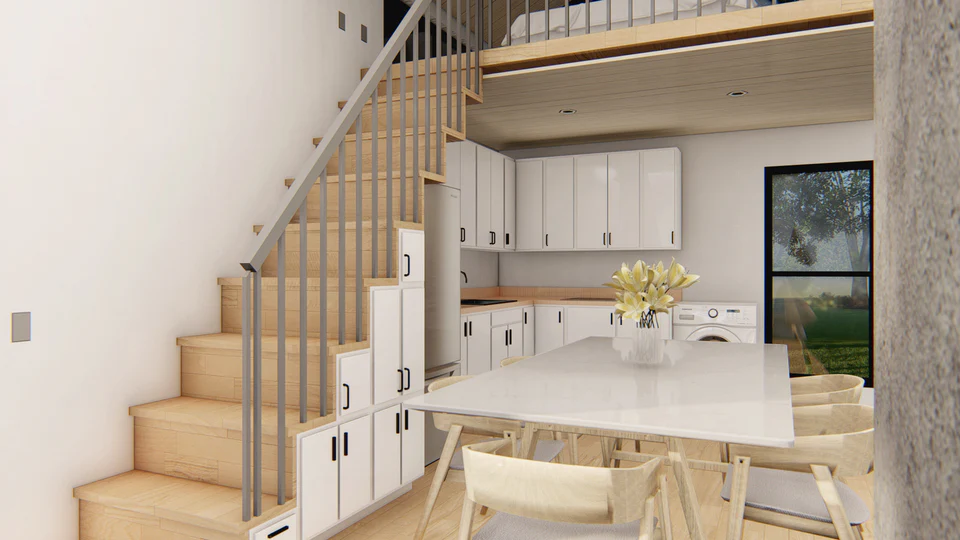
Your cabinet hardware gets touched dozens of times a day, so it has to work as hard as it looks. The best kitchen cabinet hardware ideas start with the room itself: your cabinet style, the size of each door and drawer, and the way you move around while you cook. In a small kitchen or a tiny home, those choices matter even more, because every handle sits close to a walkway and in plain view.
- Start with knobs on doors and pulls on drawers, then adjust for tall doors and grip needs
- Match the hardware profile to your cabinet style
- Size drawer pulls to about one third of the drawer width
- Keep placement consistent with a simple drilling template
- Choose lacquered or unlacquered brass based on how you want it to age
Knobs or Pulls on Kitchen Cabinets
Most kitchens use both. A common approach is knobs on doors and pulls on drawers, because you pull a drawer straight out, often while it is full, and a pull spreads that load across more of your hand. Doors swing on hinges, so a knob near the opening edge is usually enough.
That is a starting point rather than a rule. Pulls make more sense on tall pantry or broom doors, on slab-style cabinets in a modern kitchen, and anywhere someone in your household has limited grip strength. Knobs on small drawers can work well in a traditional kitchen too, especially on narrow spice or utensil drawers where a long pull would look crowded.
Kitchen Cabinet Hardware Ideas by Cabinet Style
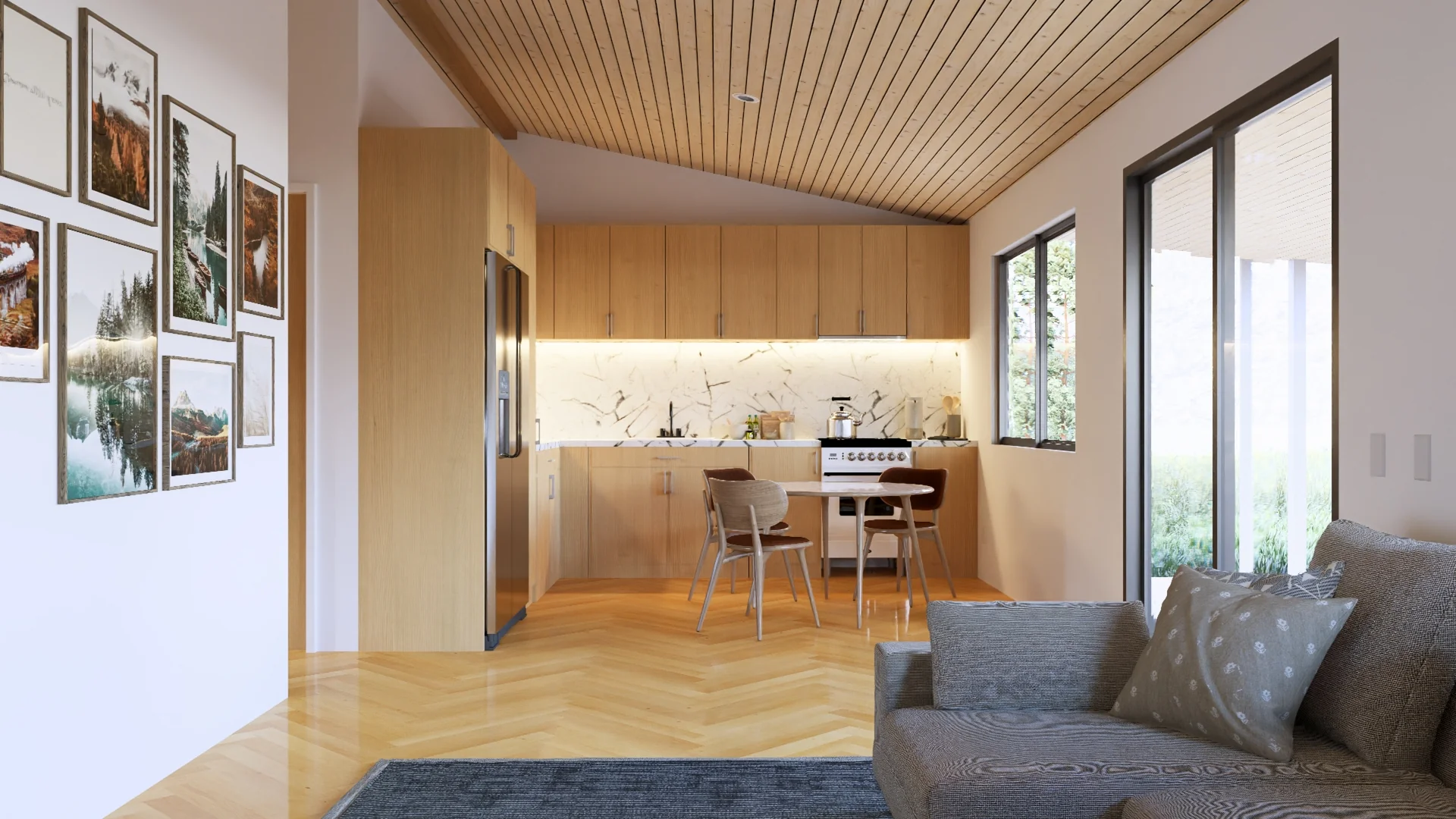
Hardware looks best when it follows the profile of the door. Shaker cabinets suit cup or bin pulls on drawers with round knobs on doors, or simple bar pulls throughout. Flat-panel doors look clean with long bar pulls, edge pulls or tab pulls. Traditional raised-panel doors can carry a little more detail, such as a backplate, knurling or a rounded profile, while farmhouse and cottage kitchens lean toward cup pulls, latches and glass or porcelain knobs.
Color is the other half of the decision. Warm metals such as brass sit well against white, cream, sage green and navy cabinets. Black hardware gives you strong contrast on light wood and white paint. On heavily grained wood, a plain pull lets the material stay the focus.
How to Size Cabinet Pulls
A useful guideline for drawers is the one-third rule: a pull that is roughly one third of the drawer front's width looks balanced. A 24-inch drawer would take a pull of about 8 inches, and very wide drawers can use two pulls instead of one long one.
Pulls are sold by center-to-center distance, which is the space between the two screw holes, not the overall length. Common sizes include 3 inches, 3¾ inches (96 mm), 5 inches (128 mm) and 6⅜ inches (160 mm). Write down this measurement for every existing handle before you order, because new pulls that fit the old holes save you filling and repainting.
Check projection as well. Hardware that sticks out too far catches on clothing in a narrow galley or beside an island, while hardware that sits too close to the door is hard to grip.
Cabinet Hardware Placement Basics
Consistent cabinet hardware placement makes even simple fittings look intentional. Many kitchen designers work from these standard positions:
- Base cabinet doors: near the top corner on the side opposite the hinge, about 2 to 3 inches from the top and side edges
- Wall cabinet doors: the same distances, but near the bottom corner
- Drawers: centered side to side, either in the middle of the drawer front or on the top rail of a Shaker drawer
- Tall pantry doors: a long pull at a comfortable hand height, often lined up with the base cabinet hardware
A drilling jig or a template cut from scrap wood helps every hole land in the same place. Mark your positions with painter's tape first, then step back and check the whole run before you drill.
Brass Hardware in the Kitchen
Brass has stayed popular because it adds warmth without looking busy. It works in traditional and modern kitchens, and it pairs well with natural stone, wood and painted cabinets. When you compare options, look at what the hardware is made of as well as how it looks. Plated zinc or steel can wear through to a different metal underneath over time, while solid brass is the same material all the way through.
Looking at cabinet hardware made of solid brass side by side shows how much the profile and finish change the look of the same cabinet door. It is a quick way to see whether a knurled knob, a slim bar or a cup pull suits the style of your room.
Lacquered vs Unlacquered Brass Cabinet Hardware
Brass hardware usually comes in two types. Lacquered brass has a clear protective coat that keeps it bright with little care beyond wiping it down. Unlacquered brass cabinet hardware has no coating, so it darkens and develops a patina, most noticeably where hands touch it every day.
The right choice depends on you. Unlacquered brass suits people who like a finish that changes over the years, while lacquered or other sealed finishes suit anyone who wants the hardware to look the same as the day it was installed. Polishing brings the shine back to unlacquered brass, but polish can damage a lacquer coat, so check the care instructions first.
Mixing Metals and Matching the Faucet
Your cabinet hardware does not need to match the faucet, light fixtures and appliances exactly. A kitchen often looks more considered when finishes relate through warmth or sheen without being identical. Two metals is a comfortable limit for most rooms, for example brass cabinet pulls with a stainless steel range and a brass pendant light.
Group physical samples on the countertop before you decide. Finishes that look alike online can be quite different in daylight and under warm evening lighting.
Hardware Ideas for Small and Tiny House Kitchens
In a compact kitchen, hardware sits close to walkways and other fittings, so comfort and clearance come first. Low-profile pulls, edge pulls and small knobs keep cabinet fronts from catching on hips and bags in a narrow galley. Using one style across the whole kitchen also helps a small room look calm instead of cluttered.
Plan around appliance doors too. A dishwasher or refrigerator door that opens beside a drawer with a long, projecting pull can clash every time both are open, so mark these points on your floor plan before you choose hardware.
Updating Hardware on Existing Cabinets
New hardware is one of the simplest ways to refresh a kitchen without replacing the cabinets. Before you buy a full set, remove one handle, measure the center-to-center distance and test a replacement on a cabinet that is out of direct view.
If the new pulls need different holes, the old ones will have to be filled, sanded and touched up. That is manageable on painted doors but harder on stained wood, where filled holes often stay visible. Pulls with the same spacing, or a backplate that covers the old holes, avoid the problem.
Conclusion
The best kitchen cabinet hardware ideas balance three things: how the hardware feels in your hand, how it fits your cabinet style and how its finish will age. Decide where knobs and pulls make sense, size your pulls to the drawers and keep placement consistent across every run. Test samples against your real cabinets, countertop and lighting before ordering a full set, and keep a note of the sizes you choose for future repairs. Careful choices now keep your kitchen comfortable to use long after the renovation is finished.
Frequently Asked Questions
What is the 1/3 rule for cabinet hardware?
The one-third rule suggests a drawer pull that is about one third the width of the drawer front, so a 30-inch drawer would take a pull of around 10 inches. Treat it as a guide for visual balance and adjust it for very small or very wide drawers.
Should kitchen cabinet hardware match the faucet?
It does not have to. Many kitchens pair one metal on the cabinets with a different finish on the faucet, and keeping to two metals helps the mix look planned.
Where should knobs go on kitchen cabinet doors?
On base cabinets, knobs usually sit near the top corner on the side opposite the hinge, and on wall cabinets they sit near the bottom corner. About 2 to 3 inches in from each edge is a common starting point.
Does unlacquered brass tarnish?
Yes. Without a protective coating, unlacquered brass darkens and develops a patina through contact with air, moisture and hands. If you prefer shine, you can polish it with a brass cleaner.
What cabinet hardware styles are popular right now?
Warm metals such as brass and champagne bronze remain popular, along with matte black. Slim bar pulls suit modern kitchens, while cup pulls and knurled or reeded details are common in transitional and traditional designs.