
Mindful Consumption Habits for Sustainable Simple Living

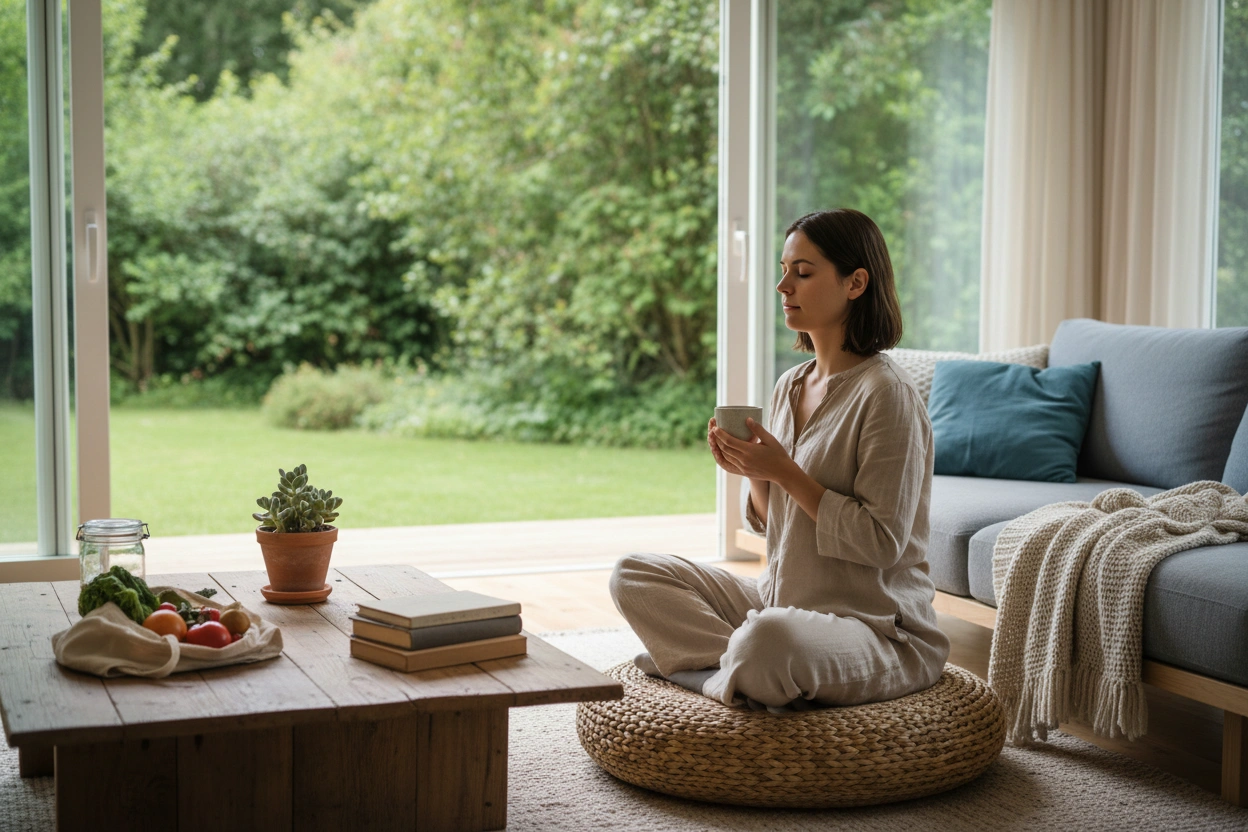
Simple living is not merely a trend; it embodies a lifestyle choice that prioritizes sustainability, minimalism, and mindfulness. As more individuals recognize the impact of consumerism on the environment, the shift toward sustainable living practices has gained momentum. This article will discuss mindful consumption habits that can lead to a simpler, more fulfilling life while also providing actionable insights on decluttering your home.
Understanding Simple Living

Defining Simple Living
Simple living involves reducing excess and focusing on what truly matters. This lifestyle encourages individuals to minimize distractions and possessions, allowing for a more intentional way of life. The philosophy of simple living can include various practices, such as downsizing, decluttering, and adopting sustainable habits. The aim is to create a life that prioritizes experiences over material possessions.
The Benefits of Simple Living
Adopting a simple living approach offers numerous benefits. Not only does it promote sustainability, but it also enhances mental well-being. Individuals who embrace this lifestyle often experience reduced stress levels and increased satisfaction. The following are key advantages:
- Environmental Impact: By consuming less, individuals reduce their carbon footprint and contribute to environmental preservation.
- Financial Savings: Fewer possessions often lead to lower expenses, allowing for greater financial freedom.
- Improved Focus: A decluttered space can lead to a decluttered mind, enhancing productivity and creativity.
Mindful Consumption Habits
The Concept of Mindful Consumption
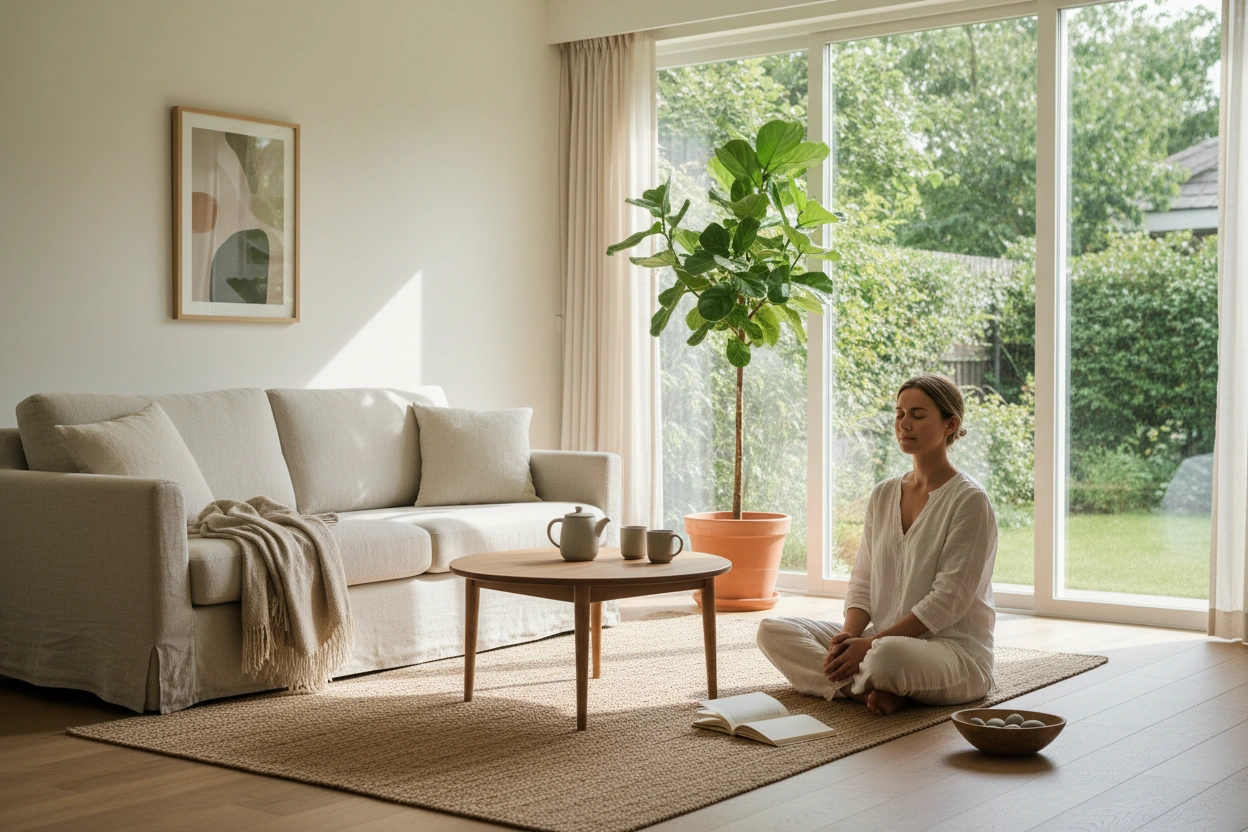
Mindful consumption is the practice of being aware of your purchasing decisions and their implications. It involves reflecting on whether a product is truly necessary and considering its environmental and social impact. By adopting this mindset, individuals can make more informed choices that align with their values.
Practical Steps for Mindful Consumption
- Assess Needs vs. Wants: Before making a purchase, evaluate whether the item is a necessity or simply a desire. This practice helps curb impulse buying.
- Research Products: Investigate the brands and products you intend to purchase. Look for companies that prioritize sustainability and ethical practices.
- Support Local Businesses: Whenever possible, buy from local artisans and businesses. This not only supports the community but also reduces transportation emissions.
- Consider Quality Over Quantity: Invest in high-quality items that will last longer, rather than opting for cheaper, disposable alternatives.
- Practice Gratitude: Cultivating gratitude for what you already have can diminish the desire for more possessions.
Top 10 Decluttering Tips for a Simpler Home
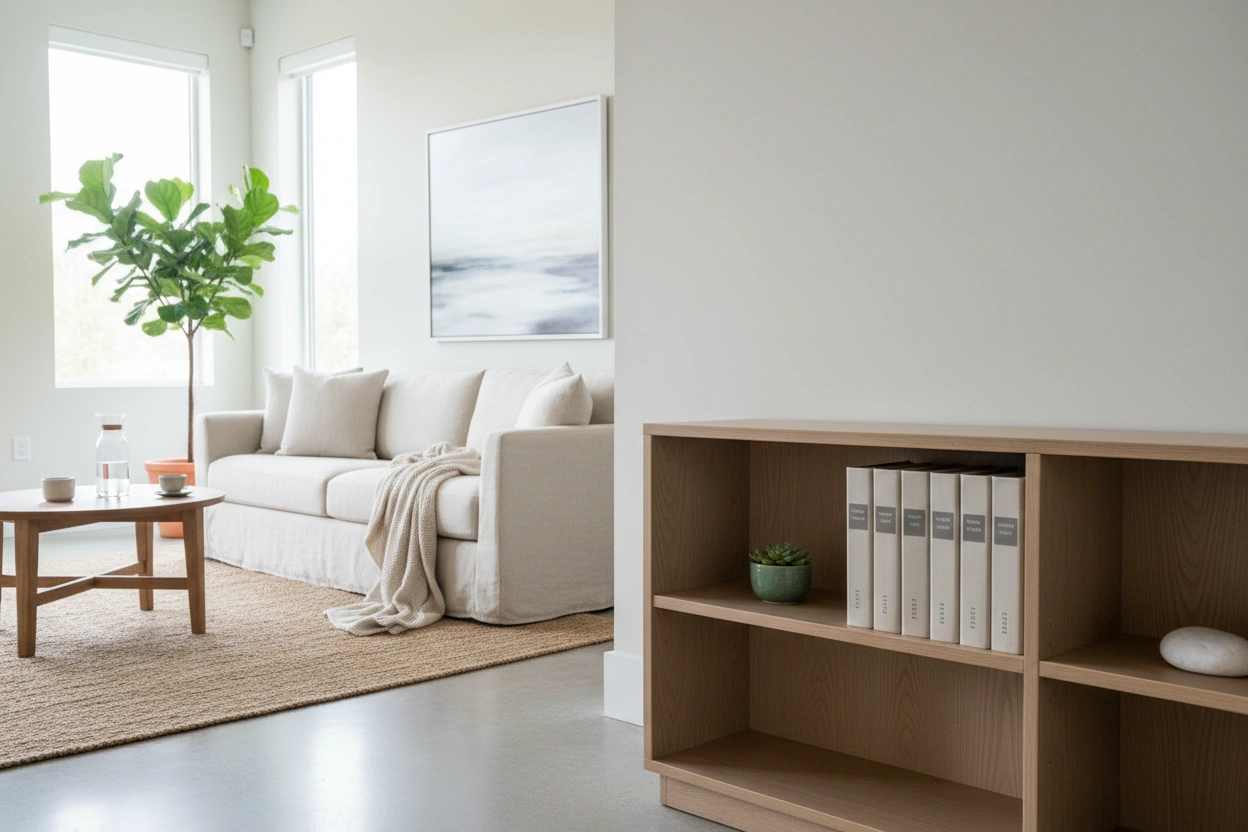
Decluttering is a vital aspect of simple living. A cluttered space can lead to a cluttered mind, making it challenging to focus on what truly matters. Here are ten effective decluttering tips to help you simplify your home:
- Start Small: Choose one area to declutter, such as a drawer or a closet. Tackling smaller spaces makes the process less overwhelming.
- Use the Four-Box Method: Label four boxes as "keep," "donate," "sell," and "trash." This method provides a clear framework for decision-making.
- Set a Timer: Dedicate a specific amount of time, such as 15 or 30 minutes, to decluttering. This creates a sense of urgency and keeps you focused.
- Evaluate Each Item: As you go through your belongings, ask yourself if the item brings you joy or serves a purpose. If it doesn’t, consider letting it go.
- Implement a One-In-One-Out Rule: For every new item you bring into your home, commit to removing one item. This helps maintain a balanced environment.
- Create a Decluttering Schedule: Set aside regular time each week or month to declutter different areas of your home.
- Limit Sentimental Items: While it’s natural to hold onto items with sentimental value, try to limit them to a few meaningful pieces to avoid clutter.
- Digitize Documents: Reduce paper clutter by scanning important documents and storing them digitally.
- Make Decluttering a Family Activity: Involve family members in the process to encourage teamwork and make it more enjoyable.
- Celebrate Your Progress: Acknowledge your achievements, no matter how small, to stay motivated in your decluttering journey.
Common Misconceptions About Simple Living
Misconception: Simple Living Means Living Without Comfort
One prevalent misconception is that simple living equates to sacrificing comfort. In reality, simple living focuses on prioritizing what is essential and meaningful. Comfort can still be achieved through quality items and experiences that align with personal values.
Misconception: You Have to Live in a Tiny House to Live Simply
While tiny houses are often associated with simple living, they are not a prerequisite. Simple living can be practiced in any home, regardless of size. The key is to focus on minimalism and intentionality, which can be accomplished in various living situations.
The Role of Sustainable Living in Simple Living
Sustainable living is an integral part of the simple living philosophy. It encompasses practices that reduce harm to the environment and promote ecological balance. By adopting sustainable habits, individuals contribute to a healthier planet while simplifying their lives.
Sustainable Practices to Consider
- Reduce, Reuse, Recycle: Implementing these three principles can significantly minimize waste.
- Adopt a Plant-Based Diet: Reducing meat consumption can lower your carbon footprint and promote better health.
- Utilize Renewable Energy Sources: Consider installing solar panels or using wind energy to power your home.
- Grow Your Own Food: Cultivating a garden can provide fresh produce and reduce dependence on store-bought items.
The Intersection of Mindful Consumption and Simple Living
Mindful consumption and simple living are inherently connected. By practicing mindful consumption, individuals can make choices that align with their simple living goals. This intersection fosters a lifestyle that values sustainability, intentionality, and overall well-being.
Implementing Mindful Consumption in Everyday Life
To truly embrace mindful consumption, consider the following strategies:
- Regularly Review Purchases: Keep track of your spending and evaluate whether purchases align with your values.
- Create a Wishlist: Instead of impulsively buying items, maintain a wishlist. This allows for reflection on whether the item is truly needed.
- Participate in Community Swaps: Engage in local swap events to exchange items you no longer need, promoting a culture of sharing and sustainability.
Building a Sustainable Future with Simple Living
Adopting simple living practices is not just a personal choice; it has broader implications for society and the environment. By embracing sustainable living, individuals can contribute to a collective effort towards a healthier planet.
How TinyHouse.com Supports Simple Living
At TinyHouse.com, the mission aligns with the principles of simple living. The platform provides resources and guidance for individuals interested in tiny home living, which is inherently tied to minimalism and sustainability. Whether you're looking to build or buy a tiny home, TinyHouse.com offers valuable insights to help navigate this lifestyle change without feeling overwhelmed. practical living advice to help you on your journey.
Incorporating mindful consumption habits and decluttering practices into your life can lead to a more simplified and sustainable lifestyle. By focusing on what truly matters, you can create a fulfilling life that resonates with your values. For more information on how to embrace simple living and explore tiny home options, visit TinyHouse.com.


.svg)

.jpg)
.jpg)
.jpg)